
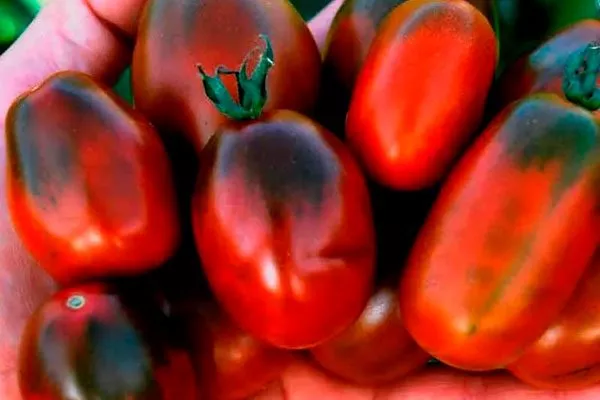
Black Moor is a mid-season tomato variety characterized by high yields and suitable for both indoor and outdoor cultivation. Its signature feature is the unusual chocolate color of its cocktail-type fruits. Besides their attractive appearance, they delight the consumer with their fleshiness, juiciness, and excellent flavor.
History and regions of cultivation
The variety with dark chocolate-colored fruit was developed through selective breeding, not genetic modification. It was developed by breeders representing the Moscow-based company ZAO NK LTD:
- To V. M.;
- Korotkov S. A.;
- Dynnik A. V.;
- Kochkin A.V.
In 2000, the variety was added to the State Register of the Russian Federation and approved for cultivation in the following regions of the country:
- Northern;
- North-West;
- Central;
- Volga-Vyatka;
- Central Black Earth Region;
- North Caucasian;
- Middle Volga;
- Lower Volga;
- Ural;
- West Siberian;
- East Siberian;
- Far Eastern.
Description of the bush and fruits
Black Moor plants are semi-determinate. They are distinguished by their appearance:
- “height” — up to 1 m when grown in open areas of the garden, 1.2-1.5 m when cultivated in greenhouse conditions;
- Foliage: medium-sized, dark green, typical tomato shape;
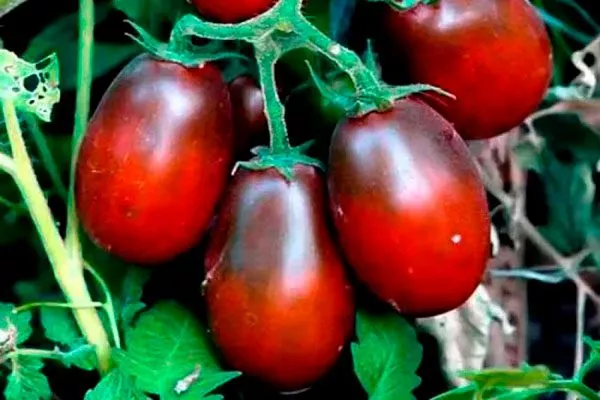
- fruit clusters formed after the 9th leaf every 2-3 nodes, consisting of 8-18 miniature tomatoes.
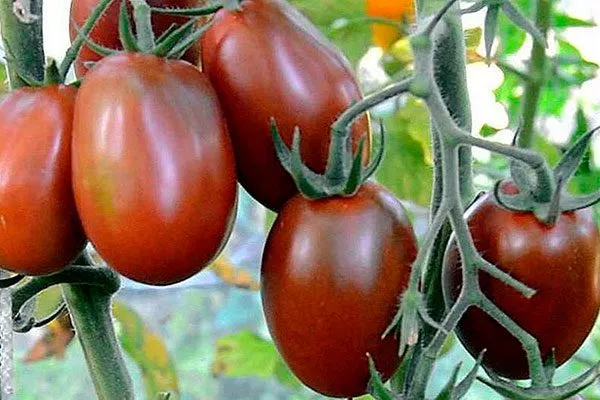
The bushes require training into multiple trunks and pinching out side shoots to ensure maximum productivity. Staking them to a support structure is also essential. This prevents the stems from breaking under the weight of the numerous fruit clusters, of which there can be up to 10 on a plant.
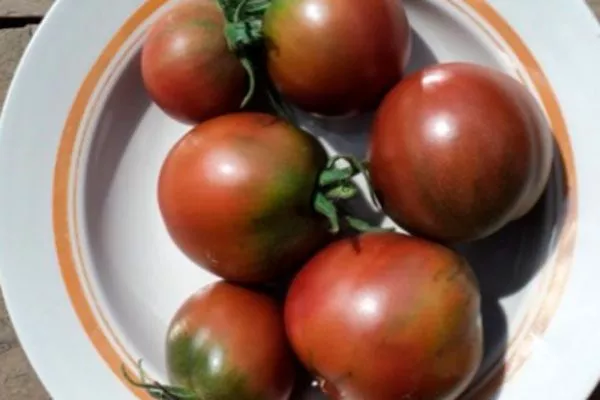
Dark-colored tomatoes delight gardeners with their attractive appearance and high consumer qualities. Their description includes:
- small size;
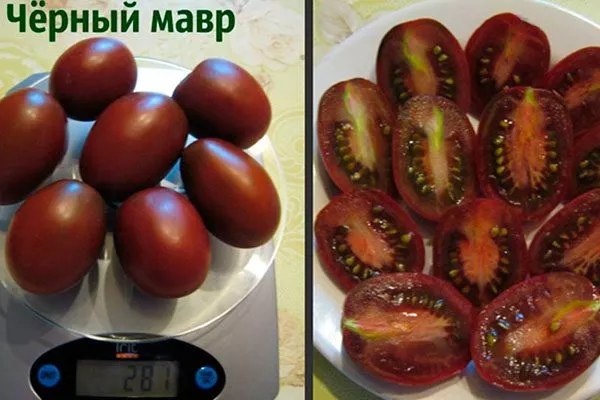
- weight - 30-50 g (maximum possible fruit weight - 70 g);
- ovoid shape like “cream”;
- brownish-brown color with a dark spot located near the stalk;
- skin: smooth with a shine, dense, strong;
- thick walls;
- pulp: dense, fleshy, moderately juicy, not coarse in consistency, containing up to 7.2% dry matter.
Chocolate tomatoes taste good. Their flesh has a wonderfully sweet flavor with just a hint of tartness.
The secret to the black tomato's unusual color, vibrant aroma, and remarkable flavor lies in its origins. It is believed that dark-colored varieties were created by crossing red-fruited tomatoes with wild varieties. The dark-skinned fruits inherited the best traits from both "parents."
Main characteristics
This black-fruited tomato variety boasts many excellent characteristics. Check them out if you're planning to grow it in your garden.
Ripening time and yield
Black Moor is a mid-season vegetable variety. Its harvest ripens within the following timeframes:
- 110-120 days after sprouting;
- 70 days after transplanting seedlings to the garden;
- in August-September.
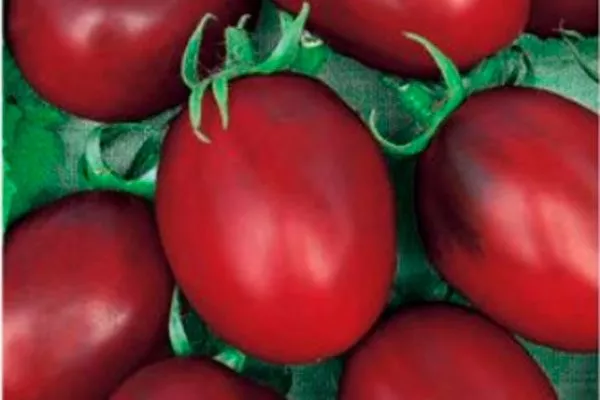
The variety is considered high-yielding:
- From 1 square meter, gardeners harvest an average of 4.8-5.3 kg of miniature chocolate-colored fruits;
- maximum productivity rates are 7-9 kg/sq.m.
The Black Moor variety is characterized by excellent marketability, shelf life, and transportability. These qualities make this variety suitable for commercial tomato production on an industrial scale.
Areas of application of fruits
Black tomatoes are a great summer dessert, boasting a sweet, fruity flavor. They're not only a gastronomic delight but also a healthy treat. Their dark skin contains a huge amount of anthocyanins (powerful antioxidants).
The Black Moor variety is harvested fresh. Housewives also use it for culinary purposes:
- for preparing sauces and pasta;
- canning and pickling;
- adding to hot and cold dishes;
- frosts;
- decorating the festive table.
Resistance to diseases and pests
This dark-colored variety is resistant to many nightshade diseases. Its bushes are rarely affected by infections:
- fusarium;
- verticillium wilt;
- tomato mosaic virus;
- Alternaria.
They are immune to nematodes as a pest. Preventative measures are required to prevent late blight and damage to crops by harmful insects. These measures are also necessary to reduce the risk of blossom-end rot, to which the variety is susceptible during drought.
Resistance to adverse weather conditions
Black Moor pleases gardeners with its resilience and endurance:
- its planting tolerates heat and drought well;
- resistant to temperature changes;
- cold-resistant.
Care features and cultivation techniques
This vegetable variety is suitable for cultivation in open gardens and greenhouses. Gardeners grow it using seedlings.
Preparing seeds, soil and containers
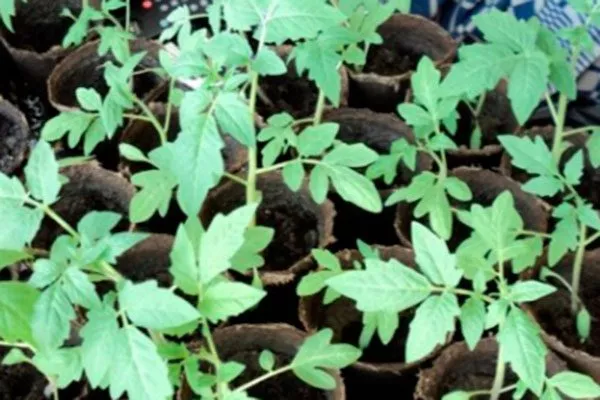
Use wooden or plastic boxes to grow chocolate tomato seedlings. Individual containers with peat walls are also suitable. If you sow the seeds directly in them, the seedlings won't need to be pricked out. Many gardeners do this to protect the delicate plants from stress.
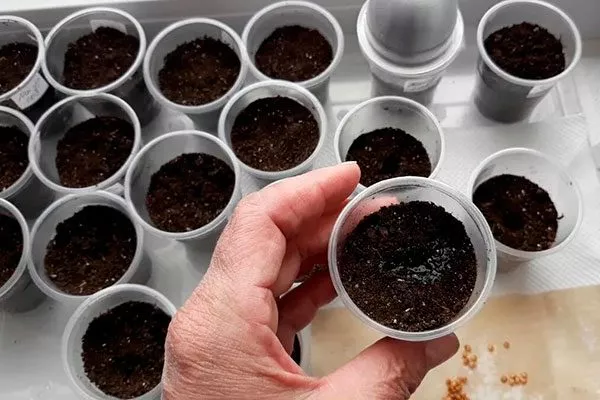
Before using reusable containers, carry out the following pre-sowing preparation procedures:
- warming up (keep the containers for several days in a warm room at +25°C);
- disinfection (treat the inner surface of the boxes and glasses with a solution of potassium permanganate, alcohol, or pour boiling water over them).
To grow tomatoes, use a ready-made substrate (light and loose), purchased at the store. It is already nutrient-rich, disinfected, and has the right structure. It's especially good if it contains shredded coconut fiber.
If desired, you can make your own soil for tomato seedlings. Combine turf soil with compost in a 1:1 ratio. Make the mixture more loose with sawdust or peat. Add a small amount of mineral fertilizer, such as superphosphate (30 g per 10 l).
Vegetable seeds also require preparation for sifting. Follow these steps:
- hardening (leave them in a cool place for 2-3 days);
- etching using a solution of potassium permanganate with a concentration of 1-2%, followed by rinsing the seeds in clean water;
- germination in a warm place on a saucer with damp gauze.
Sowing seeds for seedlings
Sow chocolate tomato seeds in the last week of March or the first half of April, 40-50 days before the expected date of transplanting the plants to the garden (in May). Plant them in a nutrient-rich substrate to a depth of 1-2 cm. Do not compact the seeds. Maintain a 2-3 cm spacing between the seeds.
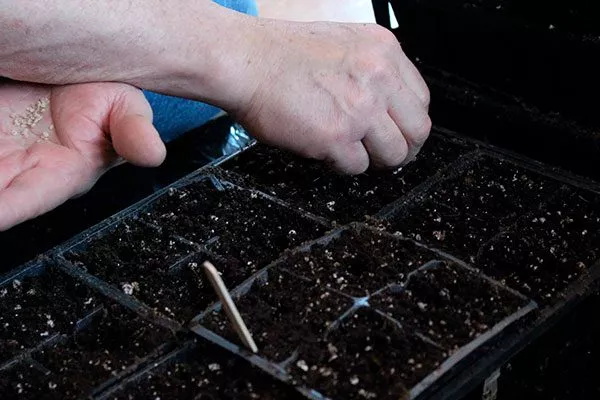
Cover the seeds with plastic or glass to create greenhouse conditions. Keep them in a warm room at 25°C. Sprouts will appear in 5-8 days.
- ✓ The optimal temperature for seed germination is +25°C, followed by a decrease to +20-22°C after emergence.
- ✓ The need to supplement the seedlings with phytolamps to ensure a 14-hour daylight period.
Care and picking of seedlings
Once the seedlings emerge, move the containers to a cooler room (temperature: 20-22°C). Keep them in a sunny window, protecting them from drafts. Provide proper care:
- Start watering two days after the sprouts emerge. Water them sparingly. Overwatering the soil can cause them to rot, especially if the room isn't warm enough. Water them once a week.
- Carefully loosen the soil under the seedlings, being careful not to damage them.
- Once the second true leaf appears, transplant the seedlings. If you can't transplant them into individual cups, thin them out (leave at least 5 cm between plants).
- Feed young tomatoes for the first time with a complete nightshade fertilizer solution two weeks after transplanting. Apply another nutrient solution (such as superphosphate or potassium sulfate) after 14 days.
- Provide supplemental light to tomato seedlings using phytolamps. Provide 14 hours of daylight to prevent stretching and disease.
- Harden off your tomatoes to prepare them for transplanting them outdoors. Take the plants outside daily, leaving them outside for 2-3 hours. The day before "transferring" them to the garden, keep the seedlings on the balcony overnight, without watering them first.
Planting seedlings in a permanent location
Transfer the seedlings to a prepared bed towards the end of May. First, ensure that the threat of frost has passed and the soil has warmed to 15°C.
Prepare the area for chocolate tomatoes in advance. In the fall, dig it up and add organic matter. When choosing a growing spot in your garden, choose a sunny area protected from wind and drafts, with loose, fertile soil.
Plant Black Moor seedlings without disturbing the root ball. Follow the seed manufacturer's recommended planting schedule:
- 50-60 cm is the distance between seedling bushes;
- 60-80 cm — width between rows;
- two-line tape or checkerboard pattern.
Plant care
To ensure your dark-colored tomato plantings remain healthy and produce abundant fruit, provide them with proper care. Pay attention to watering, fertilizing, and shaping the bushes. Keep the soil loose. Regularly weed to prevent depletion.
Watering tomatoes
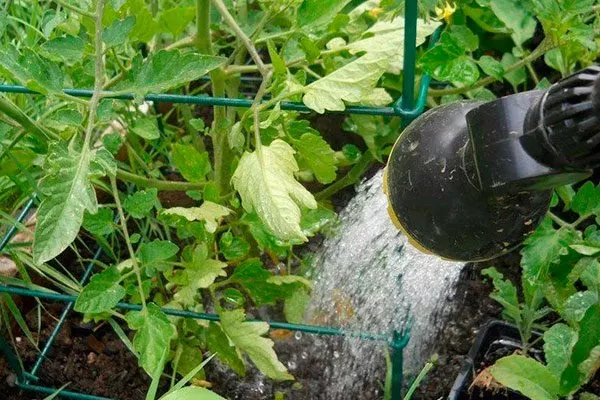
For the first 12-15 days after transplanting Black Moor seedlings to the garden bed, avoid watering. Thereafter, water the plants moderately, preventing the soil from drying out or becoming overwatered.
Follow the rules for the procedure:
- Use 4-5 liters of water per square meter until the bushes bloom. Water them once every 5-6 days.
- When tomato buds appear, increase the water consumption rate to 10-15 liters per 1 sq. m.
- During the fruit formation period, irrigate tomato plantings every 3 days, using at least 3 liters of water per plant.
- During the hot season, water your tomato beds frequently. Do this three times a week.
- Reduce watering while tomatoes are ripening to prevent them from losing their vibrant, sweet flavor. Otherwise, their flesh will become watery and bland.
- If possible, set up a drip irrigation system for planting Black Moor.
- Use lukewarm water (20°C) for irrigation. It should be settled and well warmed by the sun.
- Pour water at the base of the plant. Avoid splashing onto the foliage and stems. Soak the soil beneath the plants to a depth of 3-5 cm.
- Water tomatoes in the morning or late afternoon when sunlight is at its lowest. Watering at midday increases the risk of sunburn.
After each watering of the chocolate tomato bed, perform the following garden soil care procedures:
- LooseningLoosen the soil between the rows, being careful not to damage the roots. Perform the soil cultivation the day after watering or rain. This will prevent the formation of an air-impermeable soil crust.
- WeedingRemove weeds as they appear in your garden. If neglected, they will rob your tomato plants of moisture and nutrients, hindering their growth and proper development. Furthermore, they provide a breeding ground for pests and pathogens.
- Mulching. After watering, cover the soil under Black Moor plants with grass clippings or straw to retain moisture and suppress weed growth.
Garter, pinching out side shoots
Train the plant into several trunks (2-3 stems), leaving about 8 flower clusters. This approach will ensure maximum productivity.
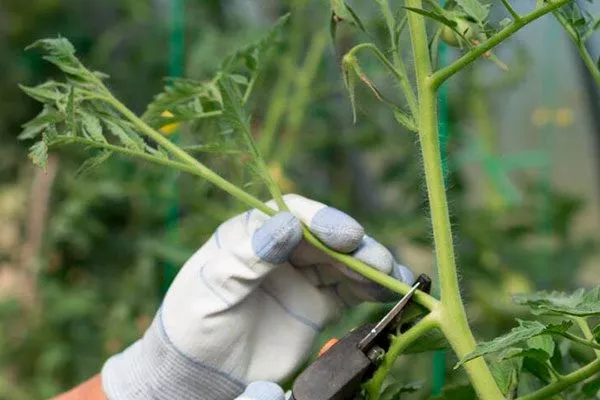
Chocolate-colored bushes require regular side shoot removal. This agronomic practice helps prevent overcrowding. It involves removing excess shoots that appear in the leaf axils.
If you do not remove the side shoots, thereby causing strong branching of the trunk, complications are possible:
- crushing fruits;
- decrease in crop yield.
Carefully remove side shoots when they reach 5 cm in length. Since Black Moor is a semi-determinate variety, removing smaller shoots is not recommended. Gardeners should first ensure that these are actually "fatten" shoots and not the main stems.
The bushes of this cultivar are quite tall (especially those grown in a greenhouse). They require staking to a tall trellis. This will prevent the stems from breaking under the weight of the ripening crop.
Tying to supports gives positive effects when growing chocolate tomatoes:
- increases the degree of illumination of fruits (their sugar content depends on the abundance of sun);
- promotes better ventilation of bushes;
- gives them protection from damage in rainy and windy weather;
- allows the plant not to waste energy on survival and recovery, but to direct all its juices to the ripening of the crop.
Drive a wooden stake next to each bush (its height should be 15-20 cm higher than the mature plant's height). Then tie the stem to the support with synthetic fabric tape. Don't use natural materials, as they increase the risk of plant rot.
Feeding scheme
To increase the yield of black chokeberries, apply at least 3-4 fertilizers per season, starting from the moment the seedlings are transplanted into the garden bed until the first fruits appear:
- Immediately after “relocating” the seedlings to the garden and their rooting, immediately after the seedlings have rooted in the garden bed, water it with a solution of mullein or chicken manure;
- after 10 days, repeat the organic fertilizing;
- during the flowering period of the bushes, add mineral compounds rich in phosphorus and potassium (for example, superphosphate, potassium sulfate);
- and during the period of fruit filling, apply the phosphorus-potassium mixture again.
Avoid using nitrogen-containing fertilizers during the budding and fruiting stages. These substances promote foliage growth, but they negatively impact fruit set. Don't overuse them. The most suitable fertilizers for tomatoes are superphosphate, potassium sulfide, and wood ash.
Pest and disease control
Black Moor delights gardeners with its robust bushes. Its plants rarely get sick or suffer from pests. In adverse weather and poor care, they are susceptible to late blight, blossom-end rot, and pests such as spider mites, aphids, and whiteflies.
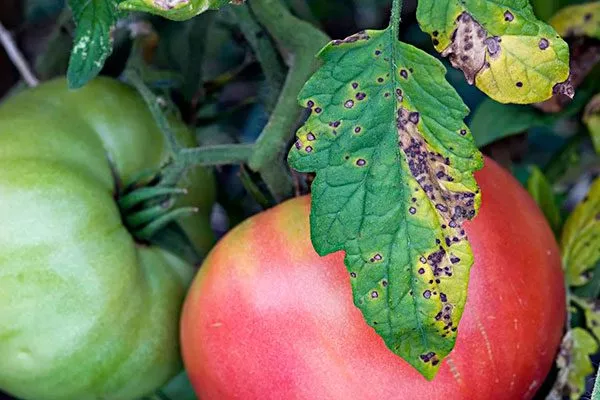
To prevent late blight from infecting chocolate tomato plantings, take the following measures:
- observe the agricultural practices of the crop;
- hill up the plants;
- Spray them with HOM, Bordeaux mixture, Fitosporin-M, Quadris, Trichodermin.
Preventive treatments of Black Moor plants should be carried out within the following timeframes:
- 7 days before transferring the seedlings to a permanent location or a week after;
- with an increased risk of spreading fungal infection.
If the summer is cool and damp, begin spraying your vegetable crop immediately after fruit set. Repeat treatments every 15 days. Remember that factors that contribute to the incidence of late blight on tomatoes include:
- growing on poor soil;
- sudden changes in temperature;
- overwatering or growing tomatoes in areas with close groundwater levels.
If your tomato plants show signs of disease (brown spots on foliage and fruit, white coating, etc.), treat them and the soil beneath with a copper sulfate solution. Fitosporin-M, a biofungicide, can also help solve the problem.
If your chokeberry plants are plagued by pests, you can control them with products such as Confidor, Strela, Fitoverm, or Actellic. Apply these products in the evening, during calm, dry weather. Don't neglect to manually remove pests and wash them off the foliage with moderate pressure water.
Reviews
Black Moor is a mid-season, dark-colored tomato variety. Gardeners love it for its abundant fruit production, attractive appearance, and pleasant sweet flavor. They are eaten fresh as a summer dessert, used in sauces and pastes, canned, and garnished.