
The Black Heart Breda tomato is a variety with a unique appearance and rich, dark fruit color, thanks to its high anthocyanin content. It boasts large fruits and a sweet flavor, making it popular among gardeners. This variety boasts numerous attractive features, including high yields and good resistance to late blight.
History of selection and growing regions
The variety was created by Californian breeder Brad Gates, after whom it was named. It was first introduced to the public in the United States in 2005. The basis for the variety's development was the Black Crimea tomato, which Gates developed in the early 21st century.
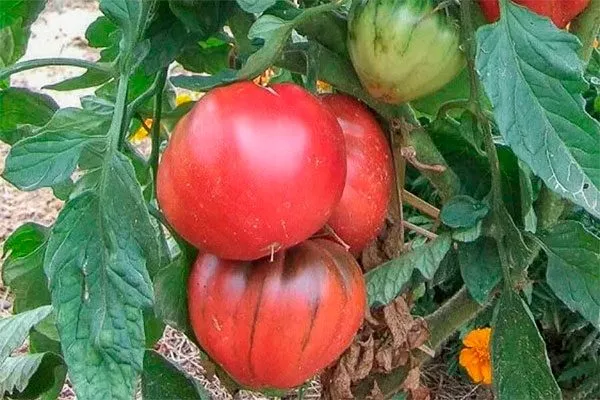
The variety is adapted to a variety of climates, but thrives particularly well in warm, sunny regions. In the central and southern regions, it produces a consistent harvest in open ground. In cooler zones, it is recommended to grow it in heated greenhouses.
Description and characteristics of the variety
This Californian-origin crop is not yet included in the Russian State Register, but is actively cultivated by Russian gardeners. Despite its unusual appearance, the variety is easy to grow and requires minimal care.
Fruits and bushes
The Black Heart Breda tomato is an indeterminate variety and is characterized by vigorous growth – the bushes grow up to 150-180 cm, requiring garters and shaping.
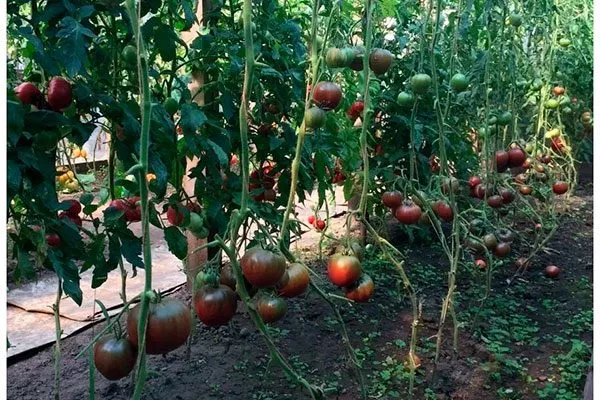
Key Features:
- stems – strong and densely foliated;
- leaves - large, dark green;
- flowers – bright yellow, small, formed into simple inflorescences on lateral shoots.
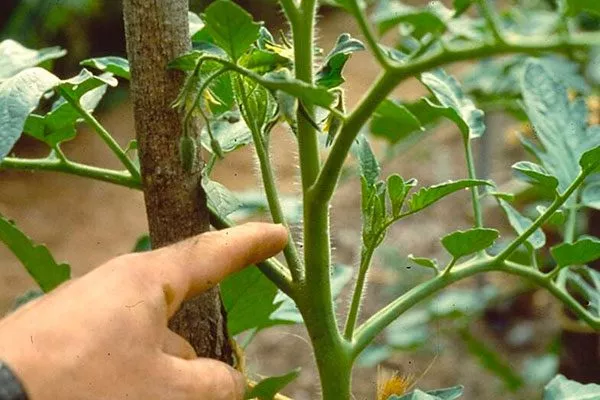
The variety actively forms side shoots, so it needs to be removed regularly to maintain a neat shape and directed growth.
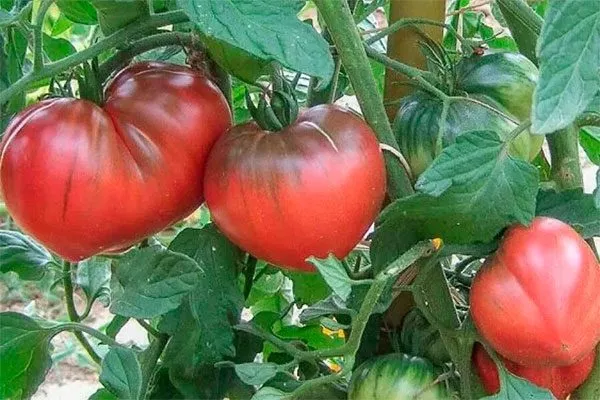
Distinctive features of tomatoes:
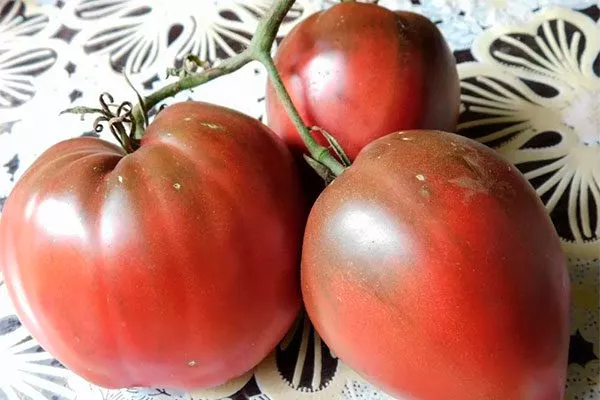
- configuration – expressive heart shape, sometimes the fruits resemble an apple in shape and have slight ribbing;
- color – rich dark pink or burgundy-purple with a metallic sheen.

- size - varies from medium to large;
- weight - reaches 300-500 g, but individual specimens can weigh up to 1 kg;
- pulp – dense, fleshy and very juicy, with a rich sweet taste and a slight refreshing sourness.
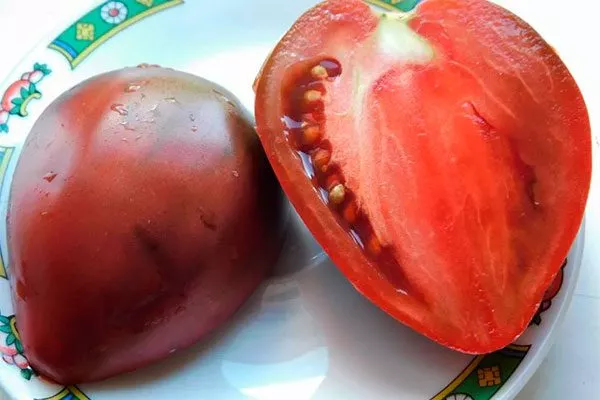
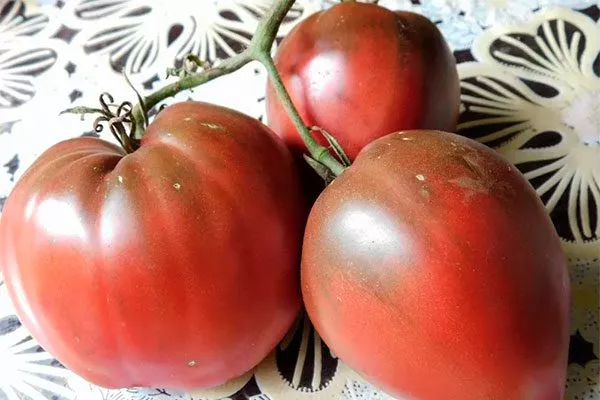
Tomatoes' color comes from their high content of anthocyanins—natural antioxidants that have a beneficial effect on health when consumed regularly. The base of the fruit often retains a green spot with stripes running down the skin.
Ripening time and yield of the Black Heart Breda tomato
It's a mid-season variety, with the average time from germination to harvest of ripe fruit being 90 to 150 days. This characteristic requires advance planting planning, especially in regions with short summers.
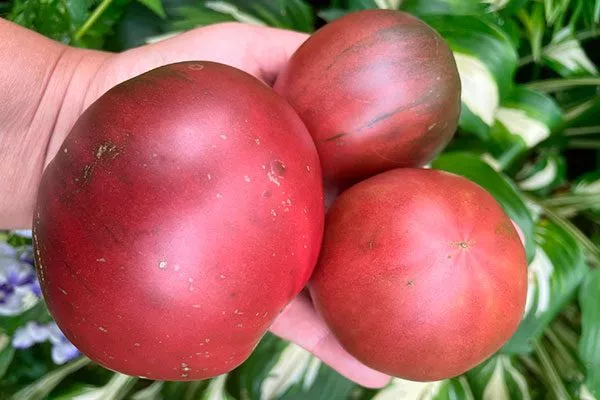
One of the crop's key advantages is its high productivity. With proper care and favorable conditions, a single bush can yield up to 20 kg of juicy, fleshy vegetables. However, the final yield depends on the climate, agricultural practices, and the condition of the plants during the growing season.
Resistance to adverse factors
The Black Heart Breda tomato demonstrates resistance to a number of common diseases, including fusarium, verticillium wilt, and some fungal infections. However, the variety is susceptible to blossom-end rot, especially if watering is inappropriate or the soil is calcium deficient.
Bushes can be damaged by pests, particularly aphids, spider mites and other insect pests, so regular prevention is necessary.
The variety's climate tolerance is also noteworthy: it tolerates temperature fluctuations and short-term droughts well. However, extreme weather conditions—prolonged heat, heavy rainfall, or strong winds—can negatively impact plant development and crop quality.
Purpose and application
Tomatoes of this variety are excellent for fresh eating and are widely used in cooking. Their rich flavor and meaty texture make them suitable for a variety of recipes:
- salads;
- stewed and baked dishes;
- soups;
- pastes, etc.
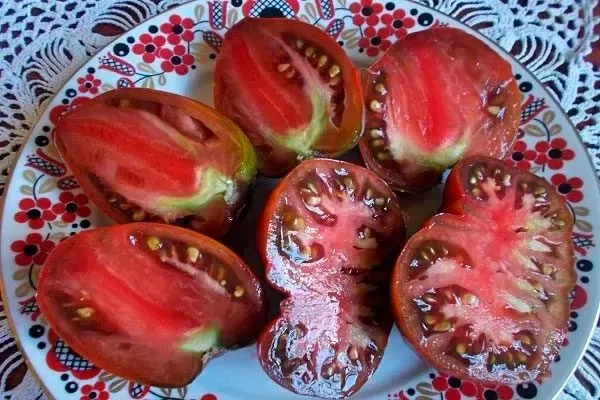
When heat treated, vegetables retain their shape and consistency, making them versatile in use.
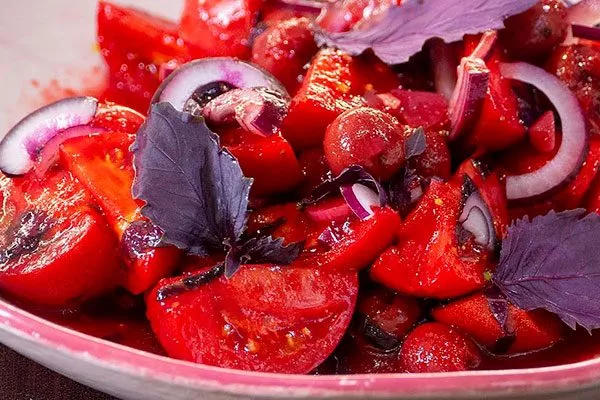
They are ideal for home processing—they make aromatic tomato sauce, ketchup, adjika, puree, and lecho. However, this variety is not suitable for canning whole or sliced due to its large size and dense texture.
Growing seedlings
Tomato seedling cultivation begins approximately two months before transplanting the plants to the open ground or greenhouse. The sowing time depends on the region's climate: in the southern and central parts of the country, seeds are usually sown in March, while in more northern regions, they are sown in early April.
Preparing planting material
Most producers treat Black Heart Breda tomato seeds during packaging. This information is usually indicated on the packaging: treated seeds are marked green or orange.
If you're using your own seeds or untreated store-bought seeds, disinfect them before sowing. Solutions of potassium permanganate (light pink), hydrogen peroxide, baking soda, or freshly squeezed aloe juice are all suitable.
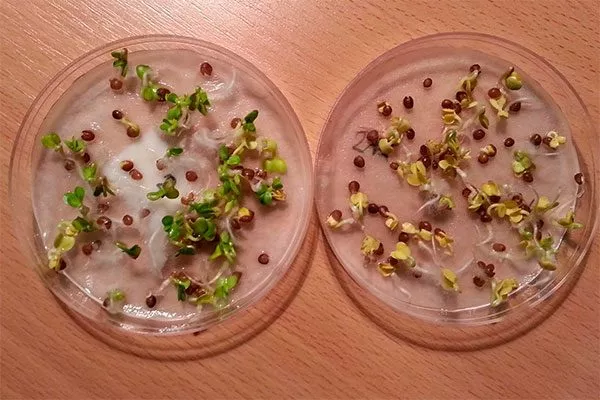
To determine germination, soak the seeds in a salt solution (1 teaspoon of salt per 200 ml of water) for 30 minutes. Any seeds that float to the surface are unsuitable for planting. To speed up germination and increase resistance to stress and disease, use growth stimulants.
Popular drugs:
- Epin - 3 drops per 100 ml of water, soak for 8 hours. Non-toxic, compatible with potassium permanganate.
- Zircon – 2 drops per 200 ml of water, soak seeds for 10 hours. Can be combined with Etamon.
- Sodium humate – 1 g per 300 ml of water, steep for 10 hours, then dilute 100 ml of the solution in 900 ml of water. Soak for 6-8 hours.
Preparing the soil mixture and containers
For growing tomato seedlings, it's preferable to use a light, nutritious soil. Ready-made soil mixes are available at the store, but many gardeners prepare their own. To do this, use equal parts black soil and humus, adding an equal amount of river sand or sawdust for looseness.
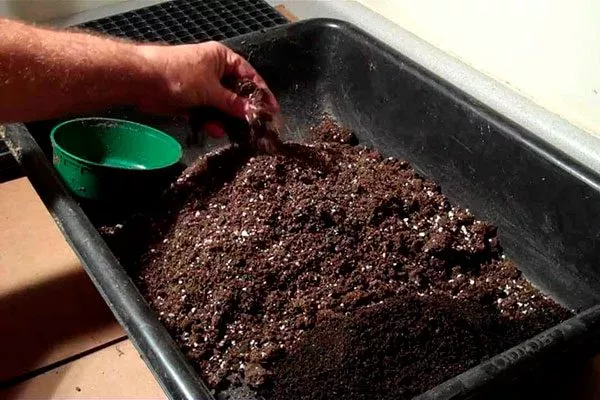
Regardless of its origin (store-bought or homemade), soil must be disinfected before use. The following methods are suitable for disinfection:
- roasting the soil in an oven at 100°C;
- pouring boiling water through a container with drainage holes;
- treatment with a strong solution of potassium permanganate.
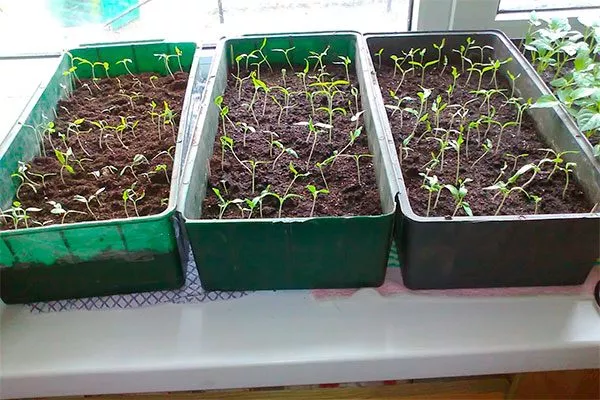
Seeds are typically sown in a common container, and after one or two true leaves appear, they are transplanted into individual pots of at least 300 ml capacity. Any container will do, as long as it's clean. Before sowing, be sure to disinfect them by soaking them in a saturated solution of potassium permanganate.
Three ways to sow seeds
There are several popular methods for sowing tomato seeds for seedlings. Each has its own characteristics. Choose the appropriate option:
- Sowing in a common container. Fill the container with prepared soil, leaving at least 3 cm to the edges. Place the seeds in rows 1.5 cm apart, leaving 3 cm between rows. Sprinkle with a layer of soil about 1 cm thick, moisten, cover with plastic wrap, and place in a warm place for germination.
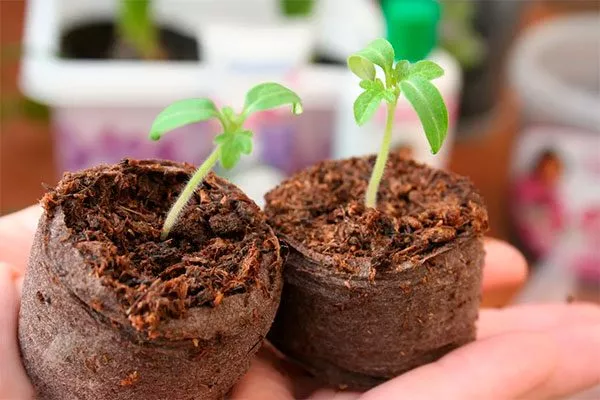
- Using peat tablets. Place them in a deep container with the opening facing down and pour boiling water over them. Add more water as needed as they swell.
Using a toothpick, insert one seed into the center of each swollen tablet (about 1 cm deep). Place the tablets with the opening facing up, cover with plastic wrap, and store in a warm place.
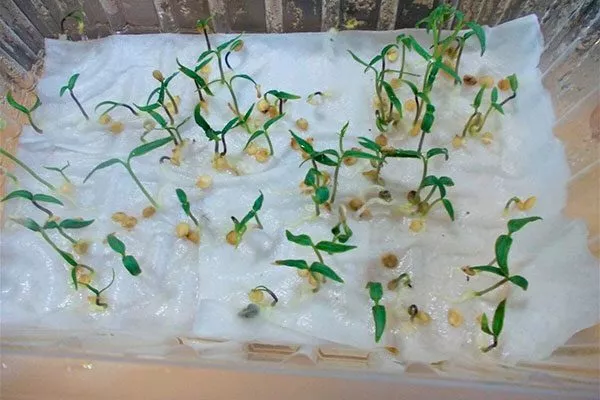
- Sowing without soil. Place several layers of napkins or toilet paper on the bottom of the container, thoroughly moistening them with warm water. Arrange the seeds in rows on top, then cover with damp paper.
Cover the container with plastic wrap and place it in a warm place. Once the cotyledon leaves appear, transplant the plants into individual cups with soil.
Caring for seedlings
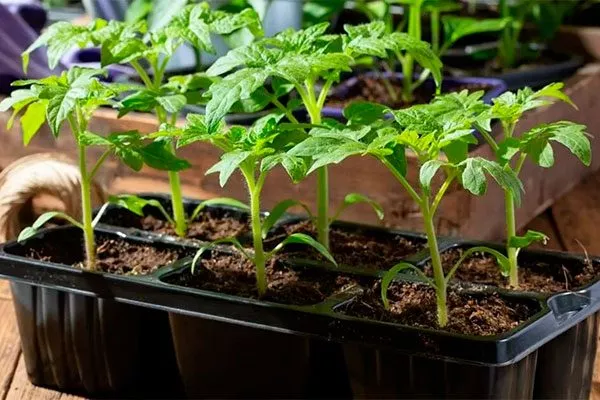
High-quality seedlings are the key to successful tomato survival after transplanting outdoors. To achieve good results, ensure proper care during the seedling growing stage:
- Once the seeds have sprouted, remove the film and move the containers to a well-lit area. If natural light is insufficient, use fluorescent lamps, as seedlings begin to stretch with less than 16 hours of light.
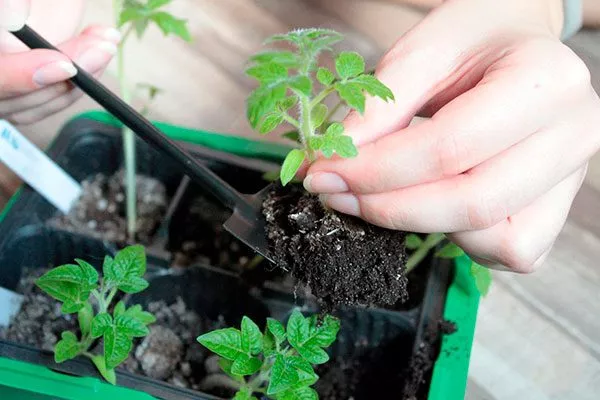
- Pricking out should be done after two true leaves appear. Opinions vary regarding pinching the central root when replanting: some agronomists believe it stimulates the development of a more robust root system, while others believe root pruning only creates additional stress and slows growth.
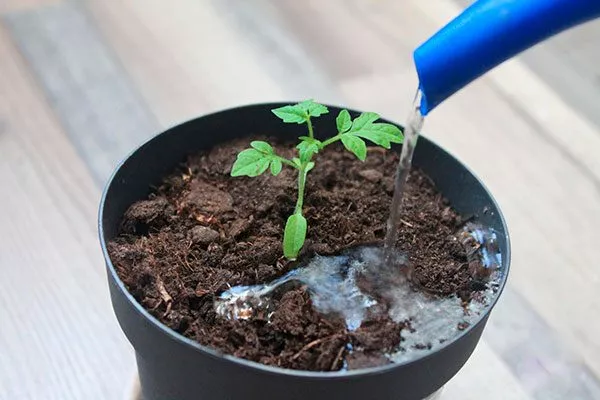
- Water as the soil dries with warm water, being careful not to get moisture on the leaves. A loss of turgor in plants can indicate either excess or insufficient moisture.
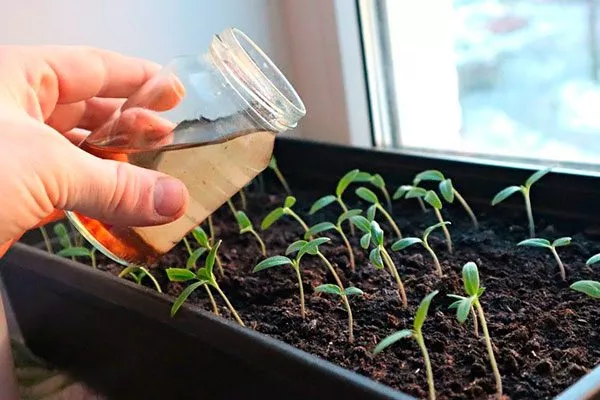
- Feed the seedlings three times: the first time after transplanting, the second time between the first and third feedings, and the third time three days before planting. Use vermicompost, phosphorus-rich fertilizers, and growth stimulants.
- Two weeks before transplanting, begin hardening off the seedlings: take the plants out onto the balcony or outside during warmer times of day, starting with short walks and gradually increasing the time spent outdoors.
Agricultural technology
Tomatoes are planted in the ground after the soil has warmed up and the danger of frost has passed. The timing depends on the regional climate; in colder areas, planting is done later. Three days before transplanting, the seedlings are watered and fertilized, which helps them adapt more easily to their new location.
Planting seedlings in a permanent location
For tomatoes, choose the sunniest spot in the garden, avoiding planting them near potatoes. Other nightshade crops are undesirable predecessors, while legumes, cabbage, onions, and cucumbers are considered better.
Follow the instructions:
- In the fall, clear the soil of any remains of cultivated plants and weeds, fertilize it with humus, and sprinkle dry lime to reduce acidity.
- In the spring, dig up the soil, remove plant roots, and enrich it with chicken manure and ash. To disinfect the soil, water it with a copper sulfate solution.
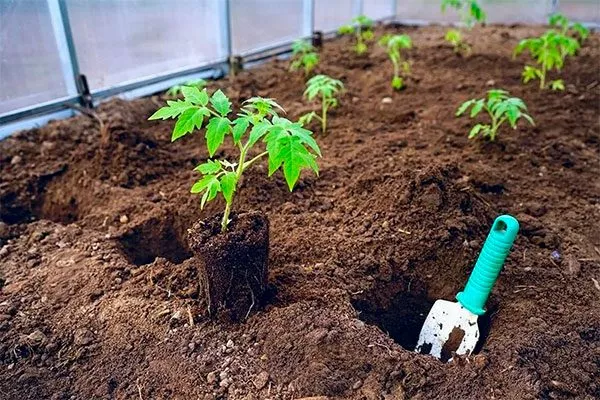
- Dig the holes in rows in a checkerboard pattern, planting no more than three plants per square meter. Install a wooden support next to each hole.
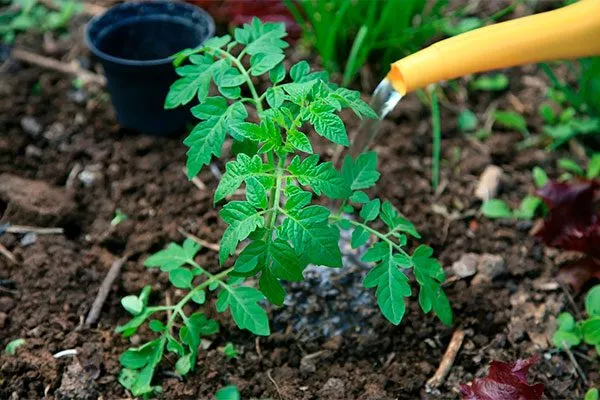
- Plant the tomatoes in the holes along with the root ball, cover with soil, and firm down. Then water the plants with about 1 liter of warm water per plant. Water again in two weeks.
Caring for Black Heart Breda tomatoes
Tall Black Heart Breda tomato bushes require staking – secure the plants to a support as they grow, and secure particularly heavy fruit clusters separately.
Key recommendations:
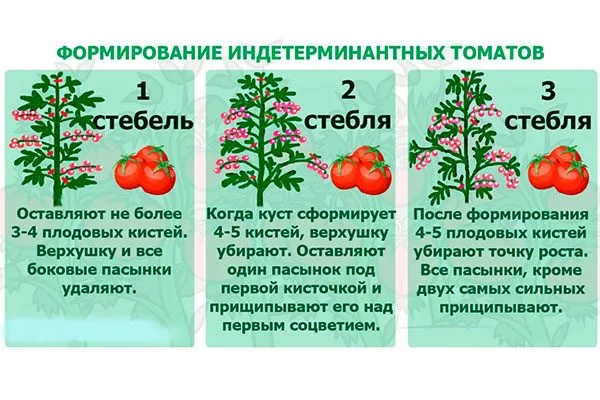
- Train tomatoes into 1-3 stems. The more stems you leave, the smaller and later the tomatoes will ripen. Training them into a single stem will produce the largest tomatoes, but the yield will be lower.
- When pinching out the stepsons, remove damaged and lower leaves, as well as small and deformed inflorescences.
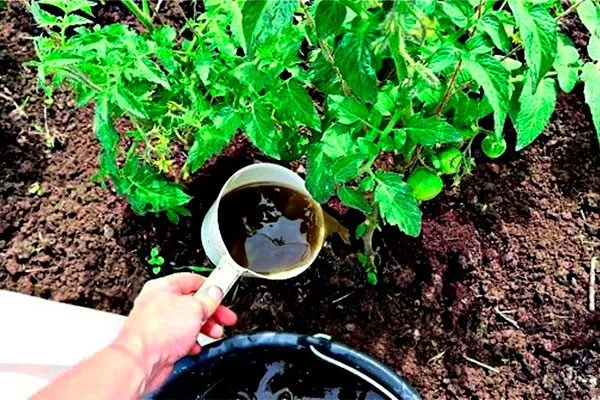
- Water the bushes every two days, using at least 2 liters of warm, settled water per plant, making sure that moisture does not get on the leaves and stems.
- Feed the crop 3-4 times per season, alternating organic and mineral fertilizers.
Cultivation of the variety in open and protected ground
When growing tomatoes in a greenhouse, the plants grow taller and produce a more abundant harvest, so this variety is often grown indoors.
Basic requirements:
- Before planting in a greenhouse, treat the walls with a solution of copper sulfate.
- To maintain optimal humidity, ventilate the room regularly by opening the windows.
- In open ground, protect plants from frost by covering them with film at night during the first two weeks after transplanting, and then during sudden cold snaps.
- To protect roots and improve growing conditions, mulch your garden beds with hay, compost, or straw. Mulch helps retain heat, suppresses weed growth, and reduces the risk of disease, while also acting as additional fertilizer.
Diseases and pests
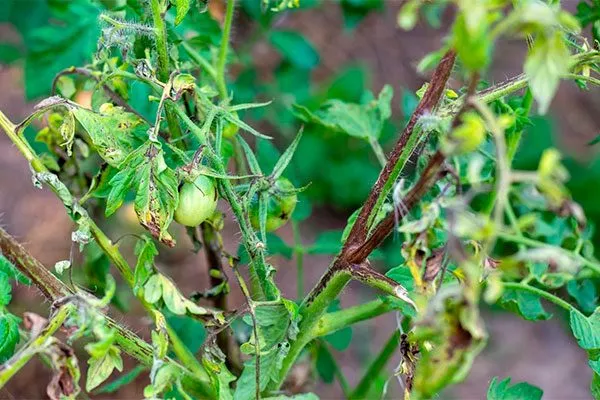
The Black Heart Breda variety is resistant to most tomato diseases and is not susceptible to late blight. However, according to gardeners, this variety often suffers from blossom-end rot.
Follow these recommendations:
- To prevent blossom-end rot, spray the bushes weekly with a calcium nitrate solution.
- To reduce the risk of infection, thoroughly disinfect all tools that come into contact with plants. Additionally, disinfect seeds and soil.
- Strictly adhere to the rules of watering and pinching, as violation of these conditions reduces the resistance of tomatoes to infections.
- To protect against pests, treat the bushes with a soap solution and dandelion decoction, and remove large insects by hand.
Harvesting and use of the crop
Harvest your first tomatoes at the end of July. Pick them either in bunches or individually, depending on how evenly they ripen.
Use wooden or plastic crates. Arrange the fruit in a single layer. Store them in a basement or cellar, but check them regularly to identify any spoiled or rotten specimens.
Pros and cons
Reviews
Black Heart Breda is prized for its consistent yields and appealing tomato flavor. Despite the need for staking and care, it exhibits excellent disease resistance, except for blossom-end rot. This variety is an excellent choice for both beginner and experienced gardeners. With proper care, it will reward you with generous harvests.