
Miracle of the Land is a unique Russian tomato variety, sometimes referred to as Miracle of the World. This new addition is an indeterminate variety, perfectly suited for both outdoor and greenhouse cultivation. Experienced gardeners report that the yield of these tomatoes in southern climates is simply astounding.
History of selection
In 2002, a unique tomato variety, created by a Novosibirsk breeder and entrepreneur, was introduced to the agricultural market. This variety, developed by V.N. Dederko and O.P. Postnikova, was registered in the State Register of Breeding Achievements of Russia in 2006.
The vegetable is cultivated in various climatic conditions, and for its successful growth it is important to choose the right location - an open garden or a protected greenhouse.
The variety is in constant demand among summer residents and farmers in the Astrakhan region, Krasnodar Krai, and the North Caucasus.
Description of the plant
Miracle of the Earth is a luxurious and well-maintained plant. Although classified as a determinate variety in the state register, the tomato bush can reach 170 to 200 cm in height.
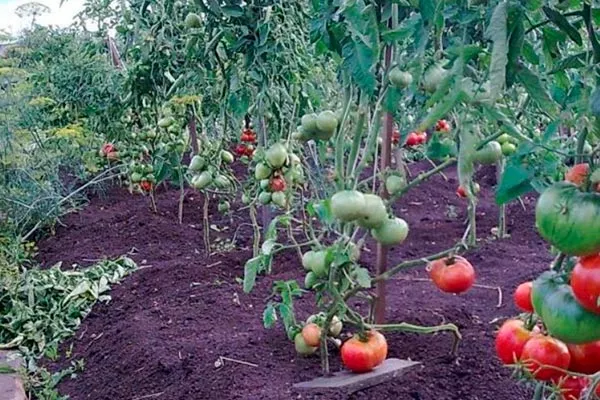
Key characteristics of this tall crop include:
- Erect stems with a light coating, medium foliage with its characteristic dark green color, arranged in a row.
- A well-developed root system, shortened intervals between nodes and intermediate inflorescences that form articulated peduncles.
- Due to the fact that the bush has a low tendency to branch out, it looks very compact and requires little space in the fields.
- Fruit formation occurs in multiple-fruit clusters. Typically, up to 10 clusters, each containing 5-8 berries, form on the main stem.
Fruits, their taste and purpose
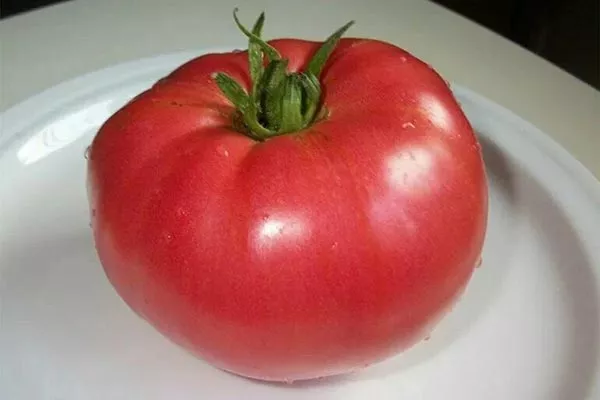
The Miracle of the Land tomato is a large-fruited variety. Growing to about 400 g, these tomatoes can become true giants, reaching 700-1000 g with the right number of ovaries.
Varietal characteristics:
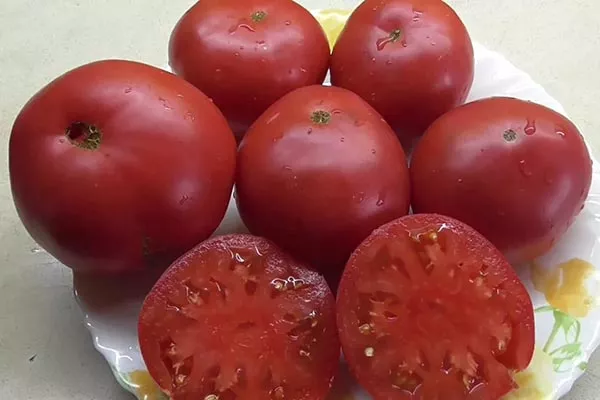
- The largest fruits typically form at the base of the bush. They are characterized by a round or flattened-round shape with pronounced lateral ribs and a shiny skin.
- During the growing season, tomatoes are pale green, with a darker base. As the fruits reach maturity, they turn a bright crimson or raspberry-pink, and the characteristic spot near the stem disappears.
- Beneath the thin but firm skin lies a light pink pulp with a fleshy, tender, firm, yet juicy texture, divided into numerous seed chambers. The fruit contains four or more seeds.
- This tomato's exceptional flavor deserves special attention, combining a pleasant summer sweetness with piquant sour notes and a rich dessert aroma.
- These tomatoes are excellent for fresh-picked consumption, added to salads and cold appetizers, and also used to make tomato products. Their fleshiness and flavor make them ideal for making ketchup and tomato juice.
- The inside of the tomato has a low moisture content (5-7%).
- The taste is rated excellent or very good by tasting professionals.
Productivity, maturation
The period from the initial emergence of green shoots to full fruit ripening takes approximately 4 months (110 to 115 days). Fruiting of this variety is particularly long and occurs in several phases:
- the first tomatoes can be seen at the beginning of July;
- The peak occurs in the second half of July and continues until mid-September.
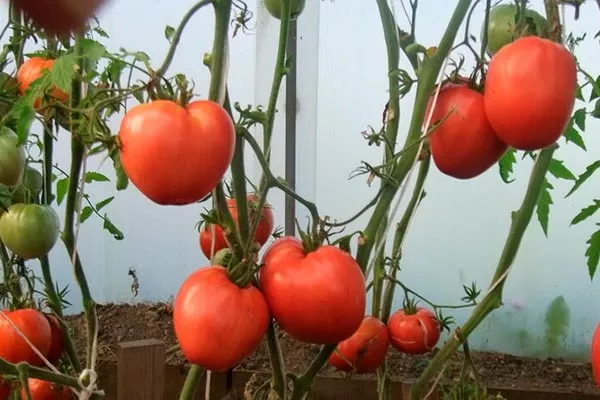
Tomatoes are highly productive. By following all the proper growing practices, impressive yields can be achieved – on average, 13-15 kg of tomatoes can be harvested from 1 square meter of planting. Farmers claim that a single bush can yield up to 6-8 kg of tomatoes over the course of a season.
Other characteristics
Tomatoes have a powerful defense system that prevents most diseases and viruses. However, if improperly cared for or during periods of increased disease pressure, the plant can be susceptible to tobacco mosaic virus and brown spot.
Among the insect pests that threaten tomatoes, whiteflies, spider mites, and mole crickets deserve special attention.
Other features:
- Before transplanting into the soil, seedlings should grow for at least 60 days. Experienced gardeners begin cultivating seedlings as early as February to ensure the plants have time to fully bear fruit.
- This variety is distinguished by its increased cold resistance and drought tolerance.
- In humid summer weather, the likelihood of fruit cracking is extremely low.
- The fruits have long-term storage properties and excellent transportability.
Growing seedlings
To determine the optimal time to sow Miracle of the Land seeds, a formula is used that counts back from the expected time the seedlings will be transplanted into open ground. This period is approximately 55-65 days.
Sowing typically begins on February 20th and continues until March 15th-18th. Please note that specific dates may vary depending on the climate in different regions of our vast country.
Sowing
Growing Chudo Zemli seedlings follows the same pattern as most other varieties. The preparation process involves several key steps:
- First, you need to select the ripest and largest seeds from your own grown tomatoes.
- After this, they are prepared. This requires some work: after selection, they must be disinfected by placing them in a concentrated solution of potassium permanganate for 20-30 minutes. Then, the seeds should be treated with water, placed on a damp cloth, and then stored in the refrigerator for 2-3 days.
- Soil preparation is also an important step. You can buy ready-made soil mix at a specialty store, but preparing it at home requires disinfection. This is done a few days before use with a pink solution of potassium permanganate.
The ideal soil mixture should be easily permeable to air and moisture, and usually consists of peat, compost and good garden soil.
Plant the seeds in a suitable container: a box, bin, or crate. The height should be at least 5-7 cm, and the depth of the planting hole should be 1.5-2 cm, with a distance of 3 cm between the seeds.
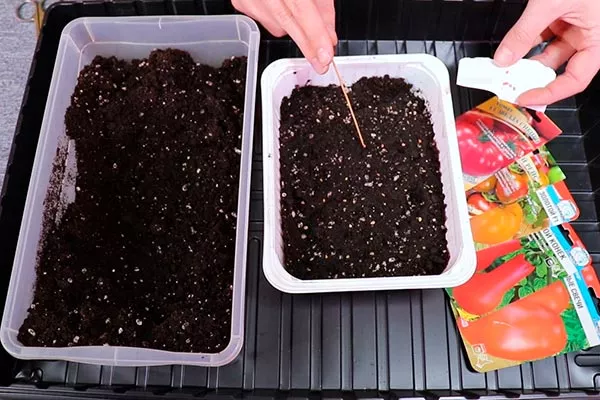
The process of planting seeds follows a standard pattern, which includes several stages:
- Start by filling the planting containers with potting soil.
- Form furrows. Make holes in individual pots.
- Place 2 seeds per hole.
- Cover the seeds with sifted soil.
- Then moisten the seedlings with a spray bottle.
- To maintain optimal humidity, create a mini-greenhouse by covering planting containers with film or glass.
- Place the crops in a bright, warm location at a temperature of +20…+23°C. Daily ventilation is recommended, temporarily removing the protective cover to remove condensation.
It is important to disinfect any soil before use: you can freeze it in the cold (for example, in the freezer), heat it at a high temperature (in the oven or microwave), treat it with a disinfectant solution (for example, Fitosporin, potassium permanganate, etc.) or steam.
Caring for seedlings
Once the seedlings emerge, reduce the room temperature to 19–20°C and remove the protective glass or plastic cover completely. If you didn't sow the seeds in every cup, thin them out, removing the weakest and smallest seedlings and leaving only the healthiest and strongest one after 2–3 pairs of leaves have emerged.
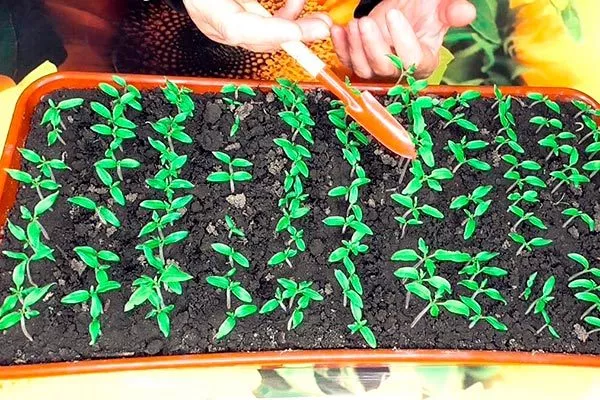
Other necessary work:
- To maintain optimal soil moisture levels, you should regularly spray growing plants with warm water that has been left to stand for 24 hours.
- Fertilizers should be applied once every two weeks using universal seedling fertilizers such as Orton or Zdraven, according to the manufacturer's instructions.
- Before planting seedlings in their permanent location, acclimate them to outdoor conditions. 10-15 days before transplanting, begin hardening off the plants by gradually increasing the time they spend outdoors, but the air temperature should not drop below 10–12°C. Gradually increase the time the tomatoes spend outdoors, from a quarter of an hour to several hours.
Growing tomatoes further
Miracle of the Land tomato seedlings that have already reached maturity and are ready for transplanting can be moved directly to open beds or to protected conditions (under a plastic canopy or in a greenhouse) without any intermediate steps.
Transplantation into the ground
In most regions of Russia, transplanting all tomato varieties, including Chudo Zemli (Miracle of the Land), typically occurs from late May to mid-June. If the soil is protected from frost, planting can begin 10-15 days earlier. By this time, the soil should be sufficiently warm (between 11 and 13°C), and the risk of overnight frost should be minimal.
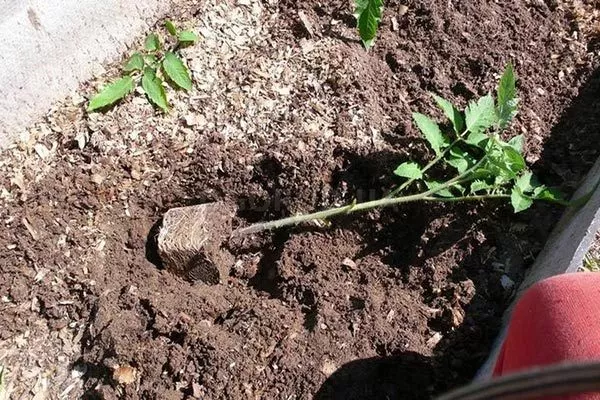
It is advisable to prepare a fertile site for tomatoes in advance by thoroughly digging the soil and adding the following components per 1 square meter:
- compost or humus – 7-8 kg;
- mineral nitrogen fertilizers (for example, ammonium nitrate or urea) in the amount of 30-35 g;
- 40-45 g Superphosphate;
- 200 g of wood ash.
The method for planting the Miracle of the Land tomato variety is as follows:
- One day before planting, prepare the seedlings by moistening them with sufficient water.
- In the prepared area, make holes of the appropriate size (50 x 50 cm) and at least 25-30 cm deep. If the soil has not been fertilized previously, add 2-3 kg of compost and a small amount of ash to each hole.
- Carefully remove the tomato plants from their planting containers, being careful to keep a lump of soil around the roots.
- Plant the seeds in the holes you prepared earlier. No more than three or four plants should be planted per square meter.
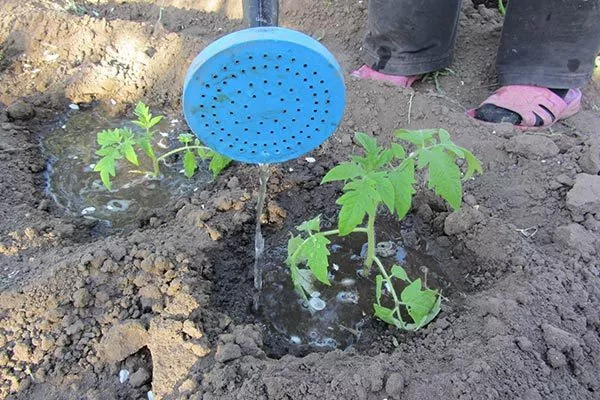
- Fill the hole with soil, compact it carefully and form a small depression in the tree trunk ring for future watering.
- Install supporting structures (pins, trellis, stakes, wooden blocks, etc.) and securely attach the plant to them.
- Moisten the tomatoes.
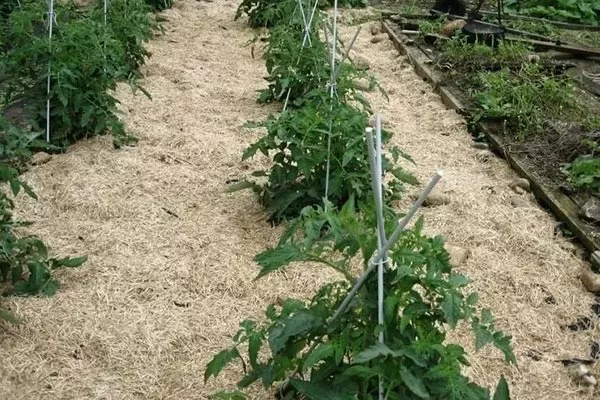
- Create a mulch layer of grass clippings, compost, wood shavings, shredded weeds, and other organic materials.
- ✓ The optimal soil temperature for transplanting seedlings should not be below +15°C, which is not indicated in the article.
- ✓ To prevent fruit cracking, it is necessary to maintain uniform watering, especially during the ripening period.
At the initial stage (for one to two weeks), it is recommended to use non-woven materials (lutrasil, spunbond, etc.) to protect young tomatoes from direct sunlight during the day and hypothermia at night.
Pinching out side shoots and garter
This tomato variety is tall, so when planting seedlings, it's important to provide support structures and regularly tie up the shoots. The supports must be sturdy.
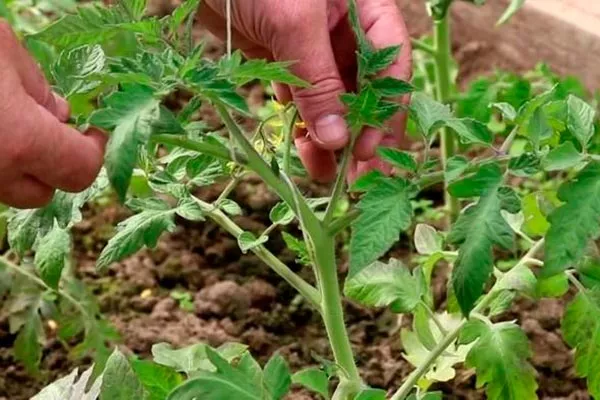
For this variety, it's important to remove side shoots. Initially, leave one or two stems. The side shoots are removed when they reach 8 cm, every week until they are fully formed in the second ten days of July. Leaves located below 30 cm from the ground are also removed.
Watering
Immediately after the young plants have taken root, they need to be watered regularly:
- if a drought occurs, water every 3-4 days;
- If rains are infrequent, then watering should be done once every 7-10 days.
Fertilizer and feeding
Caring for the Miracle of the Land variety involves at least three applications of fertilizer:
- during the stage of rapid foliage growth, nitrogen fertilizers such as urea or ammophoska are used;
- During the flowering and bud formation period, it is recommended to use organic fertilizers;
- When the fruits ripen, it is necessary to feed them with potassium-phosphorus compounds, for example, potassium monophosphate or superphosphate.
To speed up the absorption of fertilizers, you can reduce the concentration of the working solution by half and use it to spray the leaves.
Hilling and mulching
To ensure tomatoes receive the maximum amount of nutrients, they are hilled 3-4 times during the season. This promotes root development and, consequently, a larger yield. The mound is formed around the base of the plant.
- ✓ To increase yield, it is recommended to carry out foliar feeding during the flowering and fruiting period.
- ✓ Using organic mulch not only retains moisture but also helps improve soil structure.
In dry, hot weather, the soil can be protected by mulching, which will help retain moisture and prevent weed growth.
For this purpose, use:
- straw;
- bark of coniferous trees;
- hay;
- sawdust;
- pine needles;
- freshly cut grass.
Greenhouse growing rules
To ensure successful growth of the Miracle of the Earth in greenhouse conditions, it is necessary to provide the appropriate climatic factors:
- the humidity concentration in the air should be around 55-60% to avoid problems with late blight;
- the temperature regime should fluctuate between 27-30 degrees;
- It is important to carry out the process of pollination of tomatoes by shaking the branches.
Diseases and pests
Throughout the growing season, especially at the end of the season, problems can arise when conditions are unfavorable or care is improper. What most often affects this variety:
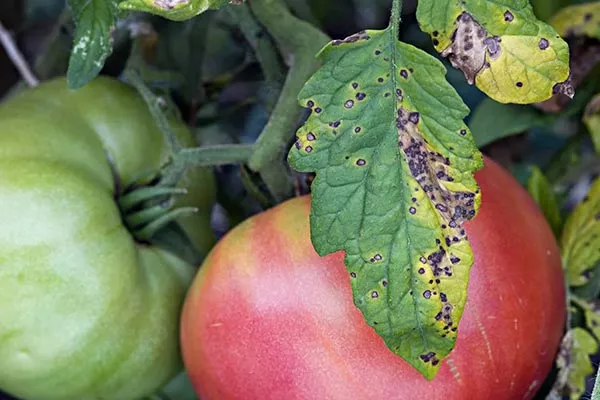
- Late blight. Symptoms of the disease include expanding brown spots on tomato stems and leaves, as well as on the fruit, which subsequently become hard. Fungicides, such as copper oxychloride, Thanos, Trichodermin, and others, are effective for prevention.
- Tobacco mosaic. This is a dangerous, incurable viral disease that manifests as a mottled, yellowish-green discoloration of the leaves. Infected plants must be removed and destroyed.
- Brown spot. A fungus that causes gray spots on leaves, which subsequently leads to leaf drying and fruit rot. Effective plant protection products include Ridomil Gold and Bayleton.
- Whitefly. To combat butterflies that envelop all tomato branches and immediately fly away when disturbed, Confidor is recommended. It can be sprayed on both the tomato plants themselves and the surrounding soil, including between rows.
- Spider mite. It is destroyed using acaricides such as Sanmite, Fufanon and others.
Pros and cons
These giant tomatoes, with their raspberry hue, contrast beautifully with the green foliage of the bush. This variety not only boasts exquisite flavor and attractive appearance, but also offers a number of other advantages:
Reviews
To feel like a true tomato grower, even if you have no experience growing this crop, plant the "Miracle of the Land" variety. By following basic gardening practices, anyone can reap a bountiful harvest. This variety is large-fruited and easy to grow, easily adapting to any conditions and weather changes.