
Miracle of the World is a late-ripening tomato with tall bushes and bright yellow fruits reminiscent of lemons. It is resistant to drought and most diseases, produces abundant and long-lasting fruit, and has a pleasant, slightly sweet flavor with a slight dessert note. It is versatile in cultivation: it thrives in open ground, greenhouses, and hotbeds.
History of variety selection
This tomato with an unusual name is the result of domestic breeding, developed in 1998. Following successful variety testing in 2001, the variety was included in the State Register of Breeding Achievements.
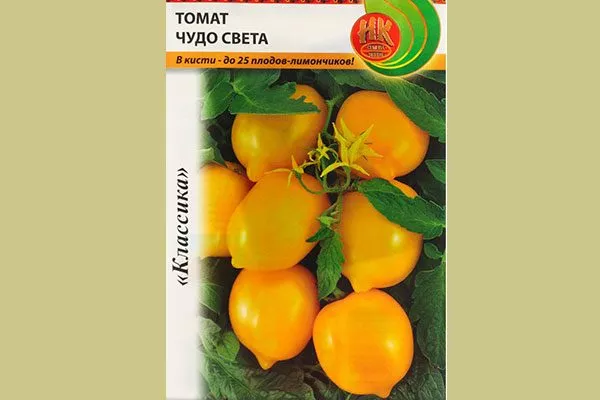
The breeders Vasilevsky V. A., Korotkov S. A., Nalizhity V. M. and Dynnik A. V. worked on the creation of the culture. The variety is suitable for cultivation in any region of Russia.
General characteristics of the Miracle of the World tomato variety
When choosing tomatoes for planting, gardeners often opt for easy-to-grow varieties with rich flavor, consistent yields, and a wide range of uses. The Miracle of the World tomato meets these requirements—it's not only delicious but also striking in appearance.
Appearance of bushes
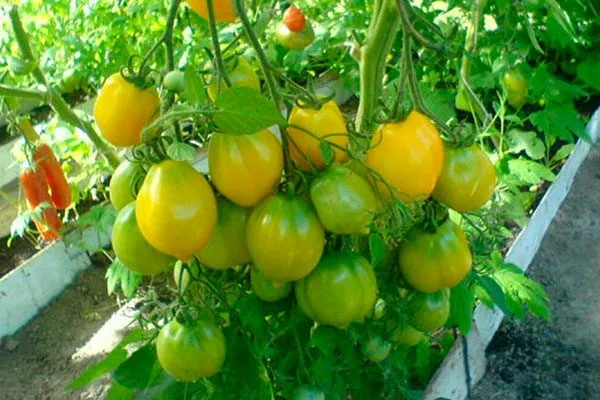
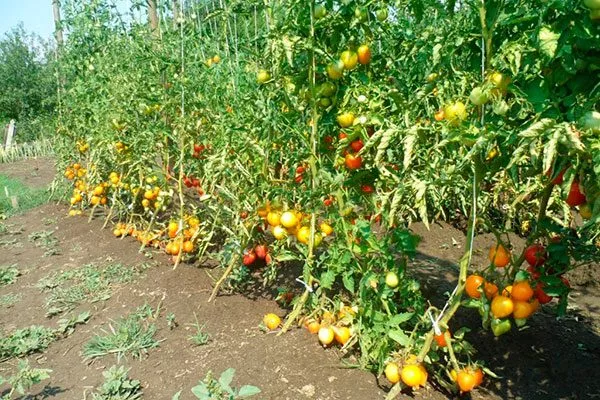
Tall indeterminate plants can reach 2-3 m in height. Distinguishing features:
- The bushes have moderate branching, a powerful root system that goes 1-1.5 m deep, and medium-leafy shoots with large, rich green leaves covered with silvery fluff.
- A characteristic feature of the plant is the curling of the edges of the leaf blades.
- Fruit clusters form on the central stems, usually there are up to six of them, each bearing 20-25 tomatoes.
- The first flower cluster appears after 10-11 leaves, the next ones – every 3-5.
Description of the fruits of the Miracle of the World variety
Miracle of the World is a medium-fruited variety – the weight of one tomato does not exceed 80 g. Distinguishing features:
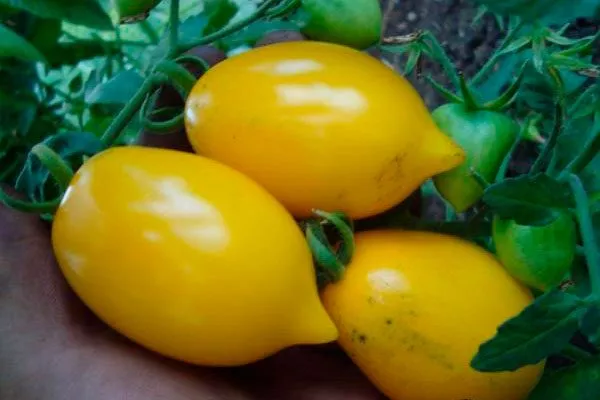
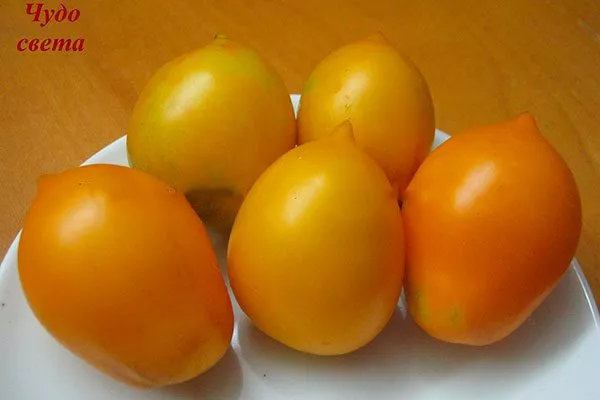
- The tomatoes have a neat, obovate shape, with a characteristic “nose” at the top and slight lateral ribbing.
- When ripe, the fruits are light green with a dark spot near the stem, which disappears when fully ripe, giving way to a rich yellow color. A ripe tomato resembles a lemon in appearance.
- The skin is elastic, with a shiny sheen, protecting the vegetables from cracks and damage.
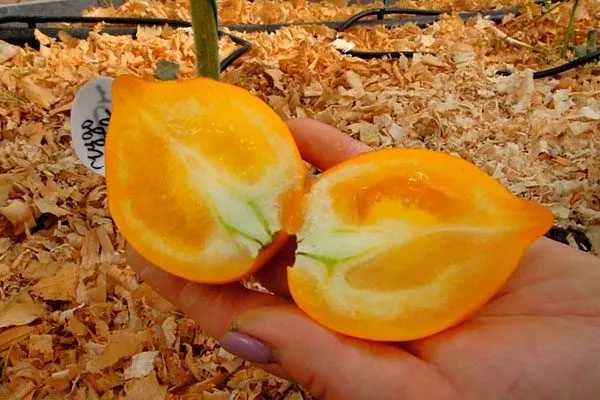
- The flesh is pale lemon-colored, juicy, fleshy and dense, with 3-4 seed chambers.
- The taste is sweet, with a subtle dessert aroma.
Ripening time and yield
Miracle of the World belongs to the category of late-ripening nightshade crops. It takes about 120 days from germination to fruit ripening. Fruiting is spread out: the first ripe tomatoes appear in late July, and the main harvest is in August, until the onset of cool weather.
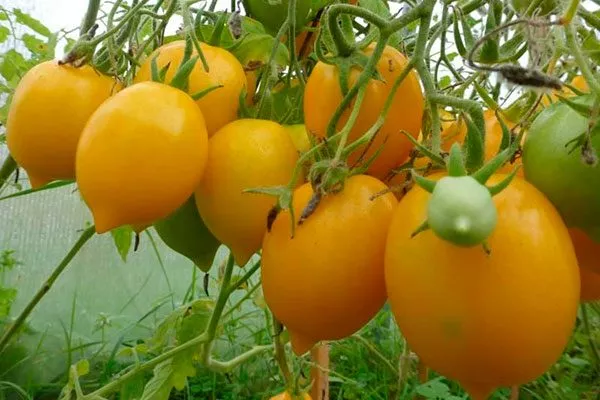
This variety is highly productive – under favorable conditions, a single bush can produce up to 8 kg of bright yellow fruit. On average, 1 square meter of planting yields 5.5-6.2 kg of tomatoes.
Areas of application of fruits
During prolonged rainfall and frequent cold snaps, the taste of tomatoes can change: the sweet flesh develops a slightly tart flavor with subtle spicy notes. Thanks to their high sugar content (up to 55%) and the presence of beta-carotene, the fruits are considered healthy and suitable for dietary use.
Tomatoes are primarily used in salads, but they are also used fresh and for pickling. They are also processed into sauces, juices, and other tomato products.
Resistance to diseases and pests
This variety is characterized by high resistance to late blight, despite its late ripening period. Plants are rarely affected by tobacco mosaic virus and brown spot, but preventative measures are still necessary.
The most dangerous pests are mole crickets, whiteflies, aphids, and spider mites. Insecticides are effective when they appear.
Features of planting and growing
The Miracle of the World tomato is successfully grown in greenhouses in virtually all regions—from southern to northern latitudes, with the exception of the Arctic zone. In open ground, this variety produces a stable harvest only in southern climates, such as the North Caucasus and Krasnodar Krai.
Planting tomato seeds for seedlings
Begin sowing seedlings at the end of February to allow the seedlings time to develop before transplanting into the ground. Carefully prepare the seeds beforehand.
Main stages:
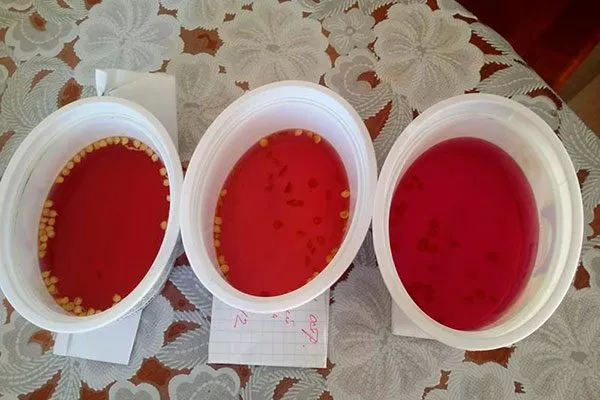
- Sorting. Soak the grains for 20-25 minutes in a salt solution (1 teaspoon of salt per 200 ml of warm water). Discard any that float to the surface. Rinse any remaining grains with clean water and dry.

- Disinfection. To protect against infections, treat the planting material in a 1% solution of potassium permanganate (20 minutes) or immerse it in hydrogen peroxide heated to 45°C for 7-8 minutes.
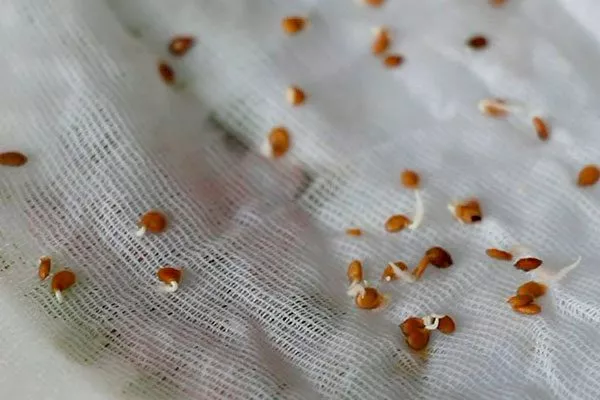
- Germination. Place the grains on damp cheesecloth or cotton wool and cover with perforated plastic wrap. Keep at a temperature of 22 to 25°C.
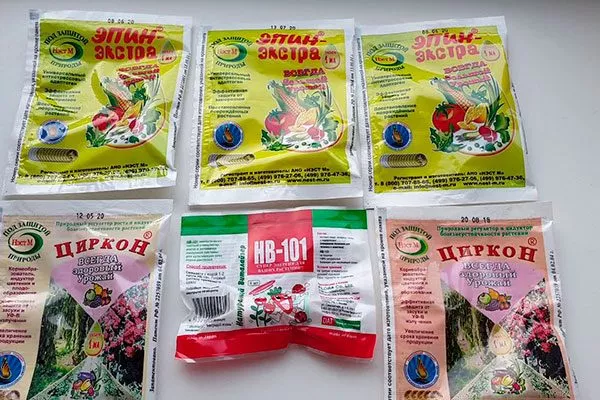
- Treatment with growth stimulants. To increase the yield, soak the seeds for 12 hours in Virtan Micro, Epic, Immunocytophyte preparations or in solutions:
- potato and aloe juice (1:1);
- potassium or sodium humate (0.5 tbsp. per 1 liter of water);
- ash infusion (1 teaspoon of ash per 1 liter of water).
- Hardening. Place the planting material in the refrigerator overnight (8…10°C), and then keep it at room temperature (20°C) during the day. Repeat this cycle 2-3 times.

Start sowing seeds:
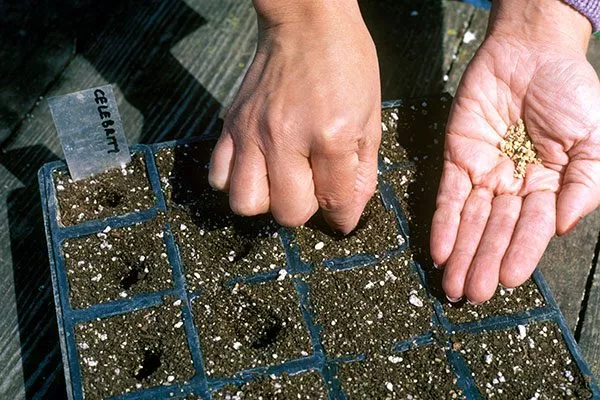
- Fill the containers with nutritious, store-bought soil.
- Make furrows 1-1.5 cm deep with a distance of 2 cm between seeds.
- Sprinkle, spray with warm water, cover with glass or film.
- Ventilate daily for 10-15 minutes.
- After the seedlings appear (after 10-14 days), remove the cover and move the containers to a cool place (+17…+19°C) so that the seedlings do not stretch out.
Conditions for growing seedlings
After sowing the seeds, it's important to create an optimal environment for seedling development. Key requirements:
- Temperature conditions: Daytime temperatures should be maintained at +22°C, and nighttime temperatures at around +18°C.
Watering: Regularly, as the top layer of soil dries out. Use warm, settled water.
Picking: carry out in the phase of two true leaves, if the seedlings were sown in one container. - Lighting: The room should be bright, with supplemental lighting if necessary. Place the seedlings on a bright windowsill, using grow lights if necessary. Supplemental lighting is especially important for the Chudo Sveta variety, as it is sown during the short-day period.
- Top dressing: Feed weak sprouts with a weak solution of organic or mineral fertilizers.
Transplanting seedlings into a greenhouse or open ground
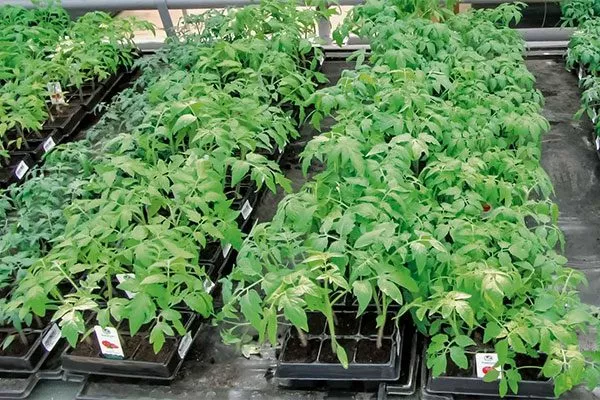
This heat-loving crop develops roots when the soil temperature is at least 15°C. It is recommended to transplant seedlings into the garden beds after the onset of stable warm weather, when the risk of recurrent frosts is minimal.

Step-by-step instructions:
- Dig holes about 50 cm in diameter and 40 cm deep.
- Place a mixture of humus and fertile soil layer at the bottom of each hole, add 200 g of wood ash and 20 g of complex fertilizer, then moisten well.
- Carefully place the seedling upright, pointing the top of the plant to the north.
- Cover the roots with soil and compact lightly.
- Water the seedlings with warm water.
- Mulch the root zone with organic materials – mown grass, hay or straw.
- Place a support next to the bush and tie the stem for support.
Further care of tomatoes
Caring for tomato plants is the key to healthy growth and a bountiful harvest. Regular cultivation helps plants develop fully and withstand adverse conditions.
Follow standard care procedures:
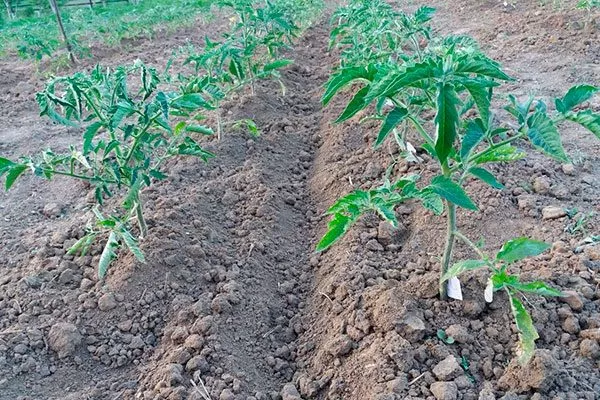
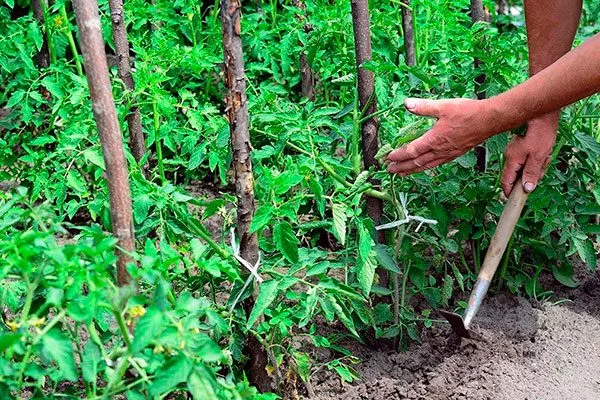
- Hilling. The first treatment is carried out 9-11 days after replanting, and the second treatment is carried out 2-3 weeks after the first. Before the treatment, be sure to moisten the bushes to stimulate new root growth.
- Weeding and loosening. Perform this every 1-2 weeks, depending on how quickly weeds grow in your garden beds.
- Top dressing. Essential throughout the summer: alternate mineral and organic fertilizers, especially when the bushes are not blooming. Fertilizers should contain nitrogen, phosphorus, copper, and boron. Nitrogen is only beneficial in early summer; it's best to eliminate it later to allow the fruit to ripen on time.
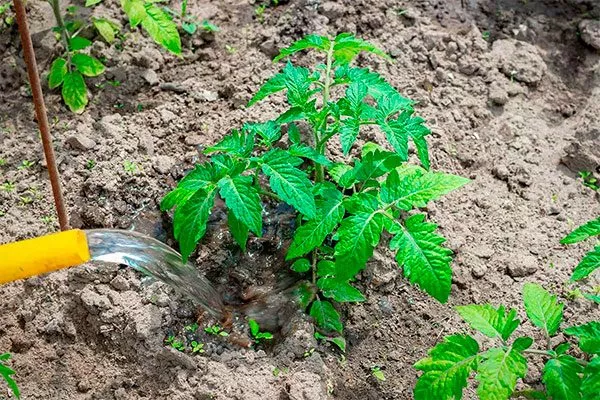
- Watering. Although the Miracle of the World variety is drought-resistant, it requires timely watering. Water the underside of the bushes once a week, up to twice a week in hot weather. Young plants require about 1 liter of water, while mature plants require at least 3 liters. Avoid overwatering the beds.

Disease prevention and pest control
The Miracle of the World tomato has a strong immune system, making it relatively uncommon for diseases to strike. The main threats to this variety are tobacco mosaic and brown spot.

For tobacco mosaic, remove affected parts of the plant and treat the cut surfaces with a potassium permanganate solution. To combat brown spot, use Zaslon, reduce watering, and improve ventilation. Treat brown spots with Ekran.
To strengthen the immunity of tomatoes in open beds, it is important:
- clear the area of weeds;
- disinfect the soil with fungicides;
- introduce beneficial soil microorganisms;
- Maintain an optimal distance between bushes to ensure good air circulation and uniform lighting.
Control pests (whiteflies, aphids, nematodes, Colorado potato beetles, and spider mites) with insecticides or biological products. Experienced gardeners often use strong-smelling infusions to repel insects, spraying them not only on the plants but also on the surrounding area.
The most damaging insects to crops are mole crickets, spider mites, and greenhouse whiteflies. Mole crickets are sensitive to pepper spray. In the spring, collect and destroy egg clutches, and in the fall, spread manure piles over the beds. Control spider mites with a soap solution, and greenhouse whiteflies with Confidor.
Pros and cons
Lemon-yellow tomatoes on tall bushes look impressive and appetizing. Besides their attractive appearance and excellent taste, these vegetables offer several important advantages:
Reviews
The Miracle of the World tomato is a popular variety. Its high yield, strong immunity, and excellent taste make it a popular choice not only for experienced gardeners but also for beginners. Despite the need for shaping and tying the bushes, this variety is worth the effort, delighting with consistent and delicious tomatoes throughout the season.