
Chio-Chio-San has earned the reputation of a valuable tomato variety due to its undemanding nature, distinct flavor, and good disease resistance. It can grow and bear fruit under a variety of conditions, making it an ideal choice for gardeners and farmers. The bushes will be abundantly covered with tomatoes, but with diligent care.
Historical background
The variety was developed by breeders at the Gavrish agricultural firm and entered into the State Register in 1999. It is recommended for cultivation both in open ground and in greenhouses.
The Gavrish agricultural firm was founded in 1993 and, over the course of its operations, has grown into a large enterprise with its own experimental base.
Description of the plant and external qualities of the fruits
This indeterminate variety grows to a height of 2 meters. Each cluster produces 50-60 ovaries. The first inflorescence appears above the ninth leaf, with subsequent inflorescences appearing every three leaves.
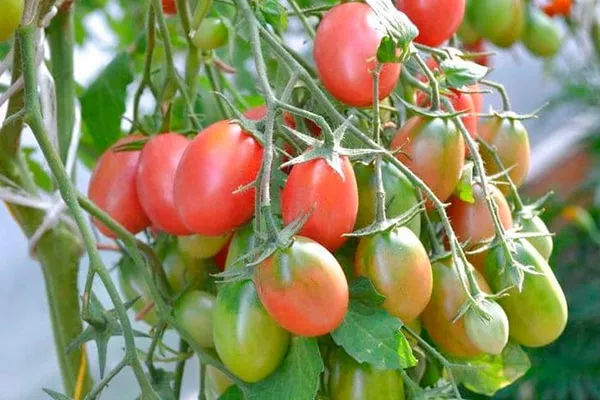
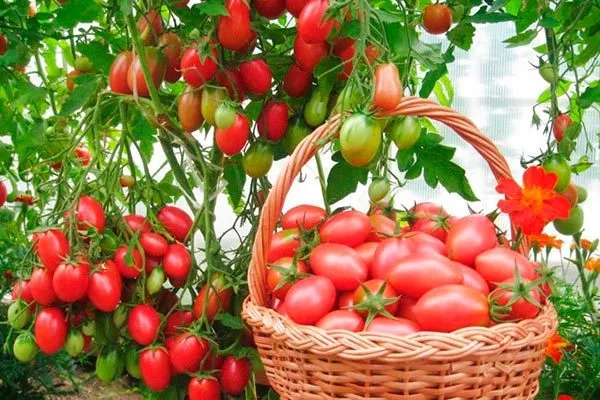
The tomatoes weigh between 35 and 40 grams. They have a slightly elongated plum shape and a bright red color. The flesh is dense, juicy, and meaty. They contain two seed chambers with a small number of seeds, and the skin is durable.
Varietal characteristics
This variety boasts numerous advantages that make it attractive to vegetable growers. Distinguishing features:
- The taste of tomatoes. The fruits have a slightly sweet, excellent taste, which is preserved both fresh and after canning.
- Productivity. Most tomatoes ripen simultaneously, while the remaining ones ripen over the course of a month. In greenhouses, growers can harvest up to 6 kg from a single plant, and at least 8 kg from a square meter with regular fertilizing. In open beds, yields are somewhat lower.
- Growing regions. The crop is adapted to various climatic conditions and is suitable for cultivation in Russia, Ukraine, Moldova, Belarus, and other countries with similar climates. It also produces fruit successfully outdoors in Siberia and the Far East.
- Resistance to adverse factors. The plant can withstand periods of rain and heat, but does not tolerate significant drops in temperature.
- Usage. Tomatoes of this variety are versatile. They are suitable for whole-fruit canning, salads, freezing, and drying. Their thick skin prevents cracking during canning, and their fleshy flesh makes them especially delicious.
- Ripening and fruiting. It belongs to mid-season varieties – the fruits begin to ripen approximately 120 days after emergence.
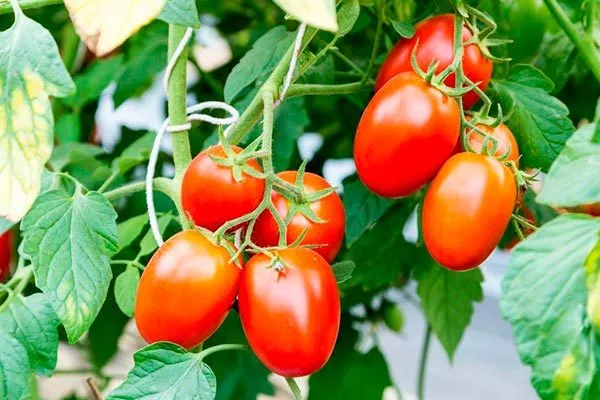
Chio-Chio-san is resistant to late blight and other common diseases. This variety is an excellent choice for those looking for a versatile and reliable tomato with excellent flavor.
Planting operations
Seeds for seedlings are sown two months before the expected planting. Preparatory procedures aimed at improving the quality and increasing the number of seedlings are especially important.
- ✓ The optimal soil pH for tomato seedlings should be in the range of 6.0-6.8.
- ✓ The soil must contain at least 3% organic matter to provide nutrients.
Container and soil
To prepare the soil, mix equal parts garden soil, compost, and peat, adding washed river sand to improve the structure. Mix the mixture thoroughly and disinfect it by dousing it with a hot solution of potassium permanganate or steaming it in the oven at 60°C for 10 minutes.
Place the cooled soil into planting containers with drainage holes. Add small pebbles or sawdust to the bottom for drainage. Plant in a shared wooden box or in individual containers.
How to prepare seeds?
First, carefully inspect the seed, discarding any dark, small, or damaged seeds. Then follow these instructions:
- Place the seeds in a salt solution to check for hollowness; any seeds that float to the surface are unsuitable for planting. Prepare the salt solution by dissolving 1 teaspoon of salt in a glass of water.
- Disinfect the planting material in a weak solution of potassium permanganate for 20 minutes, rinse with running water and dry thoroughly.
- Harden off the seeds. This is especially important when growing in colder regions. Place the seeds on the bottom shelf of the refrigerator for 24 hours, then warm them at 25°C for another day.
Hardening off seeds is recommended only for experienced gardeners, as it's a complex procedure that, if performed incorrectly, can destroy all seeds. To improve germination, soak the seeds for 11 hours in a growth stimulant, such as Epine.
Sowing seeds
Sow the seeds 1 cm deep, leaving 3-4 cm between them. Lightly sprinkle soil on top, compact gently, and moisten with warm, settled water using a spray bottle.
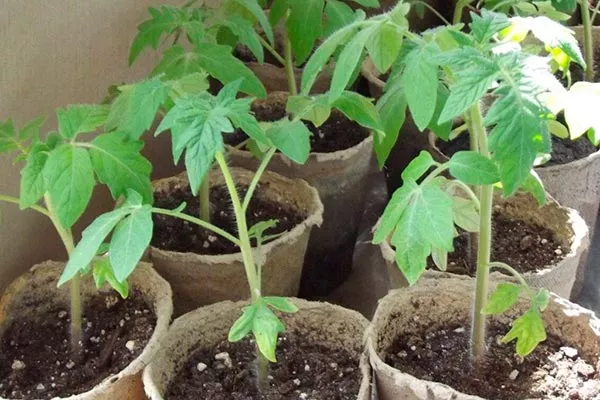
Cover the containers with plastic wrap to create a greenhouse effect and place them in a warm, bright location at 25°C. You'll see the first shoots in just a week.
Caring for growing tomatoes, picking and hardening
From now on, the seedlings need to be regularly watered with warm water, applying it directly to the roots, avoiding moisture on the green parts of the seedlings. Water as the top layer of soil dries out.
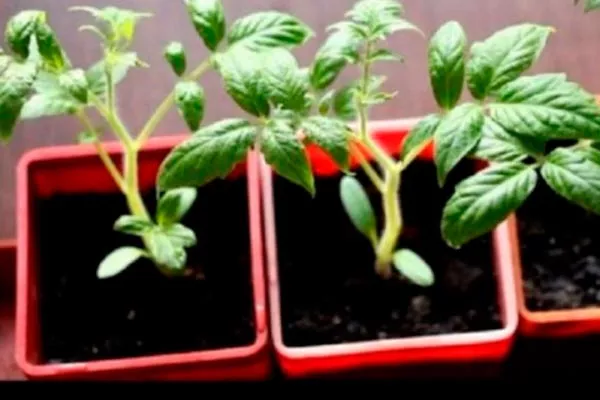
- ✓ Picking should be done when the plants have 2-3 true leaves.
- ✓ The soil temperature during picking should not be below +18°C.
Other important procedures:
- Once the plants have developed several permanent leaves, transplant them into larger pots. Peat pots are convenient for this purpose; these can then be planted along with the plant in its permanent location.
- Fertilize the seedlings with nitrogen 10-12 days after transplanting. Fertilize again after two weeks.
Transfer - rules
Before planting seedlings, thoroughly prepare the soil in the beds or greenhouse: remove any remaining vegetation, add organic matter, and dig the soil to the depth of a spade. Perform this procedure when the soil and air temperature reaches 14-16°C.
Helpful tips:
- Plant the seedlings in rows, digging holes 40-50 cm apart. The distance between rows should be approximately 60 cm.
- Place a handful of wood ash and 25 g of superphosphate at the bottom of the holes, then cover with a layer of soil.
- Place the seedling in the hole with a lump of earth or a peat pot, then fill it with soil, compact it and moisten it.
To retain moisture and improve growing conditions, mulch the top of the bed, for example, with straw or peat.
Further care of mature bushes
Caring for Chio-Chio-San tomatoes doesn't require much effort. It's important to follow simple gardening practices to ensure bountiful harvests in the future:
- Watering rules. Water the seedlings 2-3 times a week, ensuring the soil is moist to a depth of 20-30 cm. Water in the evening, warming the water in the sun beforehand. Cold water can cause root rot in this variety.
Water the plants only at the roots, avoiding moisture on the leaves and stems. This will help prevent sunburn. - Loosening the soil. After each watering or rain, loosen the soil around the roots to break up any dry surface crust. At the same time, remove weeds by the roots.
- Mulching. After loosening the soil, cover it with a 4-6 cm layer of mulch. Use straw, mown grass, or peat as mulch.
- Application of fertilizers. Two weeks after repotting, apply nitrogen-containing fertilizer. Then, fertilize every 10-15 days.
Fertilize by alternating organic and mineral fertilizers. Use phosphorus-rich fertilizers during flowering, and potassium-rich fertilizers during fruiting to speed up fruit development.
Features and possible difficulties
When planting indeterminate tomatoes, such as Chio-Chio-San, it's important to consider their tall growth habit, which requires staking. When transplanting the seedlings into the ground, install a wooden or metal support, and gradually tie the stems and fruiting branches to it.
Another trellis option is to use a horizontal trellis. To do this, install metal supports on both sides of the bed, stretch wire between them, and secure the plants to the wire with soft fabric straps.
Remember to regularly remove side shoots. Train the bushes with one, two, or three stems. For denser plantings, choose a single stem to avoid crowding, while training with two or three stems will maximize the number of tomatoes.
Pest and disease control
The crop is resistant to late blight and tobacco mosaic, but this doesn't eliminate the need for preventative measures. To boost plant immunity and improve yields, follow these agronomic practices:
- regular loosening of the soil;
- weed removal;
- moderate watering;
- humidity control in garden beds;
- ventilation of greenhouses and other closed structures.
It's equally important to monitor for insect pests, including aphids, Colorado potato beetles, whiteflies, and slugs. Plant strong-smelling plants near tomatoes to protect them from many pests.
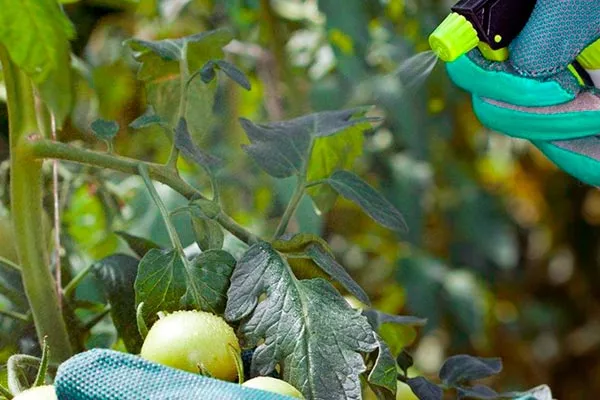
Pests can destroy up to 70% of seedlings. To prevent pest infestations, use pheromone traps and regularly inspect your plantings. If insect damage is significant, use insecticides such as Actellic, Fitoverm, Aktara, Confidor, and Karbofos.
Harvesting and storage
Begin harvesting in July. Tomato storage life depends on the ripeness of the fruit and storage conditions:
- Pick slightly unripe fruits and store them indoors at 18-22°C. They will ripen within a few days. These fruits can be stored for up to 1-2 weeks.
- Fully ripe tomatoes will keep for 3-5 days at room temperature. For longer shelf life, refrigerate them, where they'll stay fresh for up to 7 days.
Similar tomato varieties
| Name | Ripening period | Disease resistance | Growth type |
|---|---|---|---|
| Cio-Cio-San | Mid-season | High | Indeterminate |
| Grozdevoy | Early maturing | Average | Indeterminate |
| Adjutant | Mid-season | High | Indeterminate |
| Amish red | Mid-season | High | Determinant |
| Pink raisins | Early ripening | Average | Indeterminate |
| Octopus raspberry cream | Mid-season | High | Indeterminate |
If you can't obtain planting material for the original Chio-Chio-San, you can grow varieties similar in key characteristics. Analogues and their characteristics:
- Grozdevoy. An early-ripening hybrid growing to a height of 2.2-2.6 m. Oval-shaped fruits weighing 70-90 g are produced in clusters of 6-8. The red tomatoes have a pointed tip, firm flesh, and a sweet flavor. Plants are resistant to heat, stress, and cracking. Recommended for indoor cultivation.

- Adjutant. A tall greenhouse hybrid, ripening 115 days after germination. The fruits are red, elongated, cigar-shaped, weighing 80-100 g. The yield is 4.5 kg per plant.
- Amish red. The bush grows 140-150 cm tall, best trained with 2-3 stems. Plum-shaped tomatoes weigh 70-90 g and grow in clusters of 5-6. The flesh is firm, sweet, and slightly juicy.
- Pink raisins. This early-ripening variety matures in 90-100 days and is suitable for both greenhouses and open ground. The oval-shaped fruits, weighing 60 to 140 g, are produced in clusters of 5-8. The flesh is sweet and has a distinct aroma.
- Octopus raspberry cream. A 2.5 m tall hybrid for greenhouses. Each bush produces up to 8 clusters with 8-10 plum-shaped tomatoes weighing up to 100 g. The flesh is firm, with a sweet and sour flavor. The plant is resistant to disease, drought, and heat.
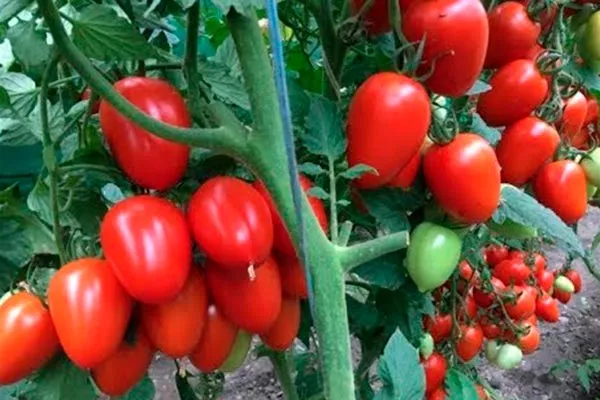
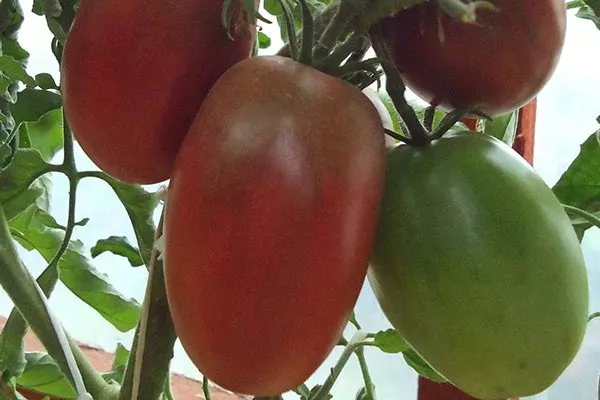
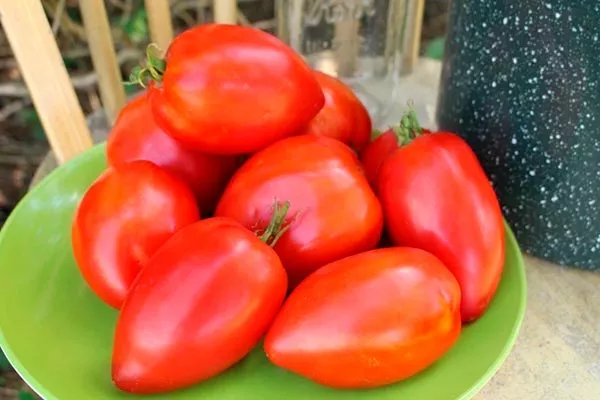
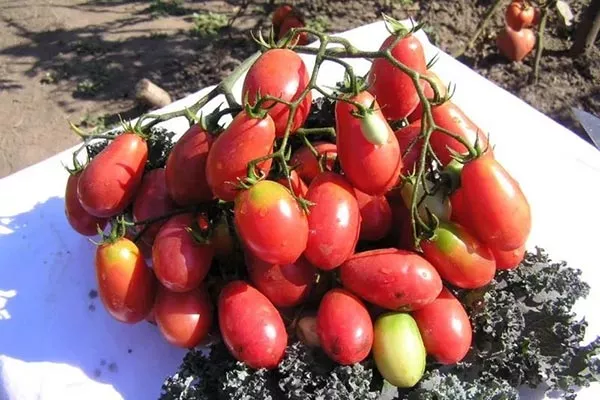
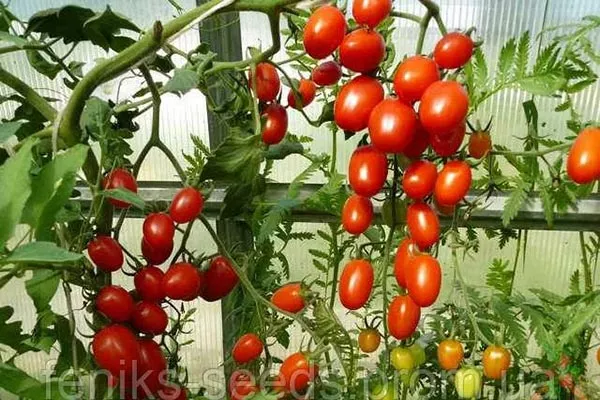
These are popular varieties that are in no way inferior to the Chio-Chio-San variety, but planting several varieties with different ripening times at the same time can significantly increase yields.
Pros and cons
The crop has many characteristics and advantages, but it is not without its drawbacks. Among its advantages, gardeners note the following qualities of the tomato:
Several negative qualities of the variety are noted: low temperatures negatively affect the plants, and ripe fruits should not be left on the bushes, as they may crack if overripe.
Reviews
The Chio-Chio-San tomato will appeal to gardeners who value good productivity, excellent flavor, and disease resistance. With proper care, it yields generous tomato harvests. This variety attracts attention not only with its unusual name, but also with its low maintenance, ability to be transported over long distances, and excellent shelf life.