
The Cherry Kraski tomato is a popular hybrid that combines early maturity, excellent flavor, and good productivity. It is characterized by disease resistance, cold tolerance, and excellent transportability. To strengthen the plant's immunity and increase yields, proper care and timely agricultural practices are essential.
Historical facts and cultivation area
Before this hybrid hit the market, it had to undergo a long development process, including not only the creation process but also two years of breeding trials. Cherry tomato seeds first went on sale in 2017.
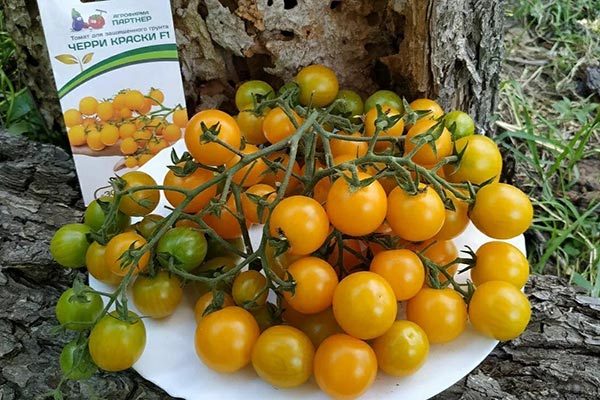
The variety quickly gained popularity, and just two years later it was added to the Register of Breeding Achievements of the Russian Federation. The cultivar's creator and originator is V. I. Blokin-Mechtalin, director of the agricultural firm "Partner."
Cherry blossoms are listed in the registry as a first-generation hybrid. It is recommended for cultivation under light plastic cover in private farms.
Description of bushes and fruits
It belongs to indeterminate varieties – there are no restrictions on growth, but the height of the bushes depends on growing conditions.
Distinguishing characteristics:
- The shoots reach 2-2.5 m in height, requiring support. This variety doesn't typically produce many side shoots. The shoots are flexible and light green.
- The leaves are medium-sized, narrow and slightly elongated, with serrated edges and a dark green color.
- The flowers are small, resembling miniature bells.
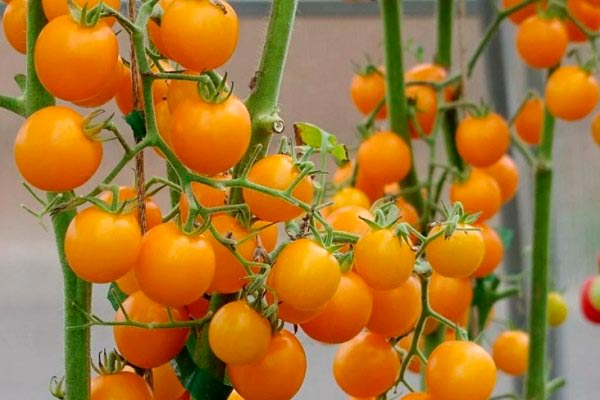
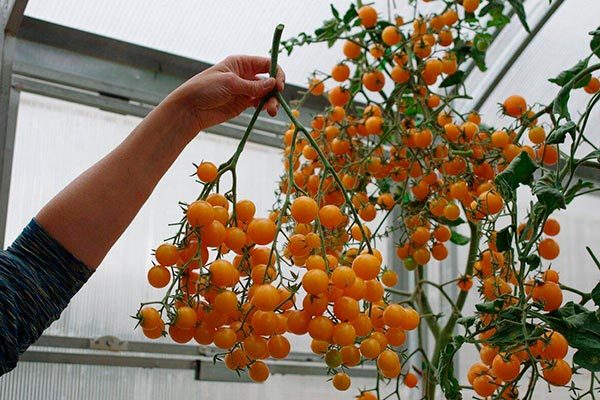
- Tomatoes form dense clusters, similar to grapes, with the first cluster forming above the ninth leaf, and subsequent clusters every two to three leaves up to the very top. Each cluster produces 20-30 tomatoes.
- The vegetables are round, have a soft skin, and are bright yellow (possibly with an orange tint when fully ripe). They weigh between 20 and 25 grams.
Despite their thin skin, the fruit is resistant to cracking thanks to its dense flesh. This gives Cherry Paint a significant competitive advantage: it can be transported over long distances, has a long shelf life in cool, dark places, and retains its shape when canned.
Taste properties and subtleties of use
Tomatoes have excellent flavor. These dense, fleshy-walled vegetables, containing only two juicy chambers, have a sweet taste with a light fruity aftertaste.
One of the variety's key characteristics is its versatility. These tomatoes are ideal for salads, appetizers, preserves, and garnishing dishes, but they are most often eaten fresh thanks to their unique cherry-like flavor.
Resistance to adverse factors and regionality
Cherry Paint is a cold-hardy hybrid. It tolerates damp and cool weather well, but is intolerant of frost. The variety has a strong immune system and is resistant to fusarium wilt, tobacco mosaic virus, verticillium wilt, and cladosporiosis.
The crop is successfully grown in greenhouses throughout Russia. Seedlings are planted in open ground primarily in the south and central regions.
Ripening time and productivity
This is an early-ripening variety, with the ripening period being 95 days after mass germination. Fruiting begins in early July and continues until the end of September, when the average daily temperature drops to 10°C. New fruit clusters are constantly forming on the bushes.
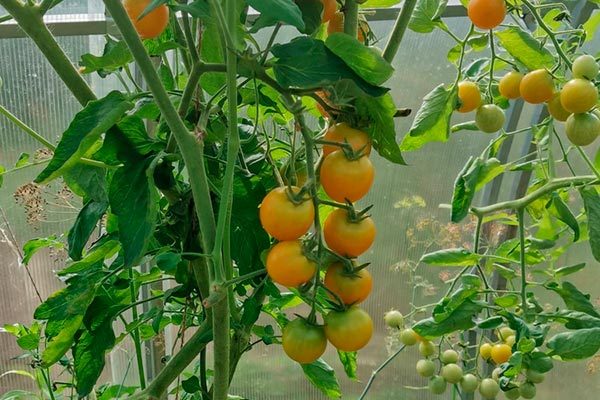
Tomatoes on a single bunch ripen simultaneously, so pick them whole bunches. This is a high-yielding hybrid: with proper care, each greenhouse plant can yield up to 3 kg of tomatoes. Outdoor yields are lower, around 2-2.5 kg.
How to grow Cherry tomato F1?
Cherry tomatoes are grown using seedlings, primarily in protected soil. Follow these recommendations:
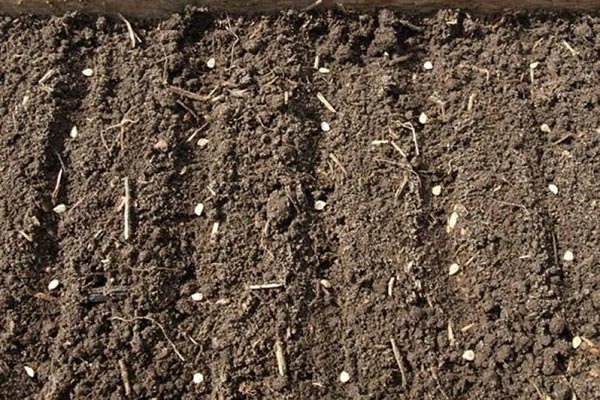
- To obtain high-quality seedlings, sow the seeds at the end of March. First, soak them for half an hour in a weak solution of potassium permanganate, then rinse and place them in a growth stimulator for 30-40 minutes.
- Place the prepared seeds in plastic containers with moist store-bought potting soil or a mixture of equal parts peat, sand, and garden soil. Cover with a 2 cm layer of soil and cover with transparent film to create a greenhouse effect.
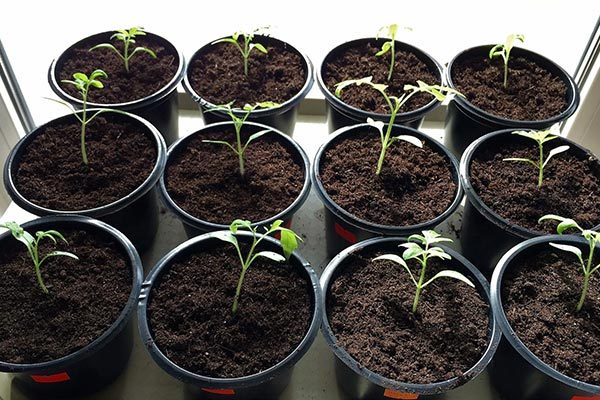
For rapid germination, provide 12 hours of daylight and a temperature of +22-25°C. - As soon as the first sprouts appear, remove the film and move the containers to a cooler location. When the plants have four true leaves, transplant them into individual plastic cups.
- Provide the seedlings with proper care, including regular watering and fertilizing.
- ✓ Optimum soil temperature for seed germination: +22-25°C.
- ✓ Required seeding depth: up to 2 cm.
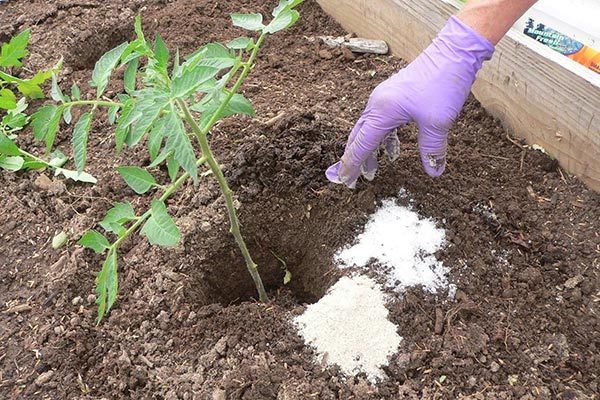
Transplant the seedlings into the greenhouse in the first ten days of May. Carefully remove them from the cups, preserving the root ball, and plant them in the prepared holes. Moisten the seedlings with warm, settled water and provide secure support.
Care instructions
To obtain a good harvest and improve the taste of the fruit, it is important to follow several key agricultural practices.
Follow standard care procedures:
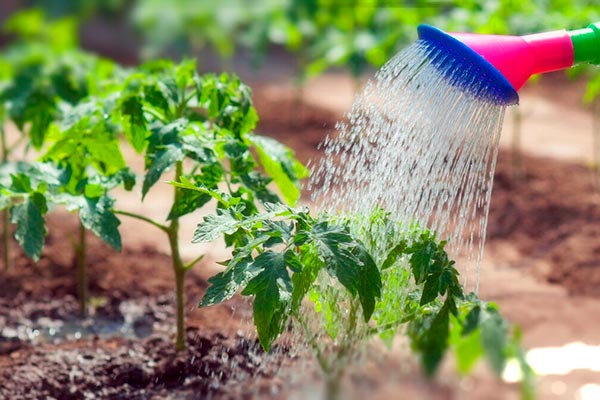
- WateringMoisten the soil under the bushes as the top layer dries out; once a week is sufficient. Use settled, warm water, pouring it directly under the roots, avoiding contact with the leaves.

- FertilizingFertilize several times per season. During the period of active growth, use phosphate or nitrogen-containing fertilizers, then organic and complex mineral fertilizers to improve fruiting.
- Soil cultivationLoosen the soil regularly to ensure better oxygen access for the roots and prevent waterlogging, which can lead to fungal diseases. Weed the area around the tree trunks and between the rows to remove weeds that compete with plants for water and nutrients.
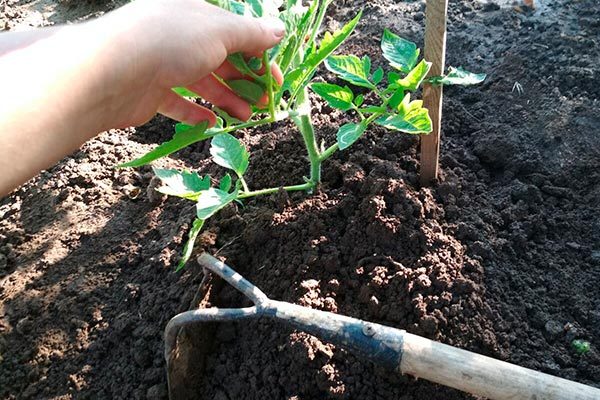
Forming a bush of Cherry tomatoes
Train the plants with 2-3 stems, promptly removing wilted leaves, dried out shoots, and excess shoots. Trim lower leaves gradually to prevent cracking.
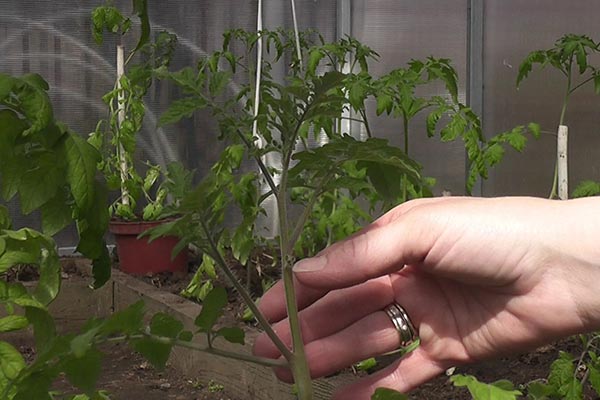
Remove foliage until you've removed all shoots below the first fruit cluster. To support the shoots, tie them to a support with soft twine, wrapping the stem under each internode. At the same time, remove side shoots—those growing from the leaf axils.
Pest and disease control
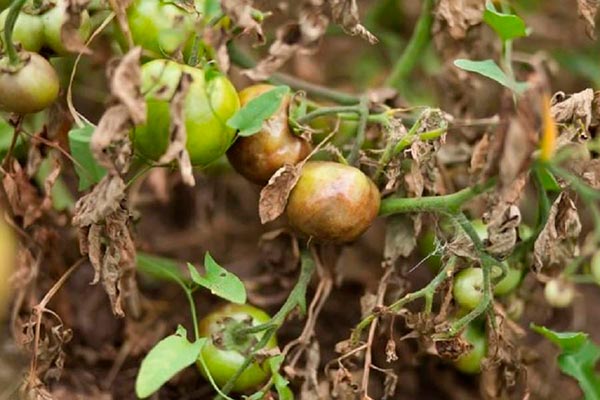
Although the hybrid is resistant to major diseases, it can be susceptible to late blight under unfavorable conditions. Signs and treatment options are described below:
- This fungal disease occurs both in open ground and in greenhouses. The pathogen's spores survive in the soil for a long time and primarily affect the plant's root system. Over time, the infection spreads to the leaves and fruits, which become covered with brown spots and begin to rot.
- The main factors contributing to the development of late blight are high humidity and significant temperature differences between day and night.
- To protect the harvest, treat the plantings with Fitosporin.
Tomato roots can be damaged by mole crickets. When digging the soil, remove the pests by hand. An effective remedy is a solution of 10 grams of hot red pepper diluted in 10 liters of water; pour this into the insect burrows. Additionally, sprinkle ground pepper on the soil under the bushes.
Pros and cons
Gardeners note that the hybrid has its pros and cons, which are important to consider before growing seedlings and transplanting them into the ground. The main advantages of Cherry Tomatoes:
Reviews
Cherry Kraski is a popular tomato hybrid, suitable for gardeners who value a consistent harvest and high-quality, deform-free vegetables. This variety is easy to care for, has a strong immune system, and thrives in a variety of climates. It requires careful care to produce large, fleshy, and delicious fruits.