
The Prune tomato was developed by Russian breeders back in the last century and remains in demand today. These dark, almost black, tomatoes have the perfect firmness and sweetness. They are eaten fresh and used to decorate vegetable salads. The plants are hardy and require minimal care.
Description of the plant and fruits
This cultivar combines tallness and compactness. Indeterminate bushes can reach 2 m in height, yet remain neat. The leaves are light green. Simple clusters produce 6 to 8 fruits each.
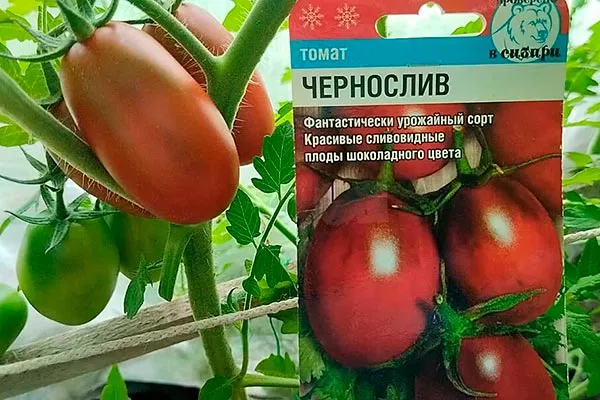
Distinctive features of tomatoes:
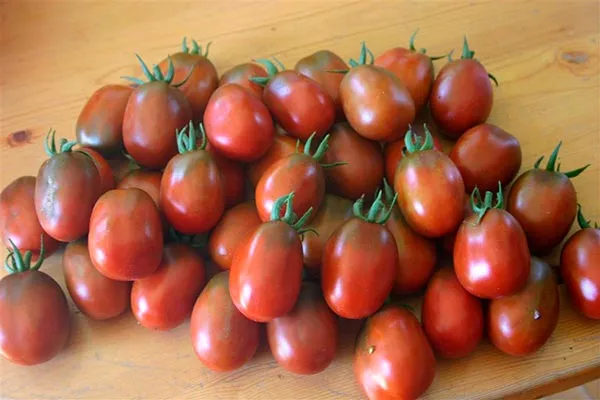
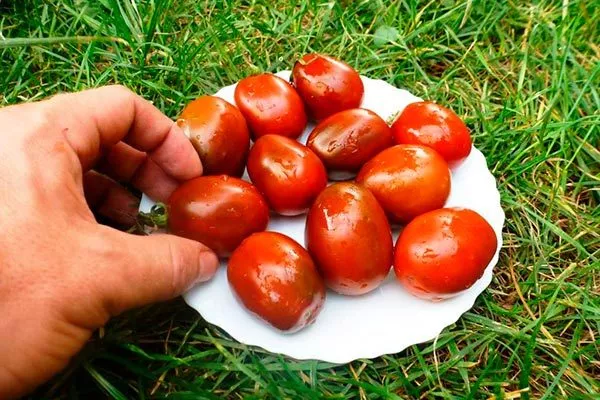
- They have a characteristic plum-shaped form and an average weight of up to 120 g.
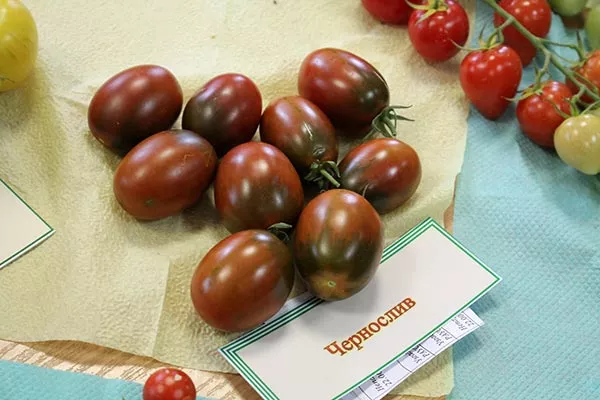
- As the fruit ripens, the skin darkens, acquiring shades ranging from chocolate and deep burgundy to purple and deep cherry. The most intense color appears with sufficient sunlight, while insufficient heat causes the color to fade.
- The skin is shiny, dense and beautiful, ensuring good transportability and storage for up to two months.
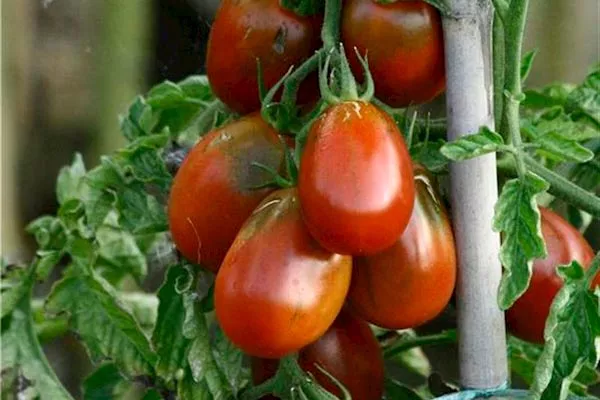
Prune tomatoes are distinguished by their rich flavor, juiciness, and sweetness. They are used both fresh and for canning. Their thick skin prevents them from cracking during cooking. These vegetables are used for:
- preparing summer salads;
- production of tomato paste and juice;
- creation of sauces, gravies and ketchups;
- side dish for meat dishes.
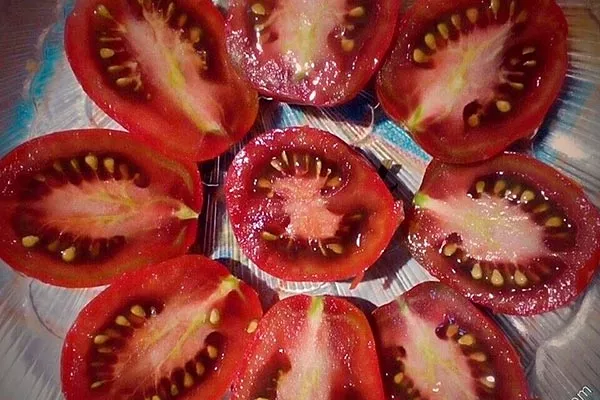
Their unusual color and shape make them an excellent decoration for holiday dishes and salads.
Characteristics
This crop has many positive qualities, making it a popular choice even for novice gardeners. Carefully study the characteristics of the Prune variety before planting:
- Ripening periods. This variety is mid-season. The vegetables ripen 120 days after sowing.
- Productivity. It yields about 5 kg per bush, but with insufficient care this figure can decrease significantly, and the taste of the fruit can deteriorate.
- Resistance to adverse conditions, regions. The variety is characterized by high stress resistance and the ability to adapt to extreme weather conditions.
- Resistance to diseases and pests. The bushes have a strong immune system, but for preventative purposes, treat them with specialized products during the active growth period. Weed the beds regularly to minimize the risk of diseases and pests.
The Prune tomato demonstrates good tolerance to low temperatures and sudden changes in temperature, making it successfully grown even in regions with cool and unstable summer climates. Bushes are planted in the following areas:
- Northern regions – in greenhouses and hotbeds.
- Central Russia – in open ground and in shelters.
- Southern regions – mainly in open beds, where the crop produces a high yield due to the abundance of warmth and sun.
The crop is suitable for regions with short or cool summers – the Urals, Siberia and the Far East, but only if grown in protected soil.
Landing features
Successful tomato cultivation depends on proper seed preparation, seedling care, and timely planting. The optimal time for sowing is 50-60 days before transplanting. In most regions, this is late February or March.

Prepare the planting material: select large, high-quality seeds, soak them in a potassium permanganate solution for 20 minutes to disinfect, then rinse with water. To stimulate growth, soak the seeds in a stimulator (Epin, Zircon) or an ash solution for 8-12 hours. To germinate, wrap them in a damp cloth for 1-2 days.
Sowing seeds:
- Fill the containers with loose and fertile soil mixture (garden soil, humus and sand in equal parts).
- Make furrows 1-1.5 cm deep, place the seeds at a distance of 2-3 cm and cover them with a thin layer of soil.
- Spray with warm water and cover with film or glass to create a greenhouse effect.
- Place the containers in a warm place with a temperature of +22…+25°C.
After the first sprouts appear (in 5-7 days), remove the covering and move the containers to a bright windowsill. Provide the seedlings with 12-14 hours of light, using grow lights if necessary. Water sparingly to avoid waterlogging.
When the seedlings develop 2-3 true leaves, transplant them into individual cups. This will provide the plants with more space for root development.
Proceed with planting on the site:
- Plant the seedlings in the ground when the danger of frost has passed and the soil has warmed to 12–15°C. In the fall, add organic fertilizer (humus, compost). In the spring, dig over the beds, adding superphosphate and ash. Two weeks before planting, disinfect the soil with a copper sulfate solution (1 tablespoon per 10 liters of water).
- Plant tomatoes in a 50x40 cm pattern. Add a handful of humus or compost to the holes and mix it into the soil. Transplant the seedlings with the root ball. Water each plant with warm water and mulch the soil.
- ✓ Optimum soil temperature for planting seedlings: +12…+15°C.
- ✓ Recommended planting pattern: 50x40 cm to provide sufficient space for growth.
Subtleties of agricultural technology
To ensure healthy plants and a bountiful tomato harvest, follow these standard care guidelines:
- Watering. Water regularly and moderately, depending on the soil conditions. Use warm, settled water (20…22°C). Water 4-5 times a week before flowering, and once every 2-3 days during fruiting.
- Loosening and mulching. After each watering, gently loosen the soil to improve air access to the roots. To retain moisture and prevent weed growth, mulch the soil around the bushes (with dry grass, straw, or peat).
- Weeding. Remove weeds to prevent them from drawing nutrients from the soil and creating favorable conditions for pests.
- Top dressing. 10-14 days after planting the seedlings, apply organic fertilizers (mullein infusion, chicken manure) or complex mineral fertilizers. During flowering, use potassium-phosphorus fertilizers to stimulate fruit set. Repeat every 2-3 weeks, alternating organic and mineral fertilizers.
- Formation of bushes and garter. Remove side shoots, leaving one or two main stems. This allows the plant to focus its energy on fruiting. Trim the lower leaves to improve ventilation and prevent contact with wet soil.
Tie the shoots to a support (twine, trellis or stakes) to prevent breakage and make harvesting easier. - Prevention of diseases and pests. Spray with copper-based products (Bordeaux mixture, Hom) or biological products (Fitosporin). Monitor the humidity in the greenhouse and ventilate it to prevent fungal diseases.
Pros and cons
One of the distinctive features of the Prune tomato is its unusual fruit coloring, which immediately attracts attention. The variety's advantages include:
No significant disadvantages have been identified for this crop, but with insufficient care there is a risk of reduced yield and even death of the bushes.
Similar tomato varieties
There are several varieties on the market that are similar in characteristics to prunes. The following are some of the similar varieties:
| Name of the variety | Description | Peculiarities |
| Chocolate cream | The bushes are tall and semi-spreading. The fruits are reddish-brown with a chocolate tint, elliptical in shape, and weigh 30-50 g. They are sweet, juicy, and have a classic flavor. | Early ripening. These tomatoes are versatile. They require staking and training. They are resistant to heat, drought, and sudden temperature changes. |
| Black plum | The bush is indeterminate, reaching a height of up to 2.5 m. The skin color ranges from dark red to purple-brown. Fruits weigh 45-55 g. They are sweet and have a rich flavor. | They ripen within 120 days. Plants are grown outdoors and require staking and training. They ensure long-lasting fruiting and are suitable for fresh eating and canning. |
| Monisto | The bushes are indeterminate and reach a height of up to 2 m. The tomatoes are brown in color, weighing 35-40 g, with a sweet taste. | Ripening period: up to 110 days. Plants are adapted for cultivation in open ground and greenhouses. They require staking and training. Tomatoes are suitable for fresh consumption and canning. |
Reviews
Prunes provide a stable harvest in any conditions. This variety is ideal for open ground and greenhouses, requiring minimal care and boasting a strong immune system. These tomatoes are beautiful, resistant to mechanical damage, and can be transported over long distances, making them convenient for gardeners selling them.