
The Champion tomato is deservedly popular among both novice and experienced vegetable growers due to its low maintenance and excellent disease resistance. This variety delivers a consistent yield of large, tasty fruits, perfect for both fresh cooking and preserves. With proper cultivation techniques, productivity can be significantly increased.
The nuances of the history of creation and regionality
The variety was developed in the United States in 1942 by breeder Frederick Capps. Several other varieties, including Stone and Redfield, were crossed to create it. It went on sale in 1947 and quickly became a favorite among vegetable growers.
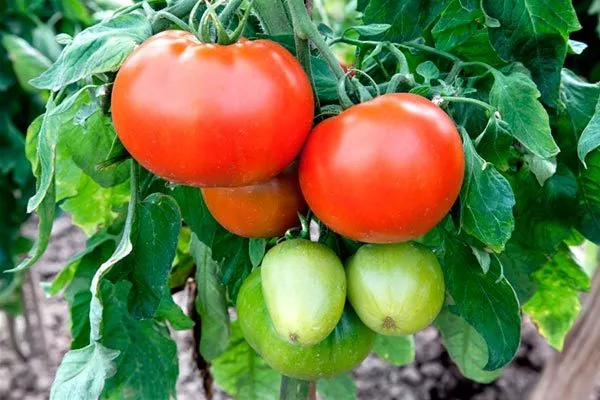
The Champion tomato is grown in regions with warm and temperate climates, as it prefers a fairly long and warm growing season. It is cultivated:
- In the southern regions of Russia, Ukraine and other countries with a similar climate.
- In central regions, provided that greenhouses or shelters are used to protect against late frosts.
- In northern regions, only in greenhouses, where optimal conditions for growth can be created.
Varieties of the Champion variety
There are several subspecies of this crop: with red and pink fruits. Both varieties have excellent flavor, but the pink variety is more often used for salads, while the red one is used for processing and canning.
| Name | Fruit type | Disease resistance | Ripening period |
|---|---|---|---|
| Red F1 Champion | Round, heart-shaped | High | Mid-season (90-105 days) |
| Pink F1 Champion | Round, heart-shaped | High | Mid-early (95-105 days) |
Red F1 Champion
The hybrid has repeatedly lived up to its name, demonstrating high yields even in challenging weather conditions. The tomato is characterized by its low maintenance and resistance to most nightshade diseases.
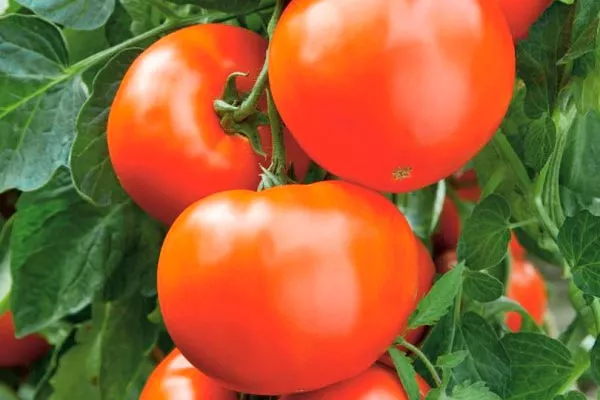
Description and main characteristics:
- The plant is compact, reaching a height of 1.5-1.8 m, with short internodes and frequent formation of brushes (every 1-2 leaves).
- The fruits are round, heart-shaped, and have a distinctive "nose." They are red in color. They weigh between 170 and 250 grams. They are fleshy and sweet, with a thick skin.
- The tomato is versatile: suitable for fresh consumption, salads and juices, canning and processing.
- It belongs to mid-season varieties, ripening 90-105 days after transplanting seedlings into open ground.
- Productivity is high – gardeners harvest 192-413 centners from 1 hectare.
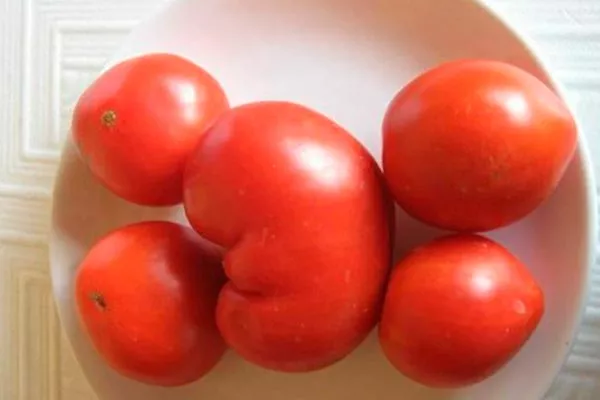
Pink F1 Champion
This variety will appeal to lovers of sweet, large fruits. It is characterized by high resistance to diseases and extreme weather conditions, guaranteeing a stable and abundant harvest.
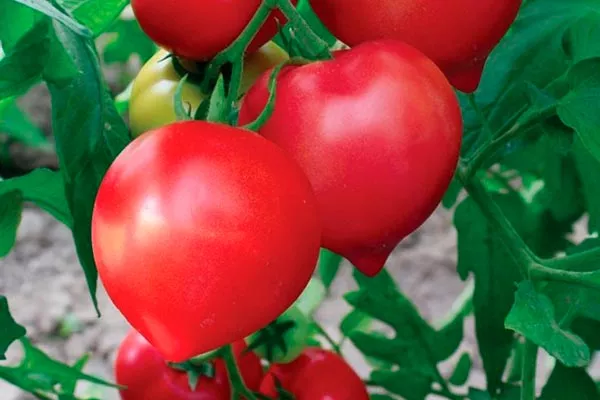
Features and positive qualities:
- This indeterminate hybrid variety is suitable for growing both in open ground and in greenhouses or hotbeds.
- The bush is compact, 150-180 cm high, universal purpose.
- The tomatoes are large, weighing 170-250 g, have a round, heart-shaped form with a distinctive "nose," and are pink when ripe. A cluster contains 5-7 fruits.
- The main features of tomatoes are the sweet taste, fleshy pulp and smooth, strong skin.
- This mid-early variety takes 95-105 days from germination to fruiting. The tomatoes ripen evenly, ensuring a consistent harvest.
- The variety's yield reaches 15-17 kg per 1 square meter, making it one of the most productive options.
Landing rules
Start sowing tomato seeds for seedlings 50-60 days before you plan to plant them in the ground. Prepare the seedlings in advance: soak the seeds for 12-24 hours in a growth stimulant or a weak solution of potassium permanganate to disinfect them, then rinse with clean water.
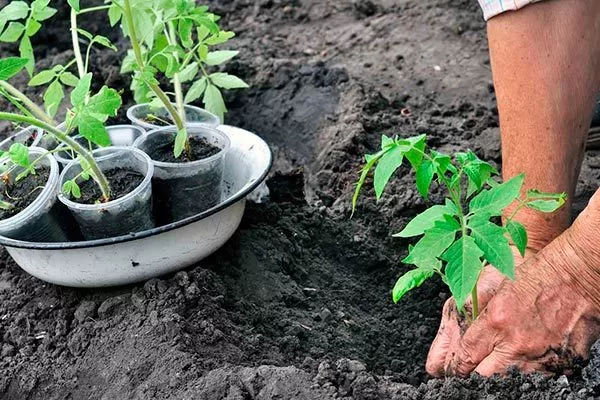
Follow these recommendations:
- The soil for seedlings should be light and fertile. Sow the seeds in moist soil to a depth of 1-1.5 cm, spacing them 2-3 cm apart.
- Cover the containers with plastic or glass to create a greenhouse effect and place them in a warm location with a temperature of 22 to 25°C. Once the seedlings emerge, remove the covering and move the containers to a brighter location, lowering the temperature to 18 to 20°C.
- When 2-3 true leaves appear on the seedlings, transplant them into separate pots.
- Transplant seedlings into open ground or a greenhouse once the threat of frost has passed and the soil has warmed to 15°C. Plants should have 6-8 true leaves and be about 20-30 cm tall.
- Before planting, carefully prepare the soil: dig it up, add humus or compost and mineral fertilizers.
- Plant seedlings in a 50x50cm or 40x60cm pattern to give them enough room to grow.
- Plant the plants deep down to the lower leaves, which will stimulate the development of additional roots.
- ✓ Optimum soil temperature for planting seedlings: not lower than +15°C.
- ✓ Plant spacing when planting: 50×50 cm or 40×60 cm to ensure sufficient space for growth.
After planting, water the plants generously with warm water and cover them if necessary for the first few days to protect them from direct sunlight or temperature changes.
Further care
To ensure consistent harvests and high-quality vegetables, take care of your plants. Follow these simple agricultural practices:
- Watering. Excessive moisture can lead to fungal diseases, including late blight. Water the plants only when the top layer of soil begins to dry out. Apply water directly to the roots, avoiding contact with the leaves to prevent burning.
- Soil care. Loosen the soil after each watering. Remove weeds as they appear. Mulch the soil with straw, grass clippings, sawdust, or compost to retain moisture and prevent weed growth. Apply a 5-10 cm layer of mulch.
- Pinching out stepsons and garter. Thin shoots can become deformed under the weight of the fruit, so tie them to supports during the fruiting period. Remove lateral shoots before the first fruit cluster, which increases yield and prevents disease.
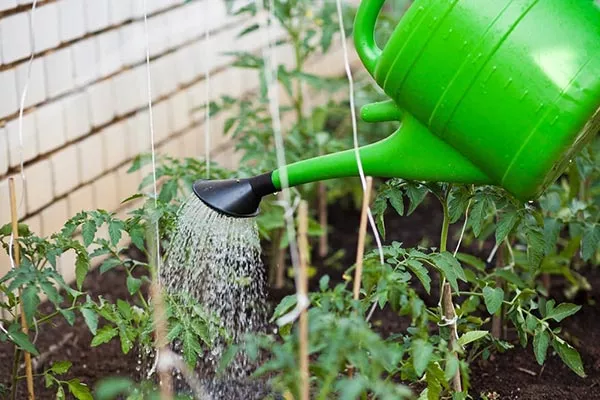
To ensure healthy growth and abundant fruiting, feed the crop several times per season:
- Two weeks after planting the seedlings in the ground, use organic fertilizers - a solution of mullein or chicken manure (1:10), or ammonium nitrate (15-20 g per 10 liters of water).
- After 2-3 weeks, add mineral substances, for example, superphosphate (30 g per 10 l of water) and potassium fertilizers (potassium salt 10-15 g per 10 l of water).
- A month later, when the plants begin to actively bear fruit, and during fruit formation, use complex mineral fertilizers containing nitrogen, phosphorus, and potassium in balanced proportions, such as Nitroammophoska or other specialized preparations for tomatoes.
Pest and disease control
Despite its strong immunity, the crop can sometimes be susceptible to disease and insect attacks. This is most often due to improper agricultural practices or unfavorable conditions.
Common diseases and pests:
- Late blightThis fungal disease develops in high humidity and poor ventilation. Initially, the leaves turn yellow and dry out, and later, the fungus attacks the tomatoes, making them unfit for consumption.
To combat late blight, treat the bushes with fungicides - Fundazol or Fitosporin. - Dry rotThe disease manifests itself as dark spots on the stems, which eventually develop into wounds. Dry rot is incurable. Remove affected plants from the area and burn them elsewhere.
- Anthracnose (scarden)Black spot rot affects roots and vegetables. Initially, bruises appear on the fruit, which then darken and become covered with black spots. Use fungicides to treat copperhead.
- WhiteflyA small white butterfly quickly destroys crops by laying eggs, which hatch into caterpillars. They immediately begin damaging plants. To control whiteflies, treat crops with insecticides such as Aktara or Fitoverm.
- Spider miteSigns of its presence include white and yellow spots on the leaves. Effective insecticides such as Agravertin or Nisoran will help get rid of the parasite.
- Colorado beetleBright red at the start of their life, they eventually develop a yellow and black striped coloration. Colorado potato beetles can quickly destroy tomato crops. To control them, use Aktara, Calypso, and other insecticides.
| Pest | Method of struggle | Processing period |
|---|---|---|
| Whitefly | Insecticide treatment (Aktara, Fitoverm) | At the first signs of appearance |
| Spider mite | Treatment with insecticides (Agravertin, Nisoran) | At the first signs of appearance |
| Colorado beetle | Insecticide treatment (Aktara, Calypso) | At the first signs of appearance |
Garlic, marigolds, calendula, and ornamental wormwood planted between the beds will help protect the bushes from pests.
Pros and cons
Champion tomatoes offer numerous advantages, making them a popular choice for gardening. Key benefits include:
- Good productivity. The plants form numerous clusters of fruits, which contributes to a bountiful harvest.
- Strong immunity. The variety is characterized by good resistance to common diseases, including late blight and mosaic disease.
- Versatility of use. The fruits can be eaten fresh, used in salads, sauces and other dishes.
- Easy to grow. The crop does not require complex care and is suitable for cultivation both in open ground and in greenhouses.
When cultivating Champion tomatoes, gardeners did not notice any significant drawbacks.
Reviews
The Champion tomato is a popular variety with good productivity and excellent flavor. It is resistant to most diseases and easy to care for, making it an ideal choice for gardeners of all experience levels. It grows successfully both outdoors and in greenhouses. Its fleshy, thick-skinned tomatoes are suitable for a variety of culinary purposes.