
The Russian-produced Shuttle tomato variety is the result of selective breeding that resulted in lines resistant to low temperatures and diseases. These plants are characterized by a determinate growth habit. They are particularly well adapted to greenhouse conditions, where fruiting begins 16-18 days earlier than in the open field.
Origin of the variety
The Shuttle tomato was developed by a team of specialists from the Federal Scientific Center for Vegetable Growing, including I. Yu. Kondratyev, L. K. Gurkin, A. S. Agapov, and R. V. Skvortsova, in 1993. The variety was registered in the State Register of Breeding Achievements of the Russian Federation and officially approved for cultivation in 1997.
Description of the bush
This tomato variety is characterized by its compact size, making it suitable for cultivation even in small plots. Shuttle is a standard variety distinguished by its particularly strong and upright stem, which is not prone to spreading lateral shoots.
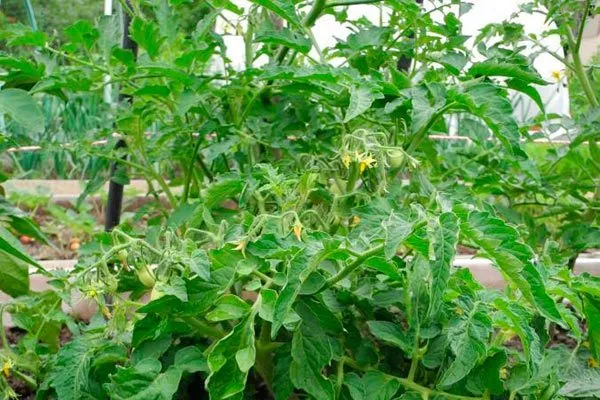
Thanks to this, the plant is evenly illuminated by the sun on both sides, which has a positive effect on the speed and quality of fruit ripening.
Other varietal characteristics:
- The first fruiting stem appears above the 6-7 leaf, and the subsequent ones appear at a distance of 1-2 leaves from each other.
- The plant has an upright trunk with a moderate number of lateral shoot branches and medium leaf mass.
- The height in open ground is 40-50 cm, and in greenhouses it can grow up to 60-85 cm.
- The branches are strong and thick, capable of not only supporting but also not breaking under the weight of ripe fruits.
- The leaves on the bushes are dark green, medium-sized, with clear veins and a wrinkled surface.
Features of fruits and their taste
Shuttle tomatoes are distinguished by their rich flavor. The flesh is juicy and fleshy, medium-firm, but not too runny. The flavor is harmonious—slightly sweet with a hint of acidity. Shuttle tomatoes don't have a particularly pronounced aroma.
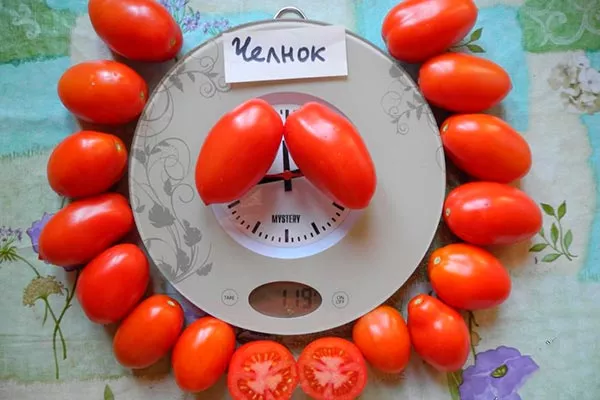
Characteristics of tomatoes:
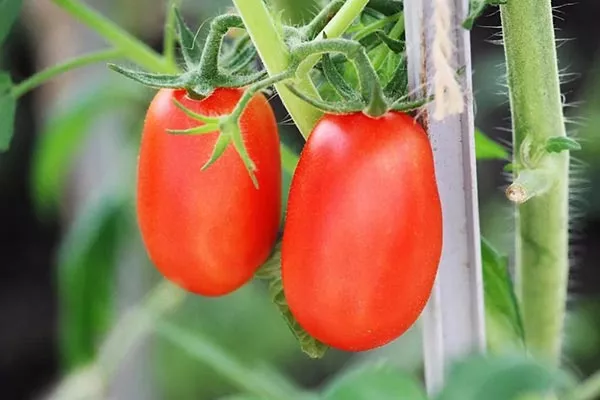
- These tomatoes have a smooth surface and are distinguished by their elongated, oval shape. Their tip is pointed. Their shape resembles a common shuttle, which is where they get their name. They are sometimes compared to peppers.
- The weight of each tomato ranges from 50 to 60 g, but smaller fruits are also available – from 25 g. With strict adherence to care rules, vegetables can weigh 60-80 g, but by removing some ovaries, the weight can reach up to 150 g.
- Their skin is dark red with an orange tint and doesn't feel tough when eaten.
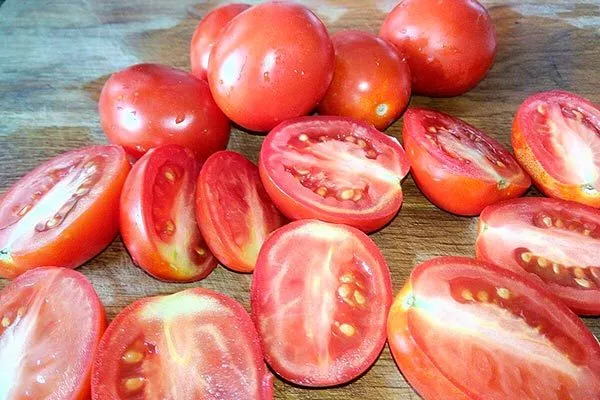
- The seed chambers are few in number. Seeds in the pulp are also present in limited numbers.
- The pulp is sweet due to its high sugar content. Sometimes, a white netting can be found inside, closer to the stem. This can be due to growing in extremely hot conditions, a lack of potassium and calcium in the soil, or excess nitrogen in the fertilizer.
Characteristics
Shuttle is a superdeterminate plant, meaning that its cultivation does not require pinching, bush formation, or tying.
Productivity and ripening time
Shuttle is distinguished by its early ripening period, which, according to the State Register, ranges from 82 to 121 days from seeding to harvesting the first ripe fruits. This range is due to differences in climatic conditions and cultivation methods.
Experienced gardeners note that the average time until the first harvest is:
- in greenhouse conditions – 98;
- in open beds – 110.
The fruiting period for this variety is quite long, ranging from June 20th to October 10th. The tomatoes ripen gradually, making it impossible to harvest whole bunches. However, the vegetables can ripen fully at room temperature, reaching the technical maturity stage.
Performance Features:
- Shuttle yields in private plots can reach 7-8 kg per square meter in an open garden, which is excellent for bushes about 45 cm tall.
- When grown on commercial plantations, the Shuttle variety demonstrates high productivity, exceeding the performance of control varieties. However, reproduction varies greatly depending on the growing location:
- the lowest yield was recorded in the Central region – 22.6-26.9 tons per hectare;
- The maximum values were reached in the Omsk region – 79.2 t/ha;
- the figures in the Volga-Vyatka region were 22-44.1 t/ha;
- The greatest variation was recorded in Western Siberia – from 16 to 41.2 tons per hectare.
Scope of application
Shuttle tomatoes are excellent for both fresh-picked consumption and a variety of culinary applications. Their flavor is highly acclaimed, and the fruits are distinguished by their excellent transportability, ability to ripen indoors, and long shelf life.
Small Shuttle tomatoes look great both in glass jars and on the table. According to vegetable growing experts, the Shuttle variety is considered one of the best for pickling and marinating. Tomatoes of this variety retain their shape and color, do not crack, and retain their firmness.
Fresh tomatoes are an excellent complement to meat dishes and pair perfectly with other vegetables and herbs. They are used in traditional dishes such as sauces, juices, and dressings. Due to their rich vitamin, micronutrient, and sugar content, Shuttle tomatoes are recommended for baby food and diets.
Suitable region and climate
This tomato variety has been adapted to the conditions of Central Russia (including Moscow, Smolensk, Tula, and Vladimir), as well as the Volga-Vyatka region (Nizhny Novgorod, Sverdlovsk Oblast, and Perm Krai). It also produces well in Western Siberia (Kemerovo, Omsk, Tomsk, Novosibirsk, and Altai Krai).
Other nuances:
- It has high frost resistance, which allows its cultivation in more northern climatic conditions.
- It is successfully cultivated both in open beds and in closed systems such as greenhouses.
- The Shuttle tomato thrives particularly well in the climatic conditions of Central Russia; its cultivation is widespread in Ukraine, Belarus, and Moldova.
- It is especially important to remember the need for protection from cold and humidity, as they can cause the development of late blight.
- In areas with cool summers, it is recommended to grow tomatoes in greenhouses to protect them from many of the diseases common to this crop.
- ✓ The variety has high frost resistance, which allows it to be grown in northern regions.
- ✓ The fruits have a unique shape and color, making them easily recognizable.
Resistance to adverse weather conditions
The Shuttle variety is ideal for growing in areas with cool springs and short summers. Its tomatoes are sufficiently resilient to stress factors, allowing them to thrive and produce fruit even with significant temperature fluctuations. These plants easily tolerate short-term drought, intense sun, and light shade.
Sowing seeds for seedlings
The seedling method is preferred for growing tomatoes. The process begins with carefully preparing the seeds and carefully following the instructions on the packaging.
Optimal timing
Tomato seeds are sown from February 25 to March 10-12, after which they are ready for transplanting into open beds in the period from early to mid-May.
Substrate composition
Tomatoes prefer fertile, light, and neutral soil with a pH of 5.5-6.0. For sowing, we recommend using a special soil mix available in stores, or creating your own by mixing humus, black soil, sand, and vermiculite in a ratio of 2:1:1:0.5.
Thorough soil preparation is crucial: if the soil is contaminated, the seedlings may become infected. You can take soil from a garden that hasn't been used for farming for the past five years and disinfect it. Disinfection methods include:
- roasting in the oven for 20-25 minutes at a temperature of 200 degrees;
- freezing;
- treatment with potassium permanganate of dark pink color.
Before planting seedlings in the soil, it is necessary to restore its nutritional properties by adding superphosphate and urea in accordance with the manufacturer's recommendations.
Growing container
For growing young plants, you can use special seedling boxes or regular plastic containers. Some gardeners prefer to use peat pots or disposable cups to avoid the need to transplant later.
Before pouring the substrate into containers, they are treated with a raspberry solution of potassium permanganate to prevent infection of the crops.
Seed preparation
Before sowing, seeds must be properly prepared:
- First, disinfect them in a potassium permanganate solution by adding 1 g of the solution to 500 ml of water. Then, marinate the seeds for 10-15 minutes in the solution at 40 degrees Celsius.
- To speed up the germination process, purchase growth stimulants such as Epin or Zircon. Soak the seedlings for the time specified in the specific instructions.
- Place the seeds in a cloth soaked in warm water and place them in a plastic container. Don't seal it completely to prevent oxygen deprivation. Germination takes about two days, during which time the seeds need to be misted regularly.
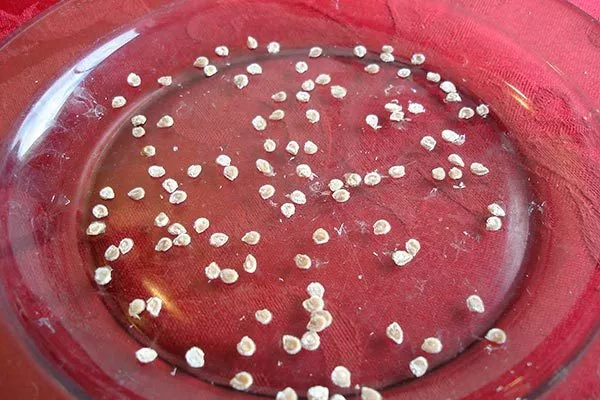
Sowing seeds
The day before sowing, the soil is pre-moistened with a spray bottle, and the following day, it is loosened and leveled. The sowing method depends on the container used for planting:
- for disposable containers, sow 2 to 3 seeds in each hole;
- For seedling boxes or containers, furrows are created at intervals of 6 cm.
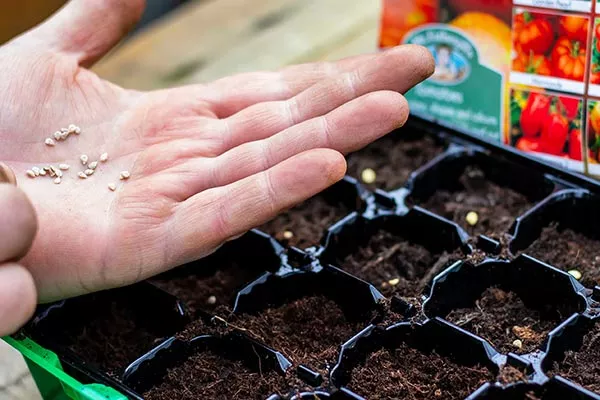
The recommended planting depth is 1-1.5 cm. After sowing, the seedlings are watered with warm water, covered with film or transparent glass, and placed in a warm, bright corner.
How to care for seedlings?
Caring for seedlings requires the following attention:
- It is necessary to spray regularly - when the top layer of soil dries out (for this, use warm water at 20°C).
- Ventilate the room at least once a week.
- Ensure a stable temperature within 25-28°C and humidity of about 60-65%;
- If natural light is insufficient, which is often the case with eastern or northern windows, additional illumination with LED lamps is required for at least 8-9 hours a day.
- Once the first green shoots appear, the temperature should be reduced to 17°C during the day and 13°C at night. After a week, the temperature is raised to 20°C to allow the shoots to strengthen and prevent them from becoming too long.
Pricking out occurs when the seedlings develop their first true leaves. The seedlings are transplanted into individual disposable containers or peat pots. The root is carefully pruned to encourage lateral root development. After pricking out, the seedlings are watered with warm, settled water.
Hardening off seedlings
Two weeks before the plants are planted in their permanent location, they begin to be watered so that they gradually adapt to the surrounding conditions.
The container with the seedlings is taken outside - first for a short time, about half an hour, gradually increasing the duration of exposure to an hour and a half or more.
Transplantation into open ground
Choose a day without bright sun or an evening when the heat has subsided for this procedure. It's important that the soil temperature is at least 12 degrees Celsius. Before planting, tomatoes should be thoroughly moistened to prevent dry soil from crumbling.
- ✓ The optimal soil temperature for transplanting seedlings should be at least 12°C, but not more than 15°C to prevent stress on plants.
- ✓ To prevent fungal infections, it is necessary to ensure good ventilation in the greenhouse, especially during periods of high humidity.
Where to land the Shuttle?
The growing area should be well-lit and adequately ventilated, but avoid direct drafts. The best predecessors for Shuttle are zucchini, cucumbers, carrots, cabbage, dill, or parsley.
What kind of soil does the Shuttle need for successful development?
Soil requirements are the same as for sowing seeds for seedlings. However, soil preparation for planting begins well in advance. In the fall, the soil is dug and loosened, and organic and mineral fertilizers are added. If the soil is acidic, it should be limed. In the spring, the soil is plowed again.
Transfer algorithm
The planting instructions are simple:
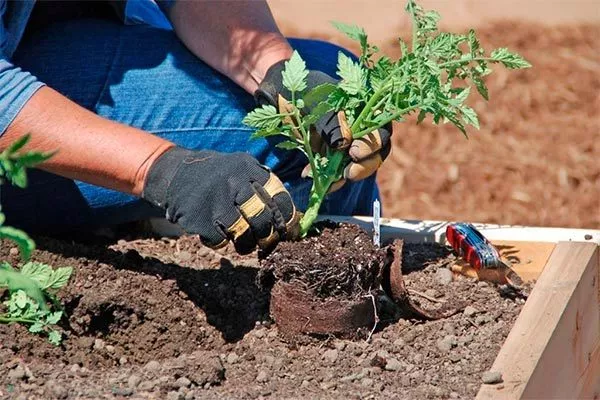
- Before moving the seedlings, make sure that their cups are completely soaked with water so that the soil does not fall off and damage the root system during transplantation.
- In the garden bed, make deep holes spaced 40-45 cm apart. Tomatoes can be planted diagonally to create a checkerboard pattern.
- Add nutrients such as superphosphate or potassium to each hole.
- If the seedlings are in plastic containers, carefully remove them, but if they are in peat containers, there is no need to remove them.
- After all the plants have been planted, water the bed thoroughly.
Growing in a greenhouse
In May, tomatoes are moved to a greenhouse, but the placement method differs from open beds: plants are spaced at intervals of no more than 30 cm. This means 4-5 plants are planted per square meter of soil. Planting too densely (6-7 plants per square meter) does not affect the yield, so there is a space-saving option.
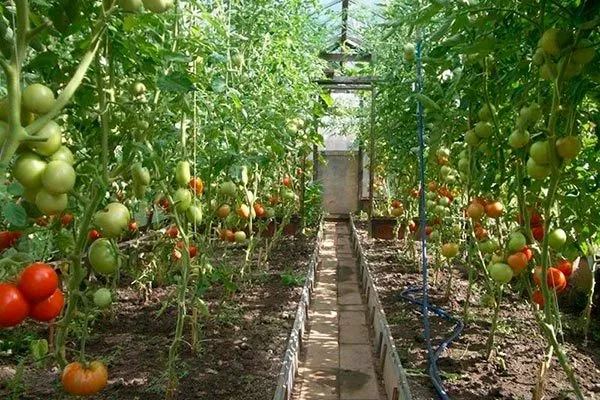
The planting algorithm is identical to the previous option, but in the greenhouse the bushes must be secured:
- If you've chosen a vertical garter, install a support for the bush and attach it to it with a small piece of rope to support the branch or stem. This will promote better growth and development of the plant.
- For horizontal staking in a greenhouse, wire or twine is used, stretched from one end of the structure to the opposite. Supporting branches and plant stems will be tied to these structures.
Care instructions
Caring for the Shuttle tomato variety is straightforward. This variety doesn't require any special care, such as pruning or tying. Basic care guidelines include:
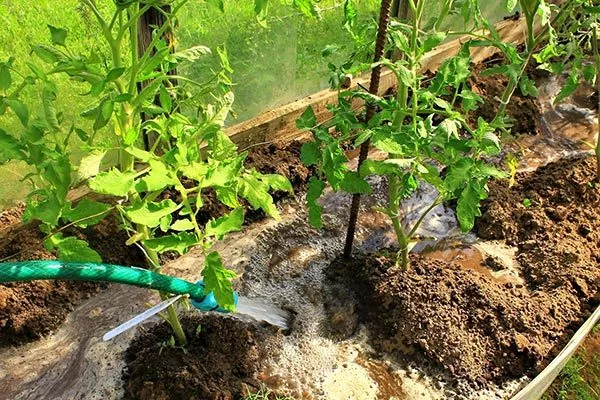
- Watering. Under normal weather conditions, watering the Shuttle plant once a week is sufficient. During hot weather, increase the frequency of watering. Cold water is not recommended, as it interferes with plant growth.
It's best to water tomatoes in the evening, after sunset, to avoid possible leaf burn. It's important to remember that tomatoes don't tolerate moisture accumulation.

- Top dressing. Tomato plants are fertilized 3-4 times during the season, with 2-3 weeks between each application. Complex mineral fertilizers are used. The first application is done after the first fruits have formed. It is recommended to add no more than 25-30 g of fertilizer per square meter of soil.
If complex fertilizers are not available, potassium-rich fertilizers can be used, as they have a beneficial effect on plant growth. Fertilizing should be done after watering.
Other events
Soil loosening is a key aspect of plant care. This step helps prevent the spread of diseases and pests. After each watering or heavy rainfall, gently mix the topsoil to a depth of 5 to 8 cm. Regular weeding is also important.
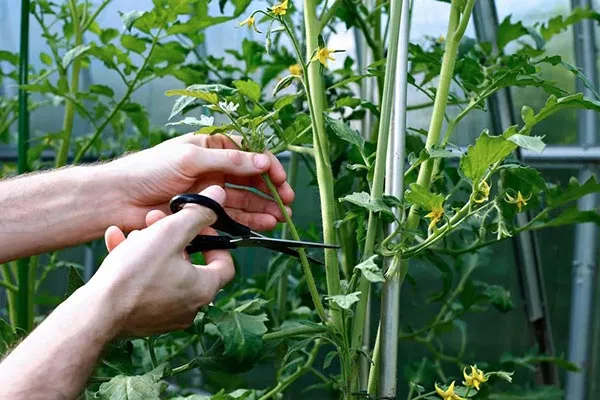
Bushy plants typically don't require additional shaping. However, if the goal is to increase the yield, experienced gardeners recommend removing flowers, leaving 4-5 buds in each cluster.
Resistance and protection from diseases and pests
Protecting plants from diseases and pests is a key aspect of tomato care. This cultivated variety has relatively low resistance, making it vulnerable to certain pathogens:
- The variety has average resistance to late blight, so it is important not to ignore preventive measures.
- Anthracnose and powdery mildew are common problems.
- Pests such as the Colorado potato beetle, spider mite, mole cricket, and melon aphid can also pose a threat and are controlled with insecticides.
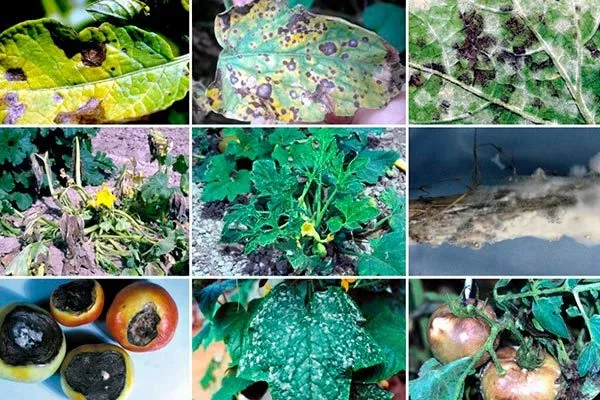
Prevention of viral and fungal infections is an integral part of tomato care:
- It is recommended to renew the top layer of soil annually, as well as to treat the soil with a manganese or copper solution to destroy fungal pathogens.
- To prevent late blight, spray with copper-containing preparations.
- In greenhouses, provide good ventilation to prevent excess air humidity.
- Alternating between growing tomatoes and other crops will help minimize the risk of viral infections. It is not recommended to plant tomatoes in areas previously occupied by nightshade crops, other tomato varieties, eggplants, peppers, or potatoes.
- Plants grown outdoors are susceptible to pest attacks. To protect them, cover the soil with peat, straw, or compost. Careful monitoring is essential to prevent weeds from appearing.
- If pest larvae are found, remove them manually or wash them off with warm water and soap.
- To get rid of slugs, use a solution of ammonia and water.
- Herbs can repel flying insects if planted along the beds.
- If pests have caused significant damage to tomatoes, they can be treated with insecticides. Repeat the spraying procedure 2-3 times, spaced several days apart. Treatment can be performed before fruit set, but using toxic agents during fruiting is not recommended.
Fruit harvesting
It's important to avoid overripe tomatoes, as these lose their elasticity and require immediate processing or consumption. It's best to pick the fruits when they're still slightly firm; this way, they'll last longer.
Tomatoes are ripe when they turn a bright red color and take on an elongated, cylindrical shape. When picking, be careful not to damage the leaves or fruit.
Preservation features:
- For storage, tomatoes are placed in a box lined with paper.
- You should not put too many vegetables in one container, so that those lying at the bottom do not get crushed.
- For storage, place the box with tomatoes in a dry place, avoiding direct sunlight.
- The room temperature should not exceed +6 degrees to prevent the tomatoes from spoiling.
- For long-term storage (more than 3 weeks), tomatoes are removed from the branches while still slightly unripe.
Pros and cons
Among amateur vegetable growers, the Shuttle tomato variety is particularly appealing to those who prefer to minimize gardening efforts and are constantly busy. While this tomato has its drawbacks, including some serious ones, its advantages undoubtedly outweigh its disadvantages.
Reviews
Shuttle tomatoes are an excellent choice for beginning gardeners. This variety is ideal for growing in garden beds, hotbeds, and greenhouses, and the harvested fruits are widely used in cooking. The small bushes save space in the garden, and if necessary, they can be grown in pots indoors.