
The Bychok tomato is a tasty and productive variety. It's a versatile solution for gardeners who value ease of care and consistently high yields. Its robustness and disease resistance make it ideal for both experienced gardeners and beginners looking for a good harvest without much effort. Proper care is key.
History of origin
Developed in Russia in the early 20th century by breeder N. I. Vavilov, he created this variety by crossing different tomato varieties, including Petrovich, Black Prince, and Red Giant.
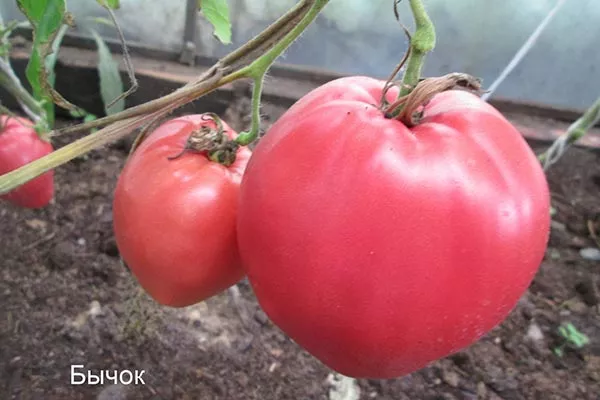
Varieties of the Bychok variety
| Name | Fruit color | Fruit shape | Fruit weight (g) | Number of seed chambers |
|---|---|---|---|---|
| Pink | Crimson | Heart-shaped | 200-400 | 4-5 |
| Black | Dark brown | Heart-shaped | 300-400 | 4-5 |
There are several variations of this culture, which differ in color:
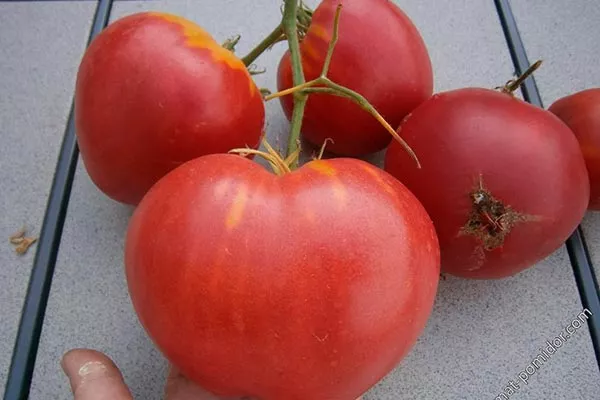
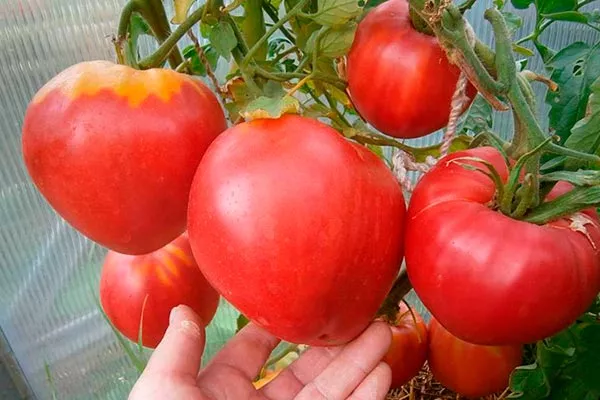
- The pink variety produces raspberry-colored fruits with a tough skin. They are heart-shaped and weigh between 200 and 400 grams. The flesh is buttery and sweet, with a small number of seed chambers—up to 4-5.

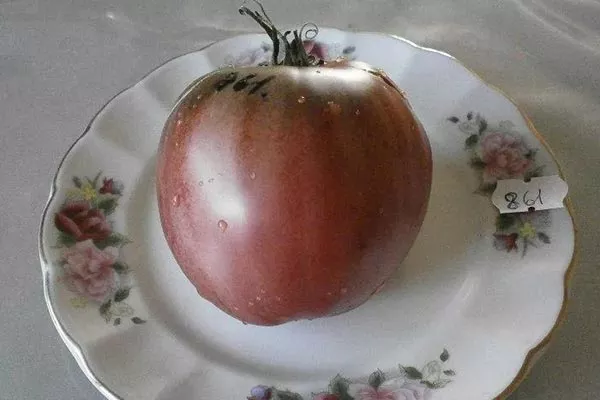
- The Black Bull tomato produces dark-brown fruits with tough, crack-resistant skin. The flavor is balanced: sweetness is perfectly balanced with a hint of tartness.
Description of the plant
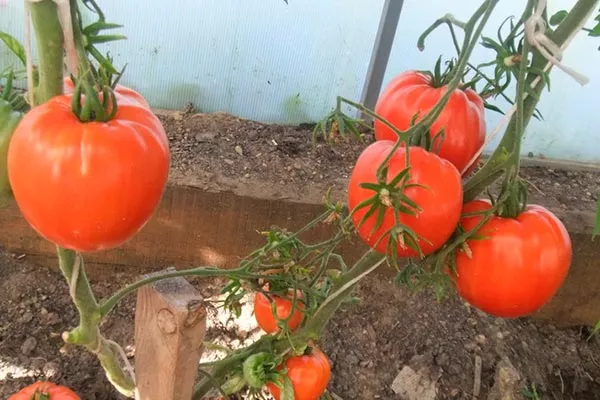
This indeterminate, tall variety has robust bushes that can reach 1 m in height and require ample space. Each plant produces 7-8 fruiting clusters, which typically produce 5-7 tomatoes.
- ✓ High resistance to temperature fluctuations, which is rare among tomatoes.
- ✓ Ability to bear fruit even in low light conditions.
Fruits and their taste qualities
When ripe, the tomatoes turn pink and have a heart shape. They weigh between 300 and 400 grams, making them quite large. They have fleshy flesh and a dense skin, making them easy to transport and store. Their main advantage is their sweet taste and pleasant aroma.
Culinary uses
Tomatoes are ideal for a variety of dishes. They are used fresh, in salads, and for making sauces and ketchups. Their dense flesh makes them ideal for canning and pickling.
The Bychok tomato is rich in vitamins and minerals, including vitamin C, potassium, magnesium, and beta-carotene. It contains antioxidants that help fight disease and support the immune system.
Characteristics
The Bychok tomato is a mid-season variety, with a maturation period from germination to full maturity of approximately 110-120 days. This variety is characterized by high yields: 12-14 kg of fruit can be harvested per square meter, and 4.5-5 kg per plant.
This variety stands out among other varieties for its good tolerance to adverse weather conditions, including drought and low temperatures. It is highly resistant to diseases and pests, making it popular among gardeners.
Planting and care
Choose sunny, wind-protected locations for the plant. Seedlings are best planted in fertile, well-drained soil. Before planting, prepare the soil: dig it over and add organic fertilizer such as humus or compost.
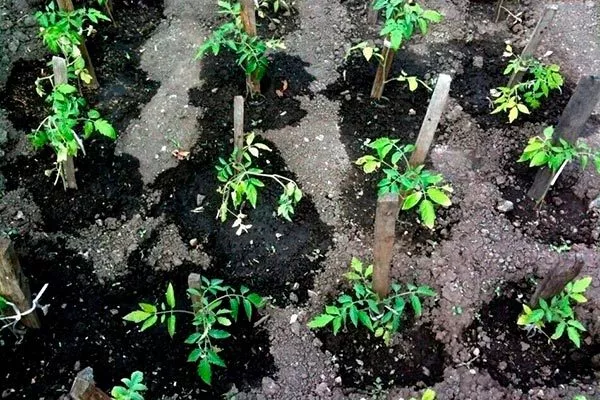
Follow these recommendations:
- Sow seeds for seedlings in mid-March. Use light, nutritious soil. Place them at a depth of 1-2 cm, then cover the containers with plastic or glass to create a greenhouse effect.
- When the plants grow up and have 2-3 true leaves, transplant the seedlings into separate pots.
- Transplant into open ground or a greenhouse at the age of 50-60 days, when the threat of frost has passed and the soil temperature has warmed up to 15-18°C.
- Provide regular but moderate watering. It's best to water the plants at the roots with warm, settled water, avoiding contact with the leaves.
- Tomatoes require regular fertilization throughout the season. In the first 2-3 weeks after planting, use nitrogen fertilizers to promote leaf development. Then, apply complex fertilizers with potassium and phosphorus supplements to improve fruiting.
- To prevent the bushes from becoming too dense and losing vigor, regularly remove side shoots (side shoots). This promotes better air circulation and improves the quality of the tomatoes.
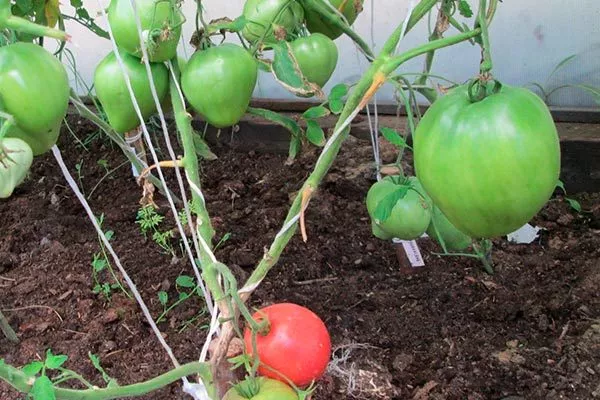
- The bullhead is a tall variety, so tie the shoots to supports or trellises. This will help prevent damage to the bushes and ensure uniform light and ventilation.
- The crop has good disease resistance, but inspect the plants regularly for prevention. Use biological products to protect against fungal diseases, and folk remedies such as garlic or tobacco infusions to control pests.
Pros and cons
Before growing a crop, it's important to carefully consider its advantages and disadvantages to avoid potential difficulties. The Bychok tomato has many advantages:
Among the disadvantages, some gardeners note the need for regular fertilizing, tying and shaping the bush.
Reviews
The Bychok tomato is characterized by good productivity, large fruits, and excellent taste. It has proven itself to be a reliable and undemanding variety that easily adapts to various climates. With proper and timely care, you can achieve generous harvests and high-quality tomatoes.