
The Bull's Heart tomato is a popular variety that attracts attention not only with its unusual appearance and large fruits, but also with its excellent taste. Juicy, fleshy tomatoes with a rich, sweet flavor, without the sourness typical of many varieties, have become a true garden gem. Standard farming practices are essential.
Story
Registered in the State Register in 2003, it is not a hybrid, but a determinate variety developed by breeders at the Poisk agricultural firm. Its primary purpose is fresh consumption, as the large fruits are not suitable for whole canning.
Description of the bush and fruits
The plants are medium-sized, reaching a height of 1.5 m under optimal conditions. The leaves are few in number, medium in size, and plain green.
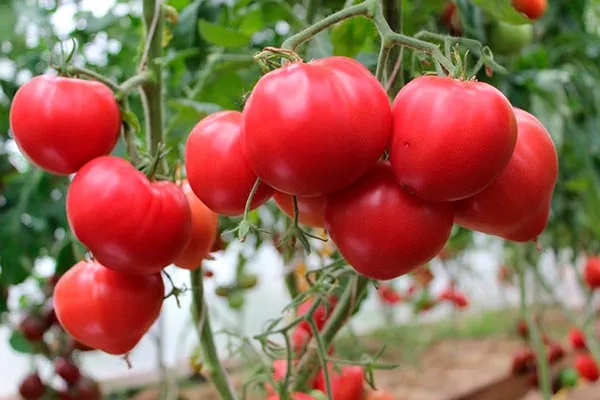
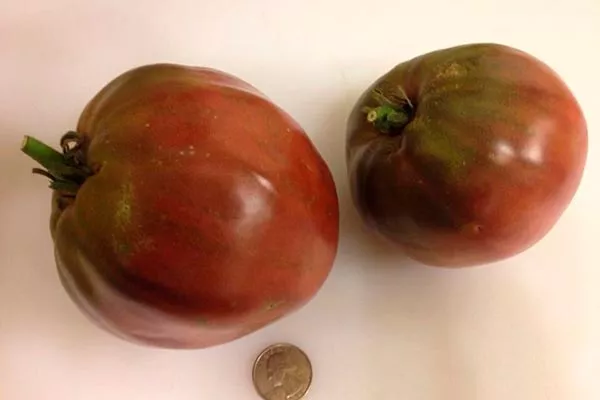
The green fruits turn a deep red when ripe, and a small spot characteristic of this variety remains near the stem. Average weight ranges from 108 to 225 g. The variety gets its name from the distinctive heart-shaped tomatoes. One to five tomatoes are produced per cluster.
Characteristics
Its many features attract many gardeners. It's easy to grow, making it an excellent choice for both novice and beginning gardeners.
Taste characteristics
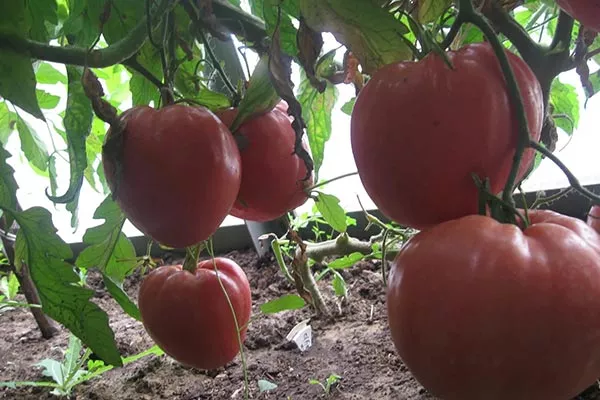
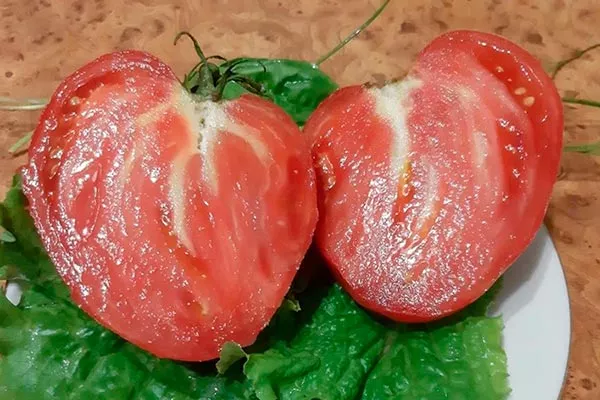
The Bull's Heart variety boasts a remarkable flavor, standing out among many other tomatoes. The flesh is dense and meaty, a feature particularly appreciated by gourmets. It is characterized by a distinct sweetness with subtle tart notes that enhance the overall harmonious flavor without dominating it.
Ripening and fruiting
It ripens late, requiring approximately 120-130 days after germination to produce ripe fruit. In adverse weather conditions, this period may be slightly longer, but this variety allows you to enjoy fresh tomatoes long after many other varieties have finished producing.
Productivity
This variety has an average yield of 3–4 kg per square meter. Some gardeners, with some effort, increase the yield in open ground to 5 kg per square meter.
Timing of planting seedlings and transplanting into the ground
The long growing season requires using seedlings, even in southern Russia. Transplant only seedlings that are at least 70 days old into open ground, taking into account their condition and weather conditions. Allow about a week, or ideally 10 days, for germination.
Growing regions
This tomato variety is suitable for growing in both gardens and plantations in the Russian Far East, the Arkhangelsk Region, Karelia, and the Moscow Region. It is also successfully cultivated in the Volga basin and the Volga-Oka interfluve, the Ural Region, and Western and Eastern Siberia.
Plants are cultivated in the Krasnodar and Stavropol regions and in the black earth regions of Central Russia.
Scope of application
Bull's Heart is a table variety, primarily intended for fresh consumption. For canning, the vegetable is suitable only when chopped or as a base for tomato sauces, pastes, dressings, and ketchups. The bushes are often cultivated in private plots and are less commonly used in industrial production.
Subspecies of Bull's Heart tomatoes
There are several varieties of the Bull's Heart tomato. Initially, large, heart-shaped pink fruits were bred, but later, thanks to the work of breeders, other varieties with a variety of colors were developed.
| Name | Ripening period | Fruit color | Fruit weight |
|---|---|---|---|
| Raspberry | early | crimson | 300-600 g |
| Red | average | red | up to 700 g |
| Pink | average | pink | 250-350 g |
| Golden | average | golden | up to 600 g |
| Orange | average | orange | 300-350 g |
| Black | late | black | up to 500 g |
Raspberry
The vegetables are heart-shaped, lightly ribbed, and raspberry-colored. They weigh between 300 and 600 g. They are fleshy, juicy, and have an excellent flavor. Yields reach 7-9 kg per square meter. They are characterized by early ripening.
Red
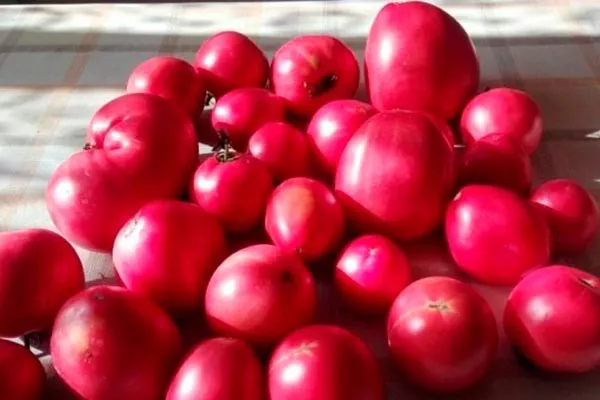
The tomatoes can weigh up to 700 g. Their shape is more oval than heart-shaped. Red Bull's Heart is characterized by a medium ripening period.
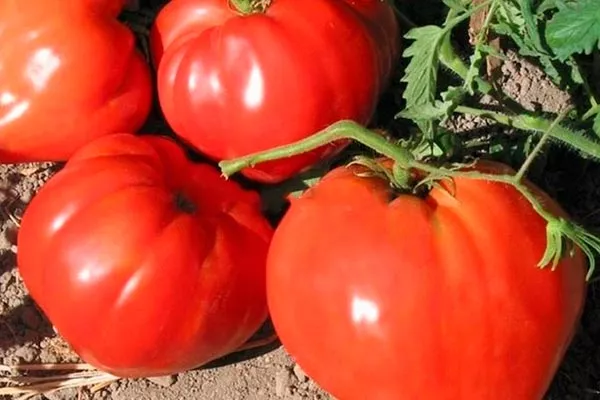
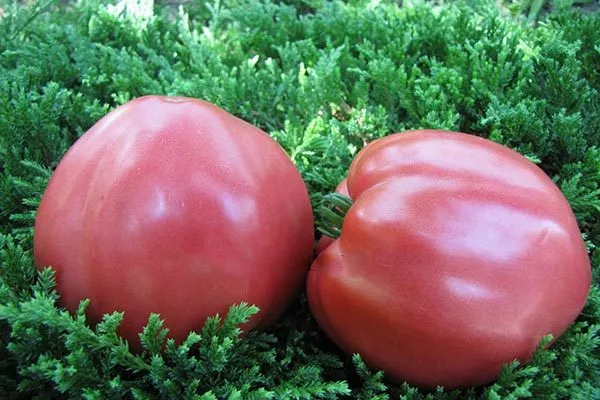
Pink
The weight of a single fruit ranges from 250 to 350 grams or more. Tomatoes are slightly flattened and cone-shaped, but can also be heart-shaped with slight ribs.
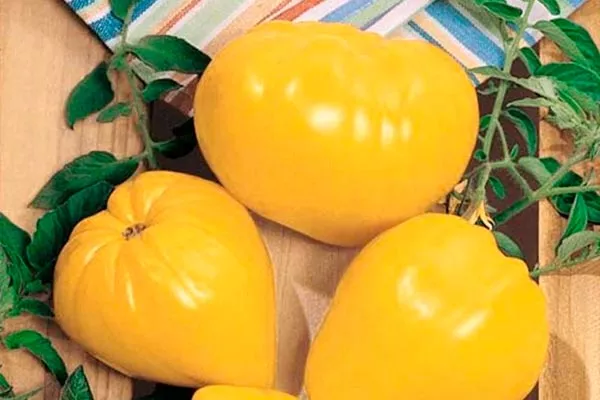
Golden
This variety has a bright, sunny color. It's considered a mid-season variety. Fruits can reach 600 g in weight and have a rich flavor.
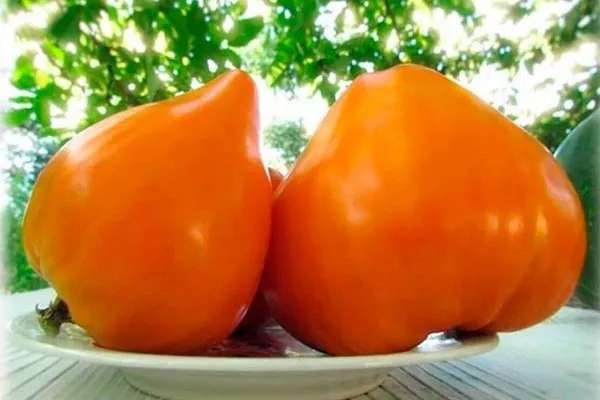
Orange
The fruits are large, weighing between 300 and 350 grams, heart-shaped with moderate ribbing and an articulating stalk. By harvest time, they acquire a bright orange color. The flesh is dense and fleshy, with more than six chambers. The high sugar and dry matter content imparts a rich dessert flavor.
Black
This tomato subspecies is a relatively new development. It is distinguished by its unusual color and excellent flavor. Fruits can weigh up to 500 g, but their late ripening is a drawback.
How to grow seedlings?
To achieve a good harvest, it's not enough to know the variety's characteristics; it's also important to adhere to its agricultural guidelines. Although Bull's Heart isn't particularly demanding, it does have some vulnerabilities that must be taken into account.
Selecting seeds, preparing for sowing
Begin planting seedlings in early March. To improve seed germination and overall health, prepare the seeds properly. This process involves several steps:
- Soaking in melt water. Freeze tap water in a plastic bag for several hours. When most of the water has frozen, drain the remaining liquid and melt the ice. Place the seeds in the melted water at room temperature for 12-14 hours to stimulate growth.
- Disinfection in a solution of potassium permanganate. Place the seeds in a weak pink solution of potassium permanganate for 15-20 minutes, then rinse thoroughly under running water.
- Use of growth stimulants. Additionally, treat the planting material with growth stimulants or mineral fertilizers, which will increase germination.
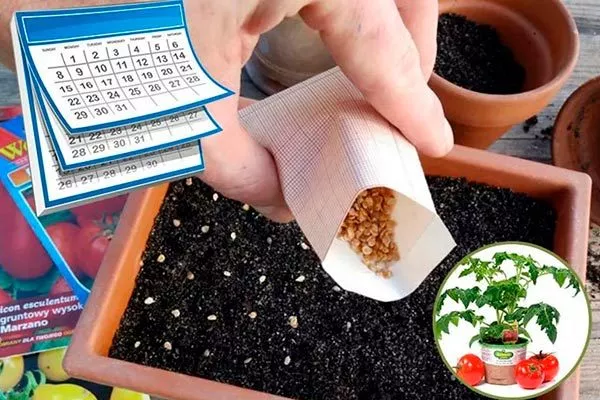
After preparation, spread the seeds on a damp cloth or cotton pad, cover the container with a lid, and place in a warm place. Sprouts will appear in a few days.
Sowing
Use specially prepared commercial soil designed for seedlings. To help the seedlings adapt better to future growing conditions, mix the commercial soil with the soil they will be planting in.
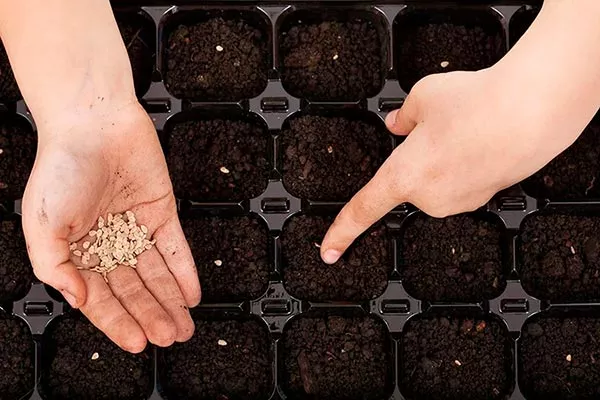
Follow the recommendations:
- Preheat the soil mixture to room temperature, then spread it into plastic cups, creating an even layer about 3 cm thick.
- Water the soil with settled water at room temperature.
- Carefully place the seeds into each cup using tweezers and sprinkle with a thin layer of dry soil.
- Cover the containers or cups with film or an airtight lid and place in a warm place for germination.
When the first sprouts appear, gradually remove the lid. Move the seedlings to a cooler, brighter location, such as a south-facing windowsill.
Dive
When the plants have two full leaves, transplant them. Bull's Heart tomatoes transplant quite easily, so transplant the seedlings into separate containers. This will promote more vigorous root development, and the plants themselves will become more established and better able to withstand future transplants.
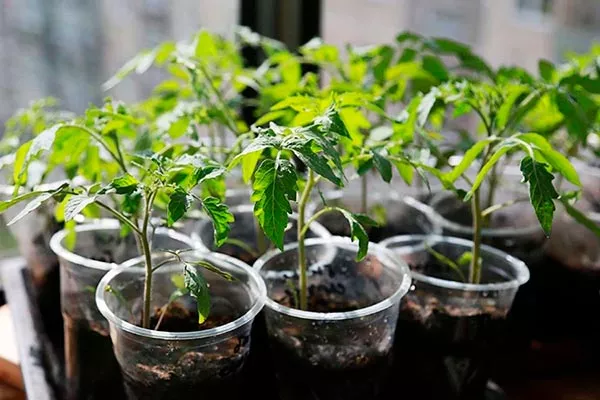
Water the seedlings generously beforehand. Carefully remove the plants from the soil and replant them in containers with soil similar in composition to the one they were previously growing in.
Hardening
This is an important stage in plant preparation, helping them adapt to outdoor conditions and reduce transplant stress. Hardening off involves gradually acclimating seedlings to changes in temperature, humidity, and sunlight, which helps strengthen their immune system.
Helpful tips:
- Take the plants outside for a few hours, starting on warm, windless days. It's important that the outside temperature is at least 10°C (50°F), and preferably around 15°C (59°F). Begin this process 7-10 days before you plan to transplant them into the ground.
- Initially, take them outside for 1-2 hours, protecting them from direct sunlight, and then gradually increase the time spent outdoors. As they adapt, the plants become accustomed to temperature fluctuations and begin to better tolerate both cold nights and daytime sun.
Landing at a permanent location
If you plan to grow Bull's Heart tomatoes in a greenhouse, plant the seedlings in early May. By this time, the plants should be 20-25 cm tall, with 7-8 strong leaves and the first buds already forming.
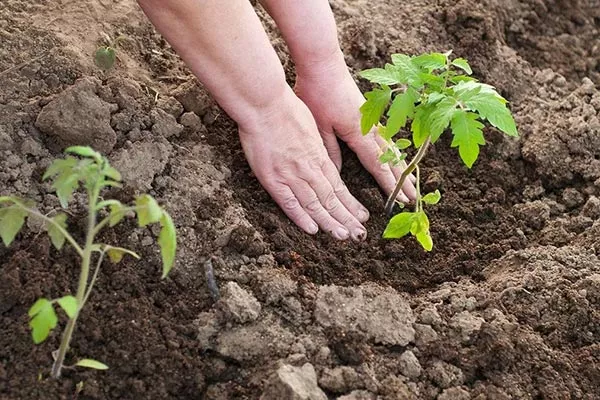
When growing outdoors, consider the region's climate. This variety is typically grown in southern regions, but in colder climates, a greenhouse is recommended to prevent the fruit from overripening.
- ✓ The optimal soil temperature for planting seedlings should be at least +15°C.
- ✓ To prevent late blight, it is necessary to ensure good air circulation around the plants.
Plant the seedlings at least 1 m apart. The planting hole should be deep enough to leave about 3-4 cm between the soil and the first leaves. Water less frequently but more thoroughly. Use mulch or cardboard to retain soil moisture.
How to grow tomatoes?
The crop is grown in two main ways: in a greenhouse and in open ground. Let's look at the specifics of each.
Growing in open ground
To ensure a bountiful tomato harvest outdoors, it's important to properly prepare the soil in the fall. Follow these steps:
- Dig over the area and add 5 kg of compost and 40 g of potassium sulfate per 1 sq. m.
- When planting seedlings, add fertilizer to the hole. A good fertilizer to use is Uragan: add 3 grams of the fertilizer to each hole.
- The planting site should be well-heated by the sun. The plants grow well in soil with a neutral or slightly acidic pH (pH 6.5).
- Before planting seedlings, treat them with a solution of Fitosporin-M.
- The bushes are quite tall, so install supports about 2 m high to support them.
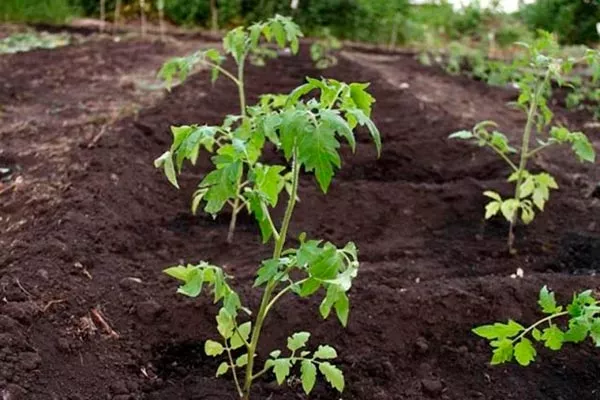
- Maintain a 50 cm spacing between plants. When planting, bury the seedlings in the soil up to the level of the first leaves to encourage new roots to emerge. This promotes better root development and improved nutritional processes.
- Water young bushes infrequently. Excess moisture can cause trunk deformation, while insufficient water can cause the leaves to become fuzzy and pale green. Use only warm water to prevent root rot and fruit drop.
- Fertilize the plants twice per season: 20 days after planting the seedlings and one month after that. Use liquid fertilizer: dissolve 15 g of potassium fertilizer, 40 g of phosphorus fertilizer, and 25 g of nitrogen mixture in 10 liters of water. The resulting mixture is enough to water 15 plants.
Growing in a greenhouse
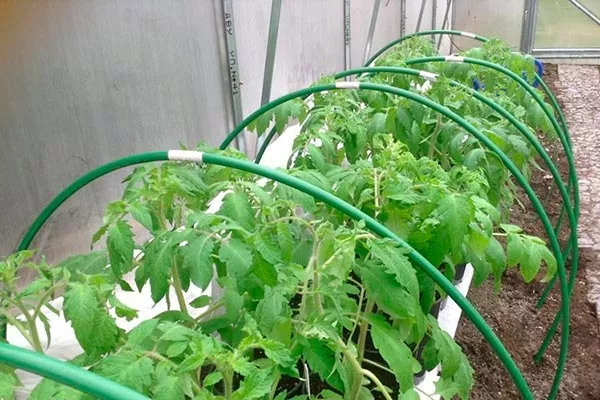
Farmers recommend growing tomatoes indoors, as this provides optimal conditions for growth and fruiting. Follow these important guidelines:
- Before planting seedlings, carry out preliminary treatment: wash the walls with a soap solution, and pour boiling water or a solution of potassium permanganate on the soil to kill pests.
- You can transplant the seedlings into the greenhouse when they reach a height of 20-25 cm.
- The room must be equipped with a ventilation system and good lighting.
- Maintain a distance of 1 m between the beds, leaving 4-5 cm of space from the ground to the first leaves.
Apply the first feeding 2-3 weeks after planting the seedlings. To do this, prepare a solution: add 500 ml of manure and 20 g of nitrophoska to 9 liters of water. After 10 days, dissolve chicken manure in water (1:15). Apply the third feeding 10 days later: dissolve cow manure in water (1:10). Apply 1 liter per plant.
Care Features
To obtain a bountiful tomato harvest, it is essential to strictly follow all recommendations for caring for nightshade crops. Standard agricultural practices will improve productivity.
Watering
Once the seedlings have established themselves in the soil, begin watering them. Do this once a week, using 5-7 liters of water per square meter. As the tomatoes grow, increase the watering to 12-15 liters per square meter.
Water in the morning or evening using settled water, pouring it directly under the roots, avoiding contact with the leaves and stems. The optimal temperature for growth of the Bull's Heart variety is 20-22°C.
Loosening
To ensure proper root aeration, regularly loosen the soil around the stems, doing this after each watering. During the first 2-3 weeks after planting, loosen the soil to a depth of 10-12 cm, and then, to avoid damaging the roots, loosen it to a depth of 5-8 cm.
Pinching out stepsons
A side shoot is a shoot that appears between the main stem of a plant and its leaf. To speed up fruit growth and ensure a good harvest, remove excess side shoots so that nutrients are directed toward developing vegetables rather than stem growth.
Leave only three strong stems on each bush, pruning the rest. Remove any new side shoots that grow to 5-7 cm. To ensure a high-quality harvest, do not leave more than eight fruit-bearing branches on a bush. To prevent side shoots from growing too quickly, leave a small stump about 1 cm long when pruning.
Proper ventilation of the greenhouse
On hot days, ventilate the greenhouse daily. Windows should be open to prevent overheating, which can hinder pollination. Maintain indoor humidity at least 70% to ensure plants remain comfortable.
The correct shape of the bush
The Bull's Heart tomato will produce better fruit if you leave only one main stem. Once it has formed up to eight fruit-bearing clusters, trim off the top. This will allow the fruiting clusters to receive more nutrients and promote the growth of the already established tomatoes.
Fertilization
Start fertilizing the plant two weeks after planting it in its permanent location. Do this at least three times per season:
- before flowering;
- immediately after flowering;
- during the period of ovary formation.
Stop all fertilizing 15-20 days before harvest. Use both mineral fertilizers and natural fertilizers. Start with nitrogen-containing mixtures, then switch to phosphorus-potassium compounds.
Garter
If the bushes have long stems after planting, immediately secure them to a stake up to 2 m high and drive it into the ground nearby. Tie the stem, and as the plant grows, move the tie up immediately to ensure proper positioning and support.
Mulching
To make plant care easier, use mulch, such as sawdust or straw. A layer up to 5 cm thick helps retain moisture in the soil and prevents weed growth.
If the tomatoes are left on the ground, mulch will protect them from rotting and partially reduce the risk of disease.
The pollination process
In cloudy weather, tomatoes that are not self-pollinating require additional pollination. Failure to do so will result in low yields, both in greenhouses and in the open field.
Diseases and pests
Tomatoes, like other vegetable crops, can be affected by various insects and diseases. Oxheart can suffer from several problems:
- Late blight - A fungal infection that affects the stems, leaves, and fruits of tomatoes. Brown spots appear on them. To prevent the disease, spray the plants with a garlic infusion, and for a preventative measure, use a solution of table salt.
Bordeaux mixture (no more than 5 times per season), Fundazol and Fitosporin preparations are effective against late blight. - Macrosporiosis - Fungus. When infected, leaves and stems begin to die. Black spots appear on the fruit near the stalk. In this case, treat the plants with a copper-soap solution consisting of 20 g of copper sulfate, 200 g of soap, and 10 liters of water. Remove and burn the affected parts.
- Fusarium wilt – Affects young plants in greenhouses. Leaves begin to lighten along the veins, then die completely. The disease occurs when the greenhouse temperature is not maintained properly, poisoning the plant with its own toxins. Spraying with Fundazol or Fitosporin is effective for treatment.
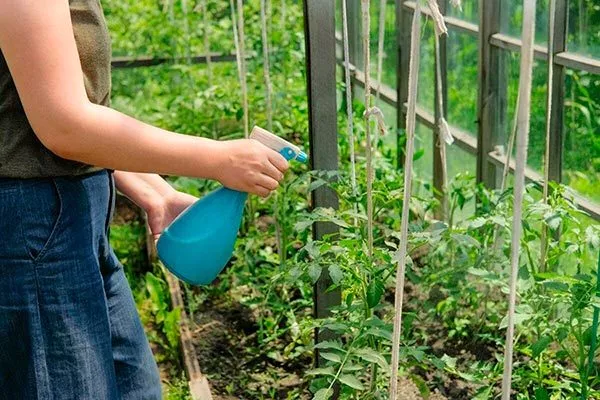
Prevention of late blight:
- disinfection of seed material;
- spraying seedlings after planting with kefir-iodine, saline or sulfur solution;
- repeat treatment every two weeks;
- wrapping stems with copper wire;
- dusting the soil with ash.
Harvesting
When the fruits reach technical or biological maturity, you can pick them from the vine. Technical maturity means the tomato has reached its maximum size and now only needs to ripen. This stage can be easily identified by the skin changing color from green to brown.
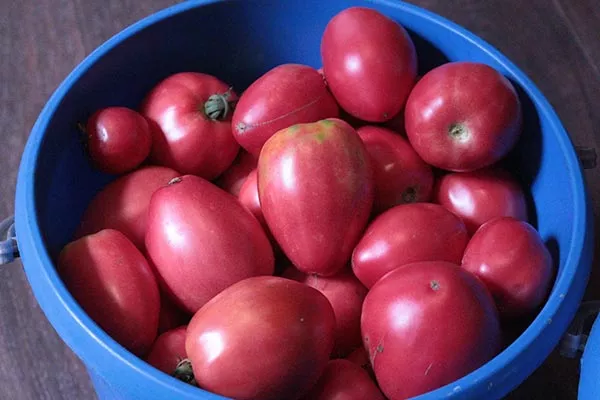
To ripen, place the fruits in a single layer in boxes or baskets, or spread them out on a windowsill. To speed up the ripening process, place a few ripe ones next to the unripe ones.
Disadvantages of the variety
In addition to insect attacks and diseases, other challenges can arise when growing the crop. One of these is the weight of large fruits, which can cause trunks to break and plants to bend toward the ground. Therefore, it's important to securely tie them to supports.
It is important to monitor fertilizing, as a lack of nutrients can significantly reduce the yield.
Advantages of the variety
The variety's shortcomings pale in comparison to its many obvious advantages. Among them:
Useful properties of fruits:
- Vitamins B and K strengthen the immune system, improve the functioning of the cardiovascular system and metabolism.
- Pectin cleanses the body, lowers cholesterol levels and may reduce the risk of cancer.
- Mineral salts (calcium, magnesium, iodine, iron and others) contribute to the normal functioning of the body.
- Fiber supports gastrointestinal health.
The fruits are widely used in cooking – for making salads, sauces, adjika, canning and many other dishes.
Gardeners' reviews
The Bull's Heart tomato is an ideal choice for those who appreciate tasty and juicy fruits. This variety is worth every effort, despite some growing difficulties. Excellent productivity, excellent flavor, and culinary versatility make it a real find for both beginner and experienced gardeners. With proper care, you can reap bountiful harvests.