
The Budyonovka tomato is a variety that has deservedly gained popularity and become a favorite among both novice and experienced gardeners. It boasts excellent flavor, good disease and pest resistance, and excellent yields. It's easy to care for, but with proper agricultural practices, you can reap generous harvests of high-quality tomatoes.
History of creation and characteristics of the variety
This popular variety was developed by E. N. Andreeva, S. L. Nazina, and M. I. Ushakova, employees of the Tomagros Breeding and Seed Company. It was intended for cultivation in Siberia and other harsh Russian regions.
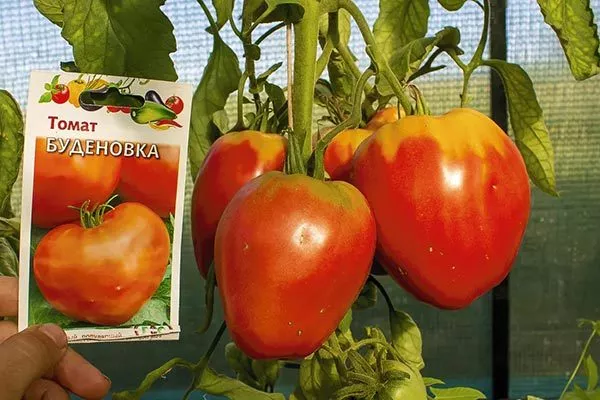
The variety was approved for use in 2002 and entered into the register as a mid-early salad crop. It is most often used fresh or sliced for canning.
Description of the bush and fruits
The plant is medium-sized, reaching a height of up to 150 cm. It is an indeterminate variety, meaning that pinching at the top is necessary to limit growth and maintain the integrity of the bush, promoting a good harvest.
Distinctive features:
- The bush is characterized by dense foliage. The leaves are small, wrinkled, and pubescent, with a rich green color. They are evenly distributed throughout the bush.
- The inflorescences are simple, with one or two branches, formed starting from the 9th leaf and then every three leaves.
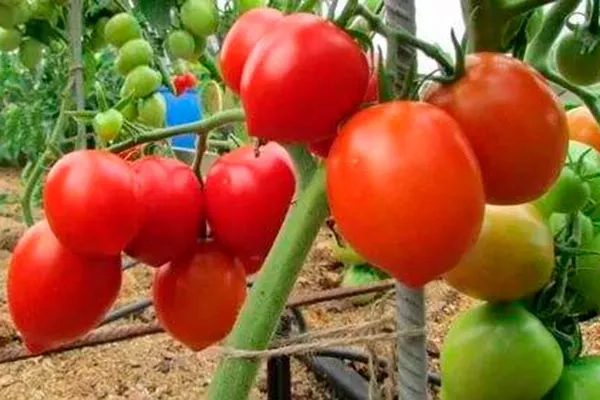
- The fruits have pale green skin when unripe, which turns bright red when ripe.
- The weight of tomatoes varies from 150 to 350 g depending on the number of ovaries and growing conditions.
The tomatoes are heart-shaped, with pronounced ribbing and juicy, medium-density, scarlet flesh. The skin is smooth, thin, but firm.
Key characteristics of the variety
The Budyonovka tomato is a variety that has proven itself among gardeners thanks to many years of successful cultivation. The name comes from the round shape of the fruit with a pointed tip—its creators compared it to the legendary Red Army cap.
- ✓ High resistance to temperature changes.
- ✓ Ability to bear fruit in short daylight conditions.
Taste and uses of tomatoes
Tomatoes have a sweet, slightly tart flavor. Their flesh is plump and very juicy. They make excellent juice, flavorful sauces, and thick pastes. The fruits are suitable for fresh eating and freezing.
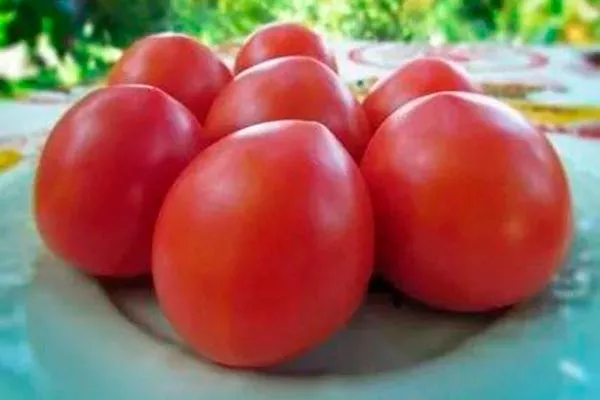
Tomatoes contain many beneficial minerals and valuable vitamins, making them an excellent addition to a diet.
Ripening, fruiting and productivity
By the end of July, green vegetables begin to ripen from the inside, and their skin gradually turns pink. It's recommended to harvest the vegetables when they begin to brown. They are stored in a lighted area, where they fully ripen within three days.
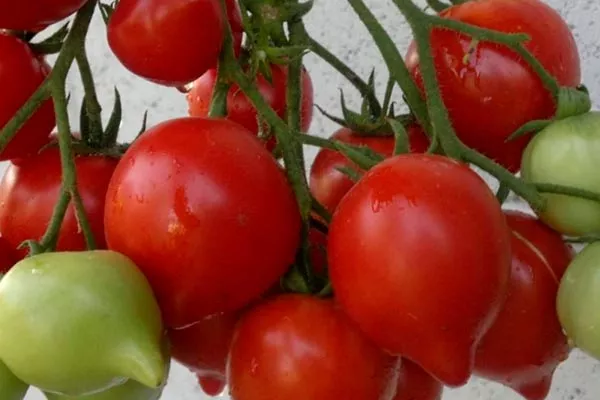
The fruiting cycle lasts over 100 days, as tomatoes on different trusses ripen at different times. The first tomatoes ripen on the lower trusses, and the last ones on the upper trusses.
The variety's productivity is quite high compared to other varieties: 9.3 kg are harvested per square meter, and up to 5 kg per bush. The harvest is carried out from July to September.
Suitable regions and climatic conditions
Budyonovka tomatoes grow successfully in a variety of weather conditions and do not crack due to temperature fluctuations. The main differences lie in planting methods:
- In the northern regions, seedlings are planted in greenhouses.
- In the southern regions, sowing in open ground is permitted.
The bushes are cultivated throughout Russia, as well as in countries with a similar climate: Belarus, Moldova, Kazakhstan, Ukraine.
Growing the Budyonovka variety
Cultivating this variety isn't particularly difficult, but it does require following certain guidelines. Even inexperienced gardeners can handle the process.
Sowing in open ground
Sow the seedlings in beds under plastic cover in early May. To do this, first dig the area and add nitrogen fertilizer—rotted manure or compost heap soil. After digging, level the soil and remove large clods.
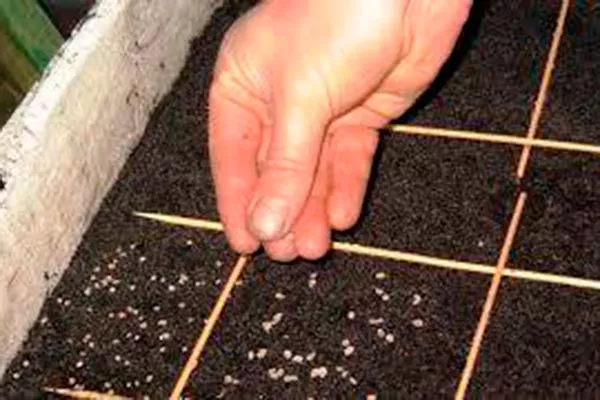
Follow the rules:
- To disinfect, water the soil with a bright pink solution of potassium permanganate.
- Make furrows no more than 2 cm deep and sow tomato seeds at intervals of 5 cm. Maintain a 7 cm spacing between rows.
- Install arches and cover the crops with greenhouse film.
Further care consists of ventilation in warm weather and watering as needed. Transplant the seedlings to their permanent location once the threat of spring frosts has passed.
Peculiarities of growing seedlings
To ensure the bushes grow properly and produce fruit true to their variety, it's crucial to cultivate high-quality seedlings. It's crucial to prepare the seeds and sow them correctly.
Selection of seed material and its preparation
To avoid counterfeits and purchase high-quality raw materials, purchase seeds only from trusted producers and specialty stores. After purchasing the seeds, select the appropriate planting material. This can be done in two ways:
- Manually: Carefully inspect each seed and remove any that are damaged, have signs of disease, or are of abnormal shape or color.
- Using 1.5% saline solution: Dissolve 5 g of salt in 1 liter of room-temperature water. Pour the resulting solution over the grains. Empty seeds will float to the surface, while the usable ones will sink to the bottom.
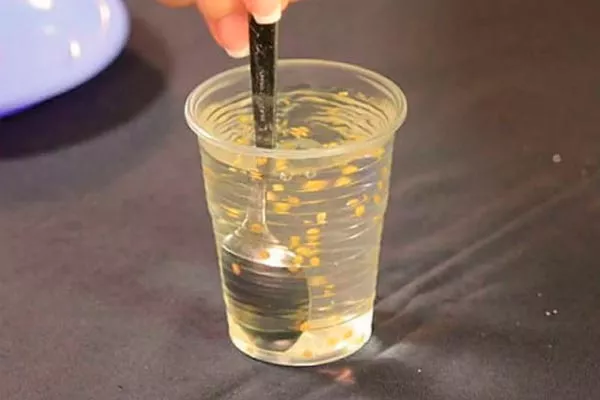
If the seeds are from a fresh tomato, follow these steps:
- Remove the pulp and place it in a jar, filling it 2/3 full with water.
- Leave in a warm place for a week, then rinse and dry the separated grains.
Step-by-step process of sowing seeds for seedlings
Begin the process in late March to mid-April. Plant the seeds no more than 0.5 cm deep, with 15 cm between them. To increase germination, cover the container with plastic wrap, as the optimal temperature for germination is 20-25°C.
- ✓ Optimum soil temperature for sowing seeds: +20-25°C.
- ✓ Seed sowing depth: no more than 0.5 cm.
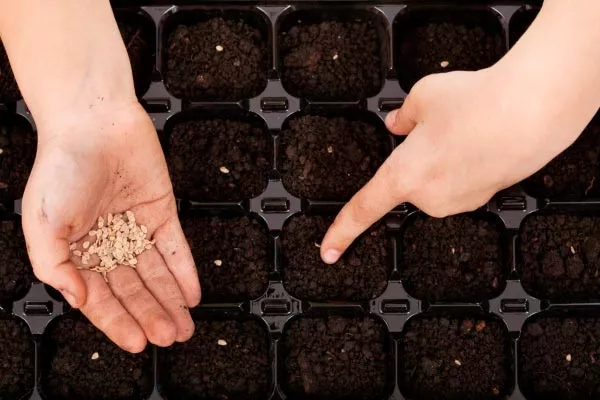
Once the seedlings emerge, remove the cover and reduce the temperature to 18°C for continued growth. When the first true leaves emerge, transplant the plants into larger containers (200-300 ml) with new potting mix.
Transplanting
Prepare the soil for transplanting seedlings in October. Follow these steps:
- Dig the soil to a depth of 25-30 cm, removing plant debris.
- Add organic fertilizers such as compost or manure to the soil at a rate of 5-10 kg per 1 sq. m.
Tomatoes will grow best in soil where crops such as cabbage, zucchini, cucumbers, carrots and onions were grown last year.
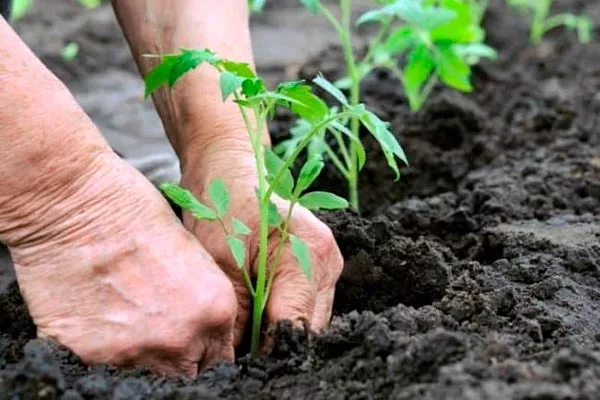
Helpful tips:
- Transplant seedlings into open ground 50-65 days after sowing, when the first flower clusters appear. In northern regions, plant the plants only after all danger of frost has passed.
- In the south, planting is permitted as early as mid-April, when the air temperature is consistently +17-18°C.
- Before planting, thoroughly loosen the soil to oxygenate it. Experienced gardeners use a staggered or parallel planting pattern, leaving 30-40 cm between plants.
Care instructions
Budyonovka tomato seedlings require special attention until they begin to actively grow. To ensure a high-quality and abundant harvest, it's important to follow standard agricultural practices.
Watering
With proper planting and mulching, bushes require watering only when the soil dries out, approximately every 5-7 days. Follow these basic guidelines:
- After rooting, water the seedlings twice every 10 days until the first ovary and several flower clusters appear.
- After this, watering the tomatoes once every 10 days is sufficient. If there is no mulch, loosen the soil after watering.
- Given the deep roots, watering should be infrequent but generous. The soil must be thoroughly soaked, otherwise the plants will not receive the nutrition they need.
- Sprinkler irrigation is not recommended. Apply the liquid at the roots, avoiding contact with the leaves and trunks.
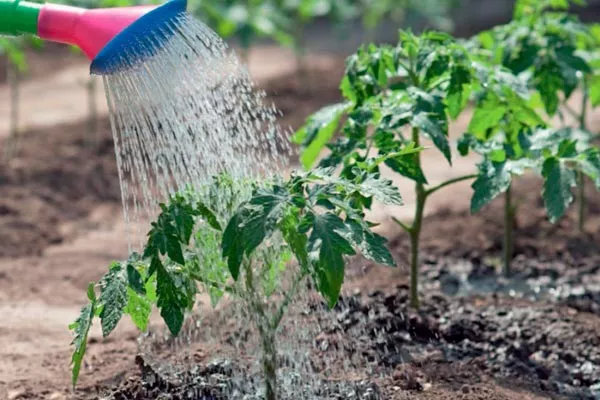
Budyonovka bushes are not prone to cracking, so keep them moist even during the ripening of the lower clusters, supporting the growth of the upper ovaries.
Loosening and weeding
Loosening the soil around the seedlings is important to ensure oxygen reaches the roots and prevent a crust from forming on the surface. This procedure helps improve the soil's water and air permeability. Loosen the soil carefully to avoid damaging the roots, especially near the stem.
Weed regularly to remove weeds that compete with plants for nutrients and water. This promotes better growth and prevents the spread of weed-related diseases.
Combine loosening with watering, as moisture helps soften the soil. Remove weeds manually or with specialized tools to avoid damaging the plants.
Top dressing
The Budyonovka tomato is considered a variety that doesn't require frequent fertilization. The tomatoes set fruit well and gain average weight with moderate application of mineral or organic fertilizers.
To get large, sweet tomatoes, apply several thorough fertilizers. The main steps for fertilizing are:
- during flowering;
- at the beginning of fruiting;
- 15 days after the second feeding.
Both mineral and organic fertilizers with phosphorus and potassium components are suitable for this variety. At the beginning of the growing season, use nitrogen fertilizers.
Prepare natural nutrient solutions from wood ash, nettle infusions, and onion peels. Add crushed eggshells when loosening the soil. The plant responds well to foliar feeding with a boric acid solution applied to the ovaries.
Mulching and pinching out side shoots
This procedure helps retain soil moisture, prevents weed growth, and improves soil structure. Straw, hay, or peat mulch is suitable for the Budyonovka variety—place it around the plant, leaving space around the trunk. This helps maintain a stable soil temperature.
Pinching out side shoots helps improve ventilation and increase fruiting. Remove side shoots, leaving the main stems, which promotes better tomato development. Perform this process regularly to avoid overcrowding.
Hilling and garter
To improve the root system and ensure its better stabilization and nutrition, hill up the plant several times per season, especially after the initial stages of growth, to create an additional layer of soil around the stem. This promotes the development of additional roots, which help absorb more nutrients.
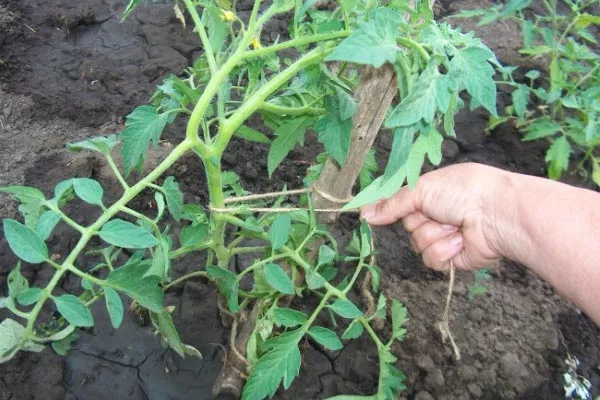
Staking is essential to maintain the stability of the bushes and prevent damage. Secure the shoots to the supports to keep the tomatoes off the ground, which reduces the risk of disease. Staking should be done carefully to avoid damaging the stems, ensuring support at every stage of growth.
Getting seeds from your own garden
For growing, it's recommended to harvest the seeds yourself. To obtain high-quality planting material, follow these steps:
- Leave the largest and healthiest fruit on the bush and wait until it is fully ripe.
- Remove the pulp with seeds and cover it with water in a glass container.
- After a week, when the mixture has fermented in a warm place, the seeds will float to the surface. Rinse them, place them on a clean napkin, and let them dry in a dry, ventilated place.
For storage, use a glass container with an airtight lid, filling it no more than halfway. Label the jar with the harvest date and seed variety.
Methods for increasing crop yields
Gardeners use a variety of effective methods to improve productivity. Here are the main ones:
- Timely removal of stepchildren from the leaf axils, as they take away a significant portion of the nutrients.
- Pinching the main root when planting seedlings to stimulate the formation of lateral roots, which will provide the bushes with a sufficient amount of nutrients.
- Trimming lateral roots promotes the development of a stronger root system and improved nutrition of the upper part.
- Pinching the top of the central stem stimulates the growth of lateral shoots and an increase in the number of fruiting branches.
- Removing excess leaves, shading the bushes, improves illumination and promotes a more efficient process of photosynthesis.
- Tapping on the stem During flowering, it helps improve pollination and ovary formation.
- Removing flowers on the trunk by the end of the season, which did not have time to form an ovary, which reduces the consumption of nutrients.
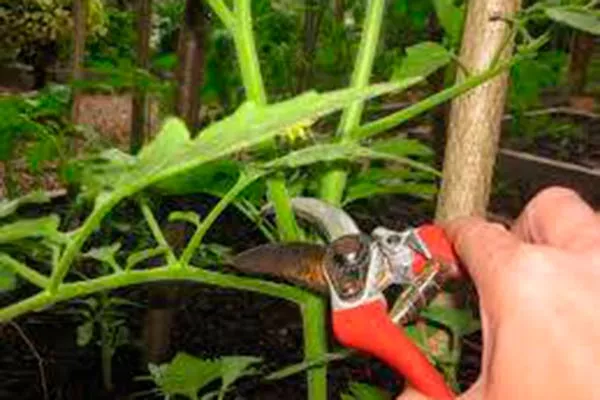
These techniques can significantly increase the yield and quality of fruits.
Fruit harvesting and storage
It takes 2-3 months for tomatoes to ripen, as they mature gradually. The first fruits ripen in mid-July. To ensure a more even ripening process, tomatoes are often picked unripe and stored in a bright, cool place; they will ripen within 3 days.
To preserve your harvest for longer, pick the fruit before it's fully ripe. The best way to do this is to prepare preserves for the winter.
Treatment and prevention of diseases and pests
Despite the apparent fragility of the Budyonovka tomato plant, it is highly resistant to common diseases. These include:
- downy mildew;
- late blight;
- Alternaria;
- Tomato mosaic virus;
- powdery mildew.
However, bushes are protected from damage only if proper agricultural practices are followed and preventative spraying is carried out regularly. In conditions of high humidity, extreme temperatures, or excessively dense plantings, disease resistance may decrease.
If signs of infection appear, treatment with specialized chemicals will be necessary. To prevent disease, use biological products:
- Fitoverm;
- Baktofit;
- Fitosporin;
- Sporobacterin;
- Epin Extra.
These biological products have a systemic effect, strengthen the plants' natural defenses, and are harmless to bees, animals, or people. They improve soil quality. Spray every 10 days. Tomatoes are safe to eat within three days of treatment.
Among pests, wireworms and slugs pose the greatest threat to Budyonovka. If neighboring plantings are infested or there have been large numbers of pests in previous seasons, preventative insecticide treatments, including soil spraying, are recommended.
Pros and cons
The plant attracts attention with a number of features and qualities. Among its advantages are the following:
Experienced gardeners who grow the crop year after year claim that it has no drawbacks.
Reviews
The Budyonovka tomato is an excellent choice for planting in both small plots and large areas. Its early ripening, disease resistance, and ease of care make it ideal for those who value a high-quality harvest with minimal effort. The vibrant flavor and versatility of its vegetables add great value to this variety.