
Boy-Boy is a versatile tomato variety perfect for those who appreciate large, tasty tomatoes. Ideal for fresh consumption, processing, and storage, it boasts high yields and disease resistance. With proper care, you can grow high-quality tomatoes with minimal effort.
Description of the bush and fruits
The plants are robust and medium-sized, reaching 150-170 cm in height. The leaves have a characteristic potato-like appearance and a classic green hue.
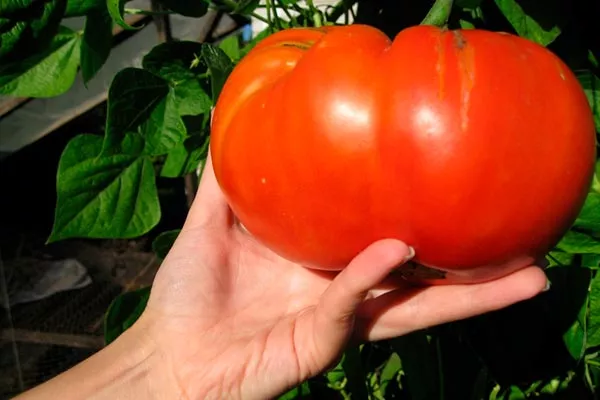
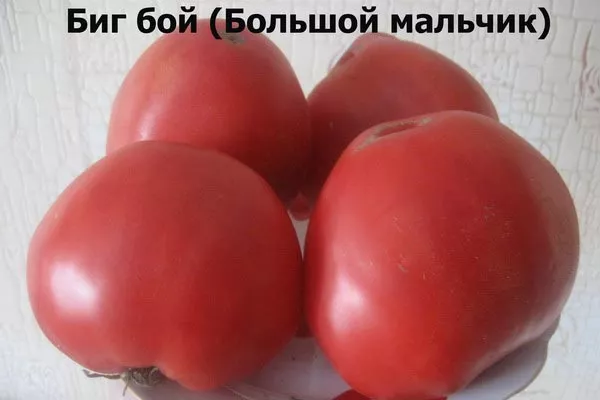
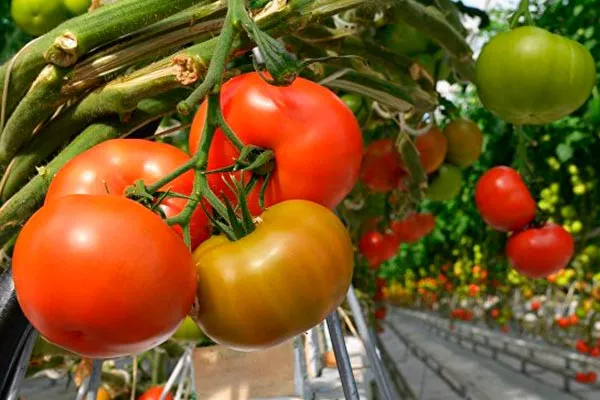
Ripe fruits are raspberry-pink in color and impressive in size. They range in weight from 300 to 550 g, but the lower branches can bear true giants weighing up to 700-800 g. This makes this variety especially appealing to those who prefer large-fruited tomatoes.
Key characteristics of the variety
The fruits ripen 105-110 days after germination. Boy-Boy yields 4-6 kg per bush and up to 14 kg per square meter, making it highly productive and profitable to grow.
The crop is characterized by high resistance to most common nightshade diseases, including late blight, fusarium wilt, and verticillium wilt. Thanks to its strong immunity, it is rarely attacked by pests, especially when agricultural recommendations are followed.
The plants tolerate dry periods well. Even with a lack of moisture, they continue to produce a stable harvest, but to achieve maximum productivity, it is recommended to maintain an optimal watering and feeding regime.
Taste and uses of tomatoes
The flesh is plump and juicy, with a distinct sweet flavor. The fruits are ideal for fresh salads, sauces, and other culinary dishes. Furthermore, they retain their flavor perfectly even after cooking.
Thanks to their pleasant aroma and firm flesh, tomatoes are often used for baking, stuffing, and making homemade preserves, such as lecho or tomatoes in their own juice. They are also suitable for slicing and adding to sandwiches or pizza.
Sowing and caring for crops
Sow seeds for seedlings 55-60 days before transplanting into the ground. This is usually late February or early March.
Follow these recommendations:
- Seed preparation. Growers often treat seeds with fungicides, so additional soaking is not necessary. If they are untreated, soak them in a solution of potassium permanganate or a growth stimulant.
- Soil mixture. Use a mixture of garden soil, peat moss, and humus in equal proportions. Add a little wood ash.
- Sowing depth. Plant the seeds 1-1.5 cm deep, moisten with warm water, and cover with plastic wrap or glass to create a greenhouse effect. Maintain a temperature of 22 to 25°C for germination.
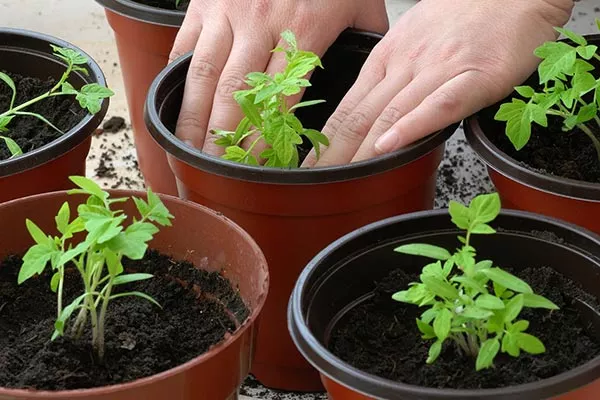
- Picking. After two true leaves appear, transplant the seedlings into separate cups.
- Transfer. Dig over the beds and fertilize them with humus. Add a little superphosphate and wood ash to each hole. Plant the seedlings in a greenhouse in late April or early May, and in open ground after the last spring frosts have passed and the soil has warmed to 15°C.
Place the bushes according to a 50x50 cm pattern. No more than 4 plants should grow per 1 square meter.
- ✓ Optimum soil temperature for seed germination: +22…+25°C.
- ✓ Seed sowing depth: 1-1.5 cm.
- ✓ Distance between bushes when planting: 50×50 cm.
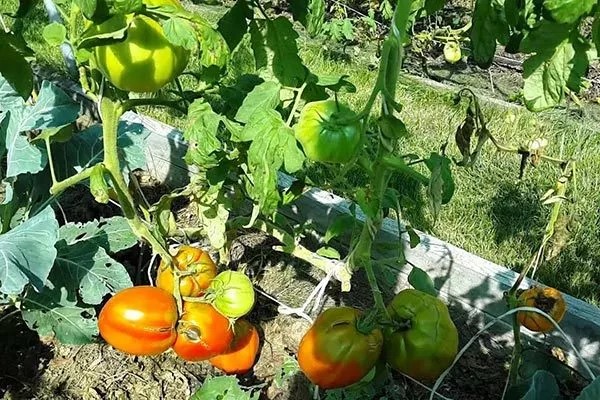
After transplanting the seedlings, provide them with proper care:
- Watering. Water the plants moderately, avoiding overwatering. Water the plants for the first time 3-5 days after repotting. Use warm, settled water, applying it directly to the roots. Increase watering during flowering and fruiting.
- Top dressing. Two weeks after repotting, apply nitrophoska or mullein infusion. During budding, phosphorus-potassium fertilizers, such as superphosphate and potassium sulfate, are effective. During the period of active fruiting, add organic matter and ash.
- Pinching out stepsons. The bushes require moderate side shoot pruning. Remove excess side shoots to prevent crowding. Train the bushes into 2-3 stems to increase yield.
- Tying up. Tie the shoots to stakes or trellises to prevent them from lodging under the weight of the fruit. Begin this process 1-2 weeks after transplanting.
Treatment and prevention of diseases and pests
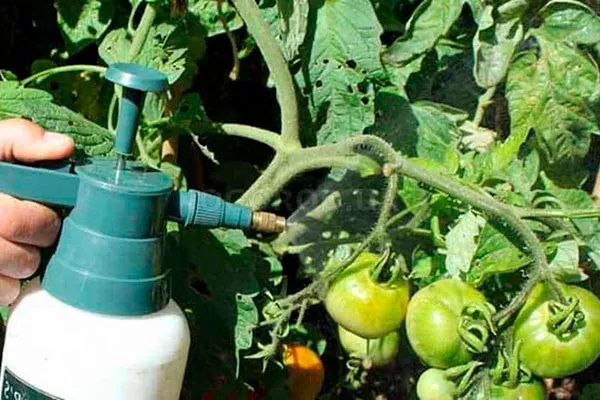
Regular treatment and preventative maintenance are essential for this crop to protect the bushes from diseases and pests. Take protective measures:
- Late blight, fusarium, verticillium. Use fungicides such as Fitosporin, Topaz, or Previkur. Ventilate the greenhouse regularly to avoid excess humidity. Water the plants at the roots, avoiding contact with the leaves.
- Gray and white rot. Ensure moderate watering and avoid overwatering. Remove damaged leaves and shoots. Treat the plants with copper-based products, such as Bordeaux mixture.
- Viral infections (mosaic, curl). Disinfect seeds in a weak solution of potassium permanganate. Remove infected plants to prevent spread. Once a month, apply a preventative treatment with garlic or onion peel infusion.
- Aphids, whiteflies. Use insecticides such as Aktara or Fufanon. For biological control, use an infusion of wood ash or tobacco dust.
- Spider mite. Treat the bushes with acaricides, such as Fitoverm or Kleschevit. Humidify the air in the greenhouse, as the pest prefers a dry environment.
- Colorado potato beetle, slugs. Hand-picking pests helps in the early stages. Place traps filled with beer or salt solution around your garden beds.
Pros and cons
Before planting a crop, carefully study its characteristics. This will help you avoid potential difficulties in the future. The Boy-Boy variety has many advantages:
Reviews
The Boy-Boy tomato is a vigorous indeterminate variety that has gained popularity thanks to its large, juicy, and sweet fruits. It's ideal for greenhouse cultivation and delivers a consistent harvest even in challenging conditions. Regular care is essential to maximize its potential and ensure bountiful harvests throughout the season.