
Boni MM is an early-ripening variety that has become popular and sought after due to its good productivity and resistance to adverse conditions. Its tomatoes have a strong immune system, making it an ideal choice for outdoor cultivation. The fruits are small, but abundant. They have excellent flavor and do not crack during transportation.
Selection and growing regions
The cultivar was developed by Gavrish Breeding Firm LLC. Renowned scientists S. F. Gavrish, O. A. Volok, E. V. Amcheslavskaya, and V. V. Morev participated in its development. Breeding work began in 1988. It is believed that the variety was named after a popular musical group of the time.
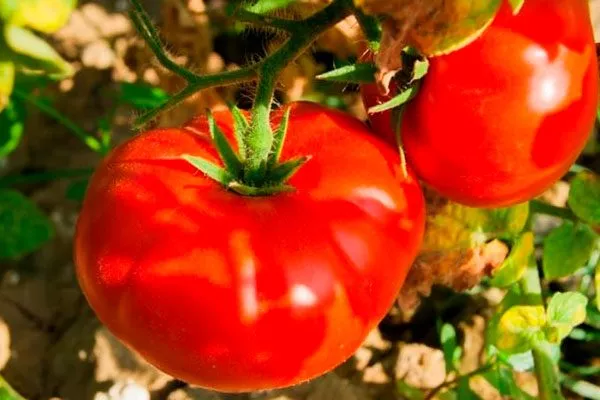
After extensive research, the tomato was added to the State Register of Breeding Achievements of the Russian Federation in 2001. It is successfully cultivated throughout Russia. It has also gained popularity in neighboring countries, including Belarus and Ukraine.
Description of the bush and fruits
Boni MM is a determinate standard variety. Plant height does not exceed 50 cm.
Distinguishing features:
- stem – erect, with moderate foliage and weak branching;
- bush – does not require shaping or pinching, which makes caring for it as easy as possible;
- leaves - small, dark green in color;
- inflorescences – have a simple structure: the first appears above the 6-7th leaf, and subsequent clusters are formed without gaps between the leaves.
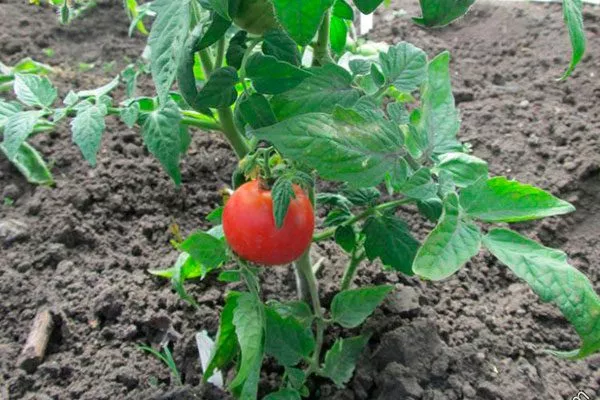
Each flower cluster produces several tomatoes at once, so the stems need to be supported to prevent the plants from leaning under their weight.
Features of tomatoes:
- small, cocktail type, weighing 58-63 g;
- have a flat-round shape with slight ribbing at the peduncle with articulation;
- at the stage of technical maturity they are green, with a dark emerald hue;
- As they ripen, they acquire a rich red, almost scarlet color.
The vegetables have a glossy, thin skin, but it holds its shape well, allowing them to be transported over long distances without losing quality. However, when overripe, the fruits can crack, so it's important to harvest them promptly.
Main characteristics
Among the latest breeding developments, the Boni MM tomato variety stands out. According to gardeners, it combines key advantages such as low-maintenance, early maturity, excellent taste, and compact plant size.
Ripening and fruiting, productivity
The first ripe fruits are harvested as early as late June. The complete cycle from germination to full ripening takes 83-88 days. Fruit formation is short—about 14 days—which is convenient for many gardeners: the harvest can be quickly collected, making preparations early in the season and freeing up space for other crops.
In addition to its early maturity, this variety is characterized by good productivity among determinate small-fruited tomatoes. With proper care, 5.5-6.5 kg of tomatoes can be harvested per square meter, and a single bush yields an average of 2-2.5 kg.
Application area, taste qualities
The vegetables have a sweet, slightly tart flavor. The flesh is dense, meaty, and contains some juice. Due to these characteristics and their small size, they are not suitable for making sauces or ketchups.
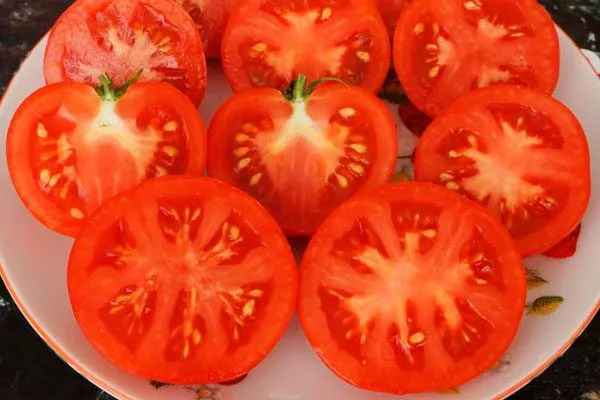
Tomatoes make a wonderful addition to fresh summer salads and retain their shape well when canned. These red, rounded fruits will brighten up any holiday table this winter.
How to grow tomato seedlings?
Boni MM is one of the rare varieties grown in Russia not only by planting seedlings. In warmer climates, the seeds can be sown directly into open ground.
Preparation of planting material
Most gardeners prefer to grow tomatoes from seedlings, as this allows for a harvest as early as June. Before sowing, treat the seeds, but check their expiration date first.
Helpful tips:
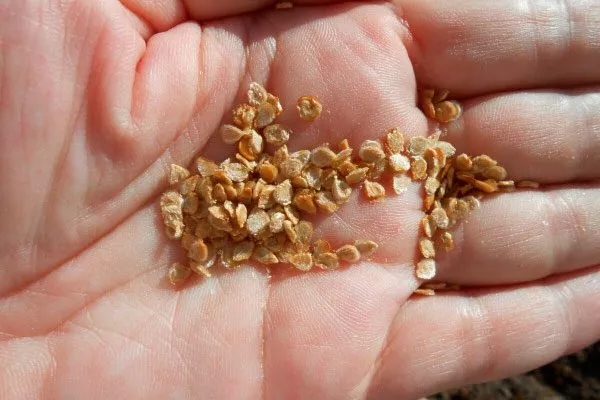
- The germination rate of Boni MM seeds is approximately 60%, so before planting, select the seeds: soak them in salted water for 30 minutes. Those that sink to the bottom are suitable for further use.
- To protect plants from infections, disinfect the seed by immersing it in a weak solution of potassium permanganate for 30 minutes or in a soda solution for 12 hours.
To speed up germination, treat the seeds with growth stimulants such as Epin or Fitosporin. Alternatively, you can use folk remedies such as a honey mixture or aloe vera juice.
Selecting containers and soil
The Boni MM tomato is not a rare or collectible variety, so its seedlings are usually grown in the traditional way, without the use of peat tablets.
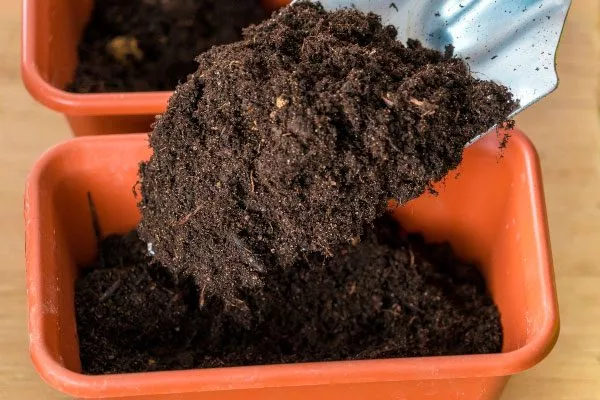
Follow the rules:
- For sowing seeds, choose wide but shallow containers. These can be special boxes and plastic trays from stores, or scrap materials like cut-down juice cartons and bottles.
- Transplant into separate pots – store-bought or homemade.
- You can purchase potting soil at specialty stores or make your own by mixing equal parts peat, black soil, and humus. Sand and coconut coir can be used instead of peat. To enrich the soil, add ash and superphosphate, and if it's highly acidic, add lime.
Sowing seeds and caring for seedlings
Once you've completed the preparation, begin placing the grains. Follow these steps:
- Fill the containers with soil, leaving about 3 cm to the edge.
- Place the seeds in rows at least 2 cm apart, then cover with 1 cm of soil. Do not compact the soil too much.
- Moisten the crops with warm, settled water from a spray bottle, cover with film and leave in a heated room.
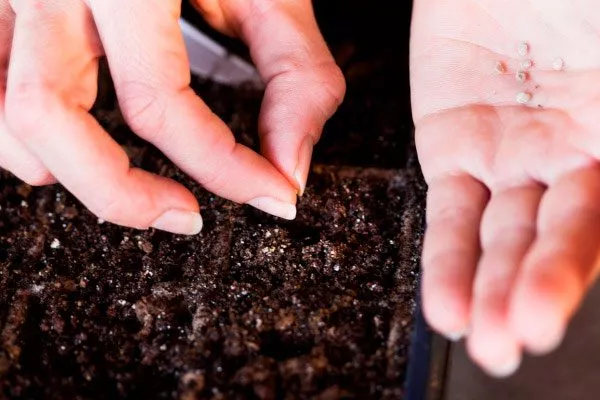
Until the seedlings appear, no light is required, and high temperatures speed up the germination process.
Basic rules for caring for seedlings:
- until the sprouts appear, moisten the soil regularly;
- If mold forms, remove the contaminated layer and treat the surface with a weak solution of potassium permanganate;
- move the container with seedlings to a bright place, install phytolamps if necessary;
- a week after the seedlings have sprouted, remove the improvised greenhouse – remove the film;
- After several true leaves have formed, transplant the seedlings into separate pots;
- Apply fertilizer three times: 2 weeks after picking, 14 days later, and 3-5 days before placing in the garden beds. Use complex fertilizers.
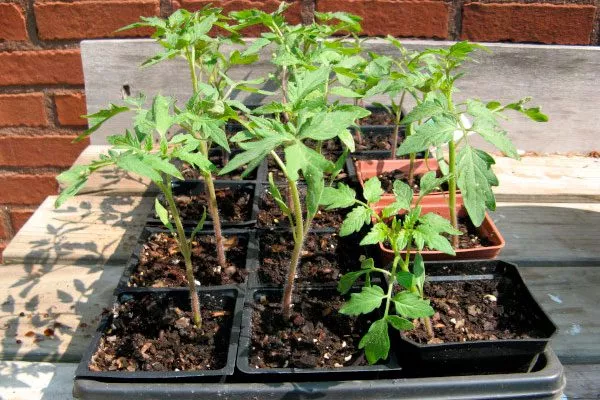
10-14 days before planting in the ground, gradually acclimate the plants to outdoor conditions, increasing the time spent outdoors.
Planting tomatoes in a permanent location
Begin preparing your tomato beds in the fall: dig the soil, clear away weeds, and add organic fertilizer, such as manure. If necessary, use lime to reduce acidity.

Follow these steps:
- In the spring, plow the area again and remove any remaining plant roots. To plant tomatoes, dig holes, spacing them staggered, 50 cm between plants and 30-40 cm between rows. This should result in 6 to 9 plants per square meter.
- Before transplanting, carefully remove the seedlings from their pots, along with the root ball, and place them in the center of the prepared holes. Then, generously moisten the holes with warm water and fill them with soil.
Water the plants only two weeks after planting. Apply the first fertilizer at this time.
Bonnie MM Care Instructions
It's important to provide regular care for the crop. Follow standard agricultural practices:
- Watering and spraying. In the first few days after planting, plants require ample watering. Then, water the soil 2-3 times a week, reducing the frequency during rainy weather. Apply only warm, settled water at the roots, preferably in the evening, around sunset.
It's recommended to combine abundant watering with hilling during early growth to promote additional root development. Loosen the spaces between rows and mulch the soil with dry grass or sawdust to improve aeration and retain moisture. - Top dressing. Apply complex fertilizers every two weeks. You can replace them with herbal mixtures, manure infusion, or ash solution. Afterward, loosen the soil to improve nutrient absorption.
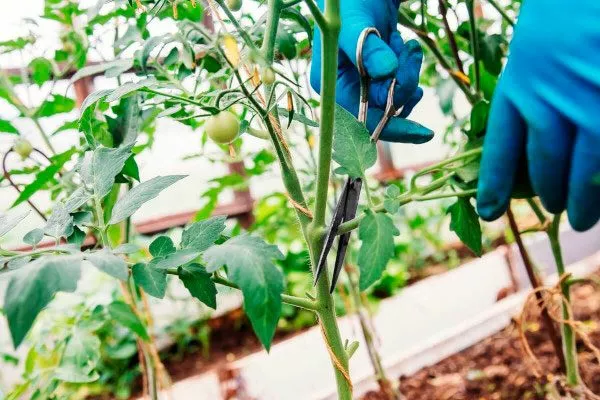
- Structuring and tying. Boni MM tomatoes generally don't require pinching, but overgrown lower leaves can restrict air circulation, so trim them back. Remove small fruits from the bottom promptly to ensure larger remaining tomatoes. Staking the plants isn't necessary, but if they begin to droop under the weight of the tomatoes, secure the stems to supports.

Mistakes of novice gardeners and secrets of experienced gardeners
Beginners often make mistakes when cultivating crops, which can affect the quality of the harvest. The main mistakes are:
Improving yield and care methods:
These tricks help agronomists achieve stable and high yields, so many return to such methods in subsequent years.
Diseases and pests
Despite its strong immunity, the Boni MM tomato can be susceptible to infection through the soil or neighboring plants. Some pests can cause serious damage to the bushes and fruit, and they also carry diseases.
The most common pests that threaten this variety are:
- slugs;
- butterflies;
- caterpillars;
- spider mites;
- mole crickets;
- beetles;
- worms.
If these insects attack your tomato plants, getting rid of them will be difficult. The primary method of control is prevention. To prevent this, spray your plants with special products that will create an unfavorable environment for the pests. Actellic is an effective pesticide.
Helpful tips:
- Use Ridomil Gold to treat your garden beds. Be sure to spray the soil, as it may contain larvae, which will develop into full-fledged pests within a few days.
- A soap solution is a good remedy against spider mites and slugs, but to control beetles you will need a strong insecticide.
- The mole cricket cannot stand chicken eggshells and bird droppings.
Features of cultivation in open and protected ground
The Boni MM tomato is recommended for growing in garden beds – this variety performs best in such conditions. For the first two weeks after planting, cover the plants at night to prevent frost damage.
Mulching is useful for retaining soil moisture, protecting roots from freezing, and preventing diseases. You can use burlap or dry grass for these purposes. Maintain optimal humidity in greenhouses by regularly ventilating the room by opening the windows.
Pros and cons
Before planting a crop, be sure you're familiar with all its characteristics, advantages, and disadvantages. The Boni MM variety's key advantages include:
Some gardeners consider the small size of tomatoes, their need for watering and soil nutrition to be disadvantages.
Reviews
Boni MM is a variety that perfectly combines high productivity and low maintenance. It matures quickly, producing a bountiful harvest even in short summers. Its disease resistance and excellent flavor make it a favorite. It is well-suited for both novice and experienced growers.