
The Bogatyr tomato is a high-yielding variety with excellent flavor. It is resistant to disease, cracking, and environmental factors. The plants are easy to care for, but proper watering and fertilizing are important. The fruits are large, firm, and flavorful, ideal for fresh eating and canning.
Description of the bush and fruits
The originator of this cultivar is Lyubov Anatolyevna Myazina, who has created over 25 varieties and nearly 40 tomato hybrids. In 2007, the variety was added to the State Register of Breeding Achievements. It belongs to the determinate type and grows well both in open ground and in plastic greenhouses.
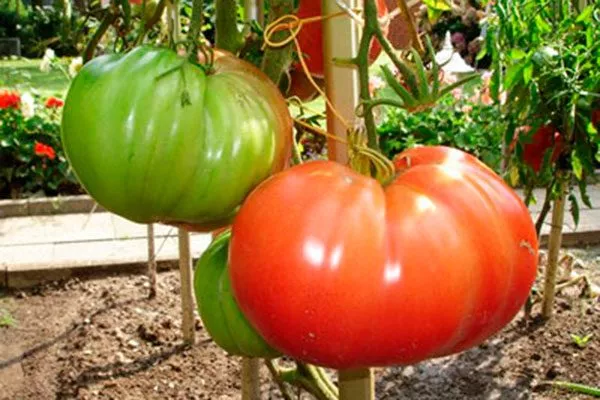
Distinguishing qualities:
- bushes – low-growing, reaching 55-70 cm, which makes them easy to care for;
- shoots – medium foliage, but strong enough to support the weight of the fruit;
- leaves - small, colored green;
- inflorescences – simple;
- peduncle – with articulation;
- tomatoes - large, about 300-400 g, but there are small specimens weighing no more than 150 g;
- skin – smooth.
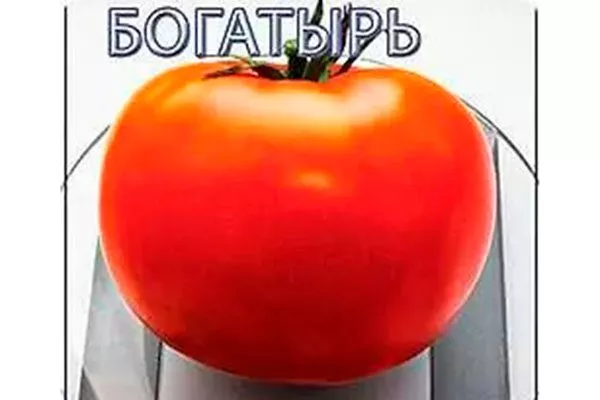
Unripe tomatoes are light green, turning a deep red when fully ripe. The fruit is flat-round with slight ribbing, and the flesh is medium-firm.
Characteristics of the Bogatyr tomato
Bogatyr boasts numerous advantages. It's a productive crop with a strong immune system and an attractive marketable appearance.
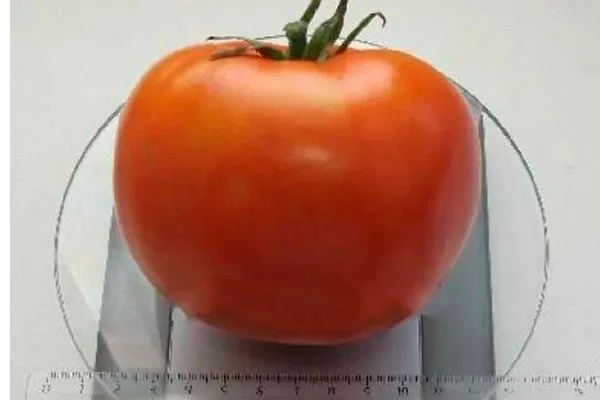
Key Features:
- Tomato yield Bogatyr, ripening. This mid-season variety produces tomatoes ready for harvest in just 105-110 days. It's highly productive. With proper care, a single bush can yield 3-4.5 kg of aromatic fruit, and even more under favorable conditions.
- Disease resistance. The crop is characterized by strong immunity to diseases and pests. This immunity is maintained with proper care.
- Where they are grown. Tomatoes are successfully grown outdoors in the south and central regions of the country. In Siberia and the Far East, tomatoes are planted in greenhouses.
- Purpose and application. Tomatoes are versatile. They are used to make fresh salads, appetizers, and sliced vegetables, as well as winter preserves such as sauces, pastes, and juice. Due to their large size, they are not suitable for whole-fruit canning.
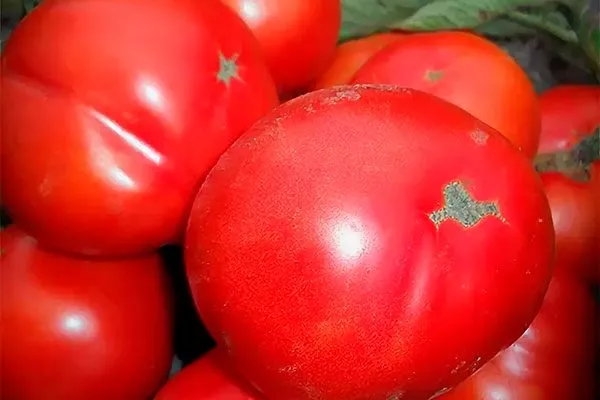
The pulp is juicy, meaty, and low in seeds, with a medium density. A sugary sheen is visible when broken. The strong skin protects the fruit from cracking and ensures good transportability.
Growing seedlings
Tomato cultivation begins with sowing seeds to ensure high-quality, strong seedlings. It's important to follow certain guidelines to ensure proper planting.
- ✓ Optimum soil temperature for planting seedlings: not lower than +15°C.
- ✓ Recommended soil pH: 6.0-6.8.
Seed preparation
Preparing planting material is a necessary step before planting any plants. Follow these steps:
- Disinfect the seeds by placing them in warm water with a small amount of potassium permanganate for 30 minutes.
- Sprout the seeds: arrange them in rows on a flat surface (a tray, baking sheet, or a box without holes) and cover with damp cheesecloth. This fabric retains moisture better than other types and allows air to pass through. It should remain damp. If necessary, mist it with a spray bottle to avoid over-wetting the seeds.
To improve germination, you can use growth stimulants - Epin or diluted aloe juice.
Planting seeds
To plant the seeds, prepare a suitable container, such as a box or container. Follow these steps:
- Fill the container with loose and fertile soil and moisten slightly.
- Place the sprouted seeds in rows, leaving 1.5 cm between them. Deepen them by about 2 cm.
- Cover the seeds with a thin layer of soil and place them in a warm spot. Water daily, making sure the soil doesn't dry out.
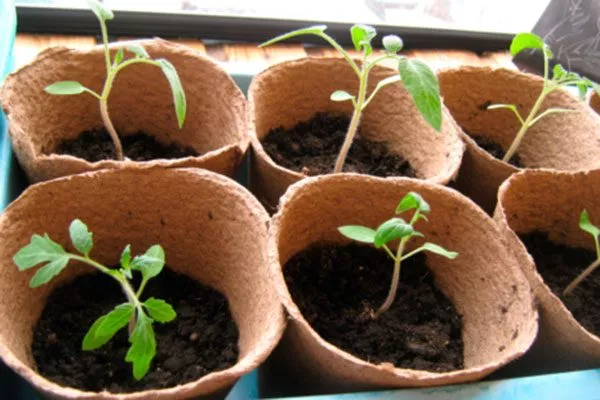
To create a greenhouse effect, cover the box with transparent film to retain heat and speed up germination.
Next steps
After germination, move the container with the seedlings to a well-lit area. If natural light is insufficient, use fluorescent lamps.
Create suitable conditions:
- The room temperature should be at least 20°C for normal growth. After 10 days, when the seedlings emerge, gradually reduce the temperature to 18°C. The seeds should germinate within 3-4 days after planting.
- As soon as the first leaves appear on the plants, transplant them into separate containers to prevent them from crowding each other. Regular watering and moderate humidity are key to their development. After 1.5 months, the seedlings will be ready for transplanting into the ground.
Care and training rules for the Bogatyr tomato
Caring for your crop can significantly increase yields, and it's easy enough for even beginners to manage. Follow standard agricultural practices:
- Watering. Water the bushes 2-3 times a week, and up to 4 times on hot days. Do not allow the top layer of soil to dry out. Use settled, room-temperature water—3 liters per bush. Water at the roots, avoiding contact with the foliage.
- Tying up. Secure the shoots so they don't droop under the weight of the tomatoes. You can use vertical or horizontal staking. Attach the branches to a support structure (such as rope or wire) or a trellis.
- Soil care. Remove weeds regularly, as they steal nutrients. Weeding helps prevent soil compaction and improves oxygen supply to the roots. Weed as weeds grow, and after watering, loosen the soil with a hoe or garden trowel.
- Top dressing. Fertilize tomatoes 1-2 times a month. Use both mineral and organic fertilizers to promote healthy growth and a bountiful harvest. Apply the fertilizer directly to the soil or through watering.
Treatment against diseases and pests
The crop is resistant to most diseases and rarely suffers from insect attacks, but prevention is recommended. Follow these steps:
- To avoid blossom-end rot, maintain a watering regime and loosen the soil regularly.
- If late blight occurs, treat the bushes with copper-containing preparations. Immediately dig up infected plants and burn them away from the site.
- To control pests, spray the plants with insecticides such as Ridomil or Karbofos. A solution of ammonia is effective against slugs, warm soapy water against aphids, and chemicals kill spider mites.
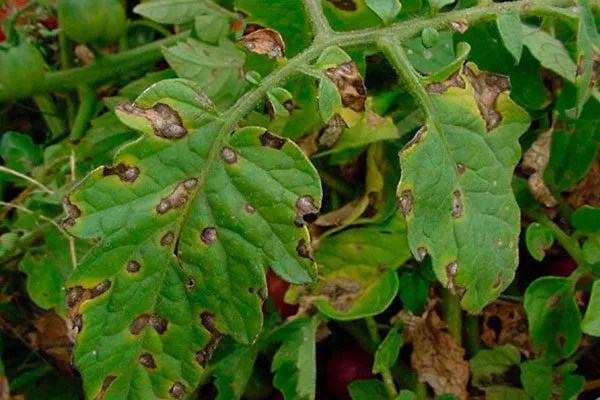
If you follow the care recommendations and preventative measures, Bogatyr tomato bushes will remain healthy and will not suffer from numerous problems.
Rules for storing fruits
Tomatoes are quite large, making them unsuitable for long-distance transportation. However, this disadvantage is offset by the ability to store unripe tomatoes. If left in a dark place, they ripen and turn bright red, acquiring an excellent flavor.
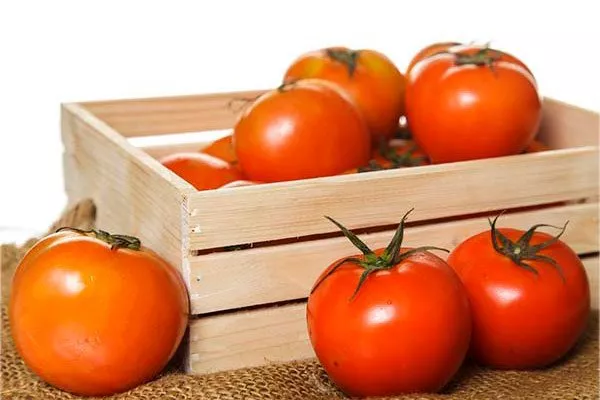
Place the fruit in wooden crates and store in a cool, well-ventilated area. Agronomists recommend a cellar or basement for storage.
Pros and cons
Bogatyr tomatoes are ideal for making ketchup. They are even used for this purpose in industry. This variety has many advantages:
The crop does have its drawbacks. Gardeners note its average resistance to sudden temperature changes and frosts, as well as its demanding soil conditions. Because of this, seedlings are usually planted a little later than those of other varieties.
Reviews
Bogatyr tomatoes are ideal for beginning gardeners and vegetable growers who value minimal maintenance and high productivity. This variety is resistant to diseases and environmental factors, making it ideal for gardening. With minimal effort, you can harvest delicious and juicy fruits throughout the season for fresh salads and other dishes.