
Tomatoes with the unique name "Bogata Khata" have been delighting gardeners with bountiful harvests for over two decades. They are medium-sized, yet excellent for fresh eating and whole-fruit canning. They have a perfectly round shape and a bright red color. Their compact bushes are ideal for planting in small spaces.
History of selection and regionality
The hybrid was developed in 1997 in Ukraine and registered in Russia in 1999. Although the variety was introduced a long time ago, gardeners still choose it for growing in greenhouses and open beds.
The tomato is successfully planted in the southern regions of the country, where it performs well in open ground. In the central part of the country, the hybrid produces generous crops in open-air beds, but requires protection from sudden temperature fluctuations and cold rains.
Characteristics and description of the variety
The Bogata Khata hybrid is a determinate variety and is known for its high productivity. Its low maintenance has made it widely popular in our country. It boasts numerous positive qualities, making it popular with both novice and experienced gardeners.
Distinctive features of the plant and characteristics of the fruits
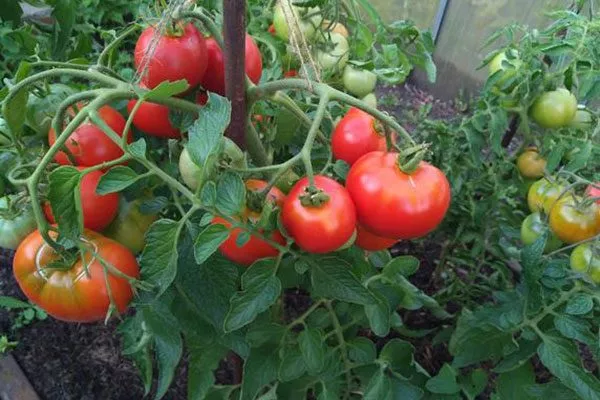
This high-yielding, standard hybrid is compact: the bush is only 35-45 cm tall. The plant has few branches and requires moderate side-shooting. Strong stems easily support several clusters, each containing three to five fruits. The bush is covered with large, dark green leaves.
- ✓ The ability to bear fruit indoors, making it ideal for growing on a windowsill.
- ✓ Ultra-early ripening period, allowing you to harvest just 95-105 days after planting.
The main characteristic of this variety is its dwarfism and ability to bear fruit even indoors, making it ideal for growing on a windowsill. Key characteristics include:
- ultra-early ripening period;
- low-branching structure;
- strong stems with intermediate inflorescence and strong peduncle.
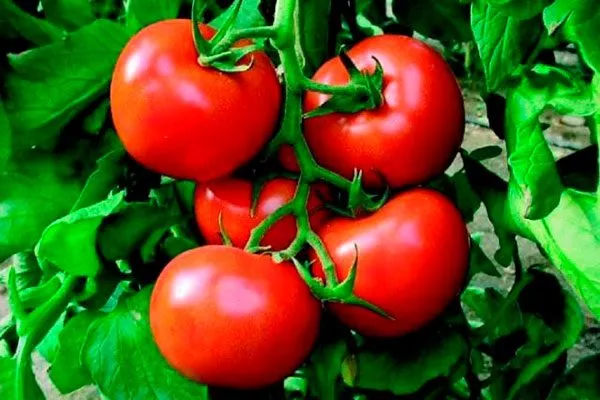
Tomatoes have a round, slightly ribbed base, a rich red color when ripe, and thick, smooth skin. Other characteristics of the vegetable include:
- The pulp is fleshy, sweet, with a characteristic tomato aroma.
- The weight of one fruit varies from 100 to 120 g, inside there are 3-4 seed nests.
Taste, ripening time and yield
This hybrid boasts juicy, dense flesh with a distinct aroma and a sweet, dessert-like flavor. This ultra-early variety ripens in 95-105 days, with harvesting beginning in July and continuing until August.
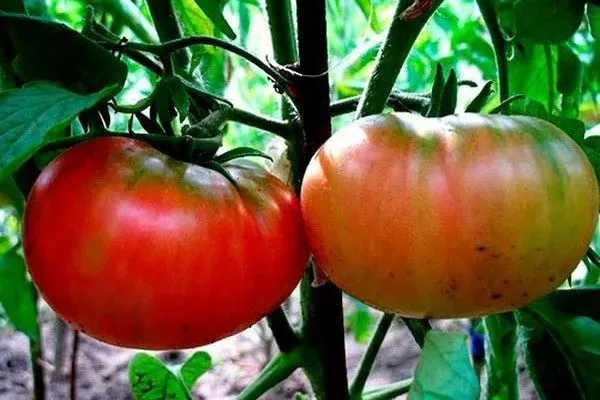
This variety is characterized by stable fruiting and good productivity. Gardeners can harvest up to 7.5-8 kg of vegetables per square meter, and up to 1.6 kg from each bush.
Application of fruits
Bogata Khata tomatoes are often grown for winter preserves. Their small size makes them easy to store in jars. They make delicious preserves, including juice, paste, and adjika. They are also used to make baby food puree.
Farmers note its excellent transportability—the vegetables are resistant to mechanical damage and retain their marketable appearance during long-distance shipping. This variety is ideal for commercial cultivation.
Resistance to diseases and pests
The hybrid has strong immunity to Fusarium wilt. However, if cultivation practices are not followed, young bushes may suffer from problems such as fruit spot or late blight.
When grown outdoors, there's a risk of Colorado potato beetle attacks. In greenhouses, the main pests are slugs, which can cause significant damage to the crop.
How to grow seedlings?
To get an earlier harvest, you first need to grow high-quality seedlings. The seeds are sown in small containers with fertile soil, and after the plants have established themselves indoors, they are transplanted to their permanent location.
Seed preparation
When choosing tomato planting material, look for a stamp on the packaging. This indicates whether the seeds have been pre-treated by the manufacturer. If not, prepare them yourself: soak the seeds in a special solution using one of the following:
- potassium permanganate;
- aloe juice;
- Fitosporin.
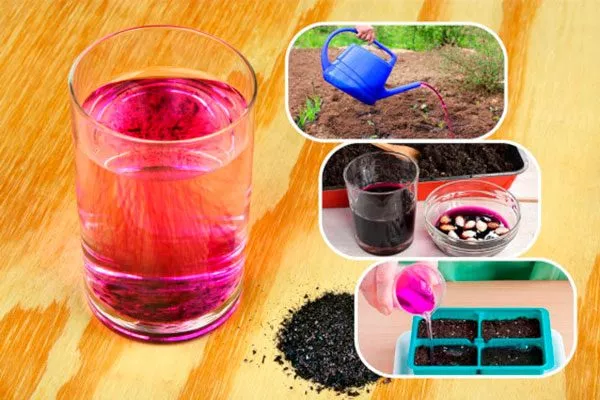
Soak the seeds in the solution for 5-8 minutes, then rinse thoroughly under running water. Dry the seeds before planting, as they should not be stored wet.
Container and soil
When choosing containers for growing tomato seedlings, consider several factors. Pay attention to the following criteria:
- Size. For the initial stage, containers with a depth of 10-12 cm are suitable, and for transplanting, a volume of 300-500 ml (or up to 1 l for further growth) will be required.
- Material. Plastic containers, peat pots, clay or wooden boxes are popular.
- Drainage. The container must have holes in the bottom to drain excess water, otherwise the roots may rot.
- Form. Rectangular or square containers are ideal for saving space.
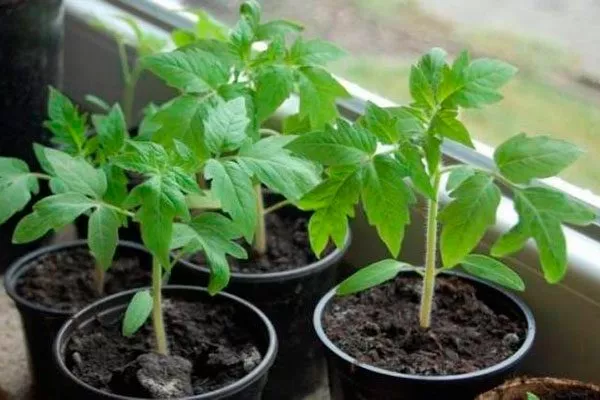
Use suitable soil—it should be light, nutritious, and well-drained. Follow these guidelines:
- A mixture of peat (50%), humus (30%), garden soil (15%), and sand or vermiculite (5%) is suitable. It provides looseness and nutrition.
- The soil should be slightly acidic or neutral (pH 6-6.5). To lower this, add wood ash or dolomite flour.
- Use a general purpose potting soil, but add additional sand or vermiculite.
Before sowing, disinfect the soil (heat it in the oven or treat it with a solution of potassium permanganate) and fertilize it (add superphosphate or ash).
Sowing and caring for seedlings
Sow the seeds in late March or early April. Fill the containers with fertile soil, plant the seeds to a depth of 1.5-2 cm, and then cover with a layer of soil.
Proper care is essential to producing high-quality seedlings. To ensure successful development of tomato seedlings at home, follow these important guidelines:
- Cover the containers with transparent film or glass and leave until the first shoots appear.
- Move the containers to a brightly lit place, such as a bright windowsill, or provide additional lighting using phytolamps.
- Young seedlings are sensitive to drafts, as the soil in the container cools quickly. Ventilate the room, but avoid over-chilling the plants.
- Water the seedlings with warm, settled water. Keep the soil moist. Once the stems grow, carefully hill the seedlings.
Once 1-2 true leaves appear, transplant the plants into individual containers. Two weeks before transplanting to their permanent location, begin hardening them off by placing them outside or on the balcony—first for two hours, gradually increasing the time spent outdoors.
Transplanting tomatoes into the ground
Tomatoes grow best in well-lit areas. Although they can thrive in partial shade, the harvest will be delayed. They dislike waterlogged areas, lowlands, and areas with a shallow water table, so choose a site at a slight elevation.
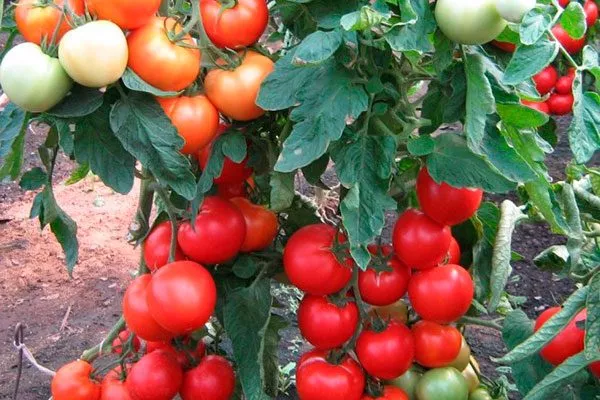
- ✓ The optimal soil temperature for planting seedlings should be at least +15°C.
- ✓ The distance between bushes when planting should be 40 cm, and between rows - 60 cm to ensure sufficient ventilation and lighting.
Follow these recommendations:
- Plant bushes in fertile light loams and sandy loam soils with a neutral or slightly acidic reaction.
- When choosing a site, consider crop rotation rules: plant tomatoes after zucchini, cabbage, carrots, and onions. Avoid planting in areas previously occupied by nightshade crops (potatoes, peppers, or eggplants).
- In the fall, dig the area to a depth of 25-30 cm, removing plant debris and weeds. For each square meter, add 10 kg of humus, 25 g of superphosphate, and 100 g of wood ash.
- Don't level the soil; leave it until spring. After the snow melts, dig the area 2-3 times and loosen it. Three to four weeks before planting, add 25 g of ammonium sulfate and 5 kg of compost per square meter.
Step-by-step instructions:
- Dig holes 30 cm deep, spaced 40 cm apart. Orient them north to south to prevent the bushes from shading each other. Moisten with warm water.
- Water the seedlings first and place them in the center of the hole.
- Fill the gaps with nutritious soil and compact it lightly. The tomato stems should be buried down to the first cotyledon leaves.
- Sprinkle the surface of the bed with sawdust, straw, or humus. If there's a risk of frost, cover the plantings with lutrasil or spunbond.
A week after the event, open the bed, as the plants will have taken root and will be able to withstand a short-term cold snap.
How to care for tomatoes?
The crop requires regular care to ensure healthy growth and a bountiful harvest. Caring for tomato plants involves following simple agricultural practices.
Watering
The frequency of watering depends on weather conditions and the growth stage of the bushes. After planting, they need time to adapt, so start watering no sooner than 7-10 days later.
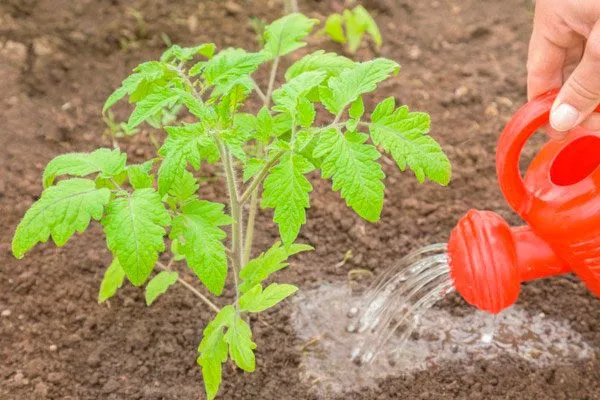
Follow the watering regime:
- Until buds appear, pour 2 liters of water under the bush every 4 days.
- During the flowering period, the need for water increases, so use 5 liters per plant every week.
- To prevent vegetables from cracking, reduce watering during the period of mass fruiting, limiting it to 3 liters every 3 days.
Top dressing
The Bogata Khata tomato variety requires regular fertilization to promote vigorous growth and the formation of high-quality fruits. Recommended fertilizing stages:
- 10-14 days after planting in the ground Use a solution of mullein (1:10) or bird droppings (1:20). For a stronger effect, add 10-15 g of ammonium nitrate per 10 liters of water.
- During flowering Feed with superphosphate (20 g) and potassium salt (10 g) per 10 liters of water or wood ash infusion (200 g per 10 liters of water).
- At the stage of fruit formation Add potassium sulfate (10-15 g) and superphosphate (20 g) per 10 liters of water. To strengthen plants, spray them with a boric acid solution (2 g per 10 liters of water).
- During mass fruiting Water with herbal infusion (1:10) or compost tea. To speed up fruit ripening, use yeast dressing (10 g dry yeast, 1 tbsp sugar per 10 liters of warm water, let steep for 2 hours, dilute 1:5).
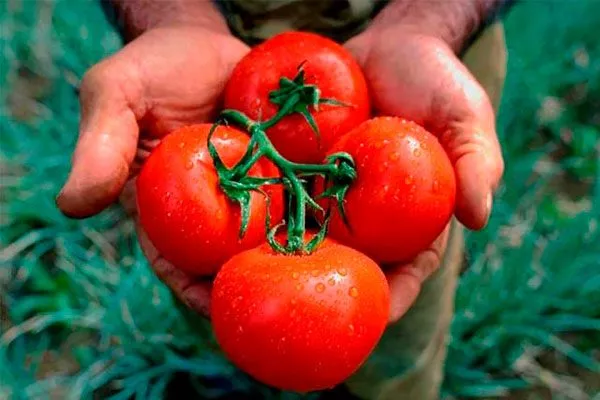
Feed tomatoes at the roots, alternating organic fertilizers with mineral substances, and make sure there is no excess nitrogen to prevent excessive growth of greenery.
Garter and mulching
Caring for tomato bushes involves several simple but important steps. Follow these steps:
- Staking shoots is essential for supporting plants, preventing lodging, and improving air circulation, which promotes healthier growth and reduces the risk of disease. Use strong cords or special trellises to secure the stems.
- Mulch the soil to retain moisture, prevent weed growth, and maintain a stable temperature. Cover the soil with straw, peat moss, or compost. This helps improve the structure and enrich it with nutrients.
Mulch protects roots from overheating and overcooling, creating favorable conditions for growth.
Pruning, shaping
The Bogata Khata tomato is a standard variety with low-growing plants that don't require staking, but doing so helps prevent shoots from breaking due to wind or heavy crops. To improve aeration at the base of the plant, remove the lower leaves.
Structuring consists of several stages:
- Train the plants into two stems, starting to remove side shoots 1-2 weeks after planting in the ground or greenhouse. Remove side shoots longer than 5 cm, but leave shorter ones, as they can be confused with fruiting clusters.
- Remove side shoots every 7-10 days. To do this, select the first side shoot on the main stem, just below the first flower cluster. Pull off 5-7 cm long shoots with your fingers or carefully cut them off with a knife, thoroughly disinfecting the knife.
Leave stumps 1-3 cm long to prevent new shoots from forming. Schedule the procedure for the morning to help the wounds heal faster.
Features of cultivation and possible difficulties
Growing Bogata Khata tomatoes is similar to cultivating other hybrid varieties. Despite their robust immune system, problems can arise due to various conditions, including soil structure or poor care.
If tomato flowers and ovaries are dropping, this indicates a lack of moisture or nutrients. To resolve this problem, ensure regular watering with warm water, adjusting the amount based on weather conditions.
In greenhouse conditions, fruit drop can be caused by insufficient ventilation or fruit rot. Maintain optimal ventilation in the greenhouse and control the frequency of humidification to avoid these problems.
Diseases and pests: control and prevention
Bogata Khata is highly resistant to common tomato diseases. However, improper care can cause some problems:
- One of the diseases is dry spot, a fungal infection. Spraying with fungicides and antifungal agents, such as Topaz, Fundazol, Skor, copper sulfate, and Bordeaux mixture, can help combat it.
- Fruit cracking is often caused by improper watering, and to prevent it, reduce the frequency of watering.
The crop can be attacked by insects:
- To combat cutworms, plant calendula around the bushes and use garlic infusion (200 g of grated garlic or onion per 10 liters of water).
- To eliminate slugs, sprinkle the soil with ash or tobacco and remove weeds regularly.
- Colorado potato beetles can be eliminated by treating them with an infusion of walnut leaves, garlic, or wormwood. Repeat this procedure once a week.
Add soap solution to any spray solution to increase stickiness.
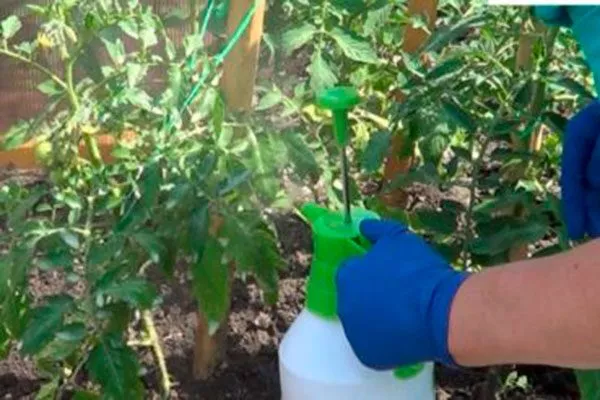
To maintain plant health and prevent potential problems, follow a few simple but effective preventative measures:
- Do not plant tomatoes in the same place for more than two years in a row.
- Treat the soil with fungicides and add compost or humus.
- Leave enough space between plants to allow for good ventilation.
- Avoid getting water on the leaves and use settled liquid.
- Use fertilizers with nitrogen, phosphorus and potassium, organic matter.
- Cut off damaged leaves and fruits in a timely manner.
- Protect plants from rain and high humidity.
Nuances for open-air and greenhouse conditions, harvesting and storage
The crop is grown outdoors in southern regions. In the central zone, it thrives under plastic covers, and in greenhouses in northern regions.
Important points:
- The fruits begin to ripen in late June to early August. For canning or cooking, pick them when they are fully ripe, when they turn bright red.
- Don't over-expose vegetables on the shoots to prevent cracking or the development of an unpleasant, mealy texture. Check the beds regularly—harvest every 2-3 days.
- To extend shelf life, harvest tomatoes in warm weather, preferably in the morning, after the dew has evaporated.
- For long-term storage, choose unripe, brown-colored vegetables. Cut them off with the stems, sort, remove any damaged ones, and store them in newspaper-lined boxes.
Store tomatoes in a dark place at a temperature of 10 to 12°C, checking them daily and removing any spoiled ones. They will stay fresh in this place for up to 1.5 to 2 months.
Pros and cons
Before growing a hybrid, be sure to thoroughly research all its characteristics, including its drawbacks. The Bogata Khata variety has many advantages:
Gardeners note several negative qualities: the fruits are not suitable for making tomato juice, and the bushes require regular fertilizing.
Reviews
The Bogata Khata tomato stands out among other varieties not only for its high yield but also for its excellent adaptability to various conditions. It guarantees consistent results with minimal time and effort. Its tasty, firm tomatoes make it suitable for a variety of dishes.