
The Blagovest tomato is a popular variety characterized by early ripening, good productivity, and high disease resistance. The fruits are large, tasty, and versatile. The bushes require care, but with the right approach, they produce a consistent harvest throughout the summer, delighting with delicious, high-quality vegetables.
History of creation
This variety was created in 1996 through the joint efforts of Gavrish LLC breeders E. V. Amcheslavskaya, V. V. Morev, and S. F. Gavrish. Following successful testing, the variety was entered into the Russian State Register and is today considered one of the most sought-after.
Description of the bush and fruits
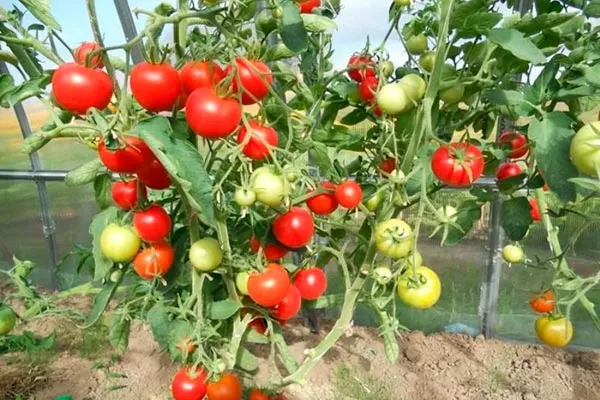
The Blagovest tomato is a determinate variety. Plants reach a medium height of 150 to 180 cm. Distinguishing characteristics:
- The bushes have weak branching, they form small leaves of a gray-green hue with a slight gloss and medium corrugation.
- The inflorescences are simple and compact, with up to six fruits forming on a single cluster. The first inflorescence appears under the sixth or seventh leaf, with subsequent inflorescences appearing at intervals of one or two leaves.
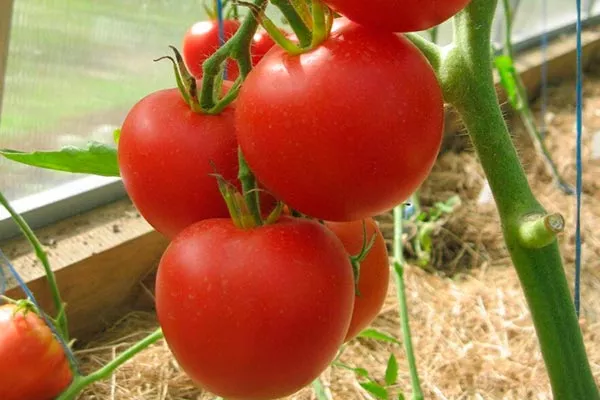
- The tomatoes are medium-sized, flat-round, and slightly ribbed. The base has a slight indentation, while the top remains smooth.
- The weight of each tomato varies from 100 to 110 g. When unripe, the vegetables are greenish-white in color, and when ripe, they turn deep red.
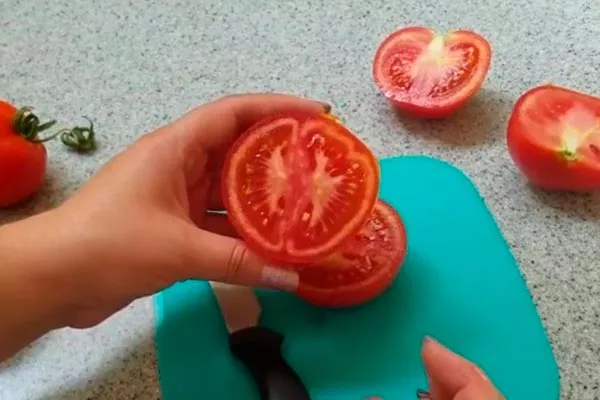
- The surface of the fruit is glossy, the pulp is dense, with 2-3 seed chambers.
- ✓ The first inflorescence appears under the 6-7 leaf, the subsequent ones – at intervals of 1-2 leaves.
- ✓ The fruits have a slight indentation at the base and a smooth top.
Key characteristics of the variety
The Blagovest tomato has many attractive characteristics that place it on par with well-known varieties. By neglecting to grow this variety, gardeners miss out on the chance to enjoy its unique qualities.
Features of the Blagovest:
- Taste and application. The flesh is dense and juicy, with a balanced sweet flavor complemented by a hint of tartness. These tomatoes are excellent for eating fresh and retain their shape perfectly when canned whole.
- Ripening time and yield. This mid-early variety produces the first fruits 101-105 days after germination. It demonstrates high productivity: with proper care, a single bush yields 5-5.5 kg of delicious tomatoes.
- Disease resistance. The hybrid has good resistance to a number of common diseases, including tobacco mosaic, cladosporiosis and fusarium wilt.
However, to prevent problems, it's important to carry out preventative treatments, especially at the first signs, such as leaf curl. Use of these treatments must strictly follow the instructions.
The Blagovest tomato is a popular variety suitable for growing in greenhouses and open ground, combining unpretentiousness, productivity, and excellent taste.
How to grow seedlings?
Blagovest, like other tomato varieties, is recommended for growing from seedlings. You can purchase seedlings or grow them yourself from seeds. It's important to follow certain guidelines.
Sowing dates
Start this process between mid- to late March and early April, so that by May, when the seedlings are about 40 days old, they can be planted in a greenhouse.
If April is warm and the greenhouse is made of high-quality materials and meets the necessary requirements, begin sowing as early as early March. This will allow the early variety to form its first buds by the time of planting.
- ✓ Optimum soil temperature for seed germination: +20…+30°C, for seedling growth: +22…+25°C.
- ✓ Seed sowing depth: 1.5 cm, distance between seeds: 5 cm.
To grow Blagovest outdoors, sow the seeds in mid-April. The optimal air temperature for germination is 20 to 30°C, and later, 22 to 25°C. Consider the soil temperature as well: at a depth of 10-12 cm, it should be 12-14°C.
Seed preparation
To grow healthy and strong seedlings, carefully select the seeds, keeping only high-quality material. Discard any seeds with black spots, signs of mold, or rot.
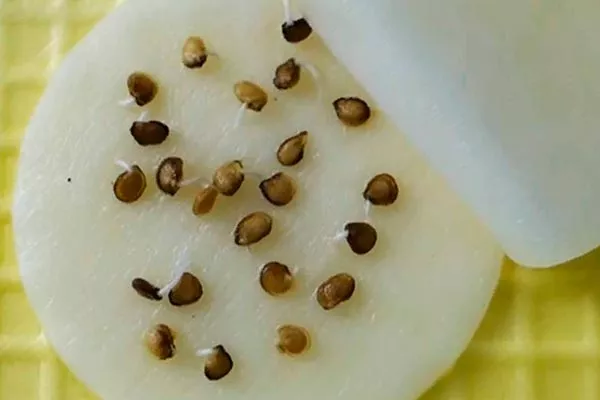
After selection, disinfect the seeds by placing them in a weak solution of potassium permanganate (pink) for 15 minutes. Rinse thoroughly with water and dry on a cotton cloth. To boost immunity, treat the seeds with a growth stimulant, such as Fitosporin.
Container and soil
For planting, use oblong boxes, wooden, clay, or plastic pots, as well as seedling trays and peat cups or pellets. Prepare a suitable mixture of equal parts turf, humus, peat, and sawdust.
To prevent plants from becoming infected with pathogenic microorganisms, disinfect the soil using one of the following methods:
- Heat treatment. Bake the soil in the oven at 70°C for 30 minutes.
- Freezing. Keep the soil mixture for 3 days at -15°C, repeating the procedure three times at intervals of one week.
- Treatment with drugs. Use Extrasol or Fitosporin solutions according to the manufacturer's instructions.
Any of these methods effectively kills pathogens, providing a healthy environment for seedlings.
Sowing
After treating the seeds and soil, proceed to the main stage. Follow these recommendations:
- Fill the prepared boxes with nutritious soil mixture.
- Place the grains at a depth of about 1.5 cm, leaving a distance of 5 cm between them.
- Sprinkle the seeds with a thin layer of soil and spray with settled warm water.
- Cover the boxes with glass or transparent film and place them in a warm place. Ventilate the plantings regularly.
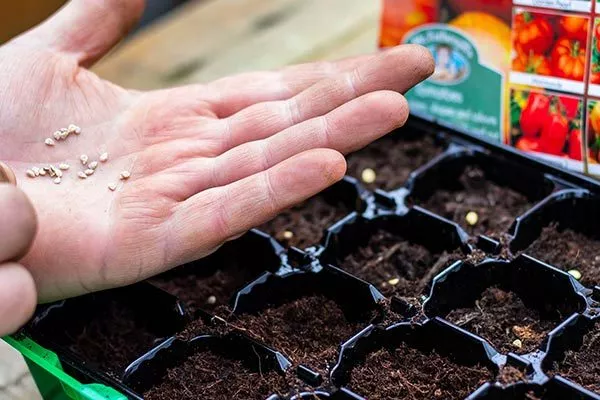
After the seedlings appear, remove the covering.
Growing and care
Caring for seedlings includes regular watering, maintaining a temperature of 22 to 25°C, and good lighting. Feed the seedlings with wood ash infusion or mineral fertilizers to stimulate growth.
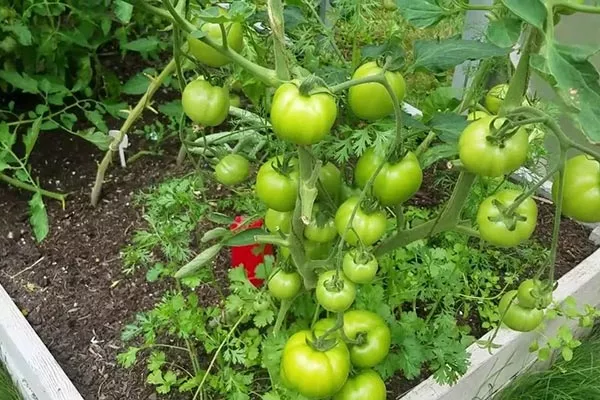
When 2-3 true leaves appear, transplant the plants into separate containers. One to two weeks before transplanting into the ground, begin hardening off the seedlings. Take them outside daily, gradually increasing the time spent outside.
Transfer
Plant seedlings outdoors after the weather has become consistently warm, which is especially suitable for southern regions. Choose beds where onions, garlic, cucumbers, or legumes were previously grown. Avoid growing these crops after potatoes, eggplants, peppers, and tomatoes.
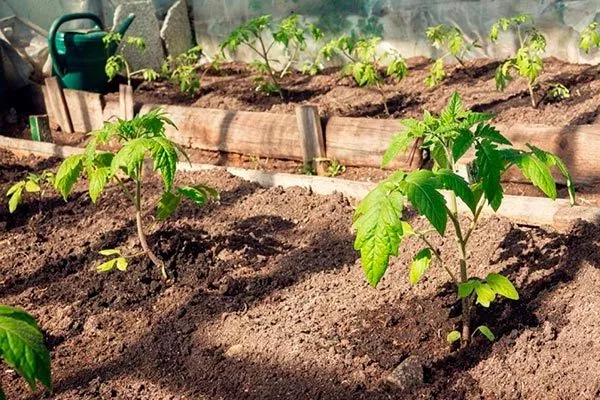
The site should be sunny and protected from the wind. To prevent plant burns, install a shelter. Place the seedlings in pre-prepared holes. There should be no more than three bushes per square meter. After planting, tie the trunks to supports and moisten with warm water.
Care
The hybrid doesn't require any special growing conditions, but to achieve a high yield, careful planting is essential. Caring for the bushes involves standard agricultural practices.
Irrigation
Provide frequent watering, especially during periods of active growth and fruit formation. Apply water at the roots, avoiding contact with the leaves to prevent disease. Use warm, settled water, maintaining a temperature of 22–25°C.
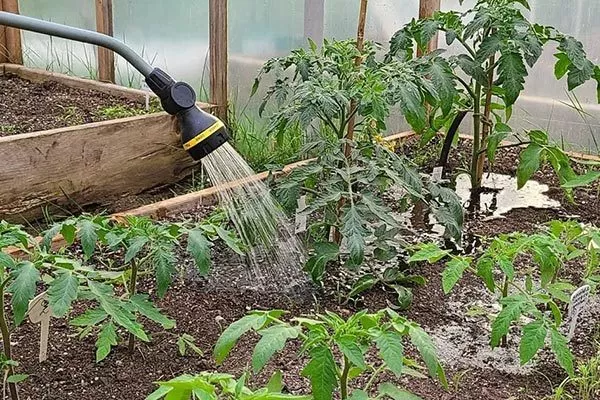
Watering should be regular but moderate: plants do not tolerate overwatering. It's important to allow the soil to dry out slightly between waterings.
Molding
To improve productivity and prevent diseases, it's important to properly train the bushes. This involves removing side shoots (side shoots) that compete with the main stem for nutrients.
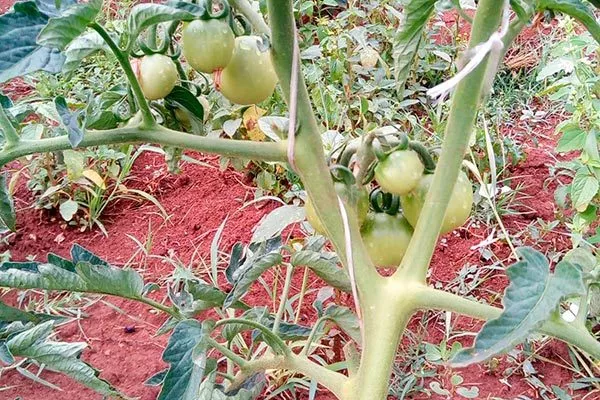
Remove side shoots when they reach 3-5 cm in length. This improves ventilation, warms the soil more quickly, and increases the weight of the tomatoes. Trim the lower leaves so they don't touch the ground.
Garter
Determinate varieties require staking to maintain health and produce a good harvest. This helps prevent plants from deforming under the weight of the vegetables, improves air circulation, and reduces the risk of fungal diseases.
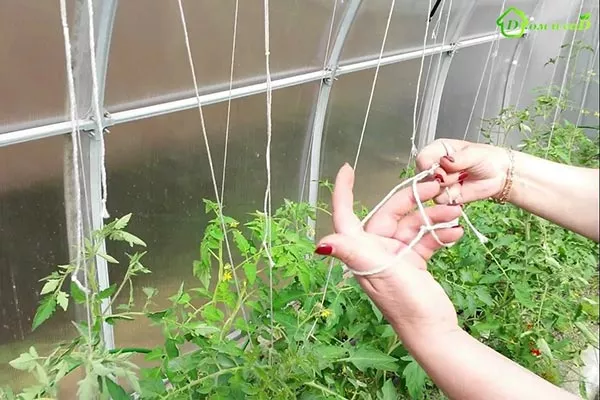
To secure the plants, use netting or ropes secured to sturdy supports. Tie the stems immediately after the bushes have established themselves after planting.
Weeding and loosening
Regularly remove weeds that may compete with tomatoes for moisture and nutrients. Weed carefully to avoid damaging the roots.
Loosening the soil is important for improving air circulation and water permeability. It helps roots develop freely and promotes better absorption of moisture and nutrients.
Mulching
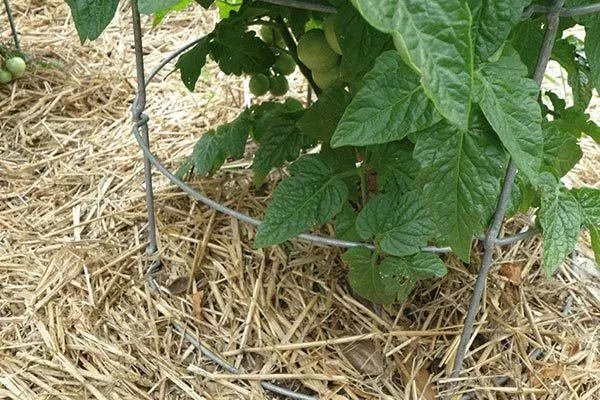
This procedure helps retain soil moisture and prevents weed growth. Use grass clippings, straw, or compost for this purpose. Mulch retains heat in the soil, which is especially important at night, and protects plant roots from overheating.
Top dressing
For vigorous growth and good fruiting, Blagovest tomatoes require regular fertilization. Apply the first fertilizer two weeks after planting the seedlings in the ground, using organic compounds such as chicken manure or mullein infusion.
After 3 weeks, apply mineral fertilizers containing phosphorus and potassium to improve flowering and fruit set. Be careful not to overfeed the plants. Fertilize every 2 weeks during the period of active growth and fruit formation.
Features of cultivation and possible difficulties
Despite the hybrid's many advantages, it has some characteristics common to any plant. These include:
- Fruit cracking. Damage usually occurs due to overwatering. In this case, reduce the frequency and amount of watering.
- Curling of leaves and falling of inflorescences. This is a sign of insufficient moisture. To restore the bush's health, establish regular watering and spraying.
- Yellowed leaves. This usually indicates a nitrogen deficiency in the soil. To correct the deficiency, feed the crop with a nitrogen-containing fertilizer.
The Blagovest tomato fully complies with the originators' description, which confirms not only its numerous advantages but also explains its minor peculiarities and weaknesses.
The nuances of growing in a garden and greenhouse
Blagovest is successfully grown both in open ground and in greenhouses. However, each method has its own specific characteristics that should be considered to ensure the highest quality harvest. Let's look at the basic recommendations for growing this hybrid in various conditions.
In open ground
Growing tomatoes in the garden has its advantages, including natural ventilation and access to sunlight, but it also comes with challenges related to weather conditions and plant protection requirements. Follow these steps:
- Selecting a location. Choose sunny, draft-free locations. This is important to ensure the bushes receive sufficient light and are protected from strong gusts of wind, which could damage them.
- Preparing the soil. The soil should be loose, well-drained, and sufficiently fertile. The plant prefers neutral or slightly acidic soil, so apply lime or a lime-based fertilizer beforehand to adjust the pH, if necessary.
Before planting, improve the soil with organic fertilizers – compost or humus. - Watering. In open ground, adjust irrigation according to weather conditions. Avoid both drought and overwatering to prevent root and fruit diseases. Water tomatoes regularly but moderately.
In the greenhouse
Growing tomatoes indoors can significantly extend the fruiting period and protect the plants from adverse weather conditions. Consider a few things and follow these recommendations:
- Maintain an optimal temperature for the crop – 22-25°C during the day and no lower than 18°C at night. If temperatures are too high, the plants may suffer from overheating, which will slow down the growth and development of the fruit.
Ventilate the greenhouse regularly to avoid stagnant air and excess moisture, which can lead to fungal diseases. - Humidity in a greenhouse can be higher than outside, so monitor the readings. To avoid waterlogging, install a drip irrigation system or use other methods that ensure even distribution of water without excess. The soil should be moist, but not waterlogged.
- Indoors, bushes can grow more compactly; however, it's important to maintain the proper distance between seedlings to ensure air circulation. For this purpose, it's best to tie the shoots to vertical supports or trellises, which will not only save space but also make maintenance easier.
- The crop requires regular fertilizing, as the soil can quickly deplete its nutrients. Use a complete tomato fertilizer and monitor the plants, removing diseased leaves and shoots to ensure proper development and prevent disease.
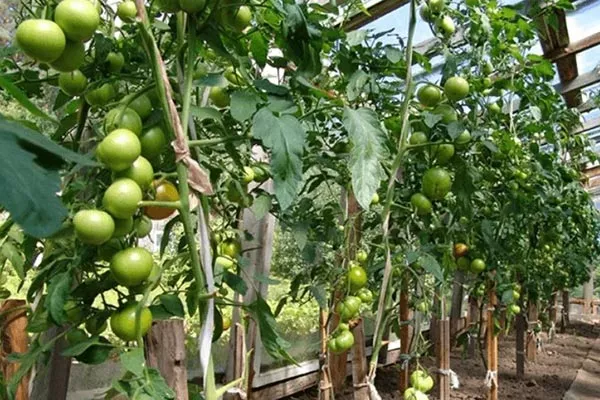
Growing crops in a greenhouse or open ground requires attention to the specifics of each method, but by following these recommendations, you can achieve excellent results and a bountiful harvest.
Fruit harvesting and storage
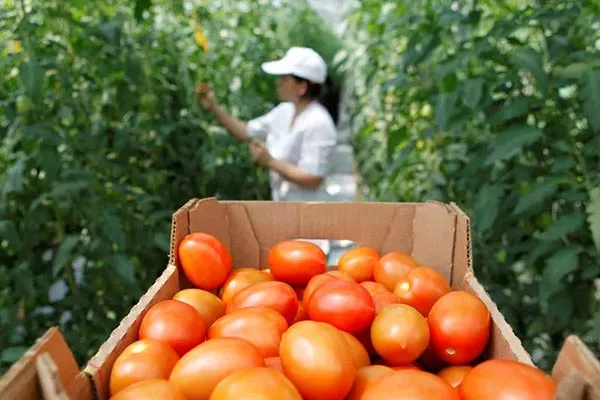
Harvest both fully ripened and unripe fruits. Unripe vegetables can be ripened successfully at home. Simply place them on a sunny windowsill, where they will continue to develop and color.
Helpful tips:
- Store tomatoes at a temperature of +10-15°C in a dark, cool and well-ventilated place.
- Use boxes or crates with holes for air circulation. Avoid storing tomatoes in plastic bags or airtight containers, as this can cause damage due to moisture accumulation.
- If you want to preserve your harvest for a long time, use vegetables for preparations: pasta, sauces, juices, or dried fruits.
- Refrigeration is recommended only for mature specimens, as low temperatures can negatively affect the taste and texture.
To prevent spoilage, check your crop regularly and remove damaged or rotten tomatoes to prevent them from contaminating others.
Treatment and prevention of diseases and pests
Blagovest is characterized by good resistance to major diseases, including late blight, cladosporiosis, and mosaic virus. It is rarely attacked by pests.
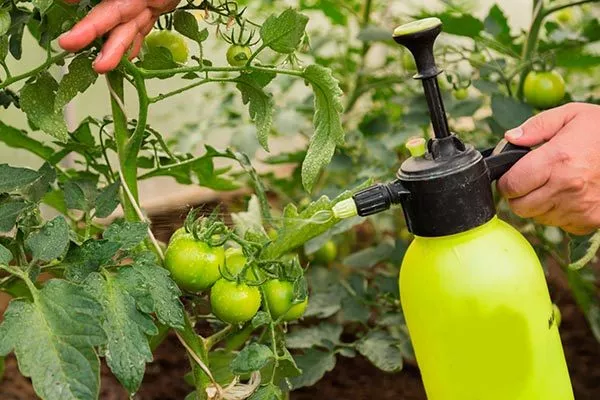
One of the problems is the hybrid's tendency to leaf curl, where the leaves lose their color, become lighter, and the top of the bush takes on a curled appearance. This is a viral disease and is not treatable.
If leaf curl is detected, remove the infected plants and disinfect the soil with copper-containing preparations - Oxychom or Bordeaux mixture.
Basic preventative measures include:
- compliance with crop rotation;
- frequent loosening of the soil;
- timely weeding;
- missing plant nutrients.
Regularly inspect your plantings for slugs, mites, aphids, and caterpillars. To prevent fungal diseases, maintain optimal humidity in the greenhouse and ventilate it. At the first sign of blossom-end rot, treat the bushes with a calcium nitrate solution.
Pros and cons
To avoid potential problems, it's important to carefully study all the hybrid's features. Blagovest has many advantages:
Among the disadvantages of the crop, some gardeners note the need for pinching and tying up shoots, and susceptibility to a viral disease - leaf curl.
Reviews
Blagovest is an ideal choice for those looking for a variety with a long shelf life and a stable yield. Despite some care requirements, it lives up to expectations and produces excellent results in greenhouse conditions. The tomatoes retain their appearance during long-distance transport. Easy to grow and requiring minimal maintenance, it's an excellent choice for the garden.