
The Bison Orange tomato is a versatile and high-yielding variety with excellent flavor. It's used in a variety of dishes and preserves, and its disease resistance and long-term storage qualities make it a practical choice for any garden. Caring for the plant is easy if you follow basic farming practices.
Breeding history and regions
The variety was developed in 2015 by the breeding team of Agrofirma Poisk LLC, consisting of A. N. Kostenko, T. A. Tereshonkova, A. N. Khovrin, and N. N. Klimenko. Following successful testing, it was included in the State Register of Russia.
Orange bison is grown in most regions and districts of Russia:
- Northern;
- Northwestern;
- Volga-Vyatka;
- Central Black Earth;
- North Caucasian;
- Ural;
- West Siberian;
- East Siberian;
- Far Eastern.
Tomatoes are grown in the Central Federal District, Middle Volga and Lower Volga regions.
Description of the bush and fruits
The plant is tall, reaching up to 2 m. For this reason, it requires structure and reliable support.
Distinctive features and characteristics:
- the stems are covered with green leaves of medium density;
- the bush forms intermediate inflorescences;
- the first ovary appears on the 6-7th leaf, the next ones – after 1-2 leaves;
- tomatoes are attached to the stalk with a joint;
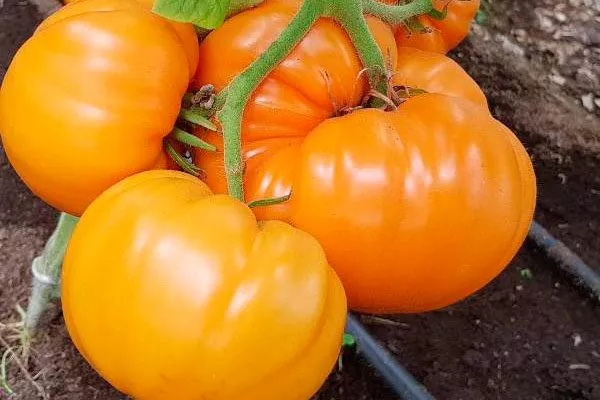
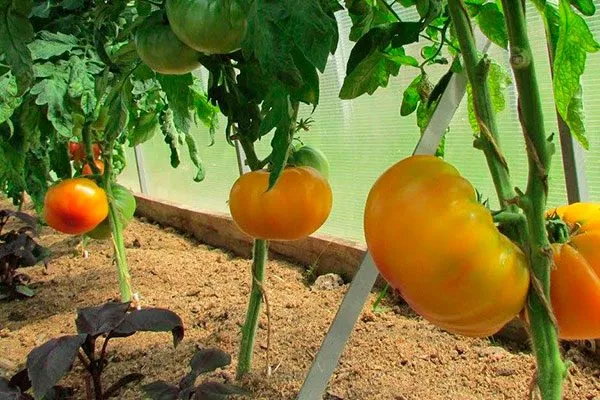
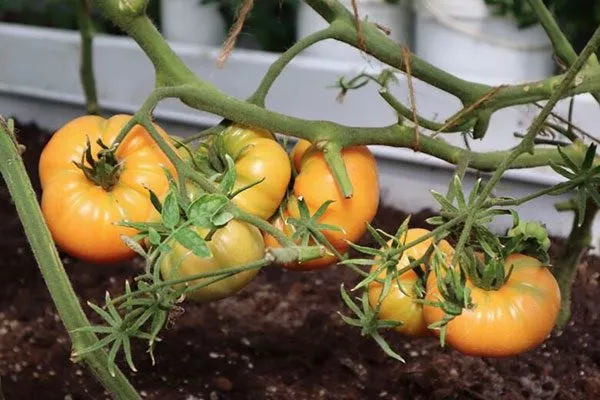
- vegetables are large, flat-round in shape with characteristic ribbing, weighing 280-320 g;
- When unripe, tomatoes have a green tint, but when ripe, they acquire a rich orange color.
- ✓ High resistance to tobacco mosaic virus (TMV).
- ✓ Ability to be stored for a long time without loss of commercial qualities.
Main characteristics
Orange Bison is a mid-season variety. With proper care, the first harvest ripens 115-120 days after germination, which usually occurs in late July or early August. This crop is renowned for its high productivity – gardeners can harvest up to 6.5 kg of large vegetables per square meter.
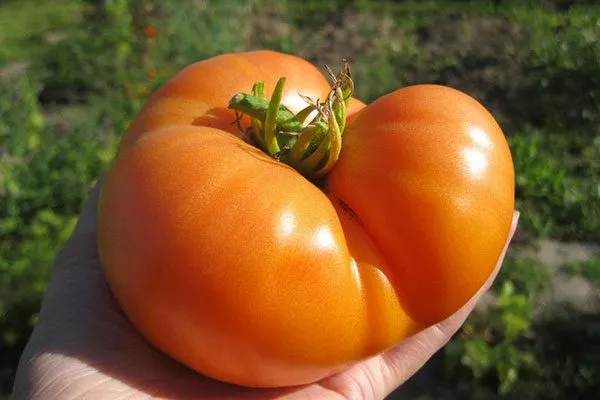
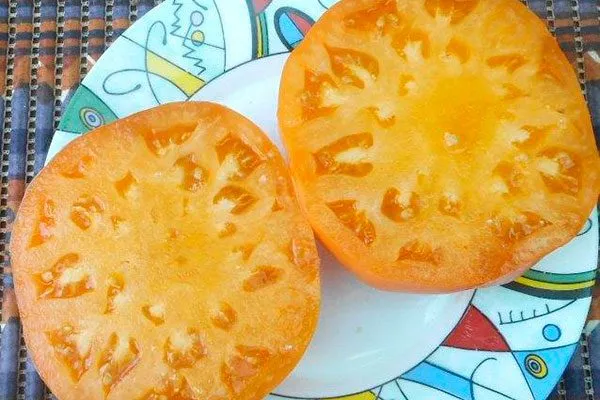
Tomatoes have a sweet taste and are most often eaten fresh. They are used to prepare:
- tomato paste;
- ketchup;
- sauces.
Due to its large size, the fruits are not used for pickling whole, but some housewives preserve this tomato in slices.
The variety is resistant to tobacco mosaic virus (TMV), but requires the use of fungicides to prevent other diseases.
Growing seedlings
To ensure a good harvest, it's important to properly prepare seeds and grow strong, high-quality seedlings. Pre-treat the planting material to improve germination and protect against diseases:
- Soak in a solution of potassium permanganate (1%) for 20 minutes.
- Rinse in clean water and soak in a growth stimulator (Epin, Zircon) according to the instructions.
- Temper by placing in a wet cloth and alternating 12 hours in the refrigerator and the same amount of time at room temperature (for 3-4 days).
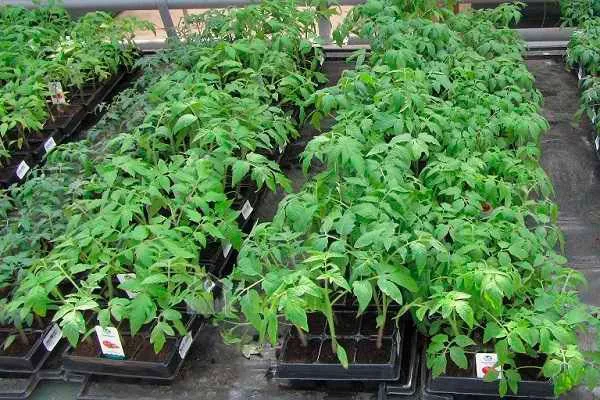
Small containers or special cassettes are suitable for growing seedlings. The soil should be loose, nutritious, and moisture-retentive.
Optimal soil composition:
- 2 parts garden soil;
- 1 part humus;
- 1 part peat or coconut substrate;
- 0.5 parts sand;
- ash and mineral fertilizers in small quantities.
Start sowing:
- Fill the containers with soil and moisten.
- Make grooves 1 cm deep at a distance of 3-4 cm from each other.
- Place the seeds at 2 cm intervals and cover with a thin layer of soil.
- Spray the soil with warm water, cover with film or glass.
- Keep the seedling containers in a well-lit room with a temperature of 25–27°C. Once the seedlings emerge, reduce the temperature to 20°C.
Transplant the plants into larger pots when the first true leaves appear.
Site preparation
With proper care, the seedlings will be ready for transplanting into either open or closed soil in 50-60 days. Gardeners can choose the most suitable option.
When planting in a greenhouse
Prepare the soil in the fall: clear the area of fallen leaves and weeds, and remove the top layer of soil. Next, follow these steps:
- Add sawdust, straw, or pine needles to a depth of 5 cm to improve soil looseness. If necessary, add lime to balance the soil's acidity.
- Place a 10cm layer of manure, then cover it with greenhouse soil.
- To saturate the soil with nitrogen, sow green manure crops such as mustard, buckwheat or clover, and in the spring, dig up the beds along with the plants.
- Two weeks before transplanting the seedlings, loosen the soil, pull out the weeds and apply fertilizer.
When planting in open ground
Practice crop rotation: tomatoes are best grown in areas previously occupied by zucchini, onions, carrots, or cabbage. Prepare the soil in the fall, just like in a greenhouse:
- Clear the area of weeds and loosen the soil to a depth of 8-12 cm. If the soil is highly acidic, add lime.
- Add organic fertilizer. A week before planting, apply mineral fertilizer.
- 2 days before planting, disinfect the beds and treat them with wood ash.
Transplantation into the ground
Transplanting tomato seedlings is an important stage of cultivation, determining future growth and yield. To ensure successful establishment of the seedlings, follow these recommendations:
- harden the plants, gradually accustoming them to fresh air (10-14 days before the event);
- choose a site with loose, fertile soil that is well-lit by the sun;
- prepare holes 15-20 cm deep, adding humus or compost;
- Moisten the seedlings a few hours before planting them in the garden to avoid damaging the roots.
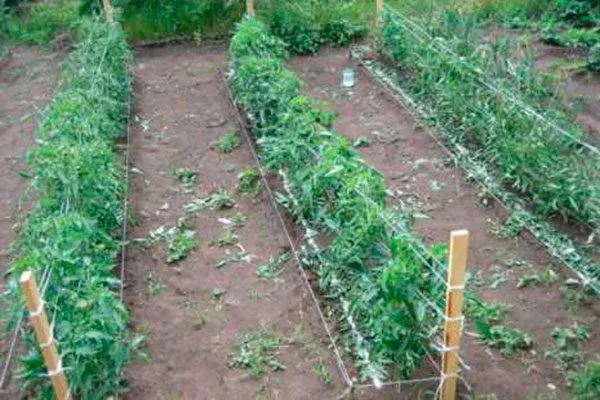
Step-by-step instructions:
- Dig holes at a distance of 40-50 cm from each other.
- Add ash and superphosphate to each hole and mix with soil.
- Carefully remove the seedlings along with the root ball and place them in the hole.
- Plant the plants deep down to the first leaves to encourage additional root growth.
- Sprinkle with soil, compact and water generously with warm water.
- ✓ Optimum soil temperature for planting seedlings: +15…+18°C.
- ✓ Distance between rows when planting: at least 70 cm to ensure good ventilation.
Care
Orange Bison requires little care to achieve a high yield. Regular cultivation practices promote consistent fruiting, increased productivity, and excellent vegetable quality.
Watering and fertilizing
During the period of active fruiting, water the tomato plants 2-3 times a week with warm water, avoiding contact with the leaves. The recommended watering frequency is 3 liters. For a high yield, Bison Orange tomatoes require regular fertilizing. Fertilize the plant 4-5 times per season, alternating organic and mineral fertilizers.
Follow this pattern:
- 10-14 days after planting the seedlings. Add an infusion of mullein (1:10) or bird droppings (1:20) 500 ml per bush, ammonium nitrate (10 g per 10 l of water) to stimulate growth.
- In the flowering phase. Use superphosphate (20 g), potassium sulfate (15 g) per 10 liters of water to form fruits, wood ash (200 g per 10 liters of liquid or in dry form) as a source of potassium and microelements.
- During the setting of tomatoes. Use 1 liter of whey with 3 drops of iodine to prevent diseases and magnesium sulfate (15 g per 10 liters of water) to improve the taste of vegetables.
- During the period of mass fruiting. Use an ash infusion (200 g of ash per 10 liters of water, leave for 24 hours) to increase the sugar content of tomatoes. Complex fertilizers such as Agricola and Gumi are effective.
If there is a lack of nitrogen, a mixture of nettle or urea (10 g per 10 l of water) is useful; if flowering is weak, boric acid (1 g per 1 l of liquid, spraying); if growth is slow, yeast feeding (100 g of yeast + 50 g of sugar per 10 l of water, leave for 2 hours, dilute 1:5) is useful.
Loosening, mulching, weeding
For good plant growth and development, it's essential to maintain optimal soil conditions. Three key agricultural practices help improve soil structure, retain moisture, and prevent weeds:
- Loosening. Loosen the soil to a depth of 5-8 cm. Perform this procedure after watering or rain. This improves root aeration, prevents the formation of a hard crust, and promotes moisture absorption.
- Mulching. Cover your beds with organic (grass, straw, peat) or inorganic (agrofibre, film) materials. Mulch retains moisture, protects roots from overheating, suppresses weed growth, and enriches the soil with nutrients as it decomposes.
- Weeding. This procedure involves removing weeds, which rob plants of nutrients and moisture. Pull them out by hand or with garden tools. Regular weeding reduces the risk of pests and diseases.
The combination of these methods helps create favorable conditions for plant growth, reduce the frequency of watering, and protect crops from negative environmental factors.
Features of bush formation
Train plants into single or double stems. Choose the best option for you:
- single stem structure – promotes earlier ripening of fruits and simplifies care, while removing all side shoots, leaving only the main stem;
- formation into two stems – includes the presence of the main shoot and one of the strongest stepsons, which is located under the first flower brush, while the rest of the shoots are torn off.
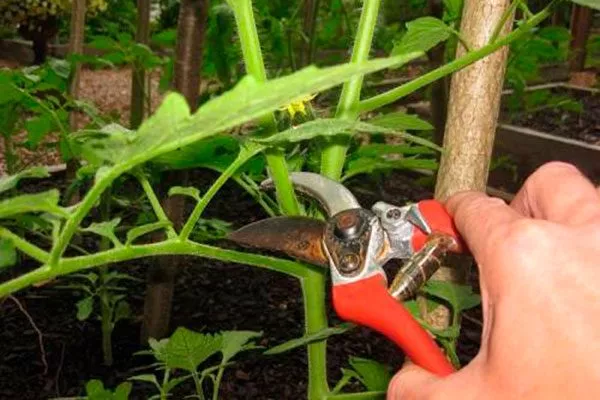
Remove side shoots regularly—about every 7-10 days, when they reach 5-7 cm in length. For best results, do this in the morning to allow the wounds to heal faster. Carefully break off or trim the side shoots with a sharp knife, leaving a small stump (1-2 cm).
The subtleties of garter
Due to their tall growth and large tomatoes, the plants require support. Use sturdy supports for this:
- trellises – are considered the most convenient option, as they allow the weight of the bush to be evenly distributed and provide good access to all its parts;
- stakes – suitable for forming into one stem: tie the plant to them with soft material (twine, rope, fabric) in several places;
- grids – They are stretched vertically next to the bushes, and the stems are fixed to them if necessary.
Do not tighten the garter too much to avoid damaging the trunk; tighten it periodically as the plant grows.
Diseases and pests of the variety
The Bison Orange tomato is susceptible to various diseases and insects. To protect your plants, follow proper cultivation practices and carry out regular preventative treatments.
Common difficulties:
- Phytophthora. Causes fruit rot and leaf damage. Treat plants with fungicides, such as Ridomil Gold or Barrier. Maintain good ventilation in the greenhouse.
- Powdery mildew. It appears as a whitish coating on the leaves. Use fungicides such as Topaz or Fundazol. Reduce humidity in the greenhouse and avoid overwatering the soil.
- Mosaic. A viral disease that manifests as yellow spots on leaves and deformed fruit. Remove infected bushes and spray the remaining ones with fungicides. Regularly remove weeds that can carry the infection.
- Root rot. It thrives in overwatered soil and poor ventilation. Reduce watering frequency, improve drainage, and prevent waterlogging. Fungicides are effective.
- Aphid. These are small insects that suck the sap from the bushes, weakening them. Insecticides like Aktara or Actellic, or folk remedies like a soap solution or garlic infusion, will help.
- Spider mite. Causes yellowing and leaf drop. Treat the plant with acaricides such as Nikdichlor or Oberon, and spray regularly with water to maintain moisture.
- Colorado beetle. May damage leaves and tomatoes. Remove pests by hand and use insecticides to control larvae, such as Decis or Confidor.
- Whitefly. Small white insects carry viral diseases and feed on plant sap. Use insecticides and set sticky traps.
Preventive measures:
- observe crop rotation;
- do not plant tomatoes in the same place for several years in a row;
- regularly spray the bushes with fungicides and insecticides;
- Ensure good ventilation in the greenhouse and avoid over-watering the soil.
Remove affected areas and do not allow plant debris to accumulate in the beds.
Pros and cons
Before growing Bison Orange tomatoes, be sure to research all the qualities of the variety. This variety has many advantages:
The culture has only one negative quality - the need for additional care in terms of tying and pinching.
Reviews
The Orange Bison variety attracts attention with its large tomatoes, rich sweet flavor, and vibrant color. This variety is successfully grown both in greenhouses and open garden beds. Its key advantages include good productivity, disease and pest resistance, and low maintenance. The fruits do not crack.