
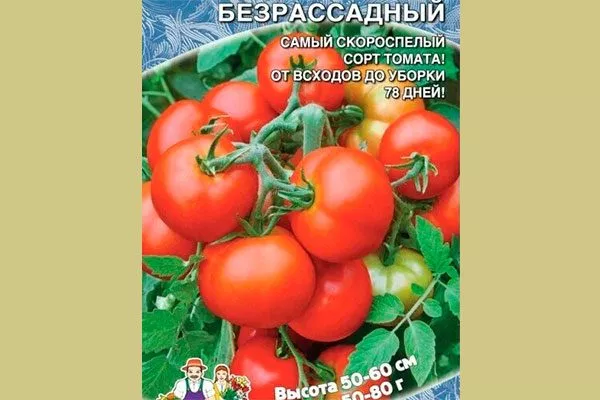
The Bezrassadny tomato is prized for its low maintenance and good productivity with minimal care. Its compact, standard bush allows it to be grown without seedlings, simplifying planting and reducing time. Its early maturity, cold resistance, and disease resistance make it ideal for temperate climates and high-risk farming zones.
Description and characteristics
The Bezrassadny tomato variety has many positive qualities, making it a favorite choice for both experienced gardeners and novices. Before you begin growing it, it's important to carefully study its key features.
Country of origin and growing regions
This variety was developed from frost-resistant and outdoor-grown tomatoes by Soviet breeder Pavel Saraev. In recent years, it has become increasingly popular thanks to its almost perfectly round fruits with a slightly pleasant tart flavor.
This variety is not included in the State Register of Breeding Achievements of Russia; it originates from the Altai Mountains.
Seedless is successfully grown in various regions of Russia, including:
- Leningrad and Moscow regions;
- regions of the Far East;
- Kursk, Voronezh and Tambov regions;
- Astrakhan and Volgograd regions;
- Bashkiria and Mordovia;
- territories of the Urals, Western and Eastern Siberia.
What does the bush look like?
It belongs to the determinate varieties with a compact, spreading bush 40-50 cm high. Distinguishing features:
- plant - standard type, with a strong central stem and minimal formation of side shoots;
- leaves - There is a moderate amount of flowers on the bush, they are medium in size, dark green in color and have a classic shape;
- flower brushes – simple, containing 5-6 ovaries located on articulated stalks.
Fruit
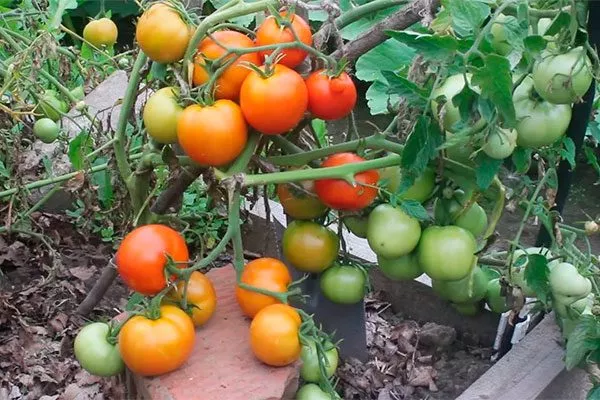
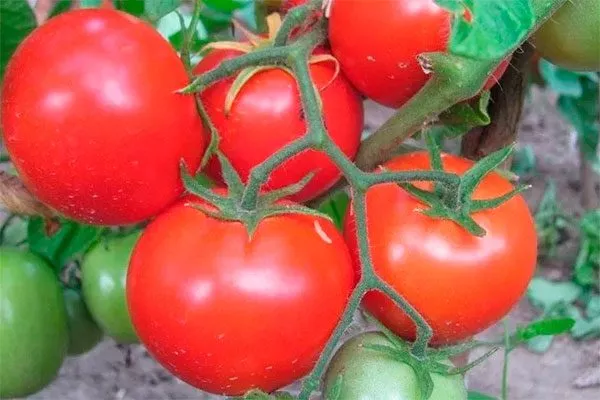
Although the State Register describes Bezrassadny tomatoes as flat-round, in reality they resemble smooth balls, only slightly flattened at the stem. However, larger specimens more closely match the official shape.
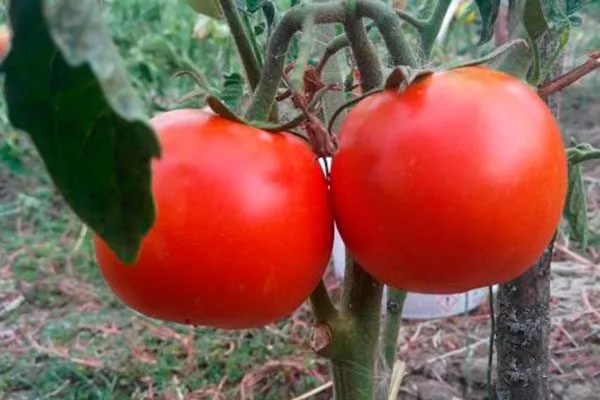
The fruit weighs 45-60 g, but in practice they are often larger. The agricultural firm "Uralskiy Dachnik" lists a weight of 50-80 g, which is more accurate. Some sources mention tomatoes weighing 100-120 g and even up to 180 g.
The main advantage of this variety is its early maturity and ease of care. Attempts to artificially increase the fruit's size only lead to disadvantages: ripening is delayed, the tomatoes crack and lose their marketable appearance, the bushes require staking, and care becomes more difficult.
Tomatoes of this variety:
- deep red;
- slightly ribbed;
- have 3-4 seed chambers;
- juicy, with a dry matter content of up to 5.4%;
- with elastic but strong skin that is resistant to heat treatment.
Bezrassadny is primarily used for canning, but it's also suitable for salads and processing into juice or paste. Although the flavor is often described as excellent, it's important to keep in mind that this is an early variety. The sugar content is around 3.3%, which imparts a refreshing tartness, especially noticeable when fresh.
Productivity and ripening time
The bushes begin to bear fruit 82-86 days after germination, with some sources stating 78 days. However, it's important to keep in mind that the countdown begins from germination. If this tomato is grown from seedlings, which is perfectly acceptable, it becomes an ultra-early variety and will likely be the first to produce a harvest.
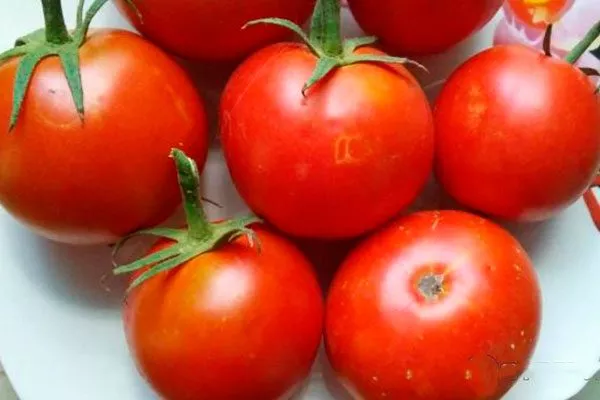
When sowing directly into the ground, wait until the soil warms to at least 10°C before beginning the harvesting process. During this time, seedling tomatoes, even later varieties, can produce ripe fruit. On average, the difference in ripening time is about a month.
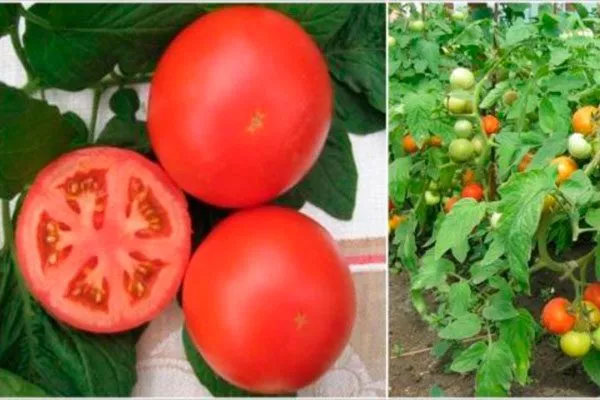
Up to 4 kg of marketable fruit can be harvested from 1 square meter of planting. The overall yield reaches 8 kg per square meter, but some tomatoes may crack and not be suitable for sale. However, such produce is excellent for processing – juice, paste, and sauces.
Seedless tomato varieties
Before starting to grow tomatoes without seedlings, it's important to understand which varieties are suitable for this method, when to sow them, and how to sow them properly. For each region, select varieties that will produce a harvest before the onset of cold weather.
Iceberg
Thanks to its early ripening, resistance to temperature fluctuations and ability to tolerate cool temperatures, the variety is suitable for direct sowing in open ground.
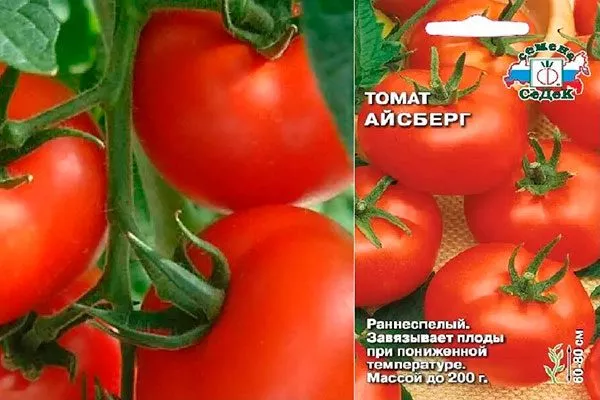
Features of the variety:
- compact bushes up to 80 cm high do not need pinching;
- the harvest begins to ripen in mid-summer;
- the weight of the fruit reaches 200 g;
- the taste is excellent.
Seedless variety
This variety was developed specifically for commercial cultivation. Its low bushes, only about 40 cm tall, quickly establish themselves and develop a strong root system.
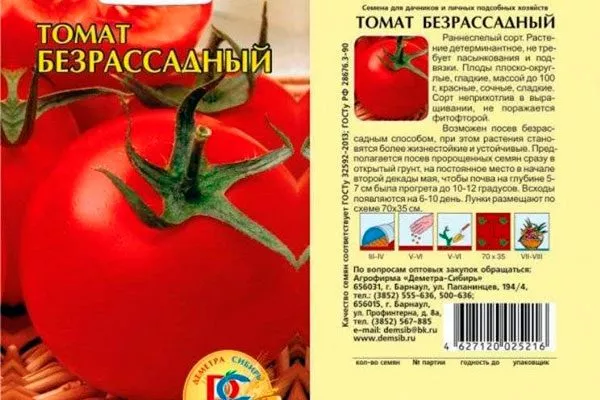
The plant is characterized by high hardiness and early fruiting. Each cluster produces 6-8 fruits, weighing up to 100-120 g.
Vologda fruitful
This hybrid has many advantages. It grows up to 1 m in height and produces round red fruits weighing approximately 250 g.
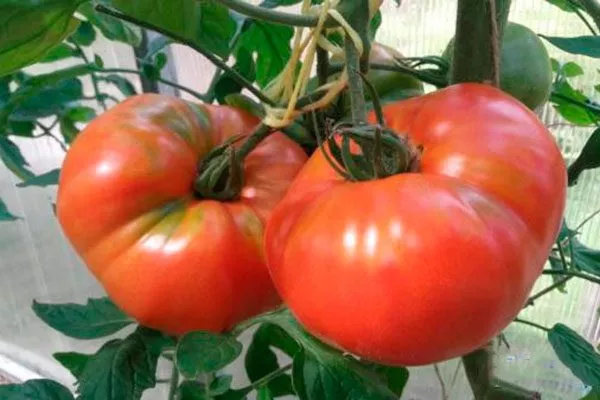
Distinguishing characteristics:
- the yield from one bush can reach 4 kg, and the period from germination to ripening is approximately 110 days;
- pinching out side shoots is required in moderation;
- The variety is well suited for cultivation without seedlings in the conditions of Central Russia.
Explosion
This tomato hybrid boasts high yields, making it an excellent choice for gardening. The low, spreading bushes begin bearing fruit quite early – 90-100 days after germination, tomatoes weighing 100-120 grams can be harvested, although weight varies depending on climate and weather conditions.
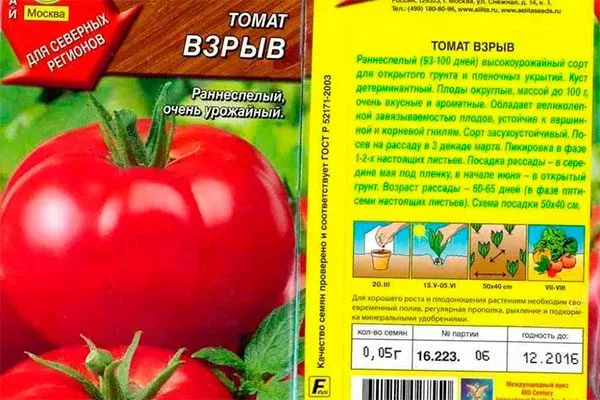
Other cultural features:
- in a warm and favorable summer, tomatoes grow larger and acquire a richer flavor;
- The variety is especially valued for its good resistance to fungal diseases;
- each plant can yield up to 5 kg of harvest;
- The only drawback is the spreading nature of the bushes, which requires tying.
Amur dawn
This mid-early tomato begins bearing fruit approximately 100-110 days after germination. The fruits are particularly noteworthy due to:
- round shape with a slight flattening;
- soft pink shade;
- weight about 250 g;
- fleshy structure and a small number of seeds.
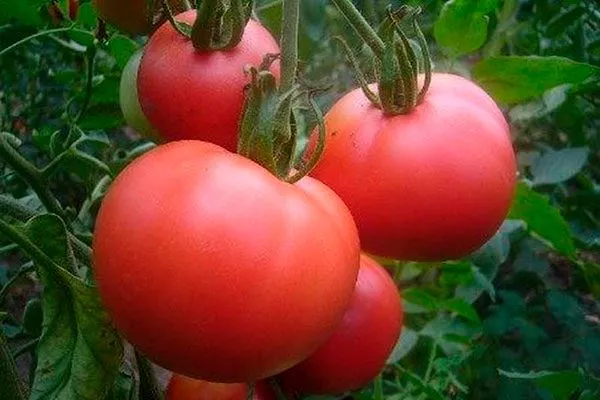
The plant yields average – about 7 kg per square meter. The vegetables are especially good fresh, with a higher sugar content compared to acid.
Apples in the snow
The variety is characterized by compact and miniature bushes, making it ideal for growing without seedlings. The main advantage of this hybrid is the early ripening of its fruits.
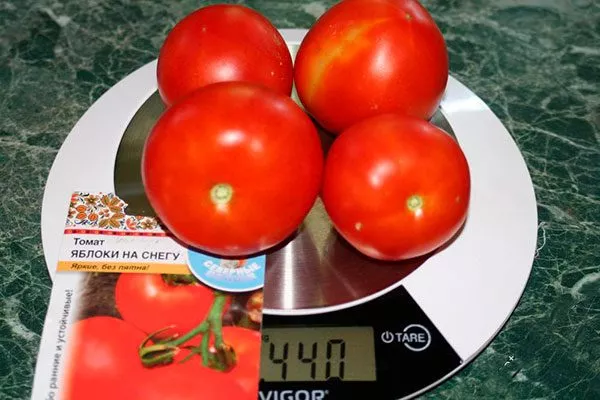
Although the tomatoes are small—weighing 50-70 grams—they have a sweet flavor. The first fruits ripen as early as early July. Thanks to their thick skin, the harvest retains its freshness well.
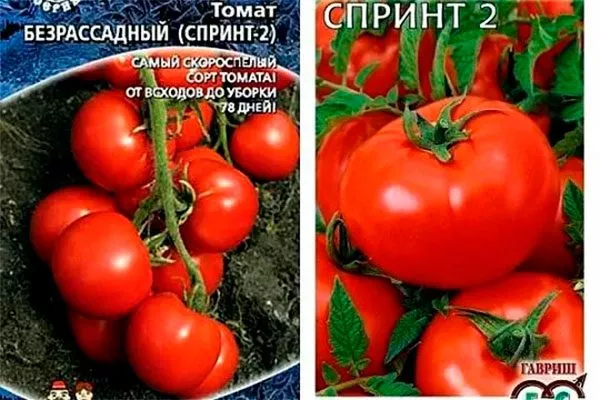
Sprint 2
This determinate standard variety begins bearing fruit early, just 78 days after sowing. Key features:
- bushes about 60 cm high do not need garters or shaping, and practically do not form side shoots;
- During the growing season, 5-6 flower clusters are formed on the stems, each of which bears 6-8 small tomatoes weighing up to 80 g;
- Vegetables tolerate transportation well and remain fresh for a long time.
White filling
This determinate plant grows up to 70 cm in a greenhouse and up to 50 cm in the open ground. Fruits begin to ripen 90-100 days after germination, making this hybrid suitable for cultivation in the temperate zone.
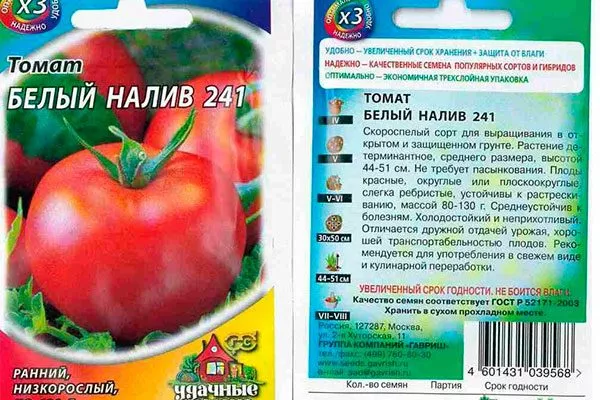
Characteristics of White filling:
- The name of the variety is due to the fact that the tomatoes first lighten and then acquire a rich red color;
- the pulp contains some seed chambers and moisture;
- The taste of the fruit is balanced, with an optimal level of sugar and acid.
Tomatoes are great for canning and fresh summer salads, and they also keep fresh for a long time.
Landing
Growing tomatoes without seedlings requires following certain agricultural practices. Plants can have a harder time establishing themselves in open ground, so many gardeners prefer to plant them in greenhouses, where more favorable conditions are created.
Selecting and preparing a site for planting
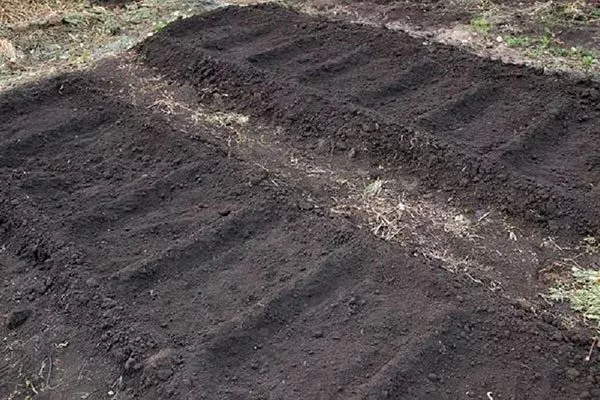
In the fall, dig up the garden bed, first spreading about 10 kg of compost or humus per square meter. Perform a number of other tasks:
- To disinfect the soil, water the area with a solution of copper sulfate - dissolve 20 g of the substance in hot water and pour into a 10-liter bucket of water.
- Be sure to add vermiculite and coarse sand to the soil to improve looseness and air permeability.
Seed preparation
It's recommended to treat home-harvested tomato seeds before planting. Follow these instructions:
- Soak the seeds in a 1% solution of potassium permanganate for disinfection.
- Spray with growth stimulants to improve germination.
- Place in the refrigerator for 7 days to harden.
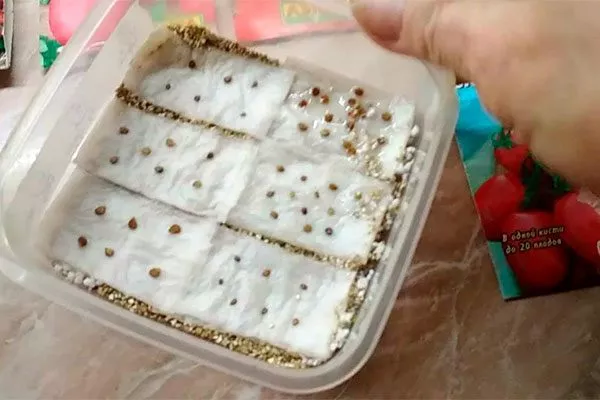
However, there is no need to germinate the seeds in advance to avoid damaging the sprouts during planting.
Sowing tomato seeds
To ensure strong plantings of tomato seeds without seedlings, plant 2-3 seeds in each hole, spacing them 45 cm apart. The soil depth in the greenhouse should be 17-18 cm.
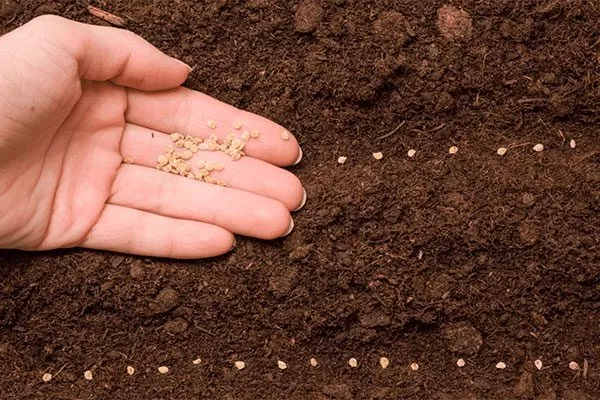
Once the sprouts emerge, select the strongest and healthiest seedlings and remove the weaker ones. When the weather gets cold, cover the garden beds with plastic on arches, regularly ventilating the plantings, remembering to cover them again in the evening.
Growing methods
There are several methods for growing tomatoes: in open beds and indoors. Gardeners who have been growing tomatoes for years note that both options are good.
In open ground
The snow is melting and the area is warming up – this is the signal to start planting tomatoes. Follow these recommendations:
- Water the beds with warm water or a hot solution of potassium permanganate. Another option is to cover the soil with black plastic film for about two weeks, which will speed up the soil warming.
- Sow seeds in the second half of April, but complete planting before the first ten days of May so that the vegetables have time to fully ripen.
In greenhouses
Sowing in greenhouses should be done in late March or early April. To prepare the greenhouse, apply fresh manure along the walls; as it decomposes, it releases heat and accelerates the heating of the room, which is important for planting heat-loving crops.
Place the seeds in furrows 1-2 cm deep. Monitor the temperature in the greenhouse as you do this—during the initial stages of germination, plants need warmth to thrive.
Features of agricultural technology
Caring for the Bezrassadny tomato is incredibly simple—and that's precisely the main advantage of this variety. It's important to follow simple care procedures.
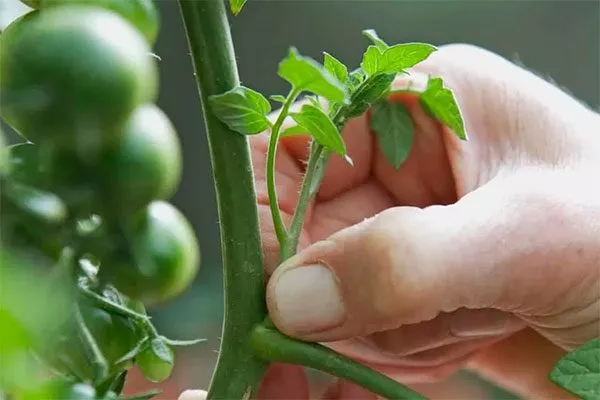
Pinching out stepsons
For indeterminate tomatoes, removing side shoots is essential. After removing the shoots, sprinkle the cuts with activated charcoal or treat them with Bordeaux mixture.
Irrigation and fertilizing of bushes
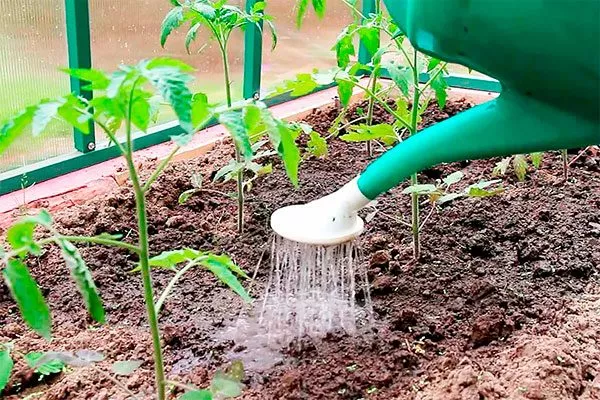
Watering tomato bushes should be moderate, especially in greenhouses, where excess moisture in the soil can provoke the development of fungal diseases.
Helpful tips:
- Fertilize every 12-14 days, starting with organic fertilizers. For example, use a 1:12 solution of chicken manure or a 1:6 solution of mullein.
- As the bushes grow, add additional substances containing phosphorus and potassium – they promote good flowering and fruiting.
Shaping and garter
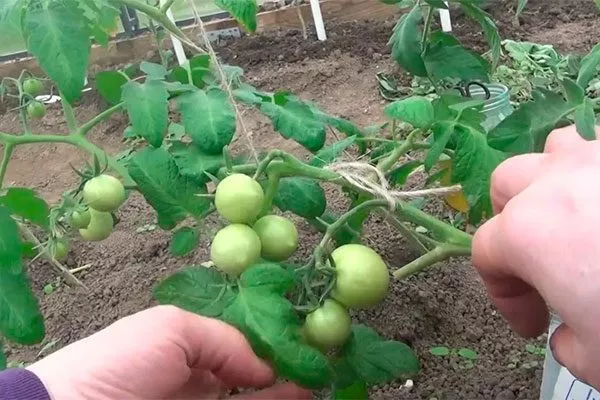
Structure the bushes by pinching out side shoots. For tall varieties, it's important to stop their growth early by pinching the tops, leaving 2-3 leaves above the top ovary. Determinate varieties generally don't require shaping, though some stems may need to be removed from particularly sprawling bushes.
Protection from insects and diseases
The Bezrassadny tomato generally presents no particular challenges for gardeners. It produces a harvest before the onset of late blight and other diseases. Organic farmers often grow this variety without preventative pesticide treatments.
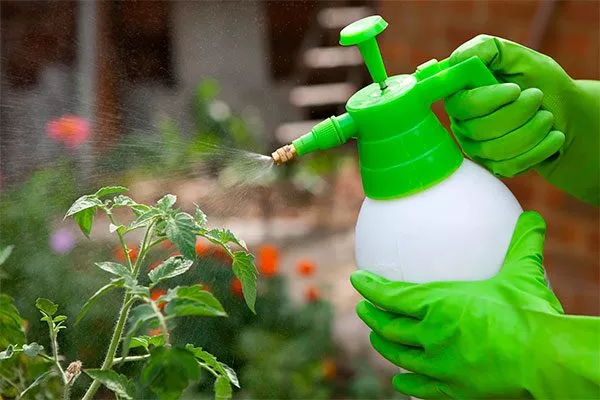
Even if an infection appears on plants, it doesn't have time to cause serious damage before harvest. However, when growing commercially, spraying with fungicides and insecticides is still necessary.
Tomatoes are resistant to fasciation and blossom-end rot. If watered irregularly, the juicy fruits may burst, but they are easy to process. The crop is resistant to low temperatures and drought, producing well even in challenging climates and risky farming areas.
Pros and cons
Similar varieties
Early, low-growing tomatoes with medium-sized, flat-round, red fruits, similar to the Bezrassadny variety, are represented by several varieties. Agronomists identify the following similar varieties:
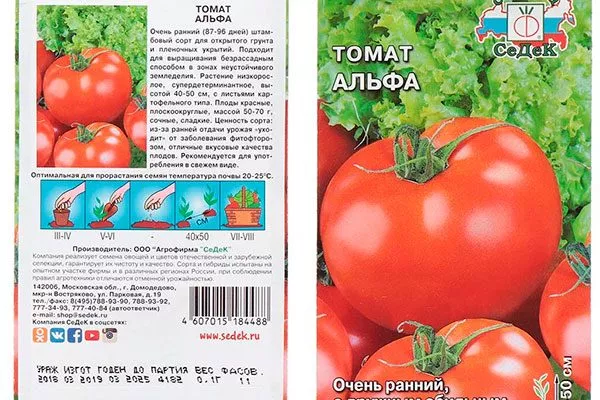
- Alpha. It is a seed crop with a compact bush 40-50 cm high, with strong stems and dark green potato-type leaves.

The fruits have a regular, rounded-flattened shape and are a rich red color when fully ripe, and light green when unripe. The tomatoes are small, weighing 60-80 g, with medium-thick skin and a slight glossy sheen.
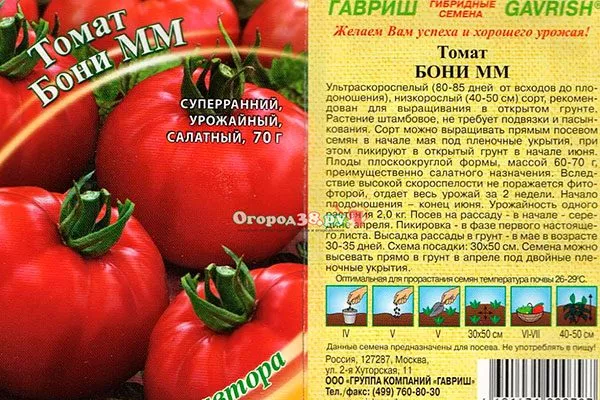
This early-ripening variety produces a harvest in just 87-96 days from germination. With proper care, productivity reaches high levels – up to 6.2 kg per square meter throughout the entire fruiting period. - Bonnie MM. A determinate standard variety with a compact bush up to 50 cm tall. The stem is upright, with moderate branching and not too dense foliage. The leaves are small and dark green.
The fruits of this variety are neat, attractive, cocktail-type, weighing 58-63 g. They are flat-round in shape with slight ribbing at the stalk, which is connected to the fruit by a joint.
Unripe tomatoes are a standard green color with a dark emerald hue near the stem, and as they ripen, they become bright red, even scarlet. The skin is glossy and thin, but holds its shape well, making them suitable for long-distance transport.
An ultra-early variety, harvesting begins as early as late June. The period from germination to full maturity is 83-88 days. Fruiting is short, lasting about 14 days.
The crop is distinguished by its high yield: 5.5-6.5 kg can be obtained from 1 square meter, and up to 2-2.5 kg of fruit can be obtained from one plant. - Cupid F1. A low-growing, determinate variety with compact bushes up to 60 cm tall. The plants are distinguished by their loosely clustered, small green leaves, a strong central stem, moderate branching, and a well-developed root system. The inflorescences are simple.
Large-fruited tomatoes weigh on average between 80 and 100 grams. They have a regular, round shape, sometimes slightly flattened, without pronounced ribbing. When fully ripe, the fruits are a bright red, uniform color, while when unripe, they are light green without spots at the base. The skin is dense, smooth, and shiny.
This is an early variety: from germination to full ripening, the fruits take about 90 days. Ripening occurs evenly. With proper care, yields are high – up to 6.6 kg per square meter. - Maximka. It is characterized by a compact bush, approximately 54 cm tall. The crown is semi-spreading, with medium branching and medium foliage density. The leaves are a standard green color and medium in size, with no particular differences.
A technically ripe tomato has a light green hue, while a fully ripened one takes on a reddish-orange color. The fruits are small—about 85 g—with a flattened-spherical shape and medium-density flesh.
This is an ultra-early tomato: from germination to harvest takes about 87 days. The fruiting season lasts approximately six weeks, usually until mid-August, depending on climate conditions. The variety's yield varies by region, from 23 to 45 tons per hectare.
- Sanka. The bush is low-growing, reaching a height of 50-70 cm. The fruits are bright red, although the first tomatoes may be slightly paler. The tomatoes are medium to small in size, typically weighing 70 to 80 g, sometimes reaching 100 g. Each cluster produces 5 to 7 fruits.
The variety is considered early maturing: according to information from seed producers, ripening occurs 80-90 days after emergence.
One bush can yield up to 2.5 kg of fruit.

Reviews
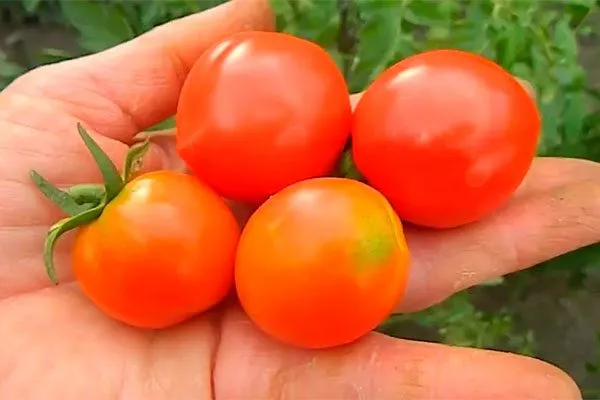
The Seedless tomato is a versatile variety, perfect for those who value simplicity and a reliable harvest. These tomatoes are suitable for canning and fresh consumption, and their resistance to late blight and adverse conditions guarantees a successful harvest even in challenging climates. This is a reliable choice for gardeners of any experience.