
The Betta tomato is a reliable variety for growing in any garden. It combines excellent productivity and strong immunity. Its early ripening and compact plant size make it a good choice for those who value easy care and high-quality vegetables. Its resilience makes it ideal for both novice and experienced gardeners.
Description of the bush and fruits
The plants are predominantly medium-sized, although there are also shorter specimens – their height reaches 50 cm, and their diameter grows to 25-30 cm. Distinguishing qualities:
- branching – weak;
- foliage – moderate;
- leaves - standard shape, rich green, slightly corrugated, without stipules;
- peduncle – with articulation;
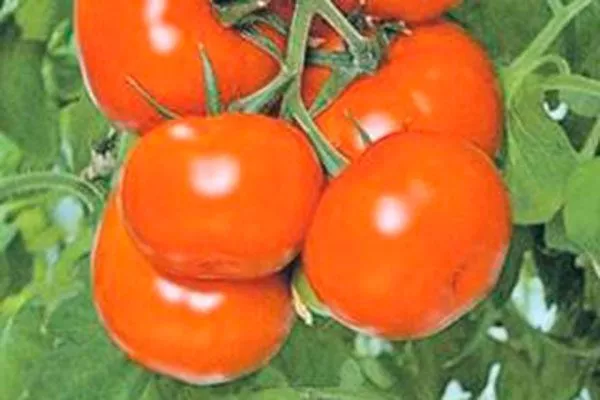
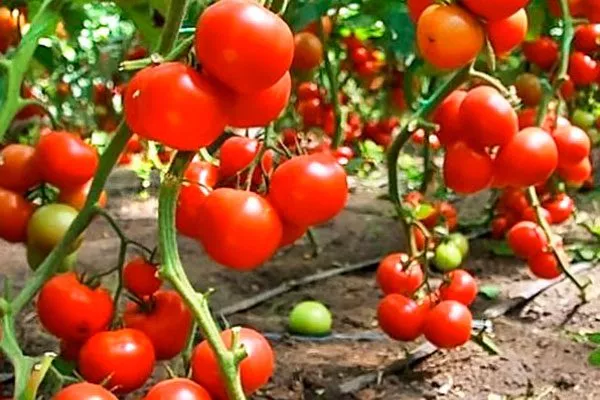
- tomatoes - when ripe they are bright red in colour and have a glossy surface;
- weight - varies from 54 to 71 g, but there are vegetables weighing about 100 g;
- form - flat-round, with slight ribbing, reminiscent of a flattened ball;
- pulp – juicy.
This variety is a standard tomato, so it doesn't require pinching or staking. The first clusters form after the sixth or seventh leaf, each containing four to six inflorescences with virtually no empty flowers.
Main characteristics and history
Betta was officially approved for use in 1997. Its rights belong to the Gavrish breeding company. Before being added to the State Register, the variety underwent numerous tests confirming its quality and stability.
Ripening and fruiting, productivity
It's an early-ripening variety—the fruits reach biological maturity in 78-83 days. The first fruits are harvested in the second half of June, and harvesting continues until the end of July.
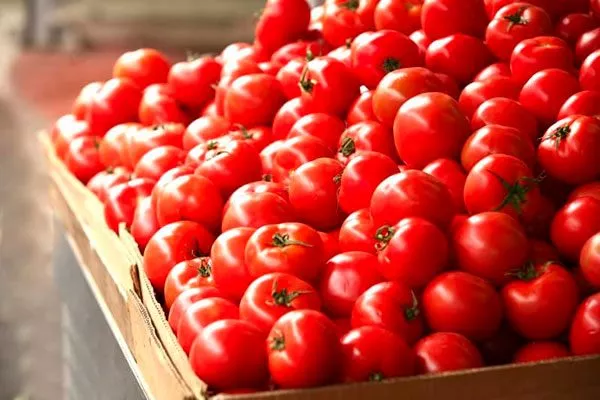
The low-growing standard variety Betta is characterized by high yields. Gardeners can harvest up to 2 kg of tomatoes per season from a single plant. Thanks to dense planting, productivity reaches 10–15 kg per square meter.
Scope of application
This versatile variety is suitable for both fresh and processed tomatoes. They are excellent for whole-fruit canning and salads. The flavor is balanced, sweet with a moderate tartness.
Thanks to their excellent quality, tomatoes are used to make juices and sauces. They retain their marketable appearance for a long time and withstand long-distance transportation well.
Resistance to diseases and pests
This variety is characterized by genetic resistance to a number of nightshade diseases. Thanks to its ultra-early ripening, late blight doesn't have time to develop.
Blossom-end rot is rare, but leaf spotting and curling are possible. In open ground, the main pests are thrips, spider mites, and Colorado potato beetle larvae.
Subtleties of cultivation
Tomatoes are grown in a variety of ways. The most common are seedling and non-seedling methods. In warm climates, seeds can be sown directly into the ground, but more often, gardeners first grow seedlings and then transplant them to their permanent location.
For an early harvest, greenhouse placement is optimal.
Soil requirements for planting
The plant prefers loose, fertile soil. Heavy loamy soil is best. Before planting, add wood ash, mineral fertilizer, and 1/2 part sand per 10 kg of soil. If necessary, add non-acidic peat (pH 6.5).
The seedlings adapt quickly and require little care. For cultivation, use either shared containers or individual seedling containers (up to 100 ml) no deeper than 15 cm.
Seedling method
First, germinate the seeds at home, providing them with the necessary growing conditions. After this, move the grown seedlings to the garden beds, a hotbed, or a greenhouse.
Obtaining seedlings
Sow Betta tomato seeds in February-March. Use a special soil mixture made by mixing equal parts garden soil and compost, or purchase a ready-made mixture.
Follow these recommendations:
- If you're using soil from a garden plot, bake it in the oven or microwave for 15 minutes to disinfect it. Prepare the planting material first: soak it in warm water for 24 hours to speed up germination.
- If the grains have already been processed by the manufacturer (have a bright color), additional stimulation is not required.
Fill the containers with fertile soil. Space the seeds 2 cm apart, cover with a 1 cm layer of peat moss, then moisten and cover with plastic wrap.
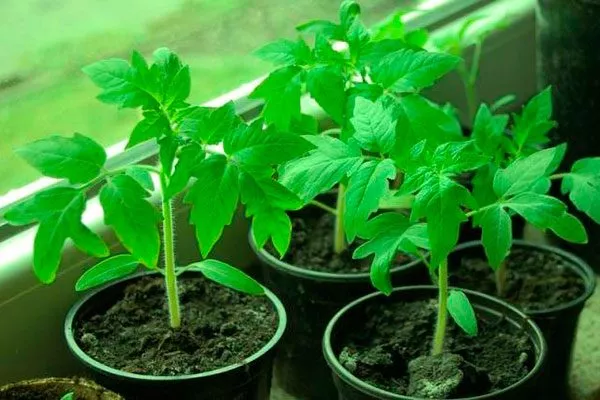
For rapid germination, keep the seedlings at 25°C. Once sprouts appear, move them to a windowsill and provide supplemental lighting for up to 12 hours a day. Water regularly, and do not allow the soil to dry out.
Planting in a greenhouse
Transplant Betta tomatoes two months after sprouts appear. By this time, the seedlings will be 25 cm tall, have 6 full leaves, and a well-developed root system.
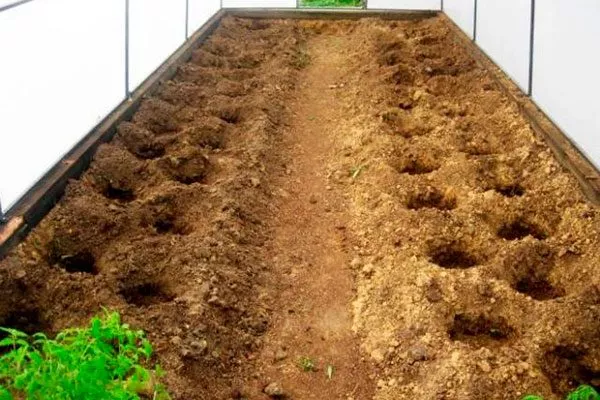
Prepare the greenhouse in the fall:
- Replace the top layer of soil, as it may contain pests and pathogens.
- Dig over the reclaimed soil and enrich it with compost. Add wood ash to improve the soil composition.
- Planting holes should be 20 cm deep. Maintain a distance of 30 cm between plants and 50 cm between rows. A staggered arrangement is ideal, as this simplifies plant maintenance and prevents shading.
Plant the seedlings together with the root ball, cover with soil, compact slightly and water generously.
Direct seeding
You can sow Betta seeds directly into open ground, but this is only true in regions with a favorable climate. Wait until the soil and air are well warmed.
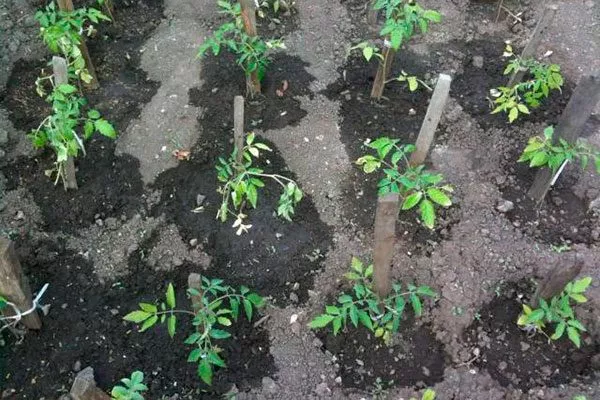
Follow these recommendations:
- Choose sunny, wind-protected areas. The best predecessors for tomatoes are cabbage, root vegetables, onions, and garlic. If tomatoes, peppers, or potatoes were previously grown in the same spot, choose a different planting bed.
- Plant seeds at a depth of 1-1.5 cm, using a pattern of 40-50 cm between rows and 30-40 cm between plants.
After sowing, gently compact the soil and moisten with warm water. To protect from the cold and speed germination, cover the area with plastic wrap until the first shoots appear.
Care regimen
Betta tomatoes require regular care and simple cultivation techniques, which significantly impacts yield. The variety is resistant to major tomato diseases.
Watering and loosening
Provide the plant with regular irrigation using warm, settled water. Apply the liquid once or twice a week, maintaining soil moisture at 80%.
Follow certain rules:
- Insufficient moisture causes yellowing and curling of leaves, as well as flower drop. Overwatering is no less harmful, as it can lead to root rot and fungal diseases.
- After transplanting the plants to their permanent location, water them every 10 days. Once the tomatoes have adapted to the new conditions, water them twice a week, using 2 liters of water per plant.
- During flowering, increase the amount of liquid to 5 liters, moisten weekly.
- Carry out the procedure in the morning or evening to ensure that the moisture is well absorbed into the soil.
- Once the tomatoes begin to ripen, water them every 3 days with 3 liters of water per plant. Reduce watering when the tomatoes turn red to prevent cracking.
After watering, loosen the soil to a depth of 5 cm. This improves air circulation and helps the seedlings easily absorb moisture and nutrients. Hill up the tomato plants to strengthen their root system.
Fertilizing tomatoes
Betta responds well to fertilization, which promotes better growth and development. A week after planting the seedlings, apply the first fertilizer: dissolve 30 g of superphosphate in 10 liters of water and use it for watering. Phosphorus improves metabolic processes and strengthens the root system.
Fertilize the plants again after a week. A solution of 30 g of potassium salt and 10 liters of water is effective. Potassium is important for improving the taste of tomatoes and strengthening the plant's immunity. An alternative method is to incorporate wood ash into the soil or add it to the water when watering.
Features of cultivation and possible difficulties
Growing Betta tomatoes isn't particularly difficult, but it can be made more convenient and efficient. You may encounter some inconveniences:
- The direct seeding method is suitable only for southern regions, where the climate allows the bushes to develop quickly.
- Do not plant this variety next to other tomato varieties, as this may lead to cross-pollination and reduced yields.
Pest and disease control
Betta has genetic resistance to a number of infections common to nightshade crops. However, in rare cases, it may be affected by the following diseases:
- blossom-end rot;
- tobacco mosaic virus (TMV);
- Alternaria (dry spot).
The main threats to tomatoes are the following parasites:
- Colorado potato beetles;
- spider mite;
- aphid;
- whitefly;
- thrips.
To prevent pests, take protective measures, including:
- weeding;
- hilling;
- manual collection of larvae;
- treatment with safe insecticides.
Regular care and disease prevention will help keep plants healthy and ensure a good harvest.
Pros and cons
Before cultivating a crop, it's important to carefully study its characteristics. The Betta tomato is a determinate variety renowned for its significant advantages:
The only drawback is that the bushes may break due to the weight of the tomatoes.
Reviews
The Betta tomato is an early-ripening, determinate variety with excellent commercial qualities. It is resistant to the main solanaceous diseases, including late blight and tobacco mosaic virus. The fruits have a rich flavor and are suitable for canning. The crop easily adapts to various climates and requires little attention.