
Red Berberana tomatoes are a high-yielding variety. This hybrid is ideal for greenhouse cultivation. It attracts gardeners with its disease resistance, early ripening, and excellent taste. It easily adapts to various conditions, tolerates drought, and produces fruit for a long time.
Description of the variety
The crop was developed by Dutch breeders from Enza Zaden and was officially approved in 2012. The primary goal of its creation was to produce an easy-to-grow, high-yielding hybrid that thrives in both indoor plastic greenhouses and industrial glasshouses.
Morphological features of the plant
Berberana reaches a height of 180 cm and requires mandatory shaping.
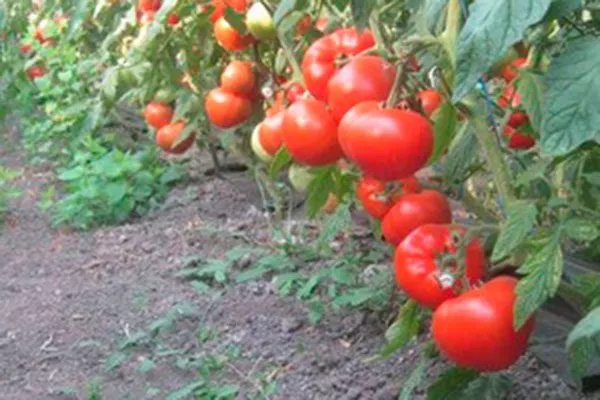
Main characteristics:
- Indeterminate type. The bush continues to grow under favorable conditions.
- Powerful stem and developed root system. Provide resistance to weather changes and allow for the active absorption of nutrients.
- Compact bush with short internodes. Simplifies structuring and saves greenhouse space.
- Large green leaves. They create a dense mass, promoting intensive photosynthesis and protecting the fruits from burns.
- Simple inflorescences. The first one forms above the 7th-9th leaf, the rest – every 2-3 leaves. A cluster produces 5-6 evenly developing tomatoes.
- Glandular hairs on the stem and leaves. They secrete substances that repel certain pests.
Fruit characteristics
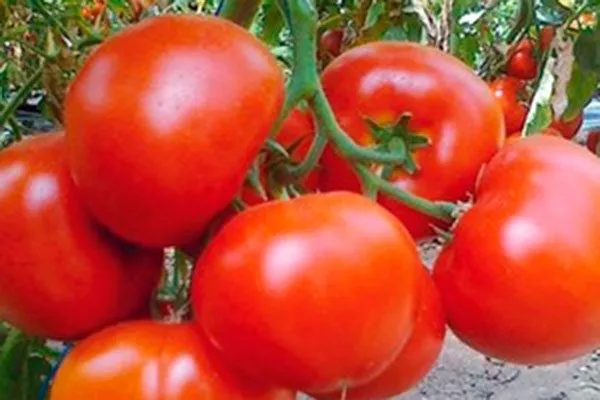
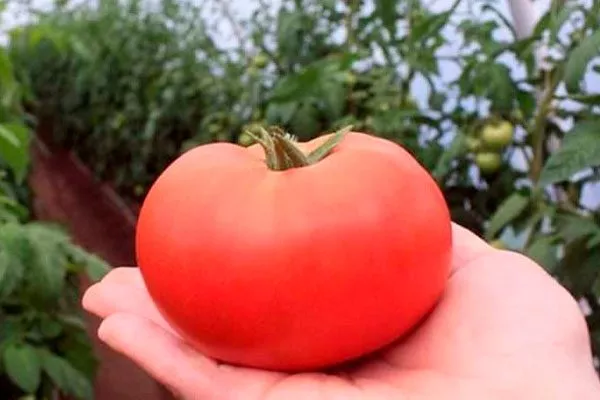
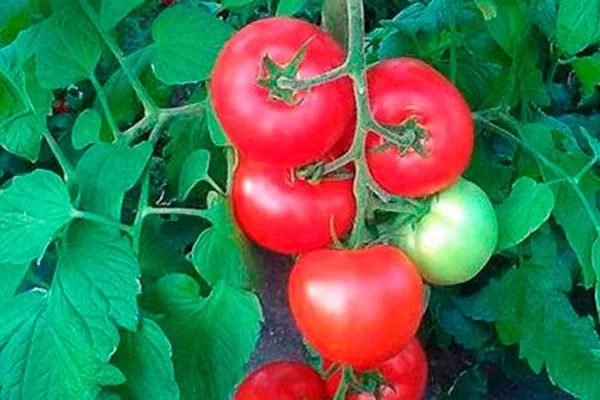
The tomatoes are flat-round with prominent ribs and are large in size. Other distinguishing features:
- weight varies from 170 to 200 g;
- During the ripening process, the color is uneven, with green shades, and ripe vegetables acquire a deep red color;
- The skin is dense, but not tough, which ensures good shelf life.
Main characteristics
Berberana is successfully grown in greenhouses, but it also produces reliably in open beds. This variety is renowned for its high marketability—its tomatoes retain their shape well, and their flavor remains at its peak.
Weather resistance and regions
Berberana tolerates temperature fluctuations, producing fruit even in unfavorable conditions. The plant quickly adapts to heat, ensuring a stable harvest.
This variety is grown in the Volga-Vyatka region, the Central Federal District, and the Middle Volga region. However, with proper care, it can also be successfully cultivated in other climate zones.
Purpose and taste
Despite their hybrid origins, Berberana tomatoes possess a rich, juicy, and pleasantly sweet flavor. The flesh has a pronounced sugar content and a velvety texture.
Tomatoes are intended for:
- salads;
- pickling;
- marinating in pieces;
- frozen in slices.
Due to their large size, the vegetables are not suitable for whole-fruit canning, and they are slightly sour for juice.
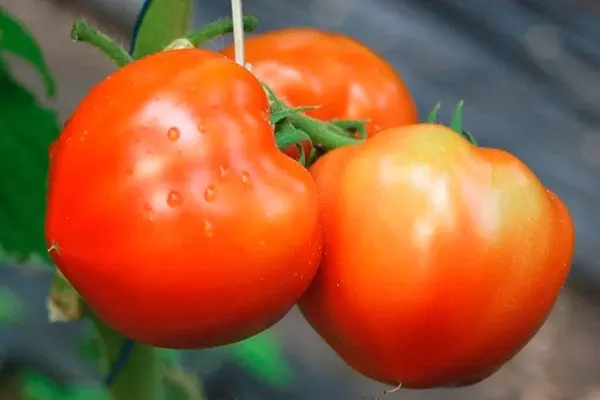
The harvest is stored well for up to 4 weeks without losing its taste and appearance.
Productivity, ripening time
This variety is considered an early-ripening variety, with 95-100 days from germination to harvest. Depending on planting time, the first tomatoes begin to ripen in late June or early July.
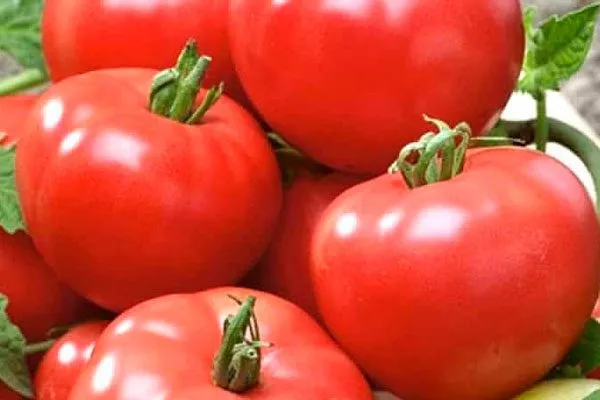
Gardeners can harvest 3-4 kg of vegetables from one bush, and 8-13 kg from one square meter, provided no more than three plants are planted per plot. The hybrid easily adapts to high temperatures, which is especially important for greenhouse cultivation.
Resistance to diseases and pests
Berberana has a strong immune system—plants are rarely affected by cladosporiosis, tobacco mosaic virus, and verticillium wilt. However, to maintain the plant's health, preventative treatments are recommended.
Bushes can be attacked by insects, including whiteflies, spider mites, Colorado potato beetles, and aphids. Gardeners use insecticides to protect against pests.
How to grow seedlings?
The Berberana tomato is designed for greenhouse cultivation. This hybrid requires quite a bit of care, but with proper cultivation practices, it delivers excellent yields.
Seed preparation
Purchased seeds usually don't require disinfection, as they are processed by the manufacturer. However, before planting, soak them in a growth stimulant (Epin, Zircon, Kornevin) to improve germination.
Inspect the tomato seeds first – they should be light-colored, undamaged, and undamaged. To check for hollows, soak them in a salt solution (1 teaspoon of salt per 200 ml of water); any seeds that float to the surface are unsuitable for planting.
Container and soil
To prepare the soil mixture, use garden soil, humus, and wood ash. Mix all ingredients thoroughly and water with a pink solution of potassium permanganate for disinfection.
The best option for sowing is peat pots. Hybrid seedlings do not tolerate transplanting well, and after transplanting, the sprouts do not develop for a long time. When using peat containers, replanting is not required, and when transplanted into the ground, the containers dissolve in the soil without damaging the roots.
Fill the container halfway with soil, adding some sawdust or small pebbles to the bottom for drainage. As the plants grow, add the remaining soil to ensure the seedlings receive more nutrients.
Sowing seeds and caring for seedlings
Sow the seeds in individual trays, making furrows 1.5 cm deep. After sowing, level the soil, compact it lightly, and moisten with warm, settled water (at least 22°C). Cover the trays with thin film to create a greenhouse effect and leave them in a warm, well-lit place at a temperature of about 23°C.
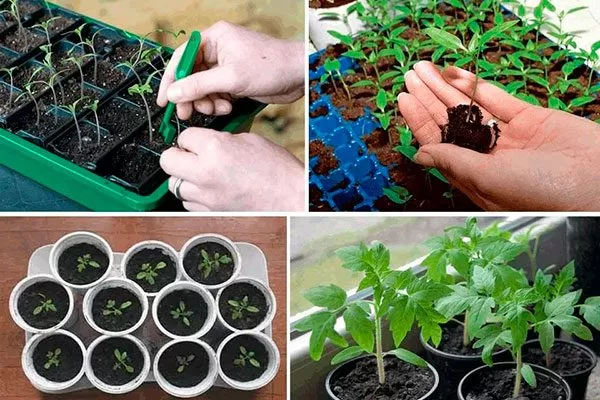
Growing seedlings requires following certain rules:
- The crop requires bright light throughout the growing season.
- Water as the top layer of soil dries out, pouring water around the edge of the container. After watering, loosen the soil with a wooden stick or fork.
- When the plants develop two true leaves, feed the seedlings with a liquid complex fertilizer. This helps strengthen the seedlings' immunity.
Two weeks before transplanting, begin hardening off the seedlings by placing them outside for 20-40 minutes, gradually increasing the time spent outdoors to several hours. Protect the seedlings from drafts, as they can cause damage.
Transfer
Move Berberana tomato seedlings into protected soil in early or mid-May, depending on the soil temperature – it should be at least +15°C.
Please fulfill several important requirements:
- Before planting, loosen the soil and mix it with humus. If tomatoes were previously grown in the greenhouse, replace the top layer of soil and disinfect it. This will help increase the nutrient content and reduce the risk of fungal infections.
- Plant young plants in holes 15 cm deep. Sprinkle a little wood ash at the bottom of each hole.
- The optimal planting pattern is 50 cm between bushes and 55-60 cm between rows. Place 3-4 seedlings per square meter in a staggered pattern. This planting pattern allows the plants to receive sufficient light and ventilation, which is necessary for their full growth. Spreading plants require space to develop.
Caring for Berberana Tomatoes
Caring for your hybrid is crucial for a bountiful harvest and healthy plants. Follow simple cultivation practices to strengthen the plants' immunity and improve productivity.
Watering and fertilizing
Berbarana prefers regular but moderate watering. It's sufficient to moisten the soil once every five days, using 5 liters of water per plant, at temperatures no lower than 20°C.
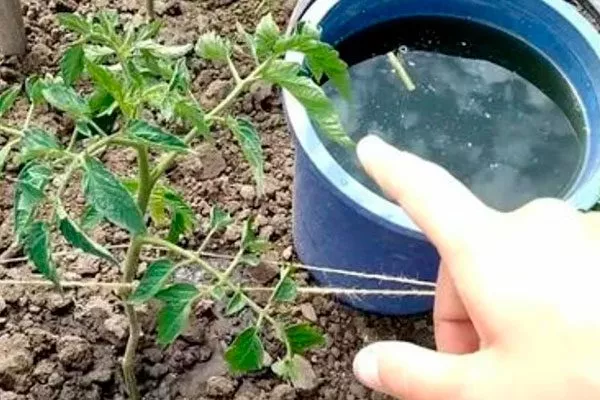
Helpful tips:
- During the active flowering period, increase watering to 10 liters per plant. Avoid watering the leaves to prevent rot and burns.
- Fertilize the crop 14 days after planting in the greenhouse using a mixture of rotted manure and nitrophoska (1 teaspoon per 10 liters of water). Apply 1 liter per plant. After 10 days, apply a solution of potassium sulfate (1 teaspoon) and Fertility (1 tablespoon) per 10 liters of water. Apply 1 liter of the prepared mixture per plant.
Repeat the last feeding three times throughout the growing season.
Pinching out stepsons
Train the plants into a single or double trunk. In addition to removing side shoots, pinch the tops. These cultivation techniques promote the formation of strong fruit clusters and prevent excessive foliage growth.
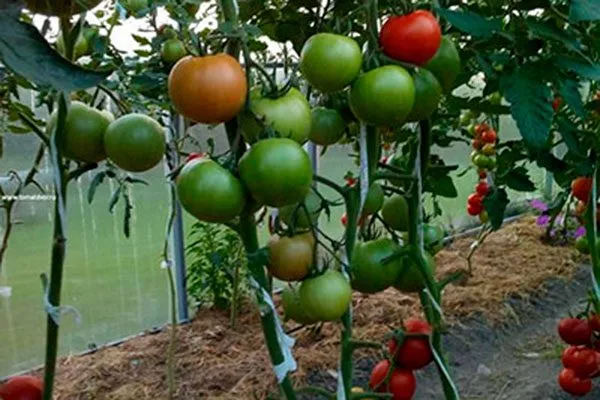
Be sure to secure the stems and branches with tomato plants to supports. Despite their strong shoots, they are unable to support the weight of the tomatoes. Install a trellis, large-mesh netting, or simple metal posts near the bushes for support.
Soil care
It's quite difficult to control soil moisture in a greenhouse, which can lead to the development of fungal diseases and mold if there's too much water. To prevent these problems, regularly loosen the beds to ensure air circulation and add soil around the stems by hilling them.
Diseases and pests
The Berberana hybrid has good resistance to the main diseases of nightshades, which allows for standard preventative measures.
Helpful tips:
- Maintain moderate watering with soil moisture control, regularly loosen the soil, remove weeds and ventilate the room with the beds.
- In a greenhouse, where conditions are ideal for spider mites, be especially vigilant. To combat mole crickets, mulch the beds with straw or bury fish heads and crushed garlic cloves in the soil—these odors repel the pest.
- Treatment with a soap solution helps against aphids, which is no less effective in protecting plants from slugs.
- You can repel the Colorado potato beetle by planting mustard plants near your tomato plants. When inspecting the leaves, check both sides, as the pest larvae live on the inside of the leaves.
The nuances of growing crops in different regions
The hybrid produces stable yields in all types of greenhouses, including glass, polycarbonate, and film. However, it is not suitable for open-field cultivation, even in the warmest regions.
In the southern part of the country, tomatoes are planted under plastic covers, while in colder climates, they are grown in glass greenhouses with additional heating. To prevent fungal diseases, regularly ventilate the room, ensuring a supply of fresh air but avoiding drafts.
These measures will help reduce the number of pathogens and improve plant conditions. To control the growth of tall bushes, pinch the tops—this will help redistribute nutrients toward tomato development rather than excessive stem elongation.
Pros and cons
Growing a crop requires learning its basic features, including its advantages and disadvantages.
Tomato Berberana has a number of significant advantages:
However, this variety does have some drawbacks. One of them is the unrestricted growth of the bushes, which requires regular pinching and structuring. Furthermore, the plant requires constant fertilizing to ensure full development and fruiting.
Reviews
The Berberana tomato is an excellent choice for gardeners seeking resilient and productive varieties. These tomatoes boast excellent flavor and versatility. With proper care, they will provide a consistent and abundant supply of red vegetables.