
The White Naliv tomato is an ideal choice for those looking for an easy-to-grow and productive variety for their garden. It boasts excellent flavor, requires little care, and is resistant to many diseases. Despite its susceptibility to late blight, it remains one of the most popular varieties. With proper farming practices, no difficulties will arise.
History of White Naliv tomato breeding
Developed in 1960 by breeders A. V. Kryuchkov, G. I. Tarakanov, and M. D. Panova at the V. I. Edelstein Educational and Scientific Center in Kazakhstan, the original varieties were Viktor Mayak and Pushkinsky tomatoes.
The main goal of the project was to create an early-ripening, high-yielding variety suitable for various regions of the country. In 1966, it was added to the State Register under the name "White Filling 241" and introduced to the market for mass distribution that same year.
Description of the bush
This cultivar is a determinate variety. Its compact, cluster-shaped bushes are successfully grown both in greenhouses and open ground. The plants are characterized by strong, sturdy stems and a light green, medium-dense crown. The leaves are small, with pointed edges, and are pubescent.
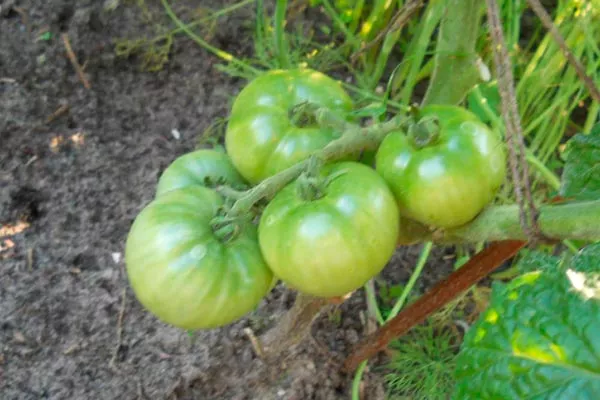
The bush stops growing on its own when it reaches full maturity. The first inflorescence appears above the 6th or 7th leaf. Typically, no more than six clusters form on a single plant, each containing 3-4 fruits.
Main qualities of fruits
White Naliv tomatoes are round, medium to large in size. Each fruit weighs between 80 and 132 grams. They are firmly attached to the stem and do not fall off even after full ripening. When ripe, the fruit's color changes from greenish-white to a rich raspberry-red hue.
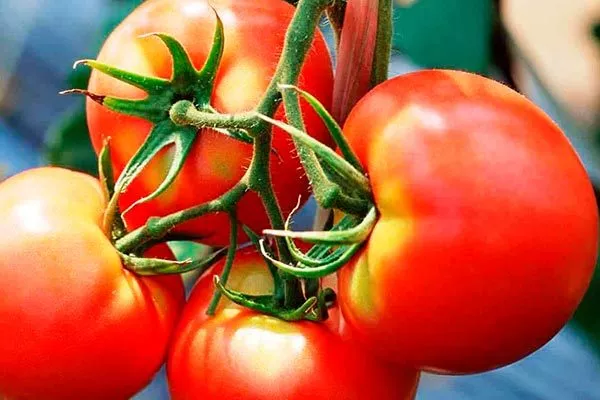
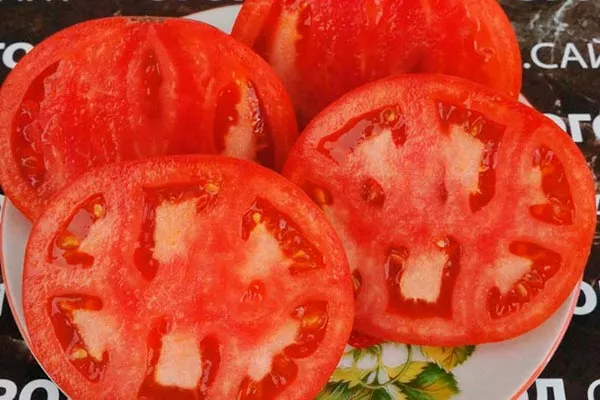
The skin is smooth, slightly ribbed, and thick enough to prevent cracking. The flesh is juicy and meaty, containing 5 to 12 seed chambers. The tomatoes develop simultaneously, but ripening can be uneven, resulting in tomatoes of different colors on the bush.
Characteristics
The White Filling tomato is one of the most well-known and beloved varieties among vegetable growers. It boasts numerous advantages, high yields, and the excellent taste of ripe fruits.
Key indicators:
- Taste characteristics. Tomatoes have a rich flavor and pleasant aroma. Dry matter content is 4.8-5.1%, and sugar content is 2.8-3%. The plant's inflorescences are simple.
- Ripening periods. White Naliv is a mid-early variety. It ripens in 100-105 days. The first harvest occurs in early July, and fruiting continues until mid-August.
- Productivity. The crop yields well: up to 4 kg per plant in open ground and up to 6 kg in greenhouses. When grown on an industrial scale, yields range from 275 to 814 centners per hectare.
- Scope of application of fruits. The White Naliv tomato is versatile: delicious fresh, it's perfect for salads, sauces, ketchups, and appetizers. It's also used for winter preserves.
How to grow seedlings?
Seeds for growing seedlings are sown in the last ten days of March. After 1.5-2 months, the plants are ready for transplanting into the ground. It is very important to properly treat the seeds before transplanting.
Seed preparation
Begin preparing planting material 1-2 weeks before planting. Follow these recommendations:
- First, select high-quality seeds—they should be large, smooth, and full-bodied. Small, empty, or misshapen seeds are unlikely to produce viable seedlings.
- Use a proven method for selecting seeds: dissolve a tablespoon (2.5 g) of salt in 250 ml of water. Place the seeds in the solution for 15-20 minutes. Discard any that float, and select those that sink for planting.
- Warm the seeds by spreading them on a cotton cloth and placing them on a heating battery for 36-48 hours.
- After warming, disinfect the seeds. To do this, prepare a 1% solution of potassium permanganate and soak the seedlings for 15-20 minutes. This will help kill surface infections but will not affect pathogens inside the seeds. After treatment, rinse them with warm water.
- Next, saturate the seeds with oxygen. This is called bubbling. At home, heat water to 26-30°C, place the seeds in it, and gently stir the water every hour for 15-18 hours. When sprouts appear, stop bubbling.
- If necessary, soak the seeds for 12 hours in a biostimulant solution: Zircon, Epin, or Immunocytophyte. The water and air temperature should be around 20°C.
- The next step is hardening the seeds. Wrap them in cotton cloth and plastic and place them in the refrigerator or another cool place at 2-3°C for 8 hours. Then return them to a warm place for 8 hours. Repeat this process 5-6 times to increase the seedlings' frost resistance.
Before planting, germinate the seeds. To do this, dampen the cloth, lay them out, and cover with a second layer of cloth. Place everything in a warm place (25-30°C), making sure the cloth doesn't dry out. When a sprout the size of the seed appears, the seeds are ready to be planted in the ground.
Container and soil
Any container is suitable for planting tomato seedlings: special containers, plastic cups, used yogurt, cottage cheese, or sour cream containers, cake lids, cut-off plastic bottles, etc. Regardless of the container you choose, disinfect it first with a 5% solution of potassium permanganate.
Use a general-purpose tomato soil, available at specialty stores. If you prefer to prepare your own soil mix, use the following:
- 1 part garden soil (where cucumbers, zucchini, carrots or dill grew);
- 2 parts non-acidic peat (pH 6.5);
- 0.5 parts sand (river or washed);
- 1 part humus or sifted mature compost.
Additionally, add sifted wood ash or dolomite flour, sphagnum moss, or fallen pine needles to improve the soil quality. Be sure to disinfect the soil 24 hours before planting the seeds by treating it with boiling water or potassium permanganate.
Sowing, optimal timing
Sow White Naliv tomato seeds after March 20th. After 50-60 days, transplant the grown seedlings into open ground. Since this variety is not a hybrid, seeds can be obtained from ripe fruits. They retain all the varietal characteristics and have a high germination rate.
Scatter the seeds 2-4 cm apart, then cover them with a layer of soil no more than 2 cm thick and gently spray with water. Cover the containers with plastic wrap or glass (a regular plastic bag will do). Maintain a temperature above 20°C.
- ✓ The air temperature in the room with seedlings should not fall below +18°C at night and +22°C during the day.
- ✓ Lighting should be at least 12 hours a day; if there is insufficient natural light, use phytolamps.
Conditions and care of crops
When the first sprouts appear, remove the film and place the containers on a bright windowsill. Follow these guidelines:
- Water the seedlings carefully, using a syringe or teaspoon, at the roots, avoiding water from getting on the cotyledons. Tomato seedlings do not tolerate direct sunlight. Moisten as the soil dries out.
- When the seedlings have two true leaves, begin transplanting. Transplant each plant into a separate container, burying it almost to the cotyledon leaves. Add mineral fertilizer to the soil (20 g per 5 liters of potting mix). Be sure to make holes in the container to allow excess water to drain.
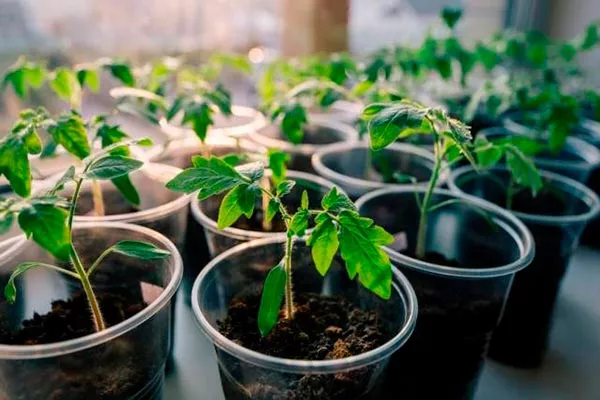
Immediately after transplanting, begin hardening off the tomato seedlings. To do this, take the trays with containers outside or onto the balcony in the evening. Start with 1 hour, then increase the time spent outdoors to 12 hours, gradually extending the period.
Transfer
Plant the seedlings on the south or southeast side of the plot. They grow best in loamy or sandy soils previously used for growing cucumbers, onions, or zucchini.
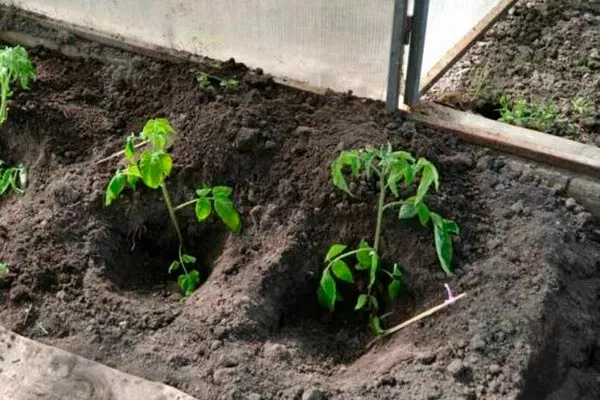
Avoid planting tomatoes after other nightshade crops, such as potatoes, eggplants, and bell peppers, as these plants are susceptible to the same diseases. Tomatoes don't like being planted too close together, so leave 50 cm between plants.
An excellent planting option is the square-nest method: place the bushes in the corners of an imaginary square with sides measuring 50-60 cm. Dig a 40 cm diameter watering hole in the center. Place 1 liter of wood ash or 20 g of superphosphate and potassium sulfate at the bottom of the hole, and top with a layer of mown grass, without seeds or roots.
Caring for the White Filling Tomato
To obtain a good harvest, it's important to provide the crop with proper care. Productivity is directly dependent on several factors. The crop prefers sunny sites with good air circulation. Incorrect placement or shade can negatively impact yield.
Watering
After transplanting to their permanent location, tomatoes don't need watering for the first week. Thereafter, water the plants once or twice a week. Apply 3-5 liters of water under each plant.
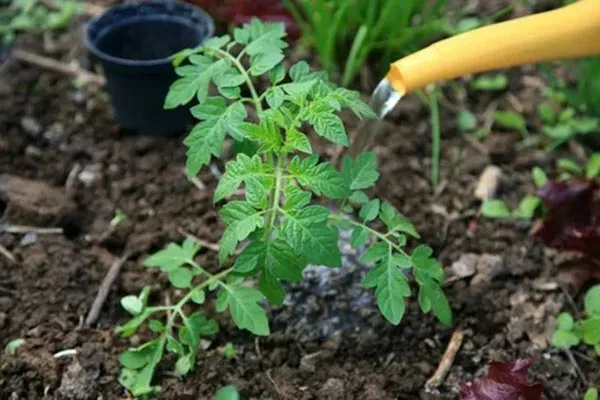
Regular watering helps maintain soil moisture at 90%. Air humidity should be around 50%, which is achieved by ventilating the greenhouse.
Apply water to the roots, avoiding the leaves and stems. Do this in the morning or evening, away from direct sunlight.
Until the tomatoes flower, water them twice a week, using no more than 2 liters of water per plant. During flowering, water up to once a week, but increase the amount to 5 liters. Once the fruits appear, reduce the frequency to prevent cracking.
Top dressing
White Naliv tomatoes require several fertilizing sessions throughout the season. Follow this schedule:
- Two weeks after transplantation V priming Prepare a urea solution. Use 20 g of urea per 10 liters of water. Pour 1 liter of this fertilizer under each bush.
- In 7 days Use a solution of 500 ml of liquid chicken manure and 10 liters of water. The consumption per bush is 1.5 liters.
- When the first inflorescences appear Add wood ash to the soil.
- During active flowering Dissolve 20 g of potassium humate in 10 liters of water. This solution is enough to water two plants.
- During the period of fruit ripening Spray with a solution of Superphosphate (20 g per 1 liter of water).
You can use folk remedies to feed your tomatoes. One such remedy is a yeast infusion, which stimulates plant growth. To prepare it, mix 40 g of sugar and a packet of dry yeast, diluting them with warm water. Add the resulting solution to 10 liters of water. Use 500 ml of the prepared solution per plant.
Pinching out side shoots and soil care
Many novice gardeners wonder whether they need to pinch out the side shoots of their White Naliv tomatoes. Experienced agronomists say that removing only the damaged lower leaves—yellowed, dry, or spotted ones—is sufficient.
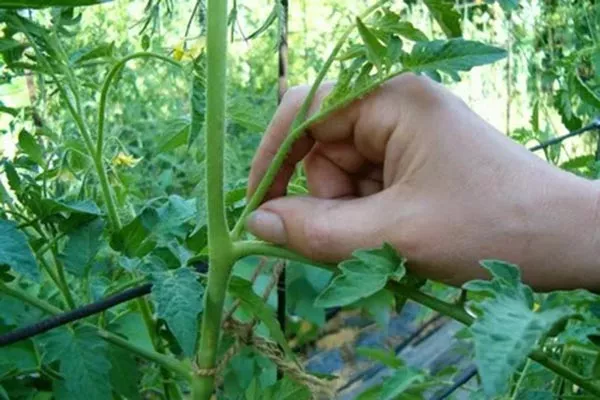
Tomatoes require regular weeding and loosening of the soil around the roots to improve oxygenation. After each watering, loosen the soil and then apply mulch.
In greenhouses, mulching helps speed up ripening and increase yields. In open ground, this procedure not only increases yields but also saves effort when tending the beds. Soil covered with a layer of peat, straw, or humus will be protected from drying out.
Possible difficulties
One of the main problems with growing the White Naliv tomato variety is its susceptibility to late blight. Therefore, avoid planting this variety near potatoes or in areas where they previously grew, as fungal spores may remain in the soil or be carried from infected plants.
The main difference lies in the seeding timing. For greenhouses, seedlings are planted in the third ten days of March, while for open beds, they are sown in mid-April. Growers claim that even in colder regions of Russia, high yields can be achieved in open ground.
Harvesting and storage
The White Naliv variety's fruits are harvested around the 100th day. These tomatoes are ideal for fresh salads, hot dishes, freezing, and canning. They are also used to make sauces, ketchup, and tomato paste. However, this variety is not suitable for juice production, as the resulting juice is too thick.
Fresh vegetables will keep for about a week. If picked unripe, the shelf life will increase to 2-3 weeks.
Diseases and pests
The crop is characterized by good resistance to many diseases that affect other fruit crops; for example, it never suffers from dry spot. However, despite its early maturity, it can be susceptible to late blight, so it is not always possible to completely avoid this disease.
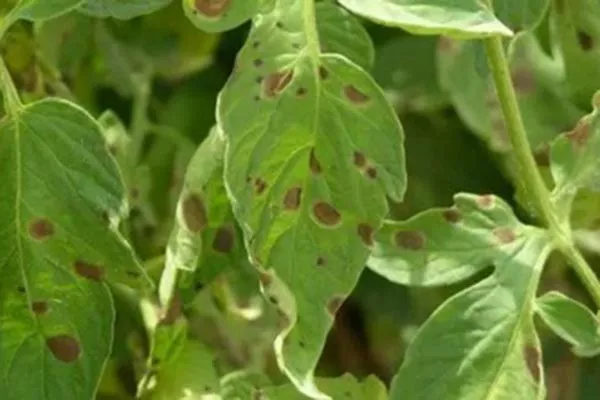
For prevention, use the fungicide Fitosporin, following the instructions. Overwatering can lead to blackleg disease.
Among pests, White Naliv is susceptible to attack by the Colorado potato beetle, which can be protected by using wood ash or copper sulfate. To repel other insects, planting marigolds or nasturtiums near the beds is helpful.
Preventive measures:
- In the fall, remove all weeds from the area where you plan to plant tomatoes and till the soil. Add wood ash, which will not only serve as fertilizer but also as a disinfectant. Spray the beds with a pesticide to get rid of insect larvae.
- 20 days before planting, treat the seedlings with a 0.5% solution of Bordeaux mixture or copper sulfate.
- Add a little ash or onion peel to each hole.
To increase yield, leave 2-3 stems on each bush and remove any excess. This will help produce larger fruits, but will require staking the branches. Regular weeding and hilling will help stimulate lateral root development and improve plant growth.
Similar varieties
| Name | Ripening period | Disease resistance | Soil type |
|---|---|---|---|
| Turbojet Tomato | Ultra-early | High | Loamy |
| Siberian early ripening | Early | Average | Sandy |
| Mystery | Average | High | Loamy |
| Lyana | Early | High | Sandy |
| Tomato Explosion | Ultra-early | High | Loamy |
Among the determinate varieties, there are several that are similar in characteristics to the Bely Naliv variety. Here is a brief description of the most closely related ones:
- Tomato Turbojet. An ultra-early determinate variety that produces flat-round fruits weighing 80-100 g. Yield is up to 2 kg per bush.
- Siberian early ripening. The bushes are strong and stocky and don't require staking. Moderate pinching is recommended. The tomatoes have thick skin and a rich flavor.
This variety is ideal for the food industry, especially tomato production. It is resistant to common nightshade diseases. - Mystery. The stem is thick and heavily branched, requiring no pinching. The clusters are small, each bearing seven fruits. The tomatoes are sweet and juicy, resistant to cracking. This variety tolerates low sunlight and can be grown in the shade. It is naturally resistant to infectious diseases.
- Liana. The bush grows to no more than 50 cm in height, with moderate branching and abundant foliage. It is suitable for both open ground and greenhouse cultivation. It is temperature-tolerant and produces a consistent harvest regardless of weather conditions.
Tomatoes are delicious, rich in carotene and B vitamins. They are resistant to various diseases, with the exception of tobacco mosaic. However, during the ripening period, they are susceptible to insect attacks. - Tomato Explosion. This low-growing, spreading hybrid boasts high seed germination rates. Suitable for both open-field and greenhouse cultivation, it is resistant to cold and disease. The tomatoes are firm and have excellent flavor. They transport well and have a long shelf life.
All these varieties are characterized by early maturity, uniform ripening, and average yields. The fruits are typically small, weighing between 80 and 120 grams, and are similar in appearance to the White Naliv tomato variety.
Pros and cons
To avoid potential difficulties when growing tomatoes, it's important to carefully study their characteristics, advantages, and disadvantages. The White Filling variety has many advantages:
The culture has one significant drawback: low resistance to fungal diseases.
Reviews
The White Filling tomato is one of the most popular and time-tested varieties, beloved by gardeners for many years. It is easy to care for, has good germination, and produces a consistent harvest. It's ideal for both beginners and experienced gardeners, but requires proper care to produce high-quality tomatoes.