
The Banana tomato is a unique variety that has gained popularity thanks to its generous, high-quality yields, attractive appearance, and versatility. Its interesting shape is pleasing to the eye, and its rich flavor is a true gift for lovers of fresh vegetables. Proper care is essential to ensure a bountiful harvest throughout the season.
Description of the bush
This variety is characterized by good productivity and an attractive appearance. The main advantage of this tomato is its abundant yield, reaching up to 3 kg per bush. The fruits are resistant to cracking, making them suitable for long-distance transportation, making them popular among retailers.

Main qualities of fruits
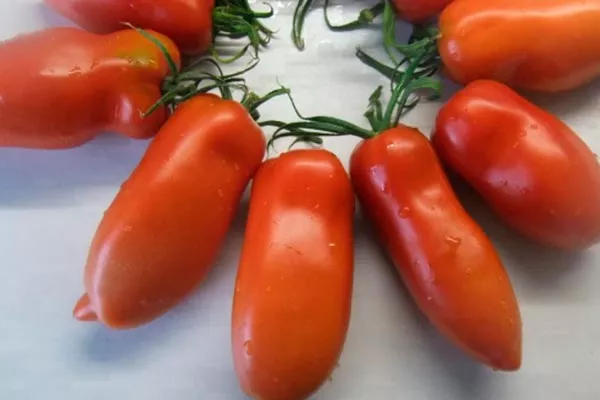
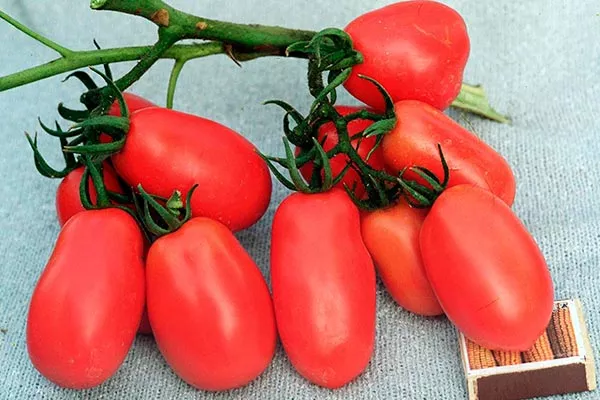
The tomatoes are pepper-shaped and weigh between 80 and 120 grams. Their dense, fleshy flesh gives them a particularly juicy texture. Their smooth, shiny skin makes them even more attractive.
Taste characteristics
The flavor is characterized by classic tomato sweetness and delicateness. These tomatoes are ideal for eating fresh and adding to a variety of dishes. The harmonious combination of sweetness and slight tartness creates a refined bouquet of flavors that will satisfy even the most discerning palates.
Ripening and fruiting
Banana is a mid-early variety, with fruits ripening 103-110 days after germination. The harvest is usually in July and August, when the vegetables are at their juiciest. This variety demonstrates consistent yields, reaching 2.5-3 kg per bush.
Planting and care
Start growing seedlings in early March or the first two weeks of April. For successful sowing, prepare the seeds properly:
- Disinfection. Place the grains in a gauze bag and soak for 20-30 minutes in a solution of potassium permanganate, then rinse and dry.
- Germination. Wrap the seeds in a damp cloth, cheesecloth, or napkin, place them in a plastic bag, and leave them in a warm place, such as on a radiator. After 3-5 days, when the seeds sprout, plant them, and discard any that don't sprout.
- ✓ The optimal soil temperature for sowing seeds should not be below +15°C.
- ✓ To prevent fungal diseases, it is necessary to ensure good air circulation around the plants.
Sow the seedlings in containers with nutritious soil and drainage (eggshells are suitable for home gardening). Plant them 1 cm deep, cover with soil, and moisten with warm water. To prevent diseases such as blackleg, treat the soil with an antifungal agent.
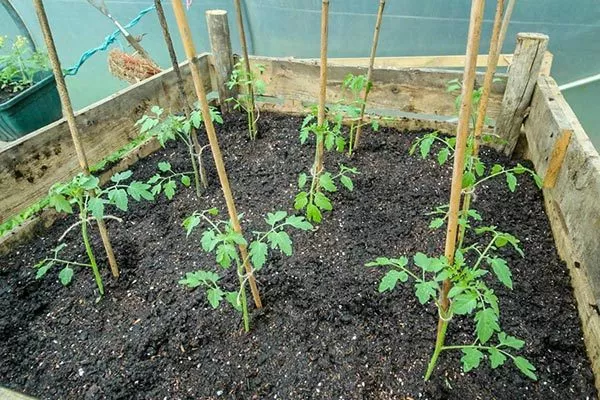
Observe the timing and sowing pattern:
- Into the greenhouse – 50-70 days after emergence.
- Into open ground – at the end of May or the beginning of June.
- Distance between bushes – 30×50 cm, be sure to install supports for tying.
Provide the crop with comprehensive care. Follow simple agricultural practices:
- Watering. Keep the soil moderately moist, reducing the amount of water after fruit set. In cool weather, water less frequently and reduce the amount by 50%.
- Loosening. Carry out the procedure every 10-14 days, avoiding damage to the roots.
- Garter. Use soft cloth tape to avoid damaging the stems.
The variety grows well next to mint, but it is not advisable to plant it next to white cabbage, as this may threaten its development.
Treatment and prevention of diseases and pests
To protect your Banana tomato from diseases and pests, follow proper agricultural practices and regularly carry out preventative treatments. Key measures include:
- Soil disinfection. Before planting, water the soil with a solution of potassium permanganate or Fitosporin.
- Seed treatment. Use fungicides or potassium permanganate to prevent fungal infections.
- Preventive spraying. Every 2-3 weeks, use biopreparations Fitosporin, Gamair or folk remedies - an infusion of onion peel and garlic.
- Ventilation of the greenhouse. This reduces the risk of powdery mildew and late blight.
- Removal of affected parts. At the first sign of disease, cut off leaves or stems and dispose of them away from the area.
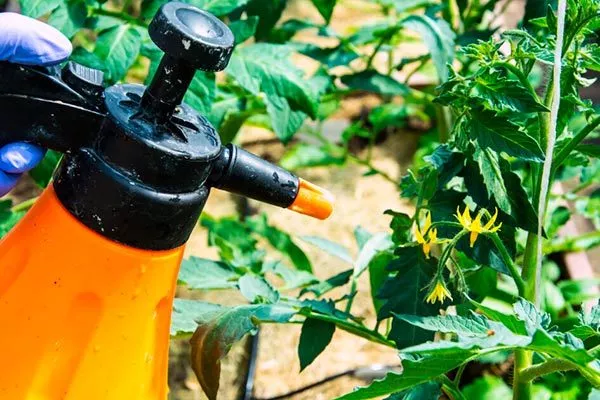
To combat pests (aphids, spider mites), infusions of soap and ash or bioinsecticides such as Actofit are effective. To repel pests, plant calendula, marigolds, or mint near tomatoes.
Pros and cons
Before planting seedlings in your garden, carefully consider their advantages and disadvantages. This crop has many advantages:
The disadvantages of the crop include the need for support due to its tall growth, the need for regular watering and loosening of the soil, sensitivity to planting density, the risk of damage if planted in the wrong neighborhood (for example, with cabbage), and a tendency to be affected by fungal diseases if overwatered.
Reviews
The Banana tomato is an excellent choice for both experienced gardeners and those just beginning their gardening journey. With simple care, this variety will delight you with juicy and delicious vegetables that are perfect for fresh dishes, preserves, and even table decoration.