
Babushkin is a large-fruited tomato variety. Gardeners appreciate it for its unique flavor, abundant harvest, and low maintenance requirements. It will become a true gem in the garden, delighting you with high-quality tomatoes and resistance to variable weather conditions. With proper care and proper farming practices, you can reap bountiful harvests.
Plant characteristics
Developed by specialists from the Russian company Euro-Seeds LLC, it was officially registered in 2015.
The bushes are determinate, characterized by limited growth. They reach up to 180 cm in height. The leaves are medium-sized and green.
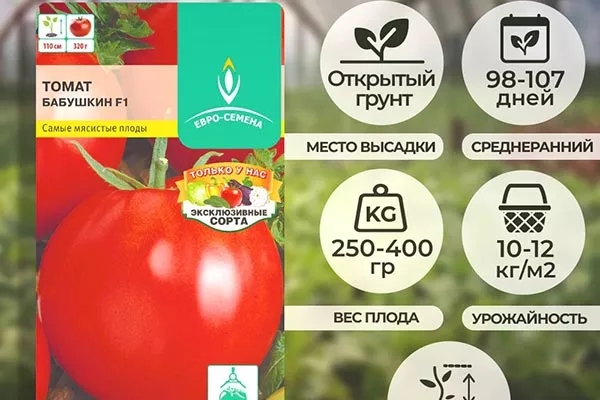
The first inflorescence forms above the ninth leaf, with subsequent inflorescences appearing every 2-3 leaves. This structure promotes even distribution of tomatoes on the plant, which positively impacts overall yield.
- ✓ Formation of the first inflorescence above the 9th leaf promotes uniform distribution of fruits.
- ✓ The presence of more than six seed chambers in the fruits increases their fleshiness.
Fruit
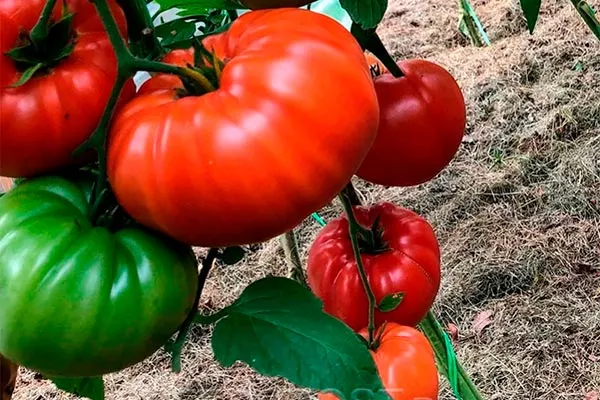
The tomatoes are heart-shaped and weigh an average of 175g. When unripe, they are light green, turning bright red as they ripen. This variety has more than six seed chambers and produces up to 10-12 fruits per cluster.
The taste and aroma of tomatoes
These vegetables are characterized by a rich, sweet flavor with a slight tartness. Their juicy, medium-dense flesh has a pleasant texture and distinct aroma, making them especially appealing when eaten fresh.
Purpose
Babushkin tomatoes are versatile. They are used for making purees, juices, fresh salads, and for pickling and marinating, both whole and sliced.
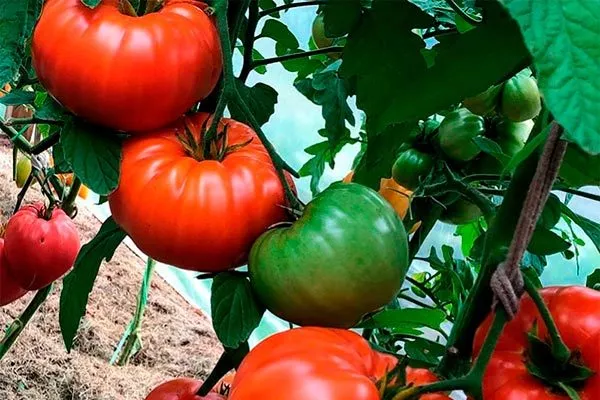
Thanks to its attractive appearance, excellent shelf life and resistance to transportation, the hybrid is ideal for commercial purposes.
Characteristics
This early-ripening variety matures in 105 to 115 days. The hybrid is successfully grown both in open ground and in plastic greenhouses. In the former, yields reach 3.5 kg per square meter, while in the latter, they reach 2.2-2.7 kg. This makes it an excellent choice for both novice and experienced vegetable growers.
Timing of planting seedlings and transplanting into the ground
Grow the Babushkin tomato using seedlings. Sow the seeds 55-60 days before planting in open ground or a plastic greenhouse.
- ✓ Soil pH should be between 6.0-6.8 for optimal nutrient absorption.
- ✓ Drainage is essential to prevent water stagnation and root rot.
For greenhouses, this is early to mid-May, and for open ground, late May or early June. The optimal sowing time is late March or early April.
Growing and care
Purchase planting material in advance, as ready-made seedlings of this rare variety are difficult to find. Follow these recommendations:
- Use loose, nutritious soil with good water retention. Sow the seeds in warm soil, then cover the container with plastic wrap and place in a warm place until germination occurs.
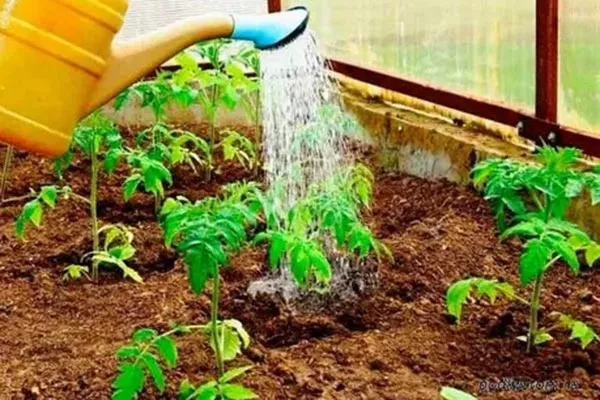
- Water with warm water to speed seedling development and prevent disease. Apply 2-3 applications of mineral fertilizer.
- When the seedlings develop two true leaves, transplant them. This stimulates root development and strengthens the plants.
- Before transplanting, gradually acclimate the seedlings to outdoor conditions. Take them outside daily, increasing the time spent outside by an hour. One to two days before planting, allow the seedlings to sit outside overnight.
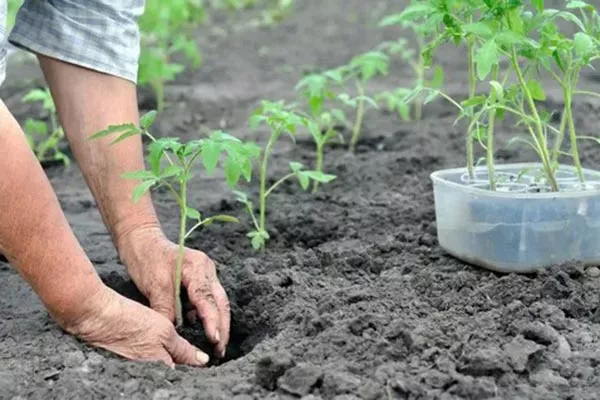
- Plant when the seedlings have 6-8 true leaves. Prepare the holes in advance by digging and fertilizing the soil. Space the plants 50-60 cm apart, as they are tall and vigorous. If the seedlings are stretched, plant them at an angle.
- Leave the seedlings alone for the first 1-2 weeks to give them time to adapt. Once the plants have established themselves and begin to form new leaves, begin regular watering and fertilizing.
Like other tall varieties, Babushkin requires regular and competent care. Follow these simple cultivation techniques:
- Watering. Keep the plants moist with warm water, especially during the fruiting period. Avoid overwatering to prevent cracking.
- Top dressing. The crop is demanding of the soil's nutritional composition. Fertilize the plants frequently, using both organic and mineral fertilizers. If the tomato "shoulders" begin to turn yellow, add potassium and magnesium to the soil to ensure uniform ripening.
- Loosening and mulching. Regularly loosen the soil, remove weeds, and hill up the bushes. Using mulch will help retain moisture and reduce the need for watering.
- Formation. Leave 2-3 stems, removing side shoots. This prevents excessive foliage growth and ensures the development of large fruits.
- Garter. The bushes are tall and require support. Use stakes, trellises, or other structures for tying. Massive clusters of large tomatoes can break branches, so it's advisable to additionally strengthen each bunch.
Resistance, treatment and prevention
The variety is highly resistant to fungal, bacterial, and viral diseases, making it an excellent choice for gardeners who prefer to minimize the use of chemical plant protection products.
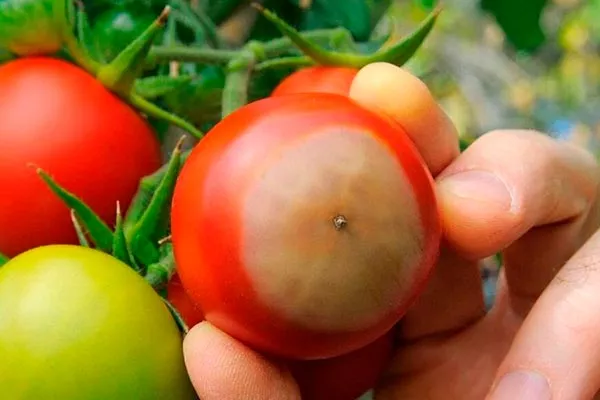
For prevention, follow these tips:
- Treat the bushes with fungicides during the flowering period.
- Remove weeds and loosen the soil regularly.
- Use mulch to protect against infections and pests.
- Be moderate in watering to avoid root rot.
These measures will help maintain plant health and increase yields.
Pros and cons
Before you begin growing seedlings and transplanting them into the ground, carefully study the characteristics, advantages, and disadvantages of the crop. Advantages of the Babushkin tomato variety:
Gardeners cite the following as disadvantages: the plant's demanding soil composition, the need for regular side-sonning, the mandatory tying of bushes, sensitivity to watering, dependence on fertilizers, a tendency to crack when over-watered, and difficulty in finding seeds or ready-made seedlings.
Reviews
Babushkin is a tomato variety grown in gardens and greenhouses for its high-quality fruit and excellent flavor. This hybrid is deservedly popular among gardeners and farmers, offering not only an attractive appearance but also good productivity. It's important to follow the care recommendations to ensure generous yields.