
Azhur tomatoes attract attention with their positive characteristics. This hybrid is ideal for a variety of climates, delivering a stable and high yield. These tomatoes have firm flesh, a vibrant flavor, and are tolerant of hot periods. They are resistant to most diseases, making them an excellent choice for beginners.
Description of the bush and fruits
The plant reaches 80 cm in height. It is compact and belongs to the determinate type, meaning its growth is limited.
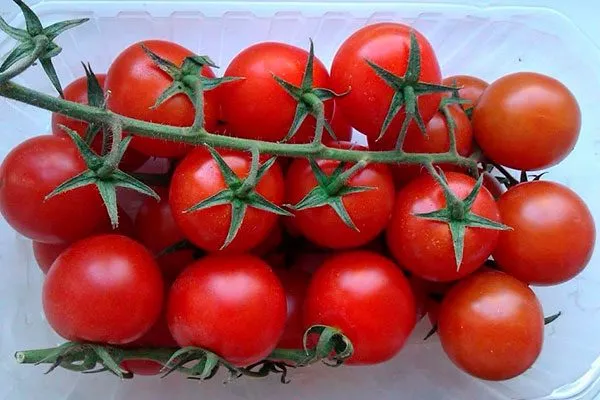
Distinctive features:
- The shoots are covered with large green leaves, divided into lobes with pronounced veins.
- The simple inflorescences are located on a thick, jointed stalk. Typically, up to five clusters form simultaneously, each containing four to six large fruits.
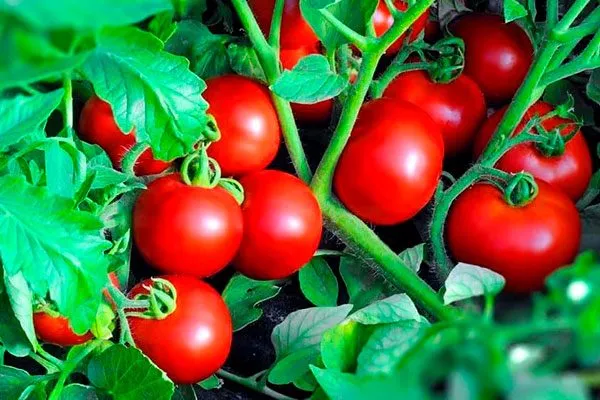
- The tomatoes have a flat-round shape and weigh between 240 and 400 g.
- At the stage of technical maturity, the fruits are light green, and when fully ripe they acquire a red-raspberry hue.
Beneath the thick, glossy skin lies a meaty, sweet pulp with a rich flavor. It contains a balanced combination of organic acids, vitamins, and glucose.
Main characteristics and history
The hybrid was developed by Russian breeders A. N. Lukyanenko, S. V. Dubinin, and I. A. Dubinina (Agrofirma SeDeK LLC) and was officially approved for cultivation in 2007. It is resistant to harsh climatic conditions, making it suitable for cultivation in any region of Russia.
Ripening and fruiting, productivity.
This is an early-ripening variety. Juicy tomatoes can be harvested from the vines in just 105-110 days after full germination.
Harvesting begins in July and continues until August. A single bush can yield 10-12 kg of tomatoes, confirming the variety's excellent productivity.
How to use and store?
These vegetables are versatile. Their dense flesh and balanced flavor make them ideal for:
- freshly consumed – in salads, sliced dishes and appetizers;
- canning – in the form of juice, paste, lecho and adjika;
- salting and pickling – medium-sized fruits retain their shape well;
- heat treatment – for baking, stewing and preparing sauces.
Store fresh tomatoes in a cool place at a temperature of 10 to 15°C. Under these conditions, they retain their appearance and flavor for 2-3 weeks, while canned tomatoes can be stored for 1-2 years. Speed up the ripening of green tomatoes by placing them in a single layer in a warm room (20°C).
Resistance to diseases and pests
Ajour is characterized by high resistance to most diseases common to tomatoes. The hybrid successfully resists:
- late blight;
- verticillium wilt;
- Cladosporiosis;
- cracking;
- blossom-end rot;
- fungal infections;
- tobacco mosaic virus (TMV).
Slugs and spider mites may appear on the leaves. To combat these pests, it is recommended to use specialized pest control products. It is undesirable to neglect preventative treatments to prevent the development of diseases.
Climate requirements and growing regions
The hybrid tolerates sudden temperature fluctuations, short-term droughts, and hot days. It was originally bred for cultivation in the central and southern regions, but thanks to selective breeding, it is now successfully grown throughout Russia.
The variety is suitable for planting in the following areas:
- Northern;
- Northwestern;
- Central;
- Volga-Vyatka;
- Central Black Earth;
- North Caucasian, etc.
The bushes successfully take root in the Middle Volga and Lower Volga regions.
Growing tomatoes
To maximize the harvest, it's important to consider certain characteristics of the variety. Before sowing seeds for seedlings, it's worth carefully studying all the nuances.
Seed treatment before planting
Since the Azhur tomato is a hybrid, you'll need to purchase seed each year. You won't be able to grow plants with the same characteristics from self-harvested seeds, as hybrids don't pass on their parental traits to the next generation.

The manufacturer typically pre-treats the seeds, as indicated on the packaging. However, if the planting material isn't coated or treated, disinfect it:
- Soak the seeds in a solution of hydrogen peroxide, fungicide or potassium permanganate to prevent the development of fungal infections.
- After disinfection, rinse with clean water, wrap in damp gauze or cloth and leave in a warm, shaded place for several days to germinate.
Swollen and sprouted seeds germinate faster and more uniformly. You can also treat them with biostimulants (Heteroauxin, Epin), which improve plant immunity and increase germination.
Sowing seeds
Start growing seedlings 55-60 days before planting them outdoors or in a greenhouse. The timing varies by region: in the southern regions, mid-February, and in the northern regions, towards the end of March.
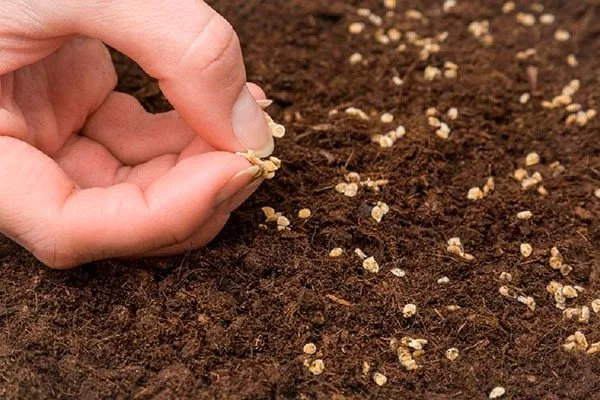
For sowing seeds, choose any convenient containers: plastic cups, containers, seedling boxes, peat pellets, cut bottles, etc. Use either ready-made store-bought soil or a homemade potting mix. Mix in a 1:1:1:1 ratio:
- peat;
- humus;
- sand;
- garden soil.
Step-by-step algorithm:
- Fill the planting containers with disinfected soil to about 2/3 of their capacity. Moisten the soil.
- Place 2 seeds in individual cups (to leave a stronger seedling later), and in a common container, place them at least 1 cm apart from each other.
- Sprinkle with a thin layer of soil (planting depth 1-1.5 cm).
- Cover the container with glass or film to create a greenhouse effect. The optimal temperature for germination is 23 to 25°C.
- After 3-4 days, when the first shoots appear, remove the cover and reduce the temperature to +18…+20°C so that the sprouts do not stretch out.
- ✓ Optimum soil temperature for seed germination: +23…+25°C.
- ✓ Required daylight hours for seedlings: at least 10-12 hours.
Picking and caring for seedlings
When the seedlings develop their first pair of full leaves, transplant them into individual containers or place them in a common planter, increasing the distance between plants. If desired, pinch the central root to encourage lateral root development.
Caring for seedlings includes several important activities:
- watering – moderate, as the top layer of soil dries out;
- top dressing – once every 10-14 days with complex substances for vegetables (Agricola, Fertika, Buyskie fertilizers, etc.);
- lighting – at least 10-12 hours a day.
Proper care helps seedlings get stronger before transplanting into open ground or a greenhouse.
Preparing for planting
Harden off the seedlings 10-14 days before transplanting them to the garden. This process involves gradually acclimating the plants to cooler temperatures. To do this, place the seedling containers on a balcony, terrace, loggia, or in the garden, starting with 10-15 minutes a day.
Gradually increase the time spent outdoors, up to several hours. Seedlings grown in a greenhouse or hotbed do not require hardening off.
Plant transplantation
To plant seedlings in the garden, wait until the weather warms steadily and the threat of recurring frosts has subsided. In the south, planting is possible in late March, in temperate latitudes – closer to the May holidays, and in the north – not until early June. In greenhouses, planting can be done 2-3 weeks earlier.
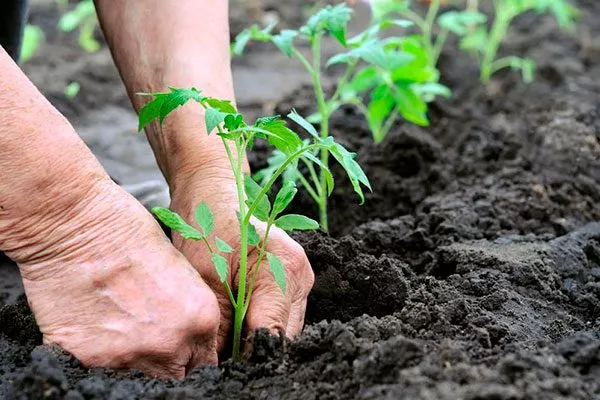
Follow these recommendations:
- Before planting, dig the soil to a depth of 20-25 cm and remove weed roots. Fertilize the soil as needed: 5-6 kg of humus, 15-20 g of potassium salt, 30-35 g of urea, and 25-30 g of superphosphate per square meter.
- Azhur does not form large bushes, so leave 40-45 cm between them, and 50-60 cm between rows. Place no more than 4 plants per 1 square meter.
- Plant the seedlings in holes with 20-30 g of wood ash at the bottom. After planting, water them thoroughly, using at least 1 liter of water per seedling.
- Mulch the beds with peat, grass clippings or compost.
In hot weather, shade newly planted tomatoes by covering them with thin agricultural fabric.
Watering and fertilizing
This hybrid is highly resistant to heat and drought. Outdoors, it receives sufficient natural rainfall, so additional watering is only required during particularly dry periods. In greenhouses, water the plants regularly but moderately—once every 3-4 days, depending on weather conditions.
Feed tomatoes at least 3-4 times per season:
- at the initial stage of vegetation apply nitrogen-containing fertilizers - mullein or ammonium nitrate;
- after flowering begins Spray the plants with preparations that stimulate the formation of ovaries (Ovary, Bud, etc.).
During the second half of the growing season, use complex fertilizers for nightshade crops. The following mixtures are considered effective: Ideal, Agricola, Kemira, etc.
Pinching and shaping
The bushes are compact and not too spreading, so they don't require staking. However, it is recommended to secure the stem to a support, as the weight of the vegetables can cause the plant to bend toward the ground or even break.
To increase yield, properly structure the crown by removing excess side shoots. Leave one central stem and the first side shoot. As the tomatoes begin to ripen, gradually trim the lower leaves to prevent fungal diseases.
Pest and disease control
The Azhur hybrid successfully avoids late blight thanks to its early and abundant fruiting. For prevention, treat the bushes with Bordeaux mixture (2%) or use antifungal agents such as Topaz, Fitosporin, or Skor.
Tomatoes are rarely attacked by insects, but they sometimes suffer from slugs and spider mites. Insectoacaricidal pesticides are effective against these pests:
- Akarin;
- Inta-Vir;
- Tickschevit.
Follow proper agricultural practices to prevent the appearance of parasites.
Pros and cons
This crop possesses a number of characteristics that distinguish it from other varieties. Key advantages include:
Among the disadvantages, gardeners note the need for abundant and regular watering, the need for frequent application of mineral and complex fertilizers.
Reviews
Azhur is a popular hybrid tomato variety with juicy, meaty flesh and a sweet flavor. It's an excellent choice for both beginner and experienced gardeners due to its high productivity and minimal maintenance requirements. This variety will reward you with a reliable harvest of versatile vegetables.