
Arctic Rose is an early-ripening tomato ideal for colder climates. It is characterized by compact growth, disease resistance, and excellent flavor. Pink tomatoes are juicy, plump, and delicious. They travel well and make a wonderful addition to fresh salads.
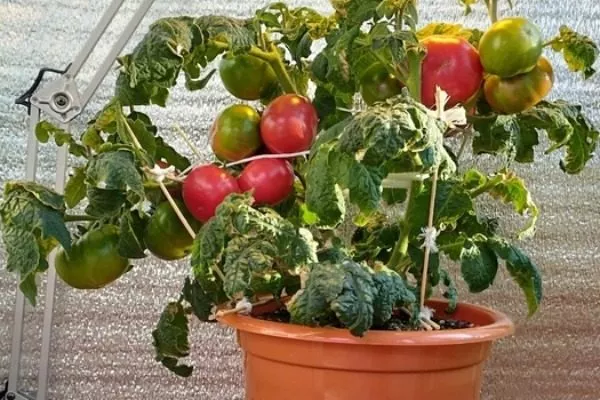
Description of the bush and fruits
The plant is compact, reaching a height of 60 cm. Distinctive characteristics and features of the variety:
- leaves - They resemble potatoes and have a wrinkled structure, which gives the crop a unique and special appeal;
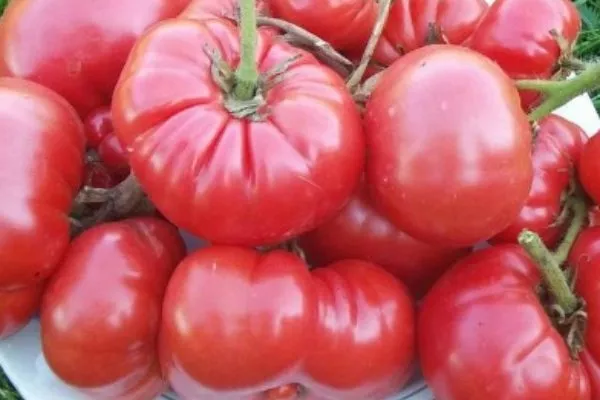
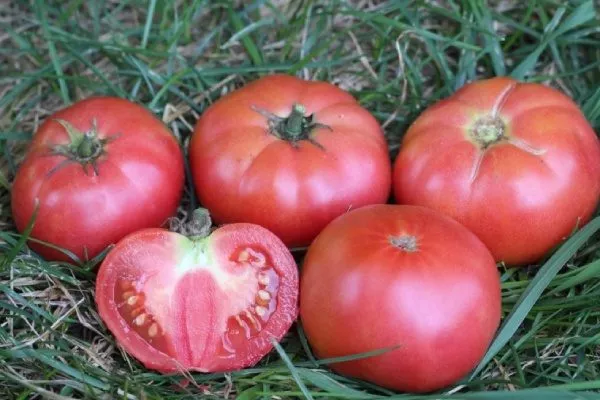
- tomatoes – colored bright pink when ripe;
- weight - varies from 180 to 200 g;
- form - flat-round, with dense walls.
Main characteristics
The Arctic Rose is one of the "Gnome" series of cultivars developed by breeders in the United States and Canada. It is a determinate variety, making it compact and easy to grow even in small spaces.
The crop is early maturing—from germination to full ripening, the fruit takes only 90-100 days. This allows for a quick first harvest. The cultivars note high productivity—up to 4-5 kg per bush.
The main advantage of these vegetables is their taste. They have a harmonious sweetness and a subtle tartness, giving them a special appeal. The fruits are ideal for eating fresh; they are not suitable for canning.
Planting and growing Arctic Rose tomatoes
Growing tomatoes doesn't require any special skills or knowledge, so even novice gardeners can easily handle the task. However, it's important to adhere to certain requirements.
- ✓ The optimal soil temperature for planting should be at least 15°C to avoid stress on plants.
- ✓ To prevent diseases, it is recommended to use biological products based on Bacillus subtilis, especially in conditions of high humidity.
Selecting a location and preparing the soil for planting
Plant the bushes in sunny areas. Plants should be protected from drafts and cold winds. A bed on the south or southwest side of the house or garden is ideal.
Follow these recommendations:
- Tomatoes love good light, so try to provide them with enough sunlight throughout the day.
- The soil must be fertile, loose and drained so that the root system can develop normally and the soil moisture is maintained at an optimal level.
- To improve soil quality, analyze its composition and acidity. If necessary, add humus, compost, chicken manure, or shredded tree bark.
- Before planting, treat the beds to kill weeds and pathogens. Use both organic and chemical products.
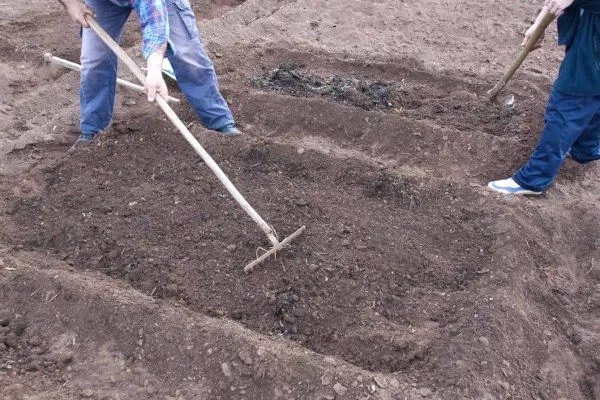
Till the soil deeply and apply fertilizer according to the package directions. Then, spread the fertilizer evenly over the surface and mix it in gently with a rake or cultivator.
Planting and caring for Arctic Rose tomato seedlings
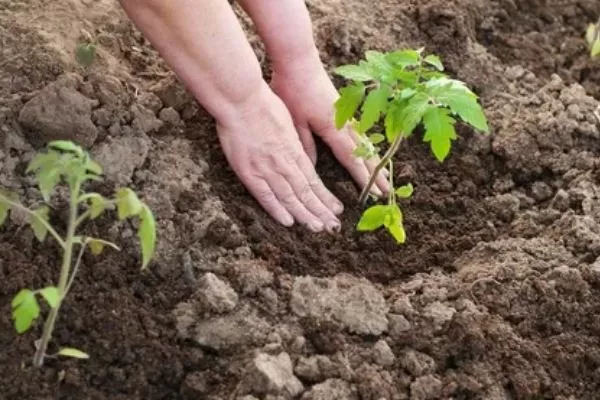
Dig holes for the seedlings, spacing them about 30-40 cm apart. The plants should be planted deep enough to reach the first true leaves. This will ensure good root development and strong stems.
Follow these steps:
- Water the seedlings 2-3 hours before transplanting to make it easier to remove them from the containers.
- Carefully remove the plants, being careful not to damage the roots.
- Place the seedlings in the hole vertically or at an angle if they are stretched out.
- Cover the roots with soil, lightly compact the soil around the stem.
- Water each plant with 1-2 liters of water.
- Mulch the soil with peat, humus or dry grass.
Features of watering and fertilizing when growing the Gnome variety
The crop requires comprehensive care to strengthen plant immunity and improve productivity. Follow standard agricultural practices and recommendations:
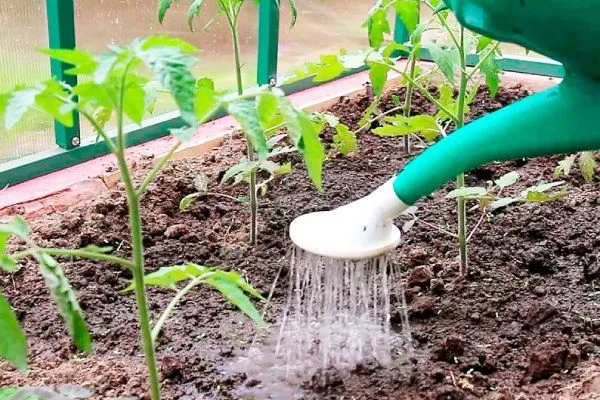
- Arctic Rose tomatoes require a lot of moisture, so watering should be regular, starting from planting. Maintain optimal soil moisture to ensure the plants thrive and thrive.
- Water the seedlings in the morning or evening to prevent sunburn. Water should penetrate deep into the soil, reaching the roots. During fruiting, increase the volume and frequency, as the plants expend more water on fruit formation. In hot weather, water the plants twice a day.
- To ensure your plants receive all the necessary nutrients, apply fertilizer regularly. This promotes improved growth and the production of high-quality tomatoes.
- Apply organic or complex mineral fertilizers 12-14 days after planting the seedlings in the ground. Apply foliar feeding by dissolving the fertilizer in water and spraying it on the leaves.
- Two weeks after planting, apply a complex mineral fertilizer with a high nitrogen content to stimulate growth.
- During the flowering period, use fertilizers with a high content of phosphorus and potassium to improve fruit set.
- During fruiting, use potassium fertilizers to improve the taste of tomatoes.
Pros and cons
Before growing Arctic Rose tomatoes, it is necessary to carefully study their characteristics, including their disadvantages.
The following advantages are noted for this variety:
Reviews
The Arctic Rose tomato has gained popularity due to its low maintenance, strong immunity, and high-quality fruit. It thrives in cold regions, and its good yield and flavor make it an excellent choice for outdoor gardening. Regular and timely cultivation is key.