
The Watermelon tomato attracts gardeners with its unusual appearance. This mid-early variety is characterized by good productivity and is resistant to various weather conditions. The tomatoes have juicy, fleshy flesh, making them ideal for fresh salads, but are not suitable for canning.
Description of the bush and fruits
Vigorous indeterminate plants reach up to 2 m in height. Key qualities:
- leaves - medium size, dark green in color, lacy in shape, reminiscent of a watermelon;
- inflorescences – simple: the first one appears above the 8-9th leaf, and the subsequent ones are formed every 3 leaves;
- peduncles – have joints;
- tomatoes - large, their weight varies from 130 to 150 g;
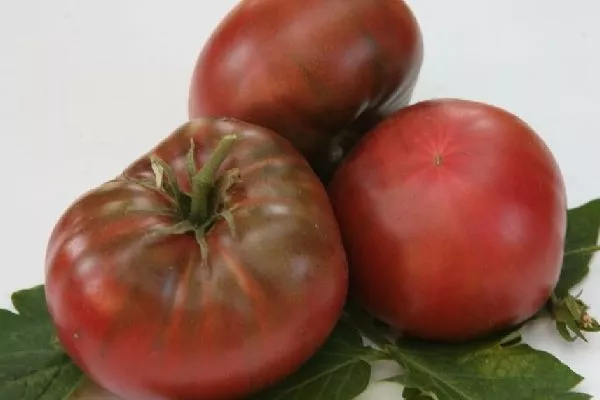
- form - flat-round, with noticeable ribbing.
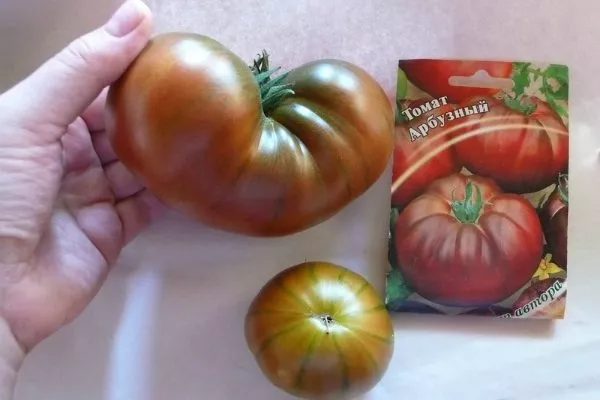
During ripening, tomatoes initially remain green with dark spots and faint stripes. They then turn a rich, dark red, sometimes with a burgundy-brown tint, while retaining the green features, enhancing the resemblance to watermelons. The flesh and skin are the same color.
Main characteristics
The Watermelon tomato is a popular variety, beloved by both novice and experienced gardeners. It produces consistent results, maximum yields, and uniquely shaped vegetables with excellent flavor.
Distinguishing features:
- Origin and growing regions. The crop was developed by breeders V. V. Morev, E. V. Amcheslavskaya, O. A. Volok, and V. F. Gavrish and approved for use in 2004. Despite the emergence of many new varieties, Arbuzny remains in demand due to its unique characteristics.
In central Russia, tomatoes are grown in plastic shelters. Growing in open beds is possible only in the southernmost regions. - Ripening and fruiting, productivity. This is a mid-early variety: about 110 days pass from sowing the seeds to the completion of tomato formation. This determinate variety is therefore highly productive – agronomists harvest up to 3 kg of tomatoes per square meter, and about 6 kg per square meter.
- Scope of application. These tomatoes have a truly exotic flavor—sweet, vibrant, and yet delicate. This is what gave the variety its unusual name. The juicy, meaty flesh makes them ideal for vegetable salads and slicing.
Many prefer to eat them immediately after pickling, without adding any other ingredients. However, the fruits are not suitable for pickling—after pickling, they lose their piquancy, becoming bland and dull.
- ✓ Preservation of green features on fruits even when fully ripe.
- ✓ Unsuitable for canning due to loss of taste.
Planting Watermelon tomatoes
The crop is grown using seedlings. Seeds are sown indoors in early spring, and after the seedlings have established themselves, they are transplanted to a permanent location. During the growing season, the plants require important agricultural practices.
Preparing soil, containers and seeds
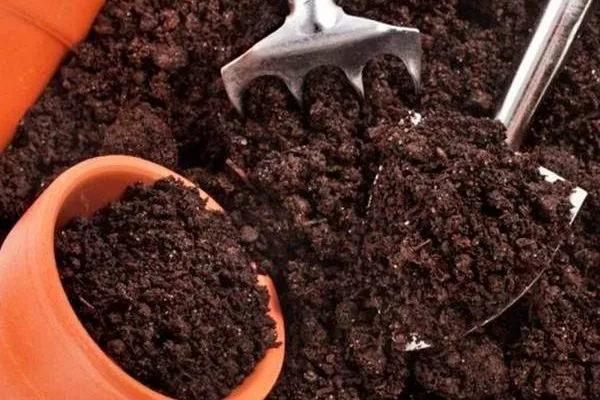
Many vegetable growers prefer to buy nutrient substrate in specialized stores, but you can prepare the soil for planting yourself.
Helpful tips:
- Start preparing the ingredients in the fall. To do this, mix equal parts garden soil, peat, river sand, and humus.
- Purchased planting material does not require pre-sowing preparation - just wrap the seeds in damp gauze for germination.
- ✓ Optimum temperature for seed germination: +23-25°C.
- ✓ Required seeding depth: 1-1.5 cm, no more.
Pre-disinfect seeds collected from your own harvest in a weak solution of potassium permanganate, then germinate them in a moistened cloth.
Planting seeds and further care of seedlings
Sow seeds in March-April in boxes or cups filled with potting soil. Plant them 3-4 mm deep, cover with soil, and cover with plastic wrap. Store the containers in a warm, dark place with a temperature above 20°C. Periodically lift the cover to remove condensation and ensure ventilation.
Once the seedlings emerge, move them to a bright location. If the plants are on a windowsill, place some foam under the container to protect them from the cold.
Take care of the seedlings and create suitable conditions:
- maintain the temperature at +20-25°C during the day and +15-17°C at night;
- ventilate the room regularly;
- turn on the backlight for illumination 10-12 hours a day;
- Moisten the soil with a spray bottle once a week.
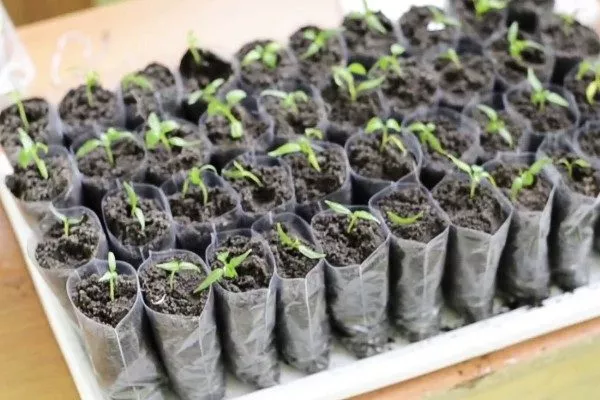
When the seedlings have developed several true leaves, transplant them. First, moisten the soil, then carefully separate the seedlings and transfer them to separate containers using the same growing medium.
Transfer
Plant Watermelon tomato seedlings at 30-45 days old, when they reach 30 cm in height and have 7-8 leaves. Harden them off 2-3 weeks before planting: regularly ventilate the room or place them on a glassed-in balcony during the day. This will help them adapt more easily after planting.
Prepare the beds in the fall:
- The best predecessors for tomatoes are: cabbage, legumes, root vegetables (except potatoes);
- do not plant tomatoes in an area where peppers and eggplants were previously grown;
- in the fall, add rotted manure; in the spring, add mineral fertilizers;
- Choose a bright place without drafts.
Plant the seedlings in a greenhouse or garden beds in May. Space them 40 cm apart, and 60 cm apart between rows. Carefully remove the seedlings from their containers, along with the root ball, place them in the hole, fill with soil, and moisten.

Caring for Watermelon Tomatoes
Caring for the crop involves standard agricultural practices. These practices will not only strengthen the plant's immunity but also significantly improve productivity.
Watering and fertilizing
Regular fertilization promotes vigorous growth and high yields. For the Watermelon variety, use both organic and mineral fertilizers, alternating them for best results.
Feeding schedule for 10 liters of water:
- through 20 days after landing – 20 g nitrophoska and 500 ml mullein;
- during flowering – 30 g Superphosphate and potassium sulfate;
- at fruiting – 40 g Superphosphate and 5 g sodium humate.
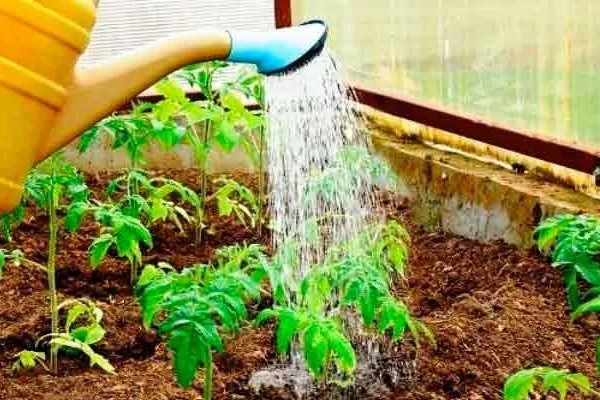
Water the bushes as the top layer of soil dries out. Watering should saturate the soil to a depth of 40-50 cm. Repeat this procedure every 5-7 days. Increase the frequency in hot weather and reduce it in rainy weather.
For watering, use warm filtered water and apply it strictly under the roots, avoiding drips on the leaves and stems to prevent burns.
Soil care, pinching out side shoots and garter
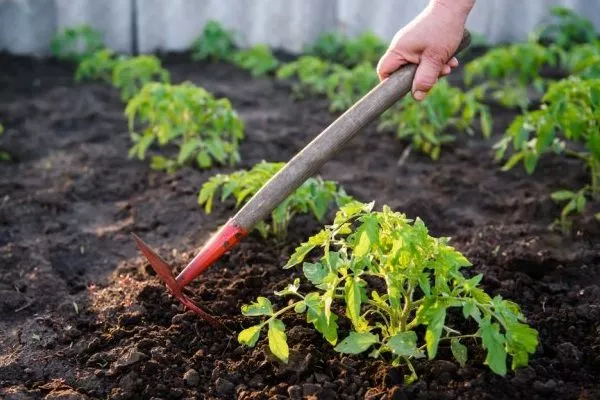
After watering or rain, loosen the root zone to break up the crust and remove weeds. To retain soil moisture and prevent weed growth, cover the beds with a layer of mulch. Use straw, sawdust, or chopped grass for this.
Train the bushes into 2-3 stems, regularly removing side shoots (side shoots). As they grow, tie the trunks and branches to supports for support. Remove side shoots weekly, manually removing any unwanted shoots.
At the end of the growing season, pinch out the growing tip. The Watermelon variety can reach 2 m in height, so secure it to metal or wooden supports. In greenhouses, trellises are convenient for supporting plants.
Possible problems
The Watermelon variety has several distinctive appearance characteristics. These can vary depending on growing conditions:
- in hot weather (+35°C and above) and in insufficient lighting, the stripes on the fruit become almost invisible, but this does not affect the marketable appearance;
- If cultivated incorrectly, deep longitudinal cracks may appear, which reduces the quality of tomatoes.
Reasons for the occurrence of ruptures:
- violation of the irrigation regime;
- excessive nitrogen fertilization during the generative stage of development;
- outgrowing of stepchildren (more than 5 cm);
- removing 4 or more older leaves per week under ripening vegetables;
The variety is susceptible to the following diseases and defects:
- blossom-end rot;
- fasciation (formation of malformed or deformed tomatoes from double flowers).
Adherence to agricultural practices and crop rotation will not always be sufficient to prevent all problems.
Diseases and pests
The crop is highly resistant to tobacco mosaic virus, leaf spot, and leaf curl. However, it is susceptible to late blight. To protect against fungal diseases, follow these guidelines:
- ventilate the greenhouse regularly;
- thin out the foliage in a timely manner to avoid creating a dense growth pattern;
- Spray plants with copper oxychloride or whey solution twice a month.
If brown or russet spots appear on leaves and fruit, treat the bushes with Bordeaux mixture or Oxychom before flowering. Afterward, use a pink potassium permanganate mixture or garlic infusion. Remove and destroy the affected parts of the tomato plants.
Bushes can be attacked by pests such as aphids, cutworms, spider mites, and whiteflies. To combat them, use a strong-smelling decoction. Garlic, onion peel, tobacco, and wormwood will help repel insects.
Pros and cons
Reviews
The Watermelon tomato is the perfect choice for both beginner and experienced gardeners. It will appeal to lovers of delicious and juicy tomatoes. This easy-to-care-for tomato produces generous harvests and has a strong immune system. The plants tolerate temperature fluctuations, short-term drought, and short periods without fertilizing.