
The Watermelon tomato is an interesting and unusual variety that attracts gardeners with its rich color and sweet, pleasant flavor. It quickly gained popularity due to its high productivity and strong immunity. To ensure a bountiful harvest, it's important to provide the plants with proper and regular care.
Key qualities and appearance
This variety was developed by American breeders, who achieved excellent characteristics for this plant. Thanks to its unusual name and excellent taste, the Watermelon tomato has become a popular choice for growing in gardens.
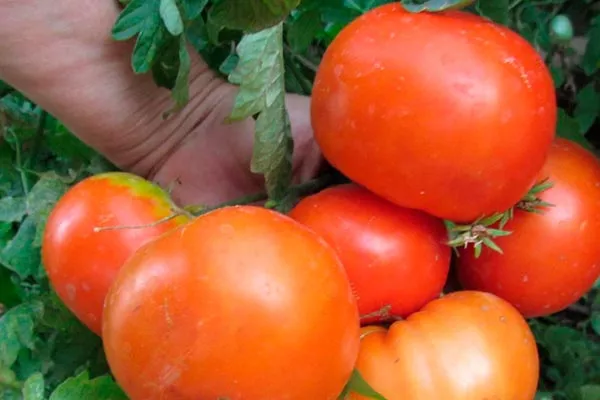
The bushes are tall, reaching up to 180 cm in height, and their leaves resemble potato leaves. When trained, they can have up to four stems, which distinguishes them from other varieties.
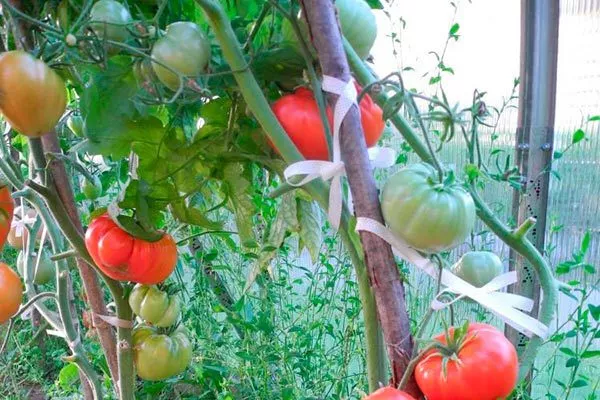
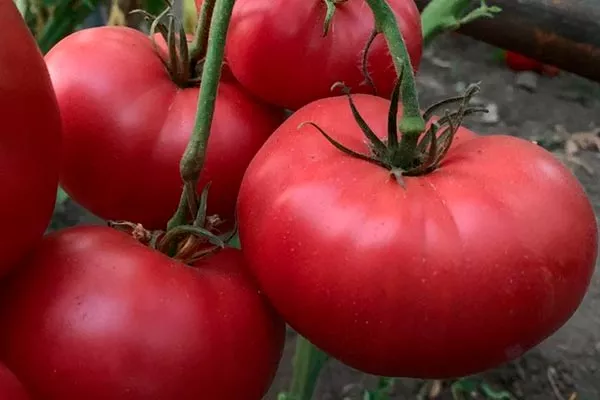
Ripe vegetables are crimson in color and are large in size—weight ranges from 300 to 400 g. They have a flat, round, even shape.
Taste and purpose
Watermelon tomatoes are characterized by a sweet flavor and a meaty, highly aromatic flesh. Another advantage of these fruits is their smooth skin.
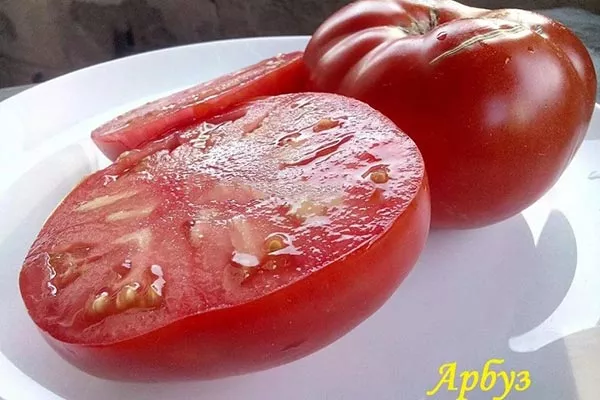
Tomatoes are suitable for both fresh consumption and canning. They make delicious juice, ketchup, and paste.
Productivity
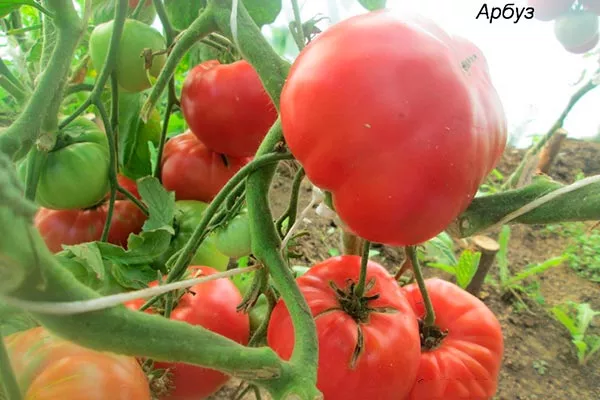
Watermelon is officially registered as a greenhouse variety, allowing it to be grown in any region. In southern regions, they are planted in open ground, provided they are supported securely.
Ripening time
This variety is considered mid-early in terms of ripening time. The period from sowing to harvest averages 110 to 115 days.
Growing
The Watermelon tomato will reward you with a bountiful harvest, but to achieve this, it's important to adhere to a number of growing conditions. The key is following simple rules and standard agricultural practices.
- ✓ Optimum soil temperature for planting seedlings: not less than +15°C at a depth of 10 cm.
- ✓ Recommended air humidity in the greenhouse: 60-70% to prevent the development of fungal diseases.
Lighting
Bushes love light and warmth. To produce strong seedlings, the light should be bright and long-lasting, at least 12-14 hours a day. If natural light is insufficient, use phytolamps to ensure uniform growth and prevent the stems from stretching.
Timing of planting seedlings and transplanting into the ground
For an early harvest, sow tomato seeds in mid-February. If you plan to harvest a mid-season crop, postpone sowing until March. Plant the seedlings outdoors in late May or early June, once the danger of frost has passed and the soil has warmed up well.
Sowing seeds
Before sowing, disinfect the seeds with a weak solution of potassium permanganate, then rinse and dry. Place the seeds in containers with fertile soil, burying them to a depth of about 1 cm.

Moisten the top of the soil and cover with plastic film to create a greenhouse effect. Move the containers to a warm location (temperature around 25°C) until the first shoots appear, then remove the film.
Transplanting seedlings: features
Transplant the seedlings into the ground or a greenhouse when they have 5-7 true leaves. Move the plants along with the root ball to avoid damaging the roots. Maintain a minimum distance of 50 cm between plants to ensure proper growth and air circulation.

Predecessors in the garden bed
The best companion plants for Watermelon tomatoes are legumes, cabbage, onions, and carrots. Avoid planting seedlings after other nightshades, such as potatoes or peppers, to avoid the risk of disease.
Plant care and formation
Basic care for the plant includes regular watering with warm water, especially during flowering and fruiting, fertilizing with complex fertilizers, and weeding. Regularly pinch and shape the side shoots to maintain up to four stems, which ensures abundant fruiting.
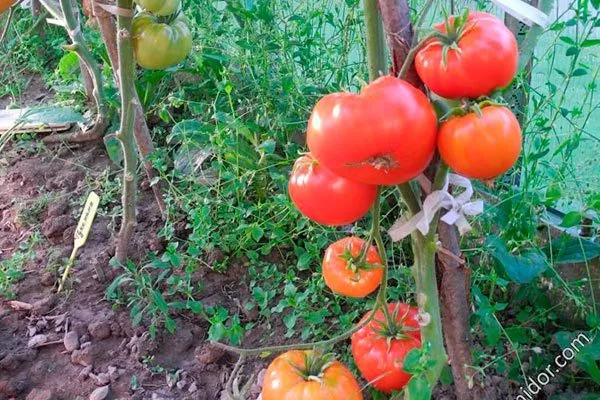
This variety is characterized by strong immunity, but if improperly cared for, the bushes can be susceptible to diseases and insect attacks. It's important to begin combating them promptly:
| Disease/Pest | Signs | Treatment |
| Late blight | The appearance of dark spots on leaves and fruits, which gradually become watery and soften. | Removing affected parts, treating with fungicides (Topaz, Fitosporin), improving ventilation. |
| Powdery mildew | A white powdery coating on the leaves that gradually turns into brown spots. | Use of fungicides (Topsin, Skor), removal of infected areas, improvement of ventilation. |
| White rot | Wet spots with a white coating, especially at the base of the stems. | Treatment with copper-containing preparations (Hom, Oxyhom), maintaining watering and humidity regime. |
| Mosaic virus | Leaves become covered with yellow or light spots, become deformed, and plants slow down their growth. | Destruction of infected specimens, disinfection of instruments. |
| Spider mite | The appearance of light spots on the leaves, cobwebs, the leaves begin to dry out. | Treatment with acaricides (Akarin, Neoron), increasing humidity, regular inspection of seedlings. |
| Colorado beetle | Damaged leaves with characteristic holes, beetles and larvae on plants. | Manual collection of beetles, treatment with insecticides (Aktara, Confidor), use of trapping belts. |
| Aphid | The leaves curl and become sticky due to insect secretions. | Spraying with insecticides (Fitoverm, Iskra), using folk remedies (soap, garlic). |
| Method | Efficiency | Period of validity |
|---|---|---|
| Biopreparations | 70-80% | 7-10 days |
| Chemical insecticides | 90-95% | 14-21 days |
| Folk remedies | 50-60% | 3-5 days |
Reviews
The Watermelon tomato is a good choice for those looking to harvest a high-quality crop for fresh consumption and canning. This variety attracts both novice and experienced gardeners due to its numerous varietal characteristics. Following simple growing guidelines will reward you with a bountiful harvest.