
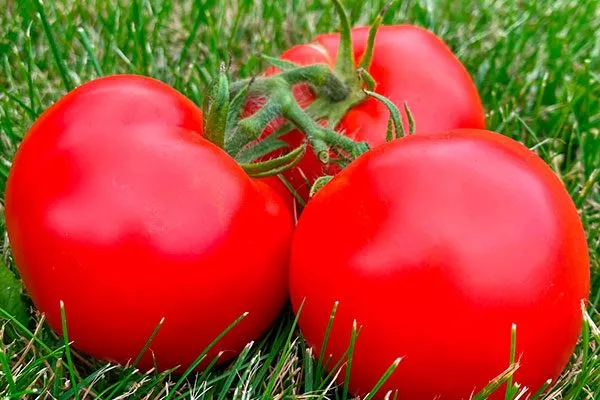
The Anyuta tomato is an early-ripening hybrid with excellent flavor and numerous advantages. Its thick skin allows for long shelf life and withstands transportation well. Its small size makes it ideal for both canning and fresh consumption. This variety boasts a strong immune system, minimizing the need for frequent treatments.
Origin and growing regions
The crop was registered in the State Register in 2005. In its development, breeders exploited heterosis—a phenomenon in which the first generation of hybrids exhibits increased productivity. The yield of these plants exceeds that of their parent varieties by 20-30%.
Anyuta is designed for cultivation in:
- Krasnodar and Stavropol territories;
- Ingushetia;
- Rostov region
The variety performs well in the Moscow region and is popular in Belarus. In southern Russia, it is recommended for outdoor planting.
Description of the Anyuta bush
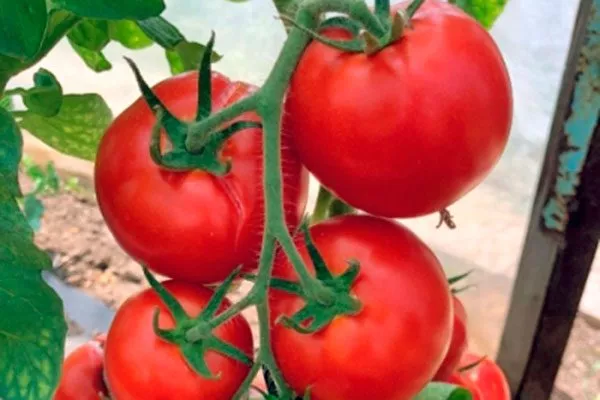
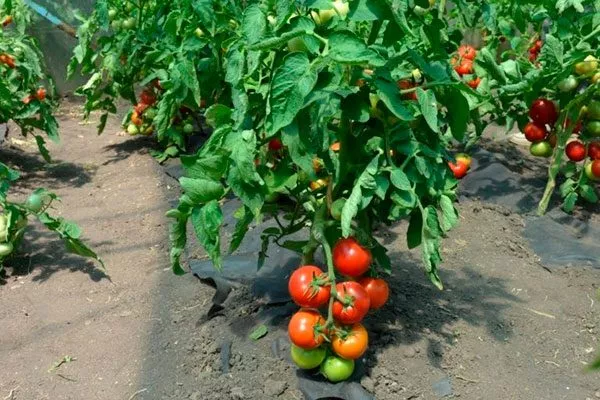
It belongs to the determinate, low-growing varieties, reaching a height of 60-70 cm. The plant is not standard, with shoots of medium thickness, so it requires staking, otherwise it may bend to the ground under the weight of the fruit.
Key Features:
- inflorescence – the first one is laid above the 5-6th leaf, the next ones – after 1-2 internodes;
- brushes – simple, each containing 5-7 ovaries;
- peduncles – articulated.
The bushes produce a moderate number of leaves. They are medium-sized, with wide, sparse lobes. This trait helps protect the tomatoes from overheating in the intense southern sun.
Features of the fruit variety
Anyuta is a salad variety, but thanks to its dense flesh and convenient size, the vegetables are used for pickling whole and processing into juice.
Distinctive characteristics of tomatoes:
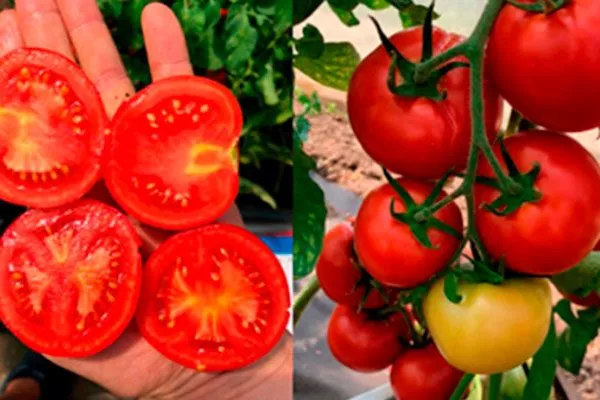
- form - flat-round, without strong flattening;
- weight - on average it is 110-120 g, but under unfavorable conditions it can decrease to 85-100 g;
- shade – when unripe they are light green, but when fully ripe they become bright red;
- skin – strong, the surface of the fruit is smooth;
- pulp – elastic, with 4 or more seed nests;
- cameras – voluminous;
- taste - good, with a harmonious combination of acidity and sweetness.
The stalk lacks a contrasting spot.
Main characteristics
The Anyuta tomato ripens well both in a greenhouse and in full sun. It's easy to grow if you follow standard farming practices. This hybrid will delight you not only with its excellent taste but also with its low maintenance requirements.
It has the following positive qualities:
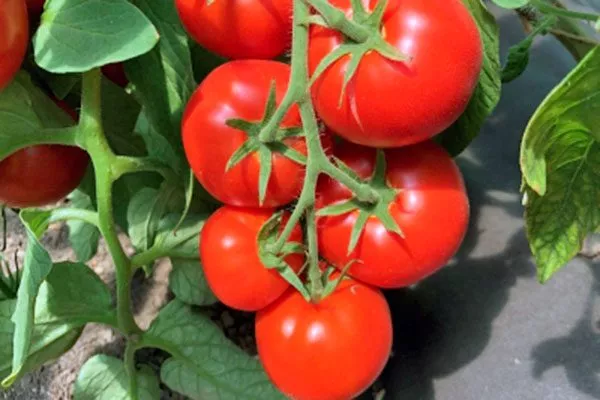
- Ripening and fruiting, productivity. This is an ultra-early variety. It takes no more than 2.5 months from seed germination to harvesting ripe fruits. This allows for 3-4 harvests per summer season. Each strong bush yields up to 3 kg of high-quality tomatoes.
- Scope of application. Tomatoes have a sweet taste, although some growers note a distinct tartness. They are versatile: they are eaten fresh and used for processing.
The crop tolerates long-distance transportation well and does not spoil for up to 30 days under suitable storage conditions.
Agricultural technology
Some gardeners avoid growing seedlings, considering the process too complicated and expensive. However, by following basic care techniques, you can easily grow strong and healthy seedlings.
Sowing seeds and growing seedlings
Since the hybrid is early maturing, plant the seedlings outdoors at 40 days old. Begin this process from the last week of February until the end of March. Sow the seeds to a depth of 1 cm. Greenhouses are used on farms, and indoors, cover the containers with glass or film. The optimal temperature is 23-25°C.
After seedlings emerge, harden off the plants for 5-7 days with 24-hour light and reduced temperatures. This strengthens the seedlings, reduces the risk of disease, and promotes root development.
Further care of seedlings:
- A week after hardening, increase the temperature to at least +18°C, and reduce lighting to 12-14 hours a day.
- Provide moderate watering—the soil should remain slightly moist. Then, loosen the soil.
- In the phase of 1-2 true leaves, pick out the seedlings (you can do this when the cotyledons open).
- 10-14 days after transplanting, when a new leaf appears, apply the first complex fertilizer.
- Conduct disease prevention.
10-14 days before moving into the ground, begin hardening off the plants.
Landing at a permanent location
If nighttime temperatures don't drop below 13 to 15°C, Anyuta seedlings can be transplanted outdoors. By this time, the plants will have strong stems 25-30 cm tall.
Since this hybrid belongs to the medium-sized tomatoes, place the holes in a checkerboard pattern, observing the intervals:
- between bushes in a row – 30-45 cm;
- row spacing – 60-70 cm.
Prepare the area for the bushes in advance: in the fall, dig the soil and apply fertilizer. In the spring, before planting, loosen the soil and remove weeds. The Anyuta hybrid doesn't have any special soil requirements, but for a good harvest, it's important to feed the plants promptly.
Plant tomato seedlings on a cloudy day or in the evening to minimize stress. A few days before planting, apply nitrogen fertilizer (20-33 g per square meter). Moisten the seedlings to ensure easy removal from their containers. Carefully remove the seedlings and plant them immediately in the prepared holes.
Care
Caring for tomato plants directly impacts their health and yield. Regularly following these cultivation techniques ensures the plants receive all the necessary nutrients.
Watering rules
After planting the seedlings, water for the first time 2-3 days later, directing the water directly at the roots and avoiding contact with the leaves. Sprinkler irrigation is contraindicated for this hybrid, as it lowers the air and soil temperature, which can lead to flower drop and the development of fungal diseases.
Follow the rules:
- on hot and dry days – water in the evening so that the moisture does not evaporate too quickly and soaks the soil deeper;
- before the ovaries appear – Maintain stable soil moisture, avoiding excessive moisture;
- during the period of fruit enlargement – Increase the amount of water to prevent tomato cracking and stunted fruit growth.
After watering, loosen the soil and remove weeds. If you find exposed adventitious roots, hill up the bushes.
Fertilization
Three weeks after planting the seedlings in the beds, fertilize them. Ideal liquid fertilizer and nitrophoska (20 g of each dissolved in 10 liters of water) are ideal. Pour 500 ml of the nutrient mixture under each bush.
General recommendations:
- During the blooming period, use the following solution: dilute 20 g of Senor Tomato fertilizer in 10 liters of water, using 1 liter of solution per plant. After 2-3 weeks, apply superphosphate (20 g per 10 liters of water).
- Bird droppings are equally effective. To prepare the mixture, combine equal parts of it with water and let it sit for 3-4 days. Before applying, dilute the concentrate with liquid at a ratio of 1:15. Pour 2-2.5 liters per bush.
- Support weakened plants with foliar feeding, spraying them with a urea solution (20 g per 5 l of water).
Anyuta tomatoes are valued for their ultra-early ripening and disease resistance, making them popular among farmers.
Other events
Soil care when planting a hybrid involves several important steps. Follow these recommendations:
- After planting the seedlings, loosen the soil regularly to allow air to reach the roots and prevent crusting on the surface. This helps maintain optimal soil moisture levels and promotes better root development.
- Weeding is equally important – it reduces the risk of pests and diseases. Remove weeds that may compete with tomatoes for nutrients and moisture.
- Mulching helps regulate soil temperature and prevent weed growth, improving structure and increasing fertility.
Anyuta doesn't require any complicated shaping. Remove side shoots up to the first cluster. When the vegetables begin to fill out, trim the leaves to the same height.
Diseases and pests
The hybrid is characterized by strong immunity – it demonstrates high resistance to diseases that often affect other varieties. However, the crop can be attacked by pests:
- nematodes;
- whiteflies;
- spider mite;
- Colorado beetle.
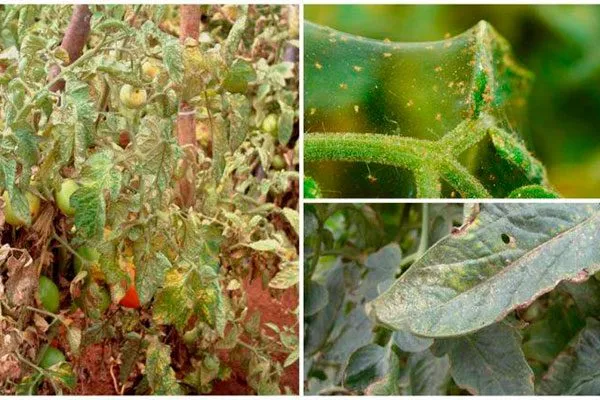
To control whiteflies, use insecticides such as Fosbecid, Fufanon, Confidor, and Actellic. To get rid of Colorado potato beetle larvae, use sifted ash, cornmeal, sawdust, and various herbal infusions and decoctions.
Nematode control products include Nematorin and Dachnik, while whitefly can be controlled with Confidor, Actellic, and Fufanon insecticides.
Pros and cons
Anyuta is an early-ripening hybrid with undemanding soil conditions. Its fruits have a thick skin, which protects them from damage during transportation. One of the variety's key advantages is its short ripening period, allowing for two harvests per season.
The crop is successfully grown in greenhouses and open beds without the need for additional cover.
Similar varieties
Breeders are constantly developing various hybrids and varieties of tomatoes. Anyuta has similar varieties with identical external characteristics:
| Name | Description and Features |
| Betalux | A determinate variety, reaching a height of 40-50 cm. Its strong, stable stem can withstand external influences.
The fruits weigh between 80 and 120 grams, have a round, slightly flattened shape, and excellent flavor. They are versatile: they are eaten fresh, used to make juice, ketchup, and paste. This is an ultra-early variety—the harvest ripens in 95 days, allowing for harvesting as early as the first half of summer. It transports well and has a long shelf life after harvest. |
| Seedless | A standard plant with a moderate number of medium-sized, dark green leaves. Young berries are green, but as they mature, they acquire a rich red hue. Weight ranges from 50 to 80 g.
An early-ripening variety, ripening on average in 78 days after germination. The first tomatoes are harvested as early as mid-June. Productivity reaches 8 kg per square meter. |
| Labrador | A standard determinate variety with compact bushes 50-70 cm tall. The plant is spreading, with a strong stem and a moderate amount of dark green foliage.
The medium-sized fruits, weighing 80-150 g, have a smooth, apple-shaped form without ribbing. When ripe, they are a rich red color; when unripe, they are light green. The skin is thin and shiny. They are notoriously difficult to transport and have a short shelf life. This is an ultra-early variety—the vegetables ripen 98-105 days after germination. With proper care, a single bush can yield up to 2.5 kg per season. |
| Sanka | A low-growing variety, reaching 40-60 cm in open ground and up to 100 cm in greenhouses. The stem is brittle and pliable. The tomatoes are round, with slight ribbing near the stem. Average weight is 71-90 g, but with good care can reach 100-110 g.
This is an ultra-early variety, with 79-85 days from germination to harvest. Fruiting is uniform, but ripening is uneven. Productivity is excellent: a single bush yields 2.5-4 kg of tomatoes. |
| Ultra-early | A superdeterminate, compact, standard variety with a plant height of 40-50 cm. It has a spreading habit, with dense foliage that reliably protects the tomatoes from the sun. The tomatoes are bright red, small (about 100 g), and round. The flesh is firm, medium juicy, and free of voids, with a sweet-tart flavor and a pleasant tomato aroma.
The seed chambers are virtually invisible. The tough skin ensures good shelf life and allows for long-distance transportation. This variety ripens very early—the tomatoes are ready for harvest in 70-75 days. Fruiting is uniform, yields are high – up to 15 kg per square meter. The first ripe tomatoes are picked from the shoots as early as early June. |
Reviews
The Anyuta tomato combines the best qualities for those who value early-ripening varieties that require minimal care. These tomatoes, with their pleasant aroma and excellent flavor, are perfect for fresh salads and canning. This variety is suitable for most regions, providing a stable harvest under standard agricultural practices.