
The Andromeda F1 tomato is a promising domestic variety with high commercial qualities and excellent flavor. These tomatoes are versatile in every way, can be grown in various regions, thrive in greenhouses and open ground, and their fruits are suitable for a wide variety of purposes—eating fresh, preserving, and cooking.
Who and when bred the Andromeda tomato?
The Andromeda F1 hybrid was developed by Russian breeder A. A. Mashtakov in 1998. Co-authors: A. Kh. Mashtakova, L. Yu. Mashtakov, T. R. Strelnikova. The main breeding variety Andromeda (red) has subvarieties—golden (Andromeda Golden F1) and pink (Andromeda Pink F1).
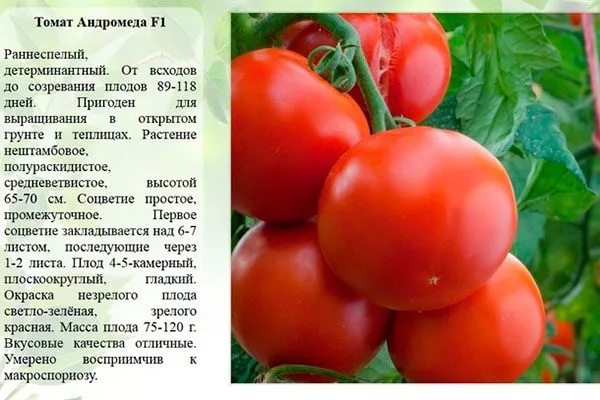
The hybrid is included in the State Register and recommended for outdoor cultivation in the Central Black Earth, North Caucasus, Middle Volga, and Lower Volga regions. It can be grown indoors in all regions.
Description of the variety
The Andromeda F1 tomato plant has low-growing, determinate-type bushes. They are semi-spreading, with medium branching and foliage. The bushes reach a height of 0.7 m. The leaves are small, gray-green, and have a moderately fretted surface.
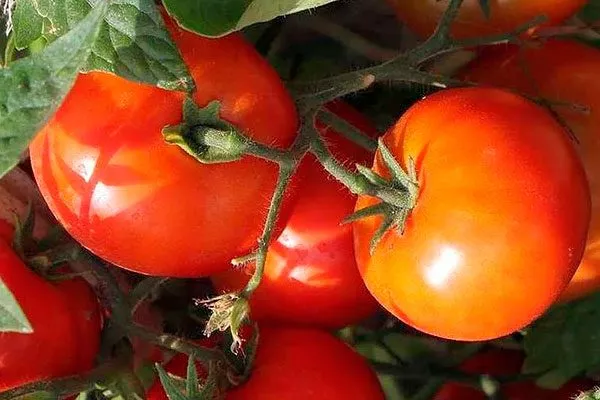
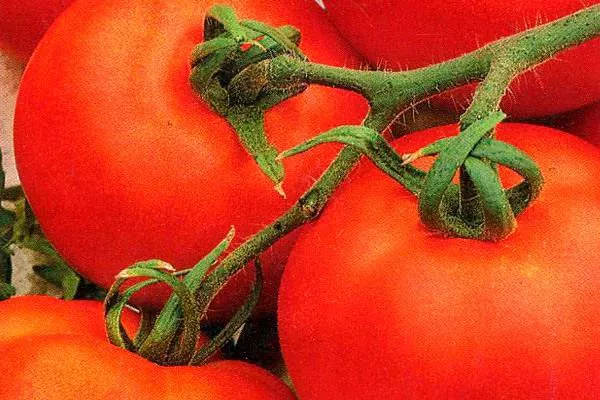
The Andromeda tomato has simple inflorescences, the first occurring between the sixth and seventh leaves, and then every other leaf or two. The peduncles are articulated. The fruits are a classic color and shape, and are medium in size.
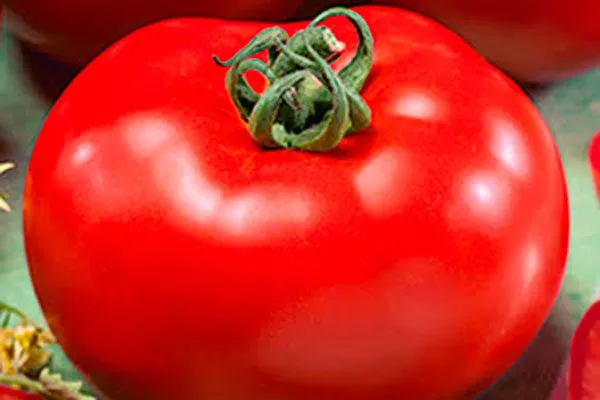
Brief description of fruits:
- Unripe fruit color: light green.
- Color of ripe fruit: red (there is no green spot on the stalk).
- Form: flat-round.
- Pulp: dense, fleshy.
- Skin: smooth, glossy.
- Weight: 70-120 g.
The taste of fruits and their purpose
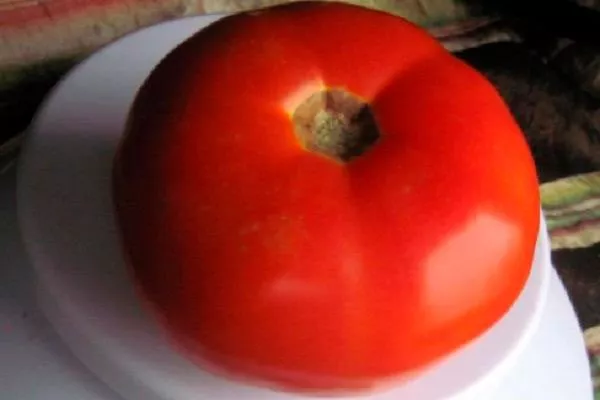
The Andromeda hybrid produces fruits with excellent flavor and juicy, fleshy pulp. These fruits are versatile and suitable for fresh consumption, canning, and all types of processing.
Characteristics
The Andromeda F1 tomato is an early-ripening hybrid. It takes 90 to 120 days from germination to ripening of the first fruits. Yields in open ground are 12-14 kg/sq. m, and in greenhouses, 14-16 kg/sq. m. Marketability is 70-100%.
The variety is resistant to extreme weather conditions, it tolerates heat and cold well. It has good immunity, rarely suffers from the tobacco mosaic virus, but can be affected by late blight and alternaria.
Pros and cons
The Andromeda tomato and all its varieties are replete with advantages that gardeners have already appreciated. However, this remarkable hybrid also has some drawbacks that are important to be aware of before planting.
Landing features
The Andromeda hybrid variety is grown primarily from seedlings. However, direct sowing into the ground is also possible. It is used primarily in the south, where the long summers allow the crop time to mature and produce a harvest.
Planting container
Andromed tomatoes can be sown in any suitable container—large containers, plastic cups, peat pots or pellets, buckets, etc. Empty containers should have drainage holes. If they don't, you can drill or make some with a hot awl.
How to prepare seeds for sowing?
The Andromeda hybrid is not grown from seed, as seeds collected from the fruits do not fully replicate the varietal characteristics. Pre-prepared planting material must be purchased. Seeds sold by producers are typically ready for sowing; they are already disinfected and treated with all necessary chemicals.
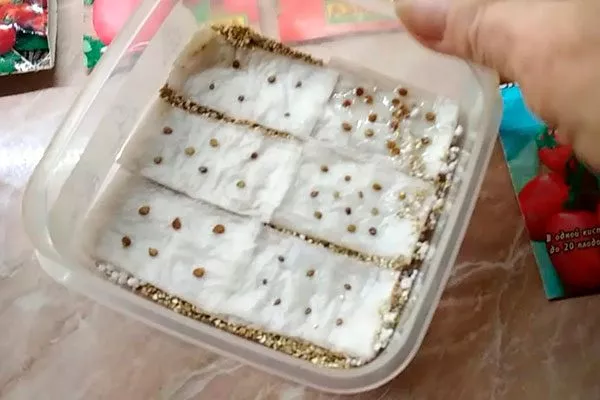
Purchased seeds can be checked for defects. To discard non-viable seeds, soak them in a salt solution (1 teaspoon per 250 ml of water). After 10 minutes, any non-viable seeds will float to the surface.
How to choose a site?
For planting the Andromeda tomato, choose a sunny site, free from shade and drafts. Insufficient light will cause the stems to stretch, reducing yield. Preference should be given to sites protected from cold, gusty north winds. Plants require at least 8 hours of sun per day.
The variety thrives in well-drained, humus-rich soils. Fruit ripens earlier in light and sandy soils, while loamy soils produce higher yields. The optimal pH for the Andromeda tomato is 5.5-6.8.
Soil preparation
Soil for tomatoes planted from seeds or seedlings is prepared in the fall. The area is cleared of plant debris and dug to the depth of a spade. Well-rotted compost or humus is added during the digging process at a rate of 10 kg per square meter. Superphosphate and potassium sulfate, or other mineral fertilizers, are also recommended.
For heavy clay soils, add loosening agents such as sawdust, deoxidized peat, or coarse sand. The soil's acidity should also be checked; if it's too high, add dolomite flour or slaked lime during tillage.
When growing tomatoes in a greenhouse, the soil is seeded with green manure. Tomatoes will grow well after mustard, oilseed radish, or grain crops. After harvesting the green manure, the soil is watered with a disinfectant solution. In the fall, the greenhouse is opened to allow the soil to freeze thoroughly, after which the soil can be covered with a layer of snow.
Growing by sowing in the ground
The Andromeda hybrid is a low-growing variety, so it can be grown by sowing seeds in open ground.
Landing features:
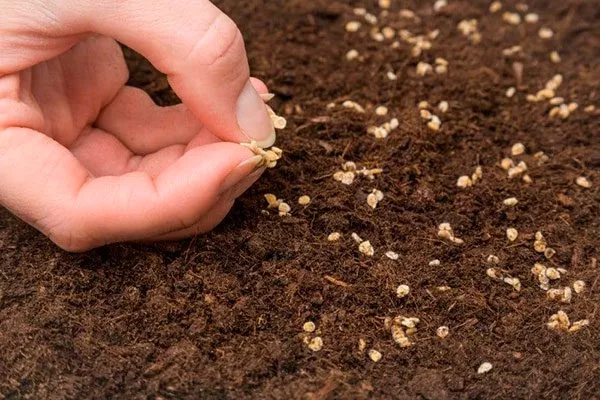
- The soil in the area is deeply loosened, then leveled with a rake and furrows 2-3 cm deep are prepared for sowing.
- The furrows are watered with warm, settled water. Once it has soaked in, the seeds are laid out at intervals of approximately 4-6 cm.
- The seeds are covered with a layer of loose soil, compacted by hand, and watered generously using a sprinkler. The crops are not watered further until the seedlings emerge.
- To prevent the top layer of soil from drying out and hardening in the sun, the crops are covered with plastic film.
Depending on climate and weather conditions, seedlings emerge in 5 to 14 days. When the first shoots appear (in the form of loops), remove the covering immediately, otherwise the young plants will simply "cook."
The disadvantage of direct seeding is delayed fruit ripening and low yield. Gardeners say the yield is nearly three times higher when grown from seedlings.
How to grow seedlings?
Andromeda tomato seedlings are sown around March, with the exact timing varying depending on regional climate conditions. In the south, seedlings are sown earlier, in late February; in regions with short summers and cool springs, they are sown in early April. It takes approximately 60 days for seedlings to grow.
Features of growing Andromeda tomato seedlings:
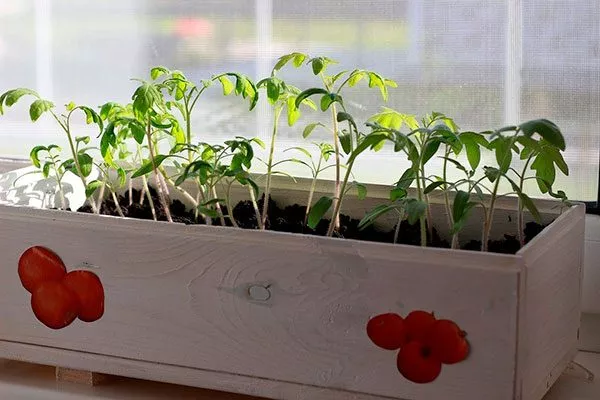
- The soil in the planting containers is sprayed with water. Then, furrows are made in the soil if sowing in large containers, or simply pressed into the soil if using individual containers. The sowing depth is 1-2 cm. The intervals between adjacent seeds are 3 cm, and between furrows, 4 cm.
- The seeds are sprinkled with soil, leveled, and then covered with plastic wrap. The planting containers are placed in a warm, bright room. The optimal temperature is 22 to 24°C. The crops are regularly ventilated, opening the plastic wrap slightly to prevent condensation from forming inside. As the soil dries out, water it with warm, settled water. A spray bottle is used for watering.
The film is removed immediately after the seedlings emerge, and the planting containers are moved to a windowsill, closer to the light. The room temperature is lowered from 22°C to 25°C to 14°C to 16°C to prevent the seedlings from stretching. Nighttime temperatures should be even lower—around 10°C to 12°C.
Features of caring for tomato seedlings Andromeda F1:
- Initially, it is recommended to turn on phytolamps so that the seedlings receive light 24 hours a day. Later, the daylight hours are reduced to 14–16 hours a day.
- As the soil dries out, water the seedlings with warm, settled water. Use a watering can with a thin spout to ensure the water flows gently, avoiding the leaves and stems. Overwatering seedlings is contraindicated, as it promotes fungal diseases. Before transplanting, water the seedlings approximately once a week; after transplanting, water them 2-3 times a week.
- The seedlings are pricked out after they have developed 2-3 true leaves. The plants are carefully transplanted into individual containers, pinching back a third of the roots.
- After picking, approximately 2 weeks later, the seedlings are fed with complex fertilizers, for example, Fertika Lux, Agricola for seedlings, etc.
Hardening off seedlings begins 2-3 weeks before planting them in the ground. Hardening off is necessary for seedlings planted outdoors. Seedlings are placed outside for one hour at first, then for 2-3 hours, and gradually increase the time spent outdoors to 12 hours.
Transplanting
Transplant seedlings into open ground when favorable weather conditions have formed and the seedlings have 5-6 true leaves. In temperate climates, transplant seedlings no earlier than mid-May; in the south, transplant two weeks earlier.
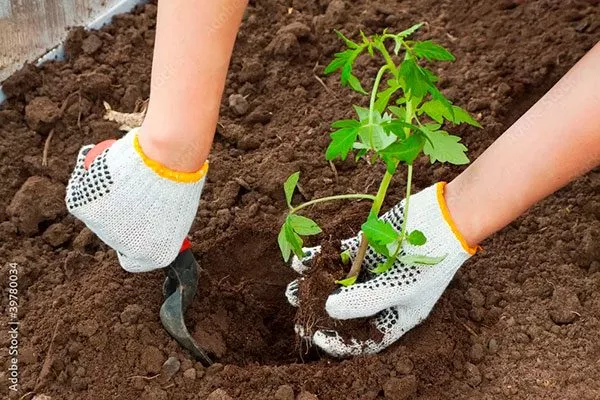
Landing recommendations:
- Seedlings are planted in the ground when the soil at the depth of a shovel blade warms up to +14 °C, and the air temperature reaches +20 °C.
- To ensure that seedlings take root better and do not get severely burned, planting is carried out in the morning, evening, or in cloudy weather.
- For planting, prepare holes that are sized to accommodate the root system and root ball. The approximate depth is 15 cm and the width is 20 cm. The optimal planting pattern is 40 x 70 cm. Five plants are placed per square meter.
- The seedlings are carefully transferred to the holes, placed upright, the empty space is filled with soil, lightly compacted, and watered. The next watering is done in about 10 days.
- ✓ Optimum soil temperature for planting seedlings: +14 °C.
- ✓ Recommended planting pattern: 40 x 70 cm, no more than 5 plants per 1 sq. m.
Seedlings are planted in the greenhouse approximately two weeks earlier. In the temperate zone, this is between May 8 and 18; in the south, planting occurs 1.5 months earlier.
Care Features
The Andromeda hybrid variety requires very basic care; it's neither demanding nor fussy. This hybrid requires regular watering, several fertilizing sessions, and a number of other cultivation practices consistent with tomato cultivation.
Watering
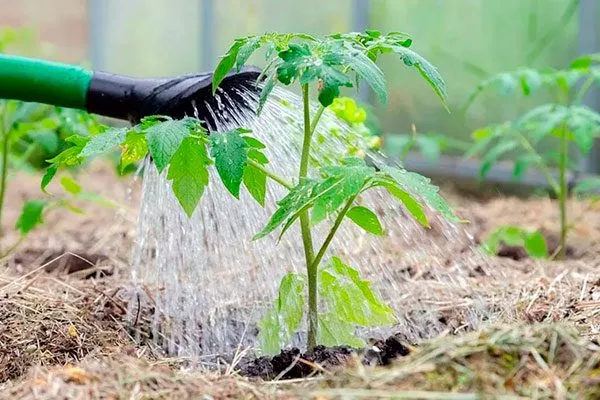
Water the Andromeda tomato moderately, preventing the soil from drying out or becoming waterlogged. The frequency of watering depends on the amount of rainfall and the soil conditions. On average, under normal weather conditions, tomato beds are watered twice a week. Approximately 3 liters of water are poured per plant.
Loosening
To ensure oxygen reaches the roots of tomato plants, the soil is loosened the day after watering or heavy rain. The depth of loosening depends on the growing season and averages 4-6 cm. Weeds are removed simultaneously with loosening.
Top dressing
The hybrid requires fertilizing because it has a rather weak root system. The bushes are first fertilized when the first fruiting clusters form. During this period, a full range of mineral fertilizers or organic matter is applied.
Subsequently, fertilize every two weeks. Use mineral fertilizers, organic matter (bird droppings, mullein infusion, iodine, yeast, wood ash, and boric acid). Phosphorus and potassium are also added monthly to boost immunity.
Shaping and garter
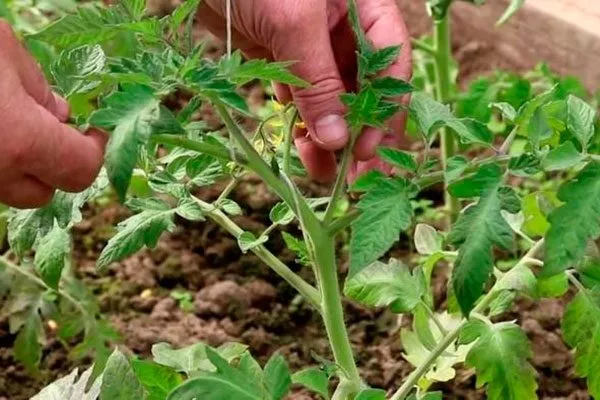
It is recommended to tie the bushes to wooden or metal supports to prevent the stems from breaking under the weight of the fruit. When grown outdoors, do not remove side shoots.
Diseases and pests
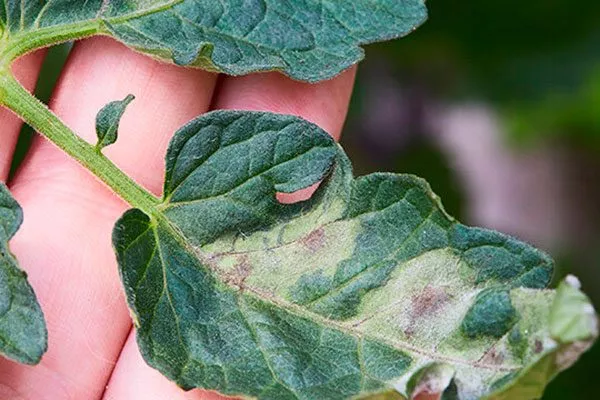
Under unfavorable weather conditions, such as increased humidity and prolonged rains, the risk of late blight increases. The disease can also develop if watering schedules are not met. When symptoms of late blight appear, use Fitosporin and other systemic fungicides.
In open ground, the Andromeda hybrid may be susceptible to pest attacks. Most commonly, it is attacked by whiteflies, aphids, and the Colorado potato beetle. Bushes can also be infested by mole crickets and slugs. Spraying with a soap solution helps against aphids and some other insects. For severe attacks, use biological products such as Actofit, Bitoxybacillin, Actarofit KE, and others.
Harvesting
The Andromeda hybrid's fruits ripen uniformly, producing reddish-red tomatoes in clusters. When harvesting, remove the lower leaves as well—they shouldn't be under the clusters. Don't remove more than three leaves per week, otherwise the plants may slow down.
Harvested tomatoes are stored in shallow containers, laid out in a single layer. To prolong their shelf life, each tomato is wrapped in paper. Under favorable conditions—a cool room with the right temperature and humidity—tomatoes can be stored for up to four months.
Reviews
The Andromeda tomato is an excellent choice for those who prefer classic tomatoes with small bushes. This hybrid is easy to grow, productive, and hardy. The only things to keep in mind are the risk of late blight and the need for regular fertilizing.