
The Pineapple tomato is a popular variety, boasting large, fleshy fruits with excellent flavor. These tomatoes have a bright, sweet flavor and firm texture, making them ideal for salads and preserves. They are resistant to cracking. They thrive in a variety of climates but require careful care.
Characteristics of the Pineapple variety
Breeding fruit crop varieties has become commonplace. Breeders work tirelessly to offer vegetable growers varieties with unique characteristics. One such variety is the Pineapple tomato.
Breeding features, description of the bush and fruits
Developed by American breeders, this variety is still relatively new, yet it has already become popular in various regions of Russia. Its name derives from the unusual color of its fruits.
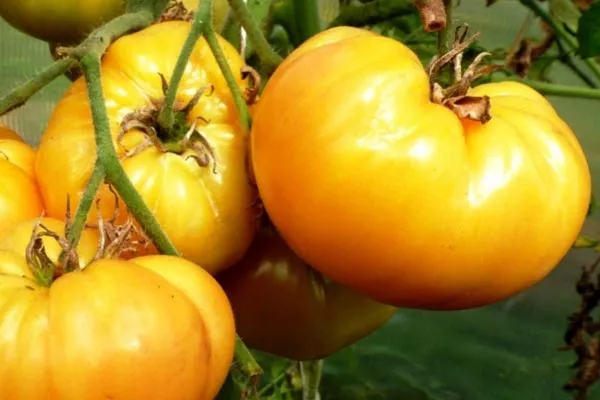
Distinguishing characteristics:
- The height of the bushes varies: in greenhouses, plants reach 2 m, while in open areas their growth is limited to about 1.5 m.
- Ripe tomatoes turn bright yellow, reminiscent of a tropical fruit.
- The fruits are large – their weight varies from 250 to 300 g, although some specimens can reach 350 g.
- The vegetables have a slightly flattened round shape, smooth shiny skin and fleshy, juicy pulp.
Taste and scope of application
Ripe vegetables are characterized by a refined and distinctive flavor. Initially, they offer a rich sweetness with a slight tartness, which develops into a soft, fruity aftertaste. Their firm flesh makes them easy to slice. Their full culinary qualities can only be fully appreciated when they are fully ripe.
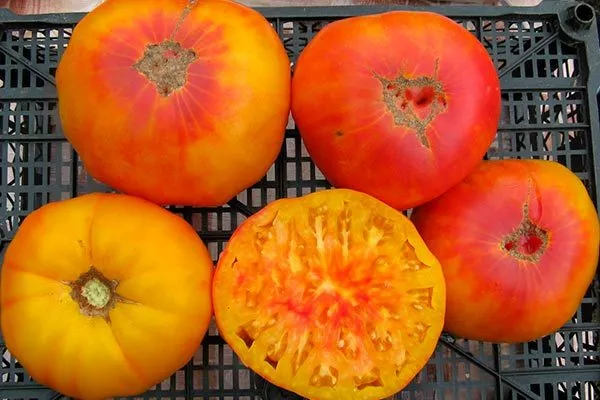
Large tomatoes are most often used for fresh salads. Smaller ones are used for winter preserves: they are pickled whole, sliced for appetizers, or used as a garnish.
Ripening time and productivity
Pineapple is a mid-early variety. The period from the first shoots to full ripening is 90-105 days. A characteristic feature is its prolonged fruiting period: harvesting begins in late July and ends in October.
Gardeners note that the bushes continue to bear fruit until the first frost. This variety is highly productive. A single plant can yield approximately 5 kg of tomatoes. Each produces up to five fruit clusters, each with a varying number of ovaries.
Growing
It is recommended to grow the crop from seedlings and then transplant them into open ground. Seeds are sown in prepared soil from early March to early April.
Soil mixture and container for growing
To plant the Pineapple tomato variety, prepare a homemade substrate. It includes the following components:
- soil from the area where the crop is planned to be grown (from a greenhouse or open ground);
- peat;
- washed river sand;
- wood ash.
- ✓ Optimal ratio of soil mixture components: 60% soil, 20% peat, 10% sand, 10% ash.
- ✓ Ash must be exclusively wood, without any admixtures of plastic or other inorganic materials.
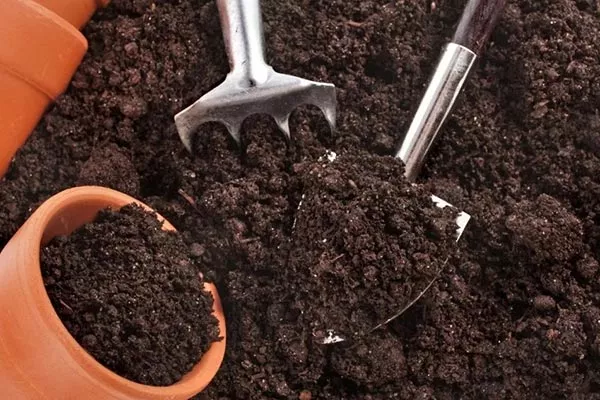
You can purchase ready-made soil mix at a specialty store. Before sowing the seeds, disinfect it with a weak solution of potassium permanganate. This will protect the seedlings from diseases and create favorable conditions for growing seedlings. To speed up seed germination, spray the soil with growth stimulants.
Containers are the most convenient option for growing seedlings. They provide the seedlings with more space to germinate and develop vigorously.
Preparing and sowing seeds
Pre-treat the seeds by placing them in a weak solution of potassium permanganate to prevent possible diseases. Wrap the seeds in a damp cloth, cotton wool, or gauze soaked in a growth stimulant and leave in a warm place. Make sure the cloth remains constantly moist.
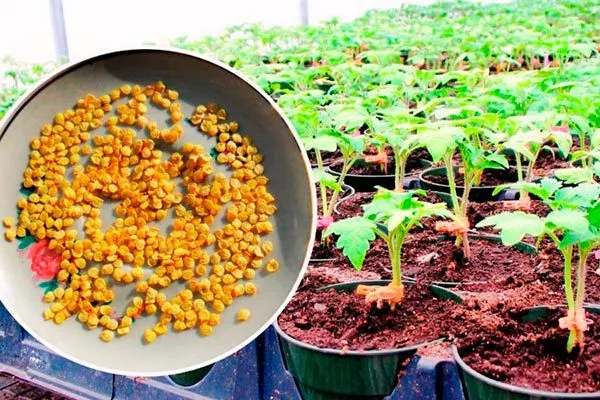
To plant, make furrows in the soil 1-1.5 cm deep. Space the seeds 2 cm apart, leaving about 4 cm between furrows. After planting, cover the seeds with a thin layer of soil and gently moisten with a spray bottle.
Seedling care, conditions and hardening
After planting the seeds, it's important to create an optimal environment for rapid germination and full seedling development. Provide the seedlings with comprehensive care:
- Place the seedling container in a warm, well-lit location, covering it with glass or plastic film. Maintain the temperature at 25–27°C until sprouts appear. Once sprouts emerge, reduce the temperature to 17–20°C.
For full development, plants require approximately 12 hours of light per day. If light is insufficient, use grow lights. - Water the soil as it dries out, using a spray bottle to avoid damaging the tender sprouts.
- When the plants have two true leaves, transplant each seedling into a separate container, such as a plastic cup. After transplanting, add rooting fertilizer to the soil to stimulate root growth.
- Apply fertilizer according to the manufacturer's recommendations. When the seedlings have five true leaves, water them with an insecticide solution to protect them from pests.
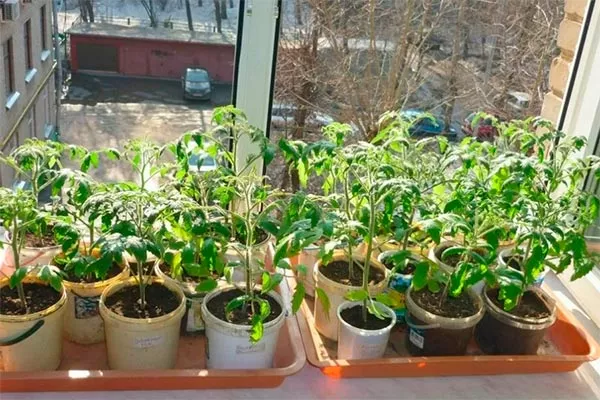
- Start hardening 7-10 days before planting, gradually increasing the time spent outdoors.
- During the first few days, limit the time the seedlings spend outdoors to 1-2 hours in the shade.
- By the end of the week, increase the time to 6-8 hours, including morning sun exposure.
A week before transplanting outdoors, begin hardening off the plants. Take them outside daily, starting with just a few hours. Avoid direct sunlight to avoid damaging the delicate leaves. Gradually increase the duration of these "exposures" to allow the seedlings to adapt to the outdoor conditions.
Planting seedlings in a permanent location
Before transplanting seedlings into open ground, acclimate them to natural conditions. Since this variety grows tall, it's important to avoid planting them too closely to ensure they have enough space to grow and develop fully.
Timing and choice of location
Plant seedlings outdoors only after the threat of night frost has passed and the soil has warmed to 15–18°C. For the mid-season Ananasny variety, the optimal planting time is mid-May.
The growing area should be well-lit. Arrange tomato rows so that the plants are well-ventilated and do not accumulate moisture or morning dew, which will help protect the plants from disease. Consider crop rotation.
Good predecessors for tomatoes are:
- legumes;
- cabbage;
- carrot;
- green crops.
Avoid planting tomatoes after other nightshades such as potatoes, peppers, and eggplants, as they can carry common diseases and pests.
Scheme and algorithm of actions
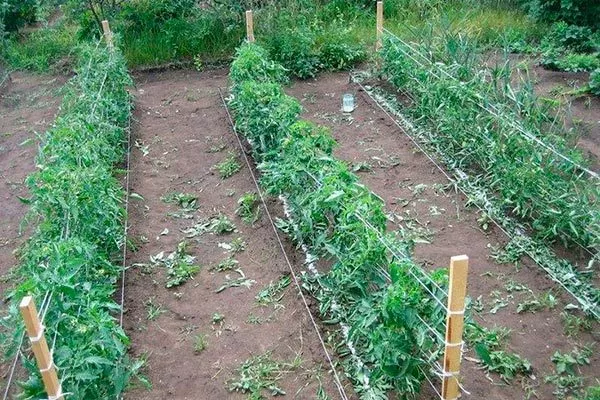
Place no more than three bushes per square meter. To ensure proper growth, install trellises for the shoots to climb and tie them up.
Helpful tips:
- Two weeks before planting, dig the soil and evenly distribute fertilizer to enrich the soil with oxygen and nutrients. If the soil is too acidic, fertilize it with alkaline fertilizers.
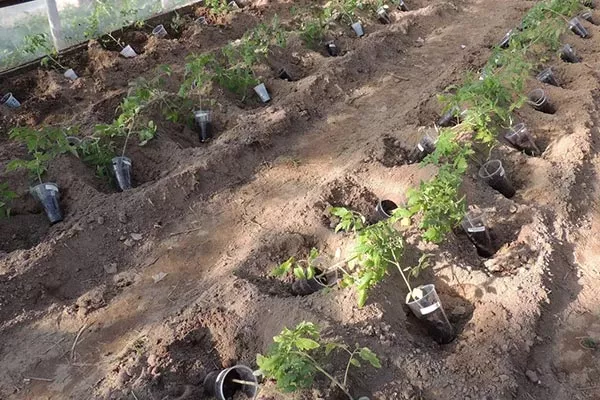
- After digging the area, form the beds and prepare holes up to 7 cm deep. The distance between holes should be 50 cm, and between rows – 60 cm.
- Place the planted seedlings in the center of the holes, carefully filling them with soil on the sides.
After planting, water each bush thoroughly to ensure the soil is thoroughly moistened. Perform this work in the morning or evening to allow the plants time to adapt to their new location.
How to care for it in open ground?
The Pineapple variety is easy to care for, but to ensure a good and tasty harvest, it's important to follow a few recommendations. Follow these important agricultural practices:
- Watering. The soil shouldn't be too wet to prevent root diseases. Water as the soil dries out, approximately every 5-7 days. Make sure the soil doesn't dry out during fruit set and ripening.
- Top dressing. When the bush begins to form ovaries, it requires additional nutrition. For this, use complex mineral fertilizers (once every 14 days), applying them along with watering. Organic fertilizers are also suitable.
- Pinching out stepsons and tying up. Removing side shoots is an important part of caring for indeterminate varieties, as it promotes proper ovary formation and the development of large fruits. Removing side shoots allows you to focus on fruiting.
Bushes require stem training. Ideally, they should be grown with 1-3 stems, with the stems secured to a support or trellis. This helps the plant develop, receive more sunlight, and improves ventilation, preventing moisture accumulation.
Since the plants are tall, pinch them at the 14th to 15th leaf level. This will allow the plant to focus on fruiting. - Soil care. Tomatoes prefer loose soil, so regular loosening will help improve aeration and saturate the roots with oxygen.
Harvesting and storing fruits
This crop produces a bountiful harvest throughout the season. Tomatoes ripen gradually, allowing them to be harvested over several weeks. To preserve the quality of the fruit, store them properly.
After harvesting, wash and dry the vegetables thoroughly. Place them in boxes or kraft paper bags, making several holes for ventilation. The optimal storage temperature is around 10°C. Under these conditions, the tomatoes will retain their freshness and marketability for 1-2 weeks.
Diseases and pests
Pineapple is characterized by strong immunity. However, it is important to consider potential problems that may arise when growing this variety.
Main plant diseases
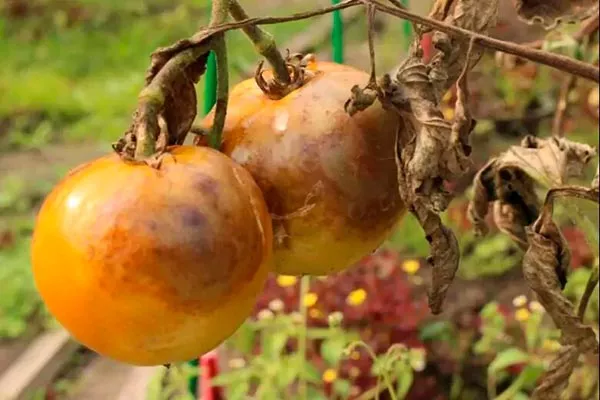
One of the most common tomato diseases is late blight. This fungus attacks the roots and stems of the plant, which can lead to its death. To prevent the disease, use fungicides and maintain a proper watering schedule.
Another common problem is powdery mildew. This fungal disease appears as a white coating on leaves and stems. Fungicides and regular plant treatments are effective in combating powdery mildew.
The Pineapple variety is susceptible to blackleg, a fungal infection that kills young plants. To prevent this disease, maintain a proper watering schedule, use high-quality soil, and monitor humidity levels.
Pests and methods of control
Despite their resistance to most diseases, the bushes can be attacked by certain pests. The most common of these are:
- Tomato whitefly Damages leaves and stems. The larvae feed on plant sap. Remove insects mechanically or use biological control products.
- Versicolor whitefly Feeds on leaves and flowers, leaving a gray, waxy film. Collect the parasites by hand and treat them with chemicals.
- Spider mite It sucks the juices out of tomatoes, causing web-like growths to appear on the leaves and fruit. Acaricides, spraying at 14-day intervals, will help.
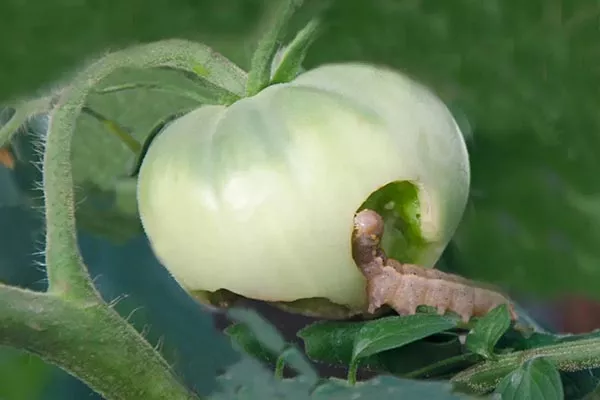
To effectively combat pests, regularly inspect plants, remove affected areas, carry out preventative treatments, and use special preparations.
Pros and cons
The Pineapple tomato is one of the most popular varieties, attracting gardeners with its large tomatoes and other unique characteristics. Among its key features are:
The crop has virtually no significant drawbacks. However, as it grows, the bushes require staking and shaping to prevent damage to the plants or rotting of the vegetables.
Reviews
The Pineapple tomato is a versatile and high-yielding variety that will delight gardeners not only with its delicious fruits but also with its ease of care. The crop is resistant to numerous adverse factors and is rarely affected by disease. Generous harvests of high-quality tomatoes can be achieved with proper cultivation practices.