
The Amur Tiger tomato is a variety that has gained popularity thanks to its numerous positive qualities. It boasts large, fleshy fruits with a vibrant, rich tomato flavor. It is characterized by excellent productivity, disease resistance, and generous yields, but only with timely and proper care.
Historical facts
The variety was developed through the efforts of Russian breeders led by V. G. Kachainik, with the participation of S. V. Matyunina, M. N. Gulkin, and O. A. Karmanova. In 2015, it was officially included in the State Register of Breeding Achievements of Russia.
The variety was developed by the agricultural firm "Aelita," which also sells seeds. When purchasing seeds, it's important to ensure the packaging bears the company's logo, which serves as a guarantee of product quality.
Characteristics and description of the variety
Modern efforts by geneticists have led to the creation of numerous varieties and hybrids with astonishing colors. One of the most striking representatives of the nightshade family is the Amur Tiger tomato, which attracts attention with its unusual striped pattern.
Description of the bush
It's an indeterminate variety, meaning the plant grows tall, reaching 1.8-2 m in open beds. In greenhouses, under favorable summer sun conditions, the central stem can reach 2.5 m.
The leaves are standard-shaped, medium-sized, slightly wrinkled, with pointed edges and an emerald color. The flowers are collected in racemes, each containing 3-5 ovaries. The first inflorescence forms above the 8th-9th true leaf, and subsequent ones alternate every 1-2 leaves.
Description of fruits and taste qualities
When unripe, Amur Tiger tomatoes are green with light stripes. As they ripen, their color changes to red, and the stripes turn yellow. The fruits are large, weighing between 150 and 200 grams, although some can reach 400 grams.
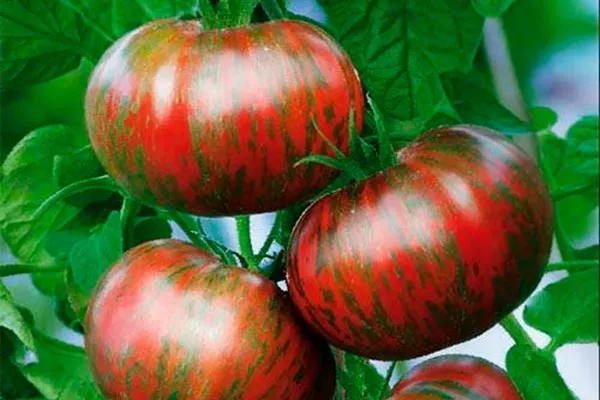
- ✓ The first inflorescence is formed above the 8-9 true leaf.
- ✓ The fruits change color from green to red with yellow stripes as they ripen.
The tomatoes are flattened and rounded, ribbed at the base. A cluster produces 3 to 5 fruits. The flesh is juicy and meaty, with a distinctly sweet flavor.
Ripening time
The Amur Tiger tomato is a mid-early variety. It takes 108-112 days from germination to harvest. Fruiting is prolonged, from July to August. Ripening times depend on regional climate conditions and the current season's weather.
Productivity
The crop is characterized by good productivity. If all agricultural requirements are met, up to 9 kg of tomatoes can be harvested per square meter in open beds and up to 12 kg in a greenhouse.
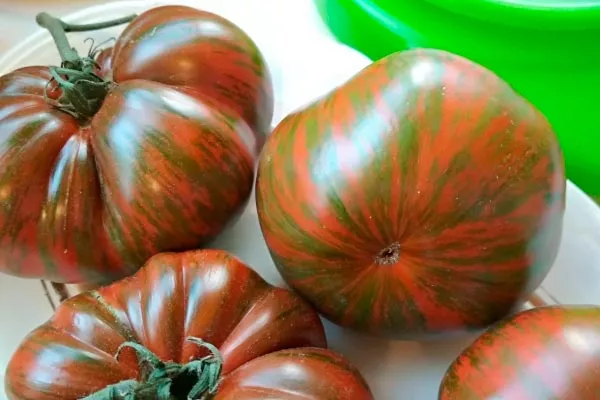
Application of fruits
Fresh Amur Tiger tomatoes don't have a long shelf life. However, fruits picked at the milky stage of ripeness withstand transportation well and retain their marketable appearance.
Gardeners note that the thin skin makes this variety unsuitable for whole-fruit canning, as it cracks during heat treatment. Instead, it's recommended to preserve the vegetables in barrels, which preserves their flavor and aroma.
Varieties of tiger-colored tomatoes
| Name | Growth type | Fruit color | Fruit weight (g) |
|---|---|---|---|
| Amur tiger | Indeterminate | Red with yellow stripes | 150-400 |
| Amur pink tiger | Indeterminate | Pink with green stripes | 250-350 |
| Tiger cub | Indeterminate | Red | 30-35 |
| Tiger Cocktail | Indeterminate | Red | 40 |
There are several varieties of striped tomatoes. Each has its own advantages and characteristics:
- Amur tiger. A mid-season indeterminate variety suitable for private farms. The tomatoes are flat-oval, medium-firm, with slight ribbing, and a brown hue.
Each tomato weighs approximately 240 g. It has a good flavor. Yields reach 11-11.5 kg per square meter. It is used for salads and canning, including whole-fruit preserves. It was included in the Russian register in 2015.

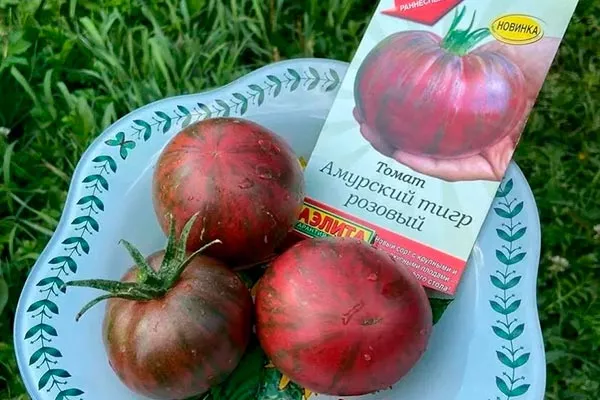
- Amur pink tiger. An early-ripening indeterminate variety for private plots. The fruits are flat-round, medium-ribbed, pinkish with distinct green stripes. Suitable for slicing and salads. Compared to the Amur Tiger, these fruits are larger, weighing 250-350 g.
The taste is good, but the yield is slightly lower, at about 9 kg per square meter. It was included in the State Register in 2020. The originator is the Aelita agricultural firm.
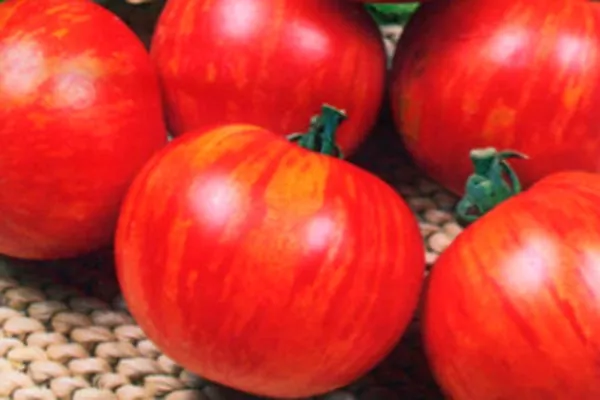
- Tiger cub. An early-ripening indeterminate variety for both open and closed ground. Small, round, smooth, red tomatoes weighing 30-35 g have a good flavor. Suitable for salads, fresh eating, and canning.
The yield is low – 9.3-9.5 kg per 1 sq. m. It was entered into the State Register in 2015.
- Tiger cocktail. An early-ripening indeterminate hybrid grown in greenhouses and beds. The fruits are round, weighing approximately 40 g, with slight ribbing, and turn red at maturity. Yield is 8.2 kg per square meter. This is a new variety, added to the register in 2021.

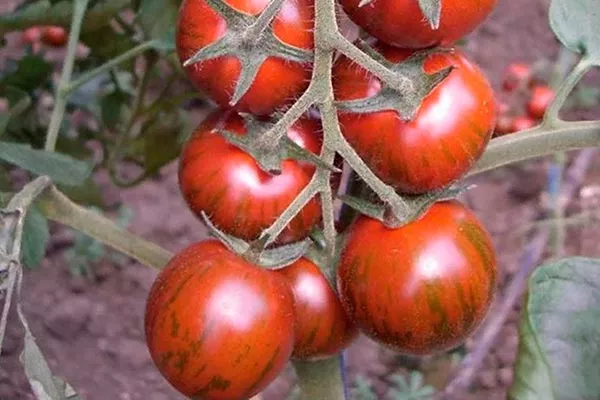
By growing these varieties in your garden, you'll be able to get the most generous harvests of attractive tomatoes with excellent taste.
Planting operations
Proper crop planting plays a key role in ensuring healthy growth and high yields. Selecting the right location, preparing the soil, and following certain guidelines all contribute to increased productivity.
Timing of sowing seeds
It is recommended to grow tomatoes from seedlings. Sowing time depends on the regional climate and can vary significantly.
Calculate the optimal time yourself, keeping in mind that tomato seedlings should spend approximately 58 days (give or take 2 days) indoors before transplanting to the open ground or greenhouse. During this time, the plants develop a strong root system, allowing them to easily adapt after transplantation.
Sowing seeds for seedlings usually begins after March 20th and continues until early April. If the spring is warm, you can move the sowing date up by 5 days. Don't rush sowing if the soil in your region warms up slowly. In this case, it's best to postpone sowing until early April.
Growing seedlings
To obtain high-quality seedlings, prepare containers, such as containers or plastic boxes, and make small drainage holes in them. For soil, use a mixture of humus and turf, disinfected first by heating it in the oven or watering it with a solution of potassium permanganate.

Follow these recommendations:
- Place the seeds in furrows no more than 1.5 cm deep and gently moisten the soil with water.
- Cover the containers with plastic wrap or a glass lid to ensure high humidity, which is necessary for rapid germination. The optimal temperature for germination is 23-25°C. Under these conditions, seedlings will emerge in 6-7 days.
- During the first week, harden the seedlings in a cool place so that the stems have time to stretch out a little.
- Keep the seedlings in a warm, well-lit location for 50-60 days. When the plants are 10-12 days old, transplant them into individual plastic cups.
Water and feed the seedlings regularly, and when they become stronger, transplant them into open ground or a greenhouse.
Planting in the ground
The soil should be fertile, with a neutral or slightly acidic pH, which requires preparation in the fall. Add mineral fertilizer, compost, or manure to the soil.

- ✓ Optimum soil temperature for planting seedlings: +15°C.
- ✓ Maximum air temperature that the variety can withstand without damage: +31°C.
Follow certain rules:
- When the soil temperature reaches 15°C, transplant the tomato seedlings to their permanent location. Place them under plastic cover after May 15th, and in open ground in early June.
- For planting, choose a sunny location protected from direct sunlight.
- The best predecessors for tomatoes are onions, carrots, and cucumbers. Avoid growing them after peppers, eggplants, or potatoes.
- Place no more than four plants per square meter.
- Transplant in cloudy weather.
The Amur tiger prefers warmth but does not tolerate high temperatures well. If the air temperature rises above 31°C, the crop will begin to suffer and may even die under such conditions.
Features of variety care
Caring for your seedlings is key to achieving a high-quality and abundant harvest. Regular cultivation provides tomatoes with the necessary conditions for growth and fruiting. Adhering to a proper care regimen helps strengthen the immune system and reward you with high-quality fruits.
Fertilization
After transplanting, tomato plants require regular fertilizing. During the initial growth stage, use a high-nitrogen fertilizer, applying it to the roots before buds appear. Once flowering begins, adjust the plant's nutrition, replacing nitrogen fertilizers with potassium salts and superphosphates.

During the fruiting period, increase the nutrient concentration by approximately 1.5 times to ensure full tomato development. Maintain appropriate intervals between fertilizing to avoid negative impacts on the crop. The optimal time between fertilizing is 12-14 days.
The Amur Tiger variety does not tolerate organic matter, including fresh manure. Its use leads to excessive growth of greenery and side shoots, which slows down the formation and ripening of the vegetables.
Watering
Moisture is essential for tomatoes of this variety. The water should be warm, around 25°C. After planting, a crust may form on the soil, which can be prevented by loosening the soil and removing weeds.
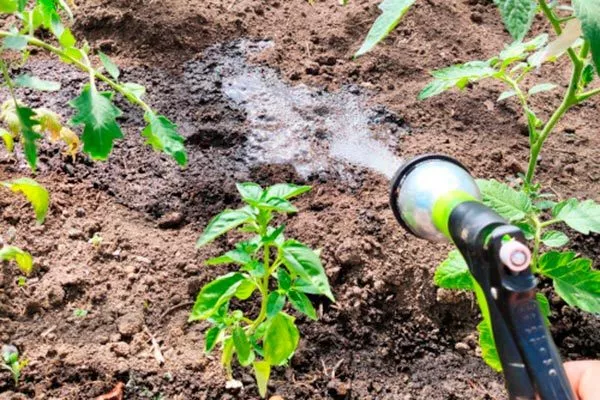
When watering, avoid splashing water on the foliage, as this can cause it to turn black, especially in a greenhouse where high temperatures and humidity promote this process. Frequent watering can affect the flavor of the fruit, making it more sour.
Formation of bushes
This crop requires regular care, especially when training the bushes. Without this care, the harvest may be meager, as despite the large number of ovaries, the plant will not have enough energy to fully ripen them. Pinch out the tops of the main shoots promptly. This will help direct the plant's energy toward tomato development.
Tying to a support, pinching out side shoots
For the Amur Tiger tomato variety, staking is a must, and is accomplished using a vertical trellis. Helpful tips:
- Before planting seedlings in the greenhouse, stretch the wire at a height of 1.5-2 m, leaving space between the bushes in accordance with the recommended planting pattern.
- To tie the plant, tie a loop of twine around the plant stem, securing it to a wire. Each week, carefully wrap the growing tip of the plant around the twine.
- To successfully grow this variety, remove side shoots regularly. Inspect the bushes every 2-3 days to ensure side shoots do not exceed 4-5 cm. Removing them promptly allows nutrients to be directed toward fruit development.

Pest and disease control
To achieve a good tomato harvest, protection from insects and diseases is essential. Here are some important recommendations:
- Bacterial spot. Control it before planting seedlings. Avoid planting tomatoes where nightshade crops previously grew. Thoroughly clear the area of weeds.
- Anthracnose. To combat this disease, use liquid copper sprays and sulfur powders, applied weekly, beginning with foliage emergence in early spring. Morning spraying is best.
- Fungal diseases. Always keep Neem oil handy, which is effective in preventing fungal infections and can stop them in their early stages.

To prevent late blight, follow these steps:
- Remove debris and weeds promptly.
- Place bushes correctly to ensure good air circulation.
- Water only at the roots, avoiding water getting on the stem.
- Use organic copper-based fungicides by spraying plants on dry days.
- A few days after treatment, remove the lower branches and repeat the procedure after 1-2 weeks.
Following these measures will help protect your crops and ensure a successful harvest.
Similar varieties of tomatoes
The characteristics of the Amur Tiger tomato are largely similar to those of other vibrant varieties, distinguished by their unique appearance and excellent taste. Among them, the following standout varieties stand out:
- Large striped boar. A productive variety, yielding up to 18 kg of fruit per square meter per season. The fruits are large, weighing up to 400 g, with red skin decorated with green longitudinal stripes. It has moderate disease resistance.
- Zebra pineapple. A mid-season variety with indeterminate bushes. The tomatoes are round, with barely noticeable ribbing near the stem. Their raspberry skin is adorned with olive or green stripes. Yields reach up to 4 kg per bush, with individual fruits weighing between 250 and 350 g.
- Striped chocolate. A mid-season variety with smooth, slightly flattened tomatoes covered with green stripes. This indeterminate variety yields up to 8 kg per square meter and is distinguished by good disease resistance.
- Dark Queen. A late-ripening variety that continues to grow throughout the growing season. The fruits are burgundy with green stripes, round and slightly flattened.
The weight of one tomato is 300-400 g. The variety is promising for cultivation due to its resistance to diseases and pests. - Striped Amazon. An indeterminate variety with round, slightly flattened fruits. The brown skin has olive-colored stripes. Yields reach 3-4 kg per bush, with tomatoes weighing approximately 200 g on average. The variety is disease-resistant.
These varieties share the unusual appearance of tomatoes, high yields, and resistance to various diseases, making them attractive for growing in a variety of conditions.
Pros and cons
Like any other crop, the Amur Tiger tomato variety has both advantages and disadvantages.
However, the negative qualities are minor compared to the advantages – tasty large tomatoes can compensate for some difficulties in growing.
Reviews
The Amur Tiger tomato is a delicious and productive variety that, with proper care, will yield bountiful fruit even in challenging climates. Its vibrant flavor, large fruits, and disease resistance make it an excellent choice for both beginner and experienced gardeners. By following the growing and care recommendations, you'll enjoy bountiful harvests all season long.