
The Amethyst Jewel tomato is one of the most striking and unique varieties. It will impress any gardener. Its excellent flavor and pleasant aroma make it a beautiful addition to any table and a wonderful addition to any culinary recipe. It is highly resistant to diseases and pests, but requires timely care.
Historical background
Developed in the United States by renowned breeder Brad Gates of the Californian agribusiness Wild Boar Farms, the variety's original name is Amethyst Jewel, but it is also known as Precious Amethyst and Amethyst Treasure.
Description of the Amethyst Jewel tomato
It's an indeterminate variety—its shoots grow without restriction. To simplify care and harvesting, many vegetable growers recommend pinching the tops of the plants at a height of about 1.8 m. Without this, they can grow too tall, making care difficult and reducing the effectiveness of the plant's nutrition.
Characteristics of the bush
The plants are striking for their vigorous, spreading growth and abundant foliage. In a greenhouse, they sometimes grow up to 1.8 m, while in the open ground, their maximum height is 1.3-1.6 m.
Distinguishing features:
- Leaves - medium-sized, narrow, with pointed tips, painted in a light emerald color.
- Inflorescences – simple, with small yellow buds collected in clusters, each of which forms up to 6 ovaries.
The first brush appears under the ninth leaf, the next ones are formed every 2-3 leaves.
Fruits and their taste qualities
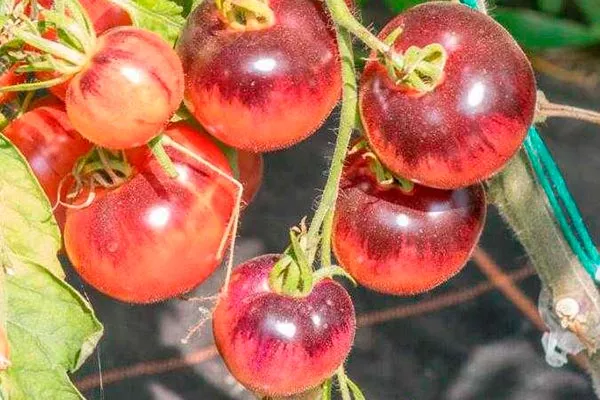
Ripe tomatoes are round and flattened, weighing between 160 and 190 grams. They taste sweet with a pleasant tartness. The surface is smooth and even, the skin is firm, and the flesh is juicy, fleshy, and red. Each fruit contains 5-6 seed chambers with a moderate number of seeds.
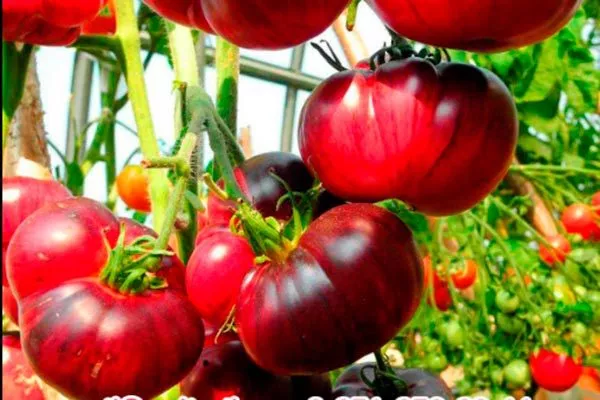
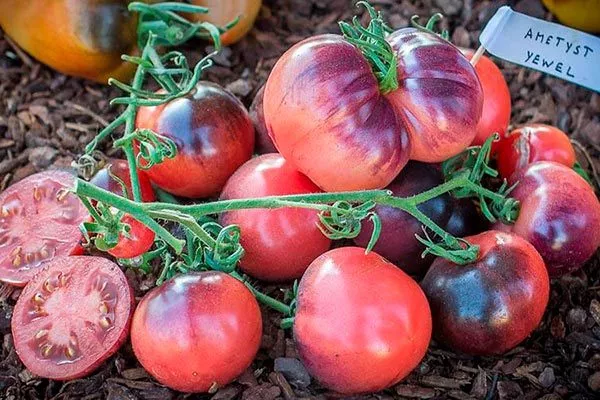
Their unique coloring makes them especially attractive: at the technical stage of ripeness, they are light purple, and when fully ripe, the area around the stem becomes a rich purple, almost black. Dark stripes gradually descend downward, where the color changes to dark pink.
Scope of use of tomatoes
Their excellent flavor makes this variety versatile: they're used in fresh salads, appetizers, hot dishes, and frozen. Their meaty texture makes them excellent for ketchup and tomato paste. However, their large size makes them unsuitable for whole-fruit canning.
Productivity and fruiting
The crop begins bearing fruit approximately four months after germination. This is a long period: in open ground, it bears fruit until September, and in a greenhouse, until early November.
With proper care and adherence to agricultural recommendations, each bush can produce up to 6 kg of high-quality and tasty tomatoes.
Resistance to diseases and pests
This variety is characterized by a high immunity, making it resistant to certain diseases. The bushes are virtually unaffected by harmful insects throughout the entire growth and fruiting period.
Regions for cultivation
The crop does not tolerate heat and drought well, so it is not recommended for cultivation in the southern regions of Russia. The most suitable climates for it are the central part of Russia, the Moscow region, and areas with similar climates. In these zones, the bushes produce well both in open ground and in greenhouses.
Amethyst Jewel Growing Guide
This crop requires a special approach to cultivation. To achieve a high-quality harvest, it's important to adhere to certain agricultural guidelines.
- ✓ The soil temperature during planting should not be below +15°C for optimal root growth.
- ✓ Soil pH should be between 6.0-6.8 to ensure nutrient availability.
Timing of planting seedlings and transplanting into the ground
Sow the seeds two months before you plan to transplant the seedlings into the ground. Place the seeds in a damp cloth or cheesecloth for 24 hours before transplanting and store in a cool, dark place for germination.
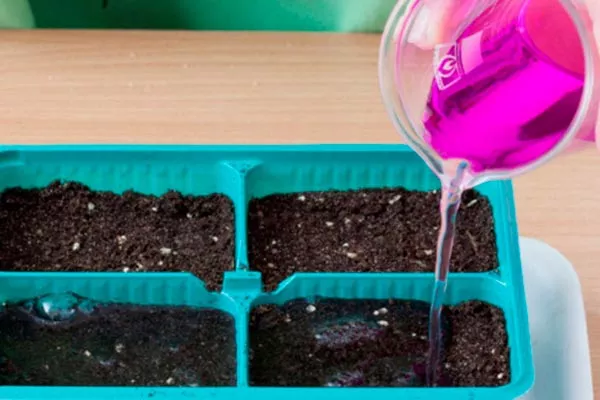
To prevent fungal diseases, soak the seeds in a potassium permanganate solution before sowing. Well-prepared seeds germinate quickly and evenly.
Selecting a site
To plant seedlings, choose a suitable location. It must meet several key conditions:
- The bushes prefer sunny locations where they receive at least 6-8 hours of sunlight per day. This promotes good growth and fruiting.
- The bed must be protected from strong winds, which can damage plants and reduce their yield.
- Tomatoes don't like standing water, so it's important to have well-drained soil. Overly wet or waterlogged soil can lead to root rot. Soil with a neutral or slightly acidic pH (6-7) and rich in organic matter is ideal. Prepare the site in advance by adding compost or humus.
To prevent the spread of late blight, avoid planting seedlings in areas previously occupied by potatoes, peppers, eggplants, or other nightshade crops. Good predecessor crops include legumes, onions, garlic, and cabbage.
Preparing seeds for planting
Sow seedlings 70 days before transplanting outdoors. This will give the seedlings time to strengthen and be ready for transplanting to their permanent location.
Preparing the soil for tomatoes
To plant seeds, prepare the soil mixture in advance. The easiest and most reliable way is to purchase ready-made soil from a gardening store. If you prefer to prepare the mixture yourself, mix peat moss, garden soil, sand, and add drainage.
Seed planting scheme
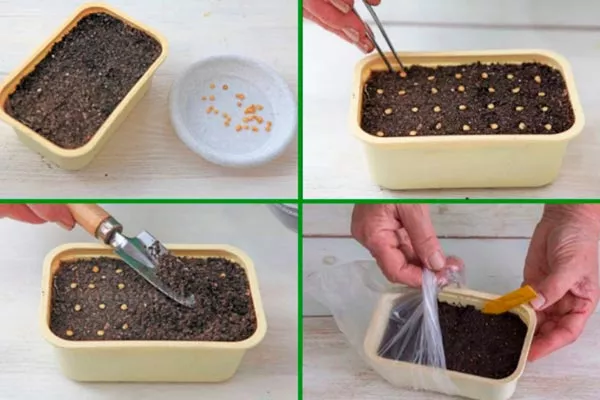
Pre-moisten the soil and plant the seeds in even rows, 10 cm apart. Lightly cover the seedlings with soil to a depth of 3-5 mm. Cover the trays with glass or plastic until the first shoots appear. If the soil becomes too dry, moisten it with a spray bottle.
Growing seedlings
Seeds should not be planted directly into open ground. Seedlings should be obtained first, and then the young shoots should be transplanted to a permanent location, whether a greenhouse or an open garden bed.
How to plant seeds for seedlings?
To avoid weak plants and the need to remove excess seedlings, place seeds in peat pellets, trays, or individual cups. Experts recommend planting several seeds in each cell to ensure two seedlings develop.
Picking seedlings
Replant the seedlings when the second true leaves appear. This will help you weed out weak and unpromising plants. In the third week, the tomato plant's root system is actively developing, so thin it out before then to prevent the plants from becoming entangled.
Follow these recommendations:
- Moisten the soil to make it easier for the sprouts to be removed from the ground.
- Pull the seedling upward, being careful not to damage the leaves, stem and roots.
To ensure strong plants and a good harvest, train the future bushes already at this stage. When the seedlings reach 10-15 cm, thin them out, leaving two seedlings together. When transplanting into open ground or a greenhouse, place two or three seedlings per hole.
You can tie them together and pinch the weaker ones at the top. This will help form a bush with two or three stems and create a vigorous plant.
Transplanting tomatoes into the ground
Since this variety grows spreading and quite tall, it's important to properly space the beds. Plant no more than 3-4 plants per square meter to avoid compromising fruit production. Leave 50-60 cm between plants, and 70-80 cm for walkways.
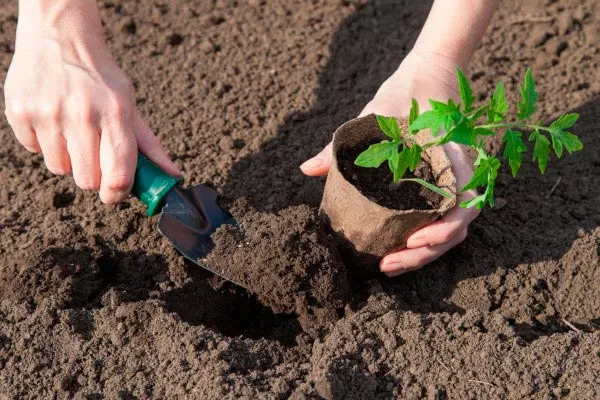
Follow the rules:
- Transplant seedlings in late spring, when the threat of frost has passed and stable weather has set in. At this time, nighttime temperatures should be above 10°C (50°F) and daytime temperatures should be between 20-25°C (68-77°F).
- The plant does not tolerate drought or temperature fluctuations well and requires moderate soil moisture. The soil should be permeable and breathable, so prepare the soil in advance in the fall.
- For fertilization, use safe and effective products that will improve the soil structure: eggshells, wood ash, rotted compost and peat.
Before planting the seedlings, be sure to loosen the soil and add 20 g of superphosphate to each hole. After planting, water the seedlings with warm, settled water and mulch the soil around them.
Care for the Amethyst Jewel tomato
Caring for this crop requires little effort if the weather conditions are favorable. This variety is easy to water and weed. Care includes standard agricultural practices that promote a good harvest.
How to water tomatoes?
Amethyst Jewel requires regular watering to ensure a good harvest. The soil beneath the bushes should be kept constantly moist, but avoid overwatering, as excess moisture can lead to the development of fungal diseases.
Water the roots using warm, settled water to avoid negative impacts on plant health. Drought also negatively affects this variety, reducing yield.
- Two weeks after planting, apply a complex fertilizer with a high phosphorus content to develop the root system.
- During the flowering period, use a fertilizer with a high potassium content to improve fruit set.
- During fruiting, apply a fertilizer with an NPK balance of 1:1:1 to maintain plant health and fruit quality.
Fertilizing tomatoes in open ground
Fertilize seedlings several times. Apply nutrients in three stages:
- 10 days after planting the seedlings in the groundUse ready-made solutions, such as Humisol or Vermistim. You can also make your own solution using bird droppings.
- Two weeks after the beginning of the formation of ovariesFeed the bushes with a solution of chicken manure, 20 g of Rastvorin, 3 g of potassium permanganate, and 3 g of copper sulfate. Use 2 liters per plant.
Before harvesting, fertilize the bushes again using one of the above options.
Garter and pinching out side shoots
Amethyst Jewel is an indeterminate variety, so its side shoots (side shoots) continue to grow and develop throughout the growing season. To prevent excess nutrients from being used up by side shoot growth and to ensure only green foliage is formed, regularly remove the side shoots.
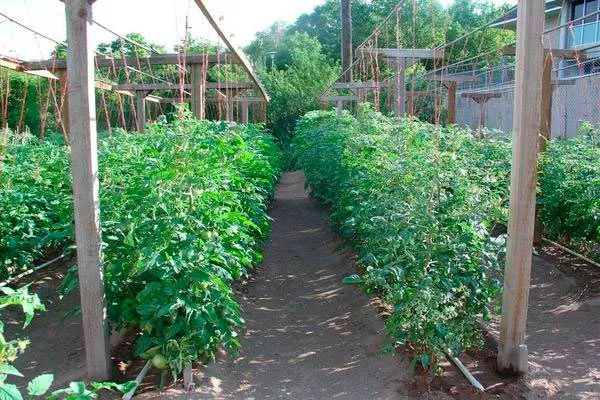
Carry out this procedure weekly, starting with the appearance of the first inflorescence. Regularly pinch off the growing points and remove the ovaries that form in August, as they will not have time to ripen in temperate climates.
Stake the shoots once the plant reaches 20 cm in height. To ensure proper formation, leave 2-3 main stems.
How to collect tomato seeds
The time to obtain seedlings depends on the ripening time of the tomatoes. For Amethyst Precious, the optimal time is late August, as it is a mid-season variety, and its fruits ripen from mid-August to early September.
When collecting seeds, select vigorous and productive plants that will be used for further propagation. Select vegetables that best match the variety's characteristics—color, weight, and shape. It's best to collect seeds from the 2nd or 3rd level on the main stem, choosing the largest, most defect-free ones.
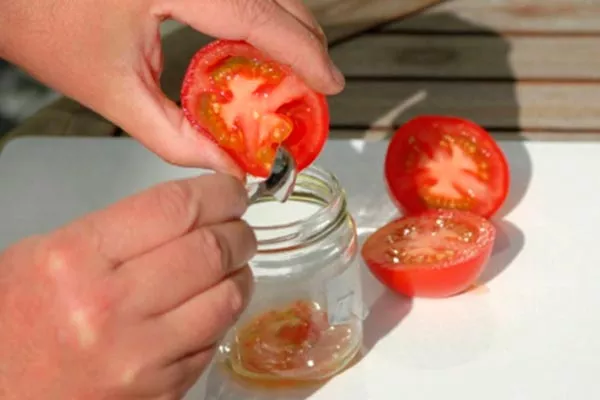
Step-by-step algorithm:
- Cut the selected tomato.
- Dry the grains and place them in a glass container with room-temperature water to ferment. This will help remove the placenta and bacteria.
- After 3 days, mold will appear on the surface, carefully remove it.
- Stir the mixture and remove any floating specimens - they are empty and unsuitable for planting.
- Rinse and dry the remaining seeds. They will produce healthy seedlings.
Store the seeds in paper or cloth bags in a dark, cool, and dry place until spring. Don't forget to mark the harvest date. High-quality seeds remain viable for up to 9 years.
Harvesting and storage
Harvest vegetables in dry, clear weather to avoid surface moisture, which could affect storage. Harvest carefully, being careful not to damage the stems or surrounding fruits. Use scissors or pruning shears to avoid damaging the plants.
Pick only fully ripe tomatoes. Also, pick slightly unripe ones, which will ripen indoors. Don't leave the fruit on the vine for too long, as they may become overripe and begin to rot.
Carefully inspect each fruit, removing any damaged or blemished ones. Store them in a dry, cool, and well-ventilated area. Wooden boxes or baskets with holes for air circulation are best. Store at a temperature of 10-15°C.
Diseases and pests of the variety
Amethyst gemstones are characterized by good resistance to diseases and insects and, in most cases, do not require preventative treatment. However, if the plants show signs of fungal diseases, treat them with fungicides:
- Bordeaux mixture 0.5%;
- Ordan;
- Topaz;
- Profit;
- Fitosporin.
Insecticides are effective against insect pests such as aphids and Colorado potato beetles:
- Aktara;
- Decis;
- Confidor;
- Karate;
- Biotlin.
Alternatively, use folk remedies, such as spraying with a 1% solution of baking soda, ammonia, soap shavings, garlic infusion, or onion peel infusion. Perform all treatments in the evening, on a clear, windless day.
Pros and cons
Before planting seedlings, carefully consider the advantages and disadvantages of the crop to avoid any difficulties later. Amethyst Jewel has many advantages:
The variety does have some drawbacks. It requires specific growing conditions. The bushes are sensitive to temperature fluctuations, drought, high humidity, and low temperatures.
Reviews
The Amethyst Treasure tomato is an excellent choice for those who value not only good taste but also ease of care. Its disease resistance, good productivity, and attractive appearance make it the best option for both experienced and novice gardeners. Proper and timely care are the key to abundant harvests throughout the season.