
Scarlet Mustang is a variety that has gained popularity due to its high hardiness and excellent yield. The tomatoes are elongated, pepper-shaped, red, and delightfully sweet. They thrive in greenhouses and open garden beds, but require proper care and proper agricultural practices.
Description of the bush and fruits
The indeterminate racemose variety has good growth potential, reaching 150-180 cm in height, but by the end of the season usually remains within 130-140 cm.
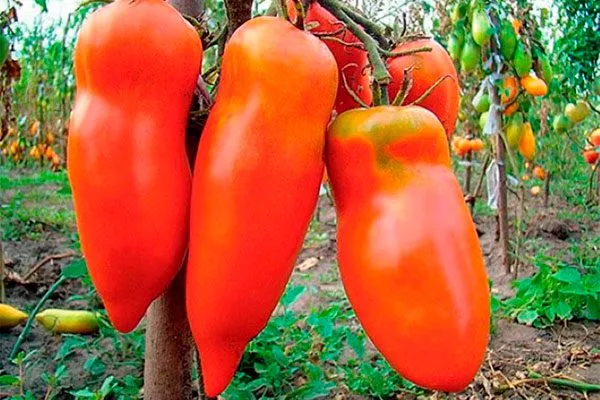
Distinctive features:
- The foliage is sparse, the stems are dense but not too strong. The clusters form 7-8 fruits.
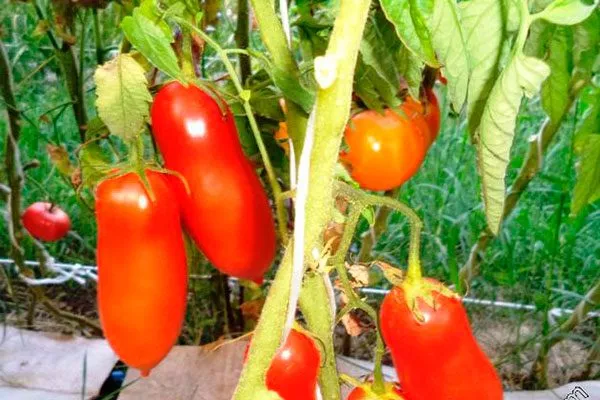
- The tomatoes are medium-sized, weighing around 95g, but can reach up to 200g. They have an elongated cylindrical shape with a characteristic narrowing at the top and a sharp tip – reminiscent of heavy peppers.
- The length of the vegetables reaches 20 cm. The skin is elastic, shiny and strong, a rich raspberry-red hue, which makes the fruits pleasant to the touch.
- The flesh is dense, and the tomatoes are firm and elastic. The seed chambers are narrow, elongated, and contain three.
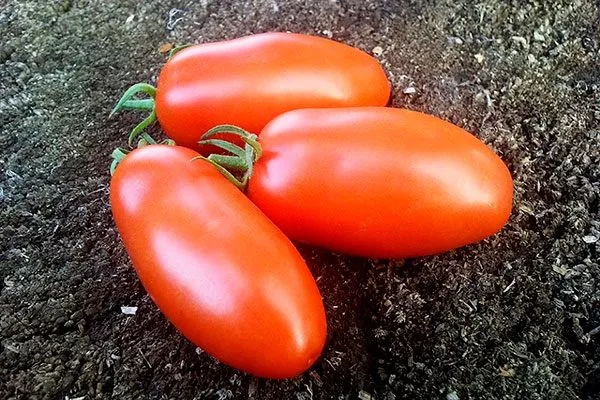
The size of the fruits may vary slightly, so this variety does not guarantee a perfectly uniform size. However, the unique shape and vibrant skin color of the fruit make it an attractive marketable fruit, and the clusters are striking.
Characteristics of the Scarlet Mustang tomato variety
Pepper-shaped tomatoes have fleshy, small-seeded, sweetish flesh. They are easy to preserve and transport well. Scarlet Mustang is one such variety and has many positive qualities.
Necessary climatic conditions
This cultivar lives up to its name—it's a resilient and adaptable variety. It can produce fruit successfully even in the short and changeable Siberian summer if planted outdoors in early June.
During cultivation, it is important to adhere to standard requirements for tomatoes: the optimal temperature is +22...25°C; at temperatures above +30°C, growth slows down, and at temperatures down to +12...14°C, the plants experience stress.
Growing regions and origin
This variety was developed by breeders V. N. Dederko and O. V. Postnikova, who hold the patent. Since the breeders reside in the Novosibirsk region, the tomato was originally adapted for cultivation in Siberian conditions. In 2014, it was included in the Russian Register of Breeding Achievements.
The plants are successfully cultivated throughout the country. They produce well in the south and show good results in Siberia and the Urals. The main thing is to maintain the correct temperature and avoid planting seedlings in unheated soil.
Ripening period, yield, resistance to diseases and pests
Scarlet Mustang's fruits ripen mid-early, 115-120 days after mass germination. Productivity is 8-10 kg per square meter, with a single bush yielding approximately 3.3 kg. The yield of marketable fruits is very high, reaching 97.3%.
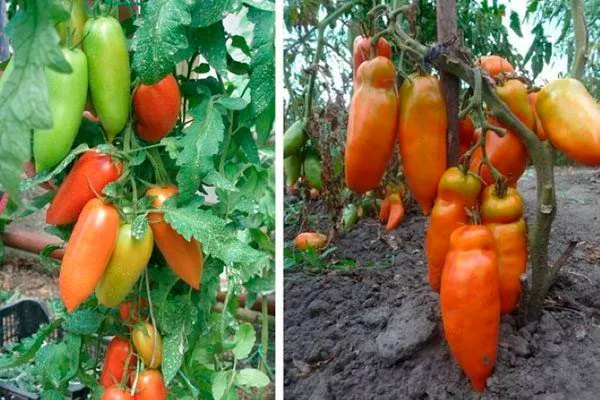
The variety has a strong immune system—plants are virtually immune to infections. In cold summers, they can suffer from blossom-end rot, but not more severely than other tomatoes. Moreover, the crop demonstrates exceptional resistance to late blight.
Purpose and application
Tomatoes have incredibly dense flesh and tough skin, making them ideal for canning. They retain their original shape completely in jars and don't crack, and their meaty, firm texture imparts a distinctive flavor to marinades and pickles.
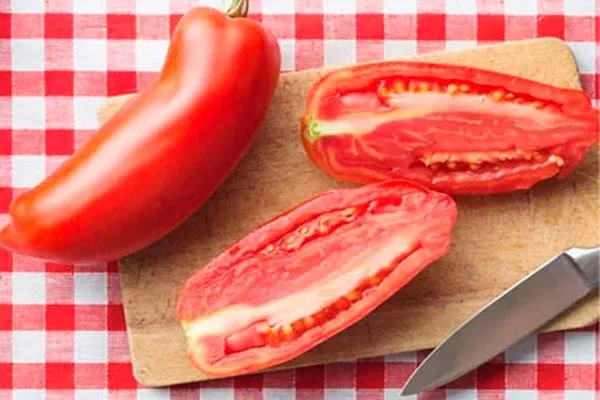
Thanks to their thick skin, the fruits can be stored in cool conditions for several months without losing their appearance or flavor. However, not everyone likes them as a salad ingredient, as they are a bit tough. Their firm flesh makes them ideal for drying and curing, but they are not suitable for juicing.
Planting the Scarlet Mustang tomato variety
This crop is often grown commercially due to its high yield, low maintenance, and excellent marketability. However, it is also popular in private farms, especially when growing vegetables suitable for canning.
Sowing seeds and growing seedlings
Scarlet Mustang is characterized by a long germination period. The optimal planting time varies by region, but seedlings should be at least 2.5 months old by the time they are planted. This allows for the first harvest to be harvested within 60 days of transplanting.
- ✓ Optimal seed planting depth: 1.5 cm, which ensures sufficient access of oxygen and moisture.
- ✓ Seed germination temperature: +22…25°C, at lower temperatures germination is significantly reduced.
Please adhere to the requirements:
- Purchased seeds don't require disinfectant treatment, as they undergo pre-sale preparation. However, to speed up germination, wrap them in damp cheesecloth for 24 hours.
- To sow, fill a larger container with nutrient-rich soil, make furrows 1.5 cm deep, place the seeds, and cover them with soil. Then, moisten the soil with a spray bottle, cover the container with plastic wrap, and place it in a warm, dark place.
- When the first sprouts appear, remove the covering and move the seedlings to a cooler, but well-lit area. This will help strengthen the plants' immune system.
When the first true leaves appear, transplant. Because this variety has a strong root system, use deep containers. Another transplant to a larger container may be necessary before planting. Move the plants with the root ball to avoid damaging the roots.
Planting in the ground
Prepare the beds in advance: dig the soil and add organic or complex mineral fertilizers. If the soil is heavy, add sand to improve drainage. Pour boiling water over the soil to disinfect. Plant the seedlings when they are 75 days old. Place no more than 4 plants per square meter.
Helpful tips:
- Choose a sunny location with good ventilation.
- Make sure the soil is neutral or slightly acidic (pH 6-7).
- Seven to 10 days before planting, begin hardening off the seedlings (expose them to fresh air for a few hours, gradually increasing the time spent outdoors). This will help the plants adapt to outdoor conditions.
- Prepare holes for the seedlings. The distance between bushes should be 40-50 cm.
- Before planting, thoroughly water the seedlings. Add a little water to the holes to help them establish.
- Carefully remove the seedlings from the container, being careful not to damage the roots. Place them in the holes, fill with soil, and compact them lightly.
Water the bushes to settle the soil well. Mulch the beds with straw or peat to retain moisture and reduce weeds.
Growing technology
The Scarlet Mustang is a high-yielding variety, but the volume and quality of the tomatoes depend on proper care during flowering and fruiting. It's important to follow basic agricultural practices after planting the seedlings.
Watering
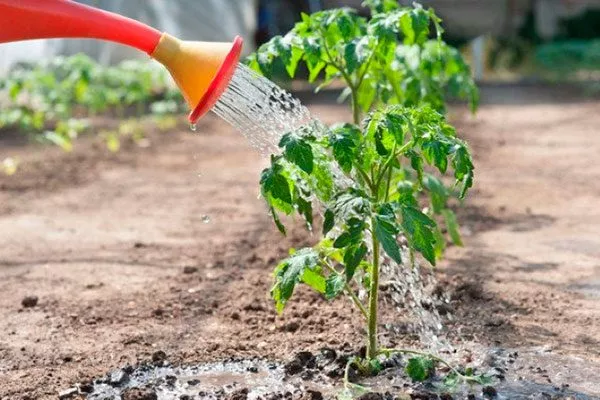
Water the seedlings early in the morning or after sunset. This is important to prevent the water from evaporating too quickly under the sun's rays, and to prevent droplets from burning the leaves. The frequency of watering depends on the climate and growing location.
Tips from experienced gardeners:
- In hot weather, water the bushes daily in the morning and, if necessary, in the evening. In a greenhouse, ensure watering only in the evening to avoid excessive humidity during the day.
- In a temperate climate, applying water to the roots every other day, about three times a week, is sufficient. If the nighttime temperature drops significantly, avoid this evening application.
- When the bushes begin to actively grow and form fruits, reduce the frequency, but increase the volume.
Avoid getting wet on the leaves to prevent burns and fungal growth in the greenhouse. Water temperature should be around 20°C for optimal absorption by plants.
Loosening and weeding
Loosen the soil around the bushes and approximately 50 cm away from them at least once every 14 days. The Scarlet Mustang tomato's roots are large and powerful, extending both wide and deep, so it's important to ensure good aeration.
Additionally, weed twice a week. Weeds compete with the crop for moisture and nutrients, which can negatively impact the quality of the vegetables. Be careful not to damage the roots, as they can continue to grow and choke the tomatoes.
Top dressing
A successful harvest depends directly on timely nutrition. Apply fertilizer from the moment the seedlings are planted until the end of the season. Feed with nutrients every 10 days, although when growing in fertile soil, two applications throughout the growing season are sufficient.
Follow the pattern:
- 2 weeks after planting the seedlings – a solution of mullein, bird droppings or ammonium nitrate diluted in water;
- 14 days after the first feeding – Superphosphate or wood ash infusion – 200 g per 10 l of water;
- at the stage of flowering and fruit setting of tomatoes – a mixture of complex fertilizer containing phosphorus and potassium;
- during the period of active fruiting – organic matter (herbal or manure infusion) or phosphorus-potassium substances.
- Two weeks after planting the seedlings, add a solution of mullein (1:10) or bird droppings (1:15) to stimulate growth.
- During the flowering period, use phosphorus-potassium fertilizers (for example, superphosphate) to improve fruit set.
- During fruiting, apply potassium fertilizers to improve the taste and quality of the fruit.
Properly managed cultivation improves quality and increases yield, helping plants better resist diseases and pests. This variety responds well to nitrogen-containing fertilizers, such as urea.
Thinning
Regularly remove side shoots—suckers that appear in the axils between the trunk and the main branch. They don't produce fruit, but they draw water and nutrients, which affects the appearance of the vegetables.
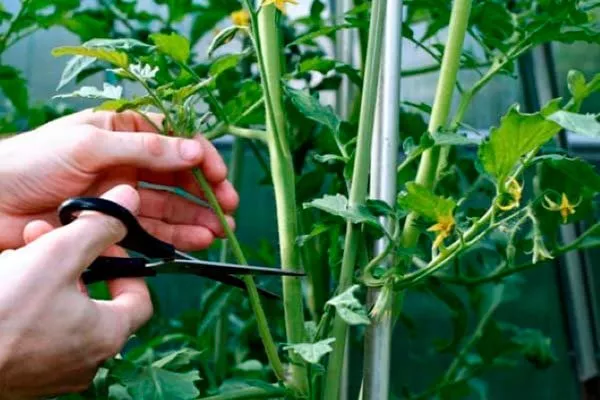
Perform this procedure before fruit set, as side shoots reduce fruit production. Schedule the procedure for the evening to minimize stress on the plant.
Bush formation
Scarlet Mustang tomato plants can grow up to 2 meters tall, so to prevent the stems from sagging or breaking under the weight of the fruit, tie them up. Install the supports before planting to avoid damaging the roots.
When the bush reaches 50 cm in height, carefully secure it to the support with rope or fabric. Repeat this process as the plant grows. If the branch is leaning heavily due to the large number of tomatoes, place an additional stake nearby to prevent mechanical damage.
Pollination
During flowering, shake the bushes every 3-5 days or use ovary stimulants. If the plants are grown in a greenhouse, ventilate the room regularly, especially in hot weather, to avoid overheating and oxygen deficiency and to reduce humidity.
Tips for harvesting and storing crops
The Scarlet Mustang begins producing ripe tomatoes around mid-July and continues until September (the timing varies by region). Harvest ripe tomatoes every 3-5 days.
Follow these recommendations:
- A month before the end of fruiting, trim the tops of the bushes and remove the lower leaves so that the last specimens are large and tasty.
- To store fresh, arrange the fruit in a single layer in a wooden box with soft straw on the bottom. Store in a well-ventilated area at a temperature of 4 to 10°C.
- Check for damage every 2-3 days - remove spoiled vegetables and those that were nearby.
Green tomatoes can be used for preserves. They can also be ripened in a warm bowl.
Pest and disease control, prevention
The culture is characterized by strong immunity. But for additional protection, follow these preventative measures:
- Monitor the humidity level in the greenhouse, as excessive moisture promotes fruit rot and pest infestation. Regular ventilation, especially in hot weather, will help prevent these problems.
- Avoid planting Scarlet Mustang near other nightshades (eggplant, pepper, potato), as this increases the risk of infection.
- To combat fungal diseases, treat the bushes with copper sulfate or Bordeaux mixture.
- To protect against parasites, use insecticides.
- Periodically fertilize the soil with ash, which not only nourishes the plants, but also prevents the development of diseases and insect attacks.
- If mold appears on the leaves, remove it with a mixture of manganese or potassium oxychloride.
- A soap solution helps to destroy aphids and whiteflies.
- Spider mites are afraid of rubbing alcohol.
- To prevent slugs from appearing, check your bushes regularly and remove any pests by hand.
- Mustard planted next to the crop or watering the soil with a mustard mixture will help get rid of wireworms.
After harvesting, carefully dig up the soil to get rid of insects and their larvae, and remove the roots of weeds.
Although the Scarlet Mustang variety is disease-resistant, it can be susceptible to late blight, a fungal infection that first attacks the foliage and then the fruit. At the first sign of late blight, follow these steps:
- Remove all infected leaves and shoots and burn them.
- Remove damaged tomatoes and nearby ones.
- Water the plants only at the roots until the blight is completely eliminated.
- Treat the plantings and soil with antifungal agents, such as Hom or Fitosporin.
Home solutions are no less effective: saline (125 g of salt per 5 liters of water) or soda (100 g of soda, 70 ml of liquid soap per 5 liters of water).
Potential problems and difficulties
If not properly cared for or given enough, the Scarlet Mustang tomato will not reach its full potential. To ensure large fruits, train the bush promptly.
Gardeners often face some difficulties:
- The variety isn't susceptible to fasciation or cracking, and doesn't have serious problems with crown rot. However, one or two calcium supplements wouldn't hurt.
- To improve fruit set in unfavorable conditions, spray the plantings with boron or gently shake the flowering brushes.
- The crop is one of the last to become infected. Therefore, preventative treatments are essential, but it's best to use biological products.
Another point that's rarely mentioned but is important: tomatoes of this variety don't hold their stems very well. The fruits won't necessarily fall off, but plant the vines so that the trusses aren't damaged. Maintain the recommended planting density of 3 plants per square meter.
Pros and cons
Before growing a crop, be sure to familiarize yourself with its characteristics, advantages and disadvantages to avoid possible difficulties.
Similar varieties
| Name | Bush height | Fruit shape | Fruit color |
|---|---|---|---|
| Scarlet Mustang | 130-180 cm | Pepper-shaped | Red |
| Uncle Styopa | 150-180 cm | Pepper-shaped | Red |
| De Barao is a giant | More than 2 m | Plum-shaped | Red |
| Prince | 180-200 cm | Rounded | Red |
There are numerous tomato varieties with characteristics similar to the Scarlet Mustang. The main variations are:
- Uncle Styopa. Under favorable conditions, the bushes reach 1.5-1.8 m in height, and in greenhouses they can grow up to 2 m. It belongs to the large-fruited varieties: weight varies from 180 to 300 g. The tomatoes have an elongated, pepper-shaped form with a pointed tip, their length is 15-20 cm.
They are light green when ripe, and turn a deep red when fully ripe. This is a mid-early variety, with a growing season of 110-115 days. The yield is high – 5-8 kg per bush. - De Barao is a giant. This variety is suitable for both open-field and plastic greenhouse cultivation. It is an indeterminate variety, reaching a height of over 2 m and characterized by extensive branching. The tomatoes are large and fleshy, weighing between 150 and 300 g.
The tomatoes have an elongated, plum-shaped form, possibly with a pointed tip. The skin is bright red, with a greenish ring at the base of the stalk. When planted early in a greenhouse, the tomatoes reach technical maturity by the end of July, approximately 125 days after planting. Under proper conditions, a single bush can yield up to 7 kg of large, tasty tomatoes. - Prince. The plant reaches a height of 180-200 cm and has medium-sized, dark green leaves. Unripe fruits are light green, turning a rich red when ripe. The tomatoes are round, weighing 120-150 g.
This variety is mid-season, ripening in 110-115 days. Yields are high – approximately 10.3 kg per square meter.
Reviews
Scarlet Mustang is a reliable and versatile variety with bright, large fruits that retain their marketable appearance for a long time thanks to their thick skin. Considered one of the best varieties, it's a favorite among beginners and gardeners who value good productivity and resilience to adverse conditions.