
The Scarlet Frigate tomato (Alyy Fregat F1) is a hybrid variety characterized by increased productivity, sweet flavor, disease resistance, and a number of advantages over other tomato varieties. However, achieving impressive results requires special growing conditions and careful attention to the plants.
Description of the variety and plant
The Scarlet Frigate tomato variety is the result of hybridization by European breeders, combining the best traits of several varieties. It was registered in the Russian State Register in 2012 and is recommended for cultivation outdoors or under protective structures in areas with unstable weather.
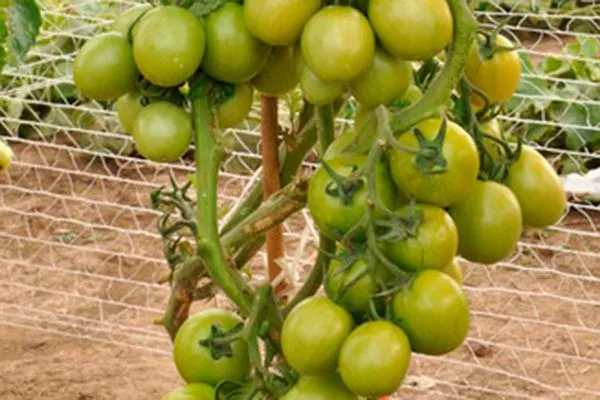
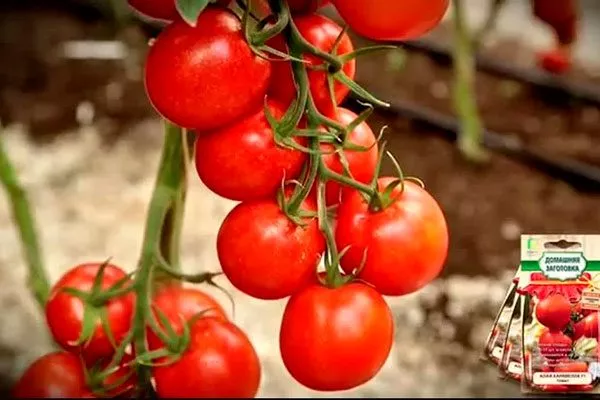
The Scarlet Frigate F1 impresses not only with its taste but also with the appearance of its harvest. The bush produces up to 7-8 full tomatoes on a single cluster. The tomatoes, growing on the vines, ripen simultaneously.
The variety has no growth restrictions, making its bushes particularly vigorous and capable of growing up to 200 cm. Therefore, to ensure the bushes' stability, they require support and regular shaping.
Other varietal characteristics:
- The Scarlet Frigatebird stands out not only for its tall bushes but also for its deep root system, which penetrates more than 100 cm into the soil. This provides the plant with sufficient moisture even in drought conditions.
- The leaves are large, bright green in color and numerous, which is why the foliage is considered strong.
- The hybrid is also distinguished by its active generation of side shoots. To avoid nutrient deficiencies, it is necessary to regularly remove excess leaves and side shoots, which affects the size and taste of the tomatoes.
- The scarlet frigatebird is famous for its fertility due to the large number of ovaries formed every two leaves along the stem.
- The stalks are strong and provide secure support for the fruit until it is fully ripe.
Fruits, their taste and purpose
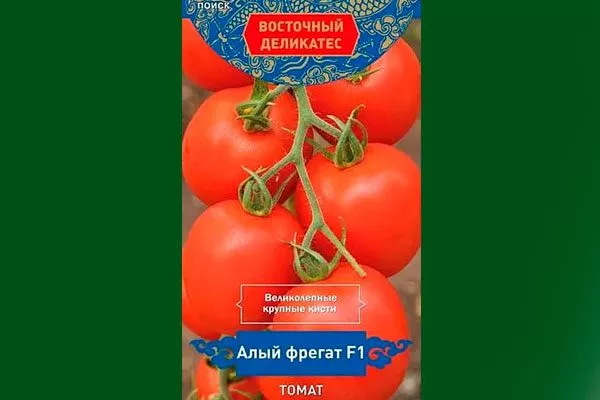
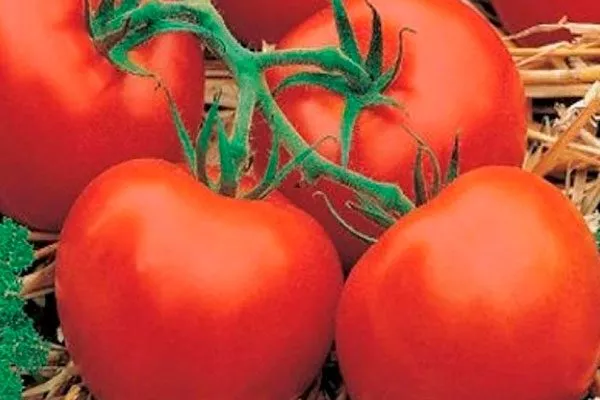
The tomatoes have a round, slightly elongated shape, as clearly shown in the photo. Each fruit weighs between 100 and 110 grams, which is quite impressive for an early-harvested tomato.
Please pay attention to other indicators:
- the color of tomatoes changes from light green to bright red as they ripen;
- The fruit's skin is resistant to tearing and has a certain firmness, which many tasters described as slightly tough;
- Inside you can find several small chambers with seeds;
- the bulk of the tomato consists of dense, but richly aromatic pulp;
- Its structure has a slight graininess.
These tomatoes are ideal for salads and canning. They retain their shape and quality even after long periods of transportation and storage. Juice from the Scarlet Frigate F1 variety is not possible due to its high dry matter content.
The hybrid is a source of nutrients due to its high micronutrient content. These include fiber, sugars, minerals, vitamins, carotene, lycopene, and various acids. It's important to note that these beneficial components are also preserved in canned and salted tomatoes.
Characteristics
Scarlet Frigate F1 is a hybrid indeterminate tomato characterized by competitive product quality. It is resistant to diseases, including cladosporiosis and tobacco mosaic virus. These tomatoes have a delicate, sweet flavor. However, there is one limitation: the plants must be grown only in a greenhouse.
Productivity and fruiting
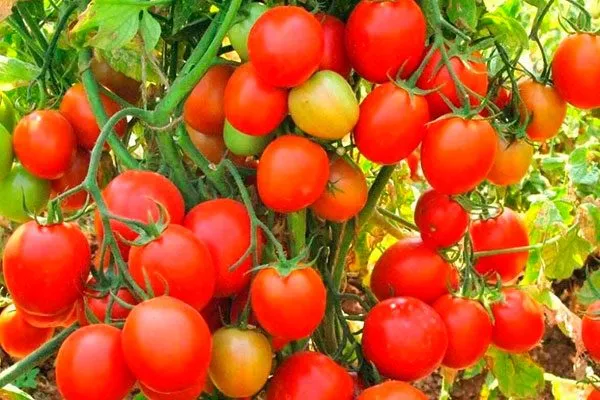
Scarlet Frigate F1 tomatoes reach maturity simultaneously on each branch, starting 95-110 days after the first shoots emerge. Indeterminate varieties have a long fruiting period and can last until late autumn. In greenhouse cultivation, fruiting can end as late as mid-November.
Other indicators:
- This variety is heat-resistant and capable of producing fruit even in low temperatures. It is highly drought-resistant thanks to its robust root system, which independently obtains sufficient moisture even in hot weather.
- Productivity is determined by soil quality, growing conditions and adherence to care recommendations:
- from one bush you can collect up to 7 kg of fruit, and in some cases even more;
- with an average planting density of 3 bushes per 1 sq.m, the yield can reach 20 kg;
- In open ground this figure is usually lower.
- Tomatoes require minimal attention when growing and provide a consistently good harvest, but the yield may decrease if there is a lack of nutrients in the soil or due to improper care methods.
- The Scarlet Frigate F1 variety exhibits high adaptability to sudden environmental changes. It can withstand rapid temperature changes and prolonged heat, and also forms flower buds at lower temperatures.
Resistance to diseases and pests
During the breeding process, specialists gave the variety increased resistance to various diseases. This tomato is not susceptible to problems such as cladosporiosis, TMV, and fusarium wilt. However, the greatest threat to it is late blight.
At the same time, the Scarlet Frigatebird is not resistant to pests, so to control them, gardeners must use various methods of catching or insecticides.
To prevent the development of late blight, it is necessary to observe the following measures:
- Regularly cultivate and aerate the soil in the tomato beds;
- When transplanting plants into the ground, strictly follow the principles of crop rotation;
- do not compact the plantings, maintaining the established distance standards between bushes;
- prune only in dry and sunny weather;
- In case of sudden temperature fluctuations or prolonged precipitation, use effective folk methods of protection, such as treating leaves and fruits with iodine or saline solution;
- At the first signs of late blight, immediately begin treating tomatoes, using, for example, the effective remedy Fitosporin.
- Damaged leaves and fruits should be removed from the bush and destroyed by burning.
Tomatoes do not have natural protection against pests, so to ensure their safety, you will need to carefully mulch the trunk area and, if necessary, use a variety of insect traps.
Thus, the combination of genetic resistance in tomatoes with proper plant care and maintenance ensures a high-quality harvest, maintaining its health even in adverse conditions.
Growing rules
Many images feature impressive shots of large, delicious tomatoes adorning clusters. But achieving this result is not so easy for most gardeners: the tomatoes often turn out small or their quantity doesn't meet expectations.
Planting seedlings
Growing this variety is quite simple and requires little effort. By following all the instructions, you can expect an excellent harvest:
- To be sure that you will get the first fruits already in July, you should start sowing seeds in March.
- To do this, use a potting mix, which you can buy at specialty stores or create your own. The ideal substrate for tomatoes is a mixture of compost, sand, and soil. To enrich the plants with calcium, it is recommended to add chalk or crushed eggshells.
- The prepared substrate is thoroughly mixed and filled into the container. Tomatoes can be grown in either large communal containers or individual cups.
- After this, pour a hot solution of potassium permanganate over the soil.
- Purchased planting material is already treated with protective substances and does not require additional soaking before sowing.
- Planting of seeds occurs in the standard way, after which the seedlings are covered with film and placed in a warm place.
- When the first shoots appear, the cover is removed, and the containers with seedlings are moved to a place with sufficient sunlight.
- The main aspect of caring for seedlings is regular watering, which is carried out depending on the soil's moisture needs.
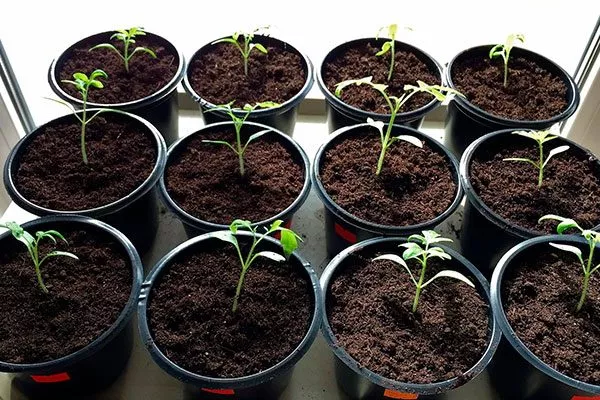
When growing seedlings in shared containers, transplant them. This is the process of transplanting plants after they have developed two or three leaves. Transplanting can be done either into individual containers or into a larger shared container, but ensure there is at least 10-15 cm of space between plants.
Tomato transplant
Transplanting seedlings to their permanent location occurs between May 1 and 10, when daytime temperatures stabilize at 15°C. If you're growing Scarlet Frigate in a greenhouse, the process can begin earlier.
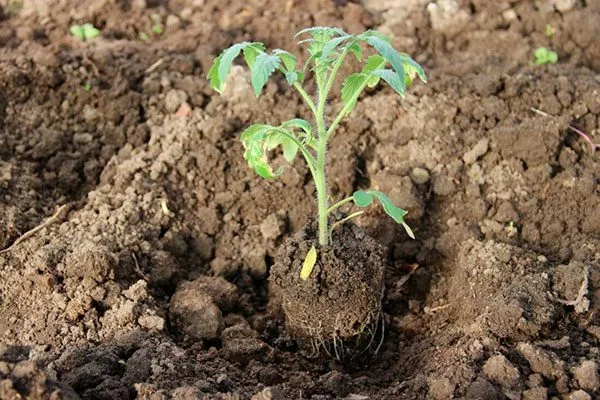
This variety is characterized by tall, branched bushes that require adequate space to develop. It is recommended to plant no more than three plants per square meter. Planting too closely may result in thinning of the bushes and reduced fruiting capacity.
When growing outdoors, the best option is areas where cabbage, zucchini or carrots were previously grown.
Aftercare of tomatoes
The scarlet frigate plant is easy to care for. The basic rules for its successful cultivation include:
- constant watering of the soil as soon as it begins to dry out;
- enriching the soil with oxygen through frequent loosening;
- removing weeds to prevent them from competing with tomatoes;
- supporting bushes on supports to prevent them from falling;
- optimal plant nutrition with fertilizers that should be applied during watering (both mineral and organic compounds are applicable).
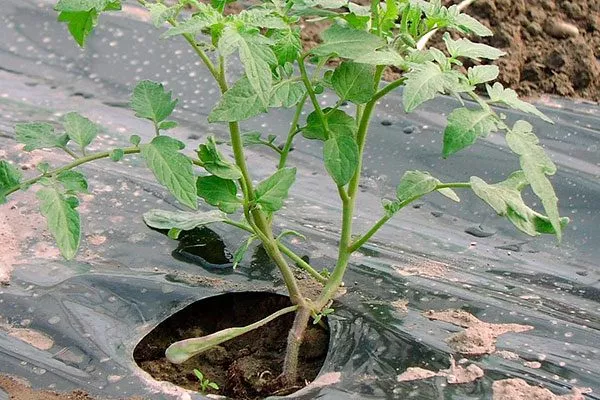
The key aspect is the method of side shoot removal. This variety produces very tall and branched shoots. To ensure a good harvest, it is necessary to remove excess side shoots. Typically, two main stems are left.
Pros and cons
After carefully reviewing reviews from agricultural experts, we can confidently say that the Scarlet Frigate F1 tomato deserves high praise. This variety offers numerous advantages:
However, many farmers consider these shortcomings to be insignificant and continue to grow the Scarlet Frigate F1 tomato variety in their fields every season.
Reviews
The Scarlet Frigate tomato is suitable for cultivation in any area where greenhouse conditions are available, but in the south of our country, it is transplanted into open beds. This hybrid variety was created relatively recently, but has already won the hearts of gardeners thanks to its increased yield and ease of care.