
Alyoshka tomatoes attract gardeners with their round shape and medium size—they're ideal for whole-fruit canning and other winter preparations. This variety is suitable for both greenhouse and open-field cultivation. It resists numerous tomato diseases, tolerates short-term drought, and delivers a bountiful harvest.
Description of the bush and fruits
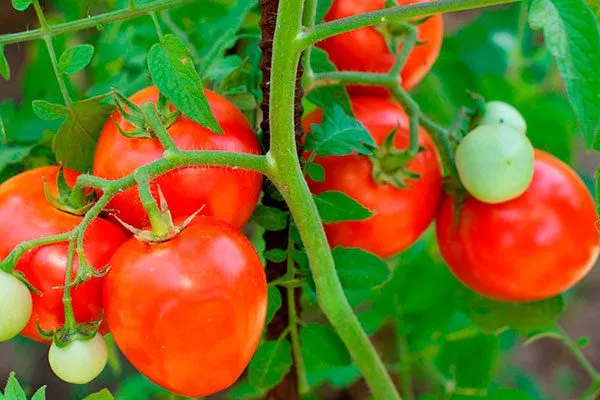
This hybrid was developed by specialists at Agrofirm Aelita LLC. Registered in 2010, it is a determinate variety, resulting in compact bushes growing to a height of 1.1-1.2 m. The plant has large, rich, dark green foliage.
Distinguishing characteristics:
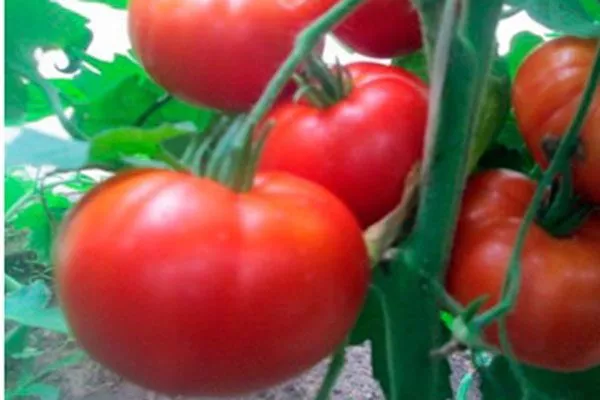
- The tomatoes are round in shape.
- The weight of vegetables varies from 100 to 130 g.
- When ripe, the fruits acquire a bright red color, while unripe specimens are colored light green.
- Each tomato contains 4-6 seed chambers.
- The pulp is fleshy, medium density, with a distinct aroma.
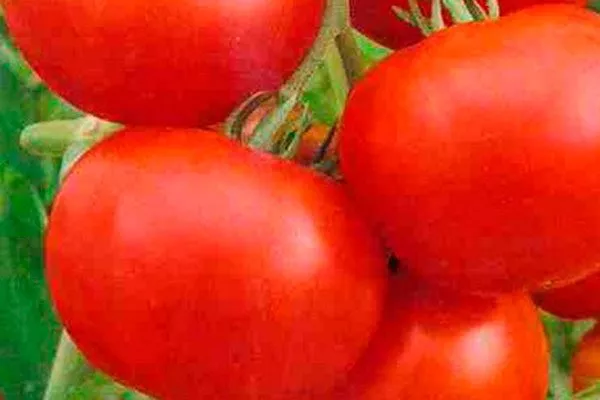
Alyoshka tomatoes are characterized by excellent taste. Their smooth skin makes them suitable for fresh eating, pickling, and canning, including whole-fruit canning.
Main characteristics
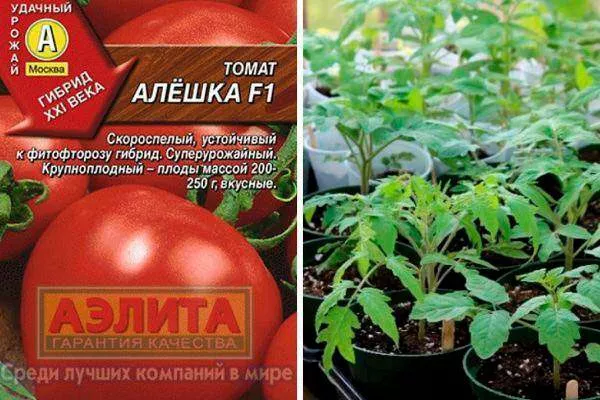
This is an early-ripening variety—the vegetables ripen on average 90-95 days after germination. Characteristics of the cultivar:
- The hybrid is successfully grown in garden plots and on a commercial scale.
- Its popularity is due to its high yield (14-16 kg per 1 sq. m), excellent taste of the fruit and high level of transportability, which makes it attractive for both farmers and buyers.
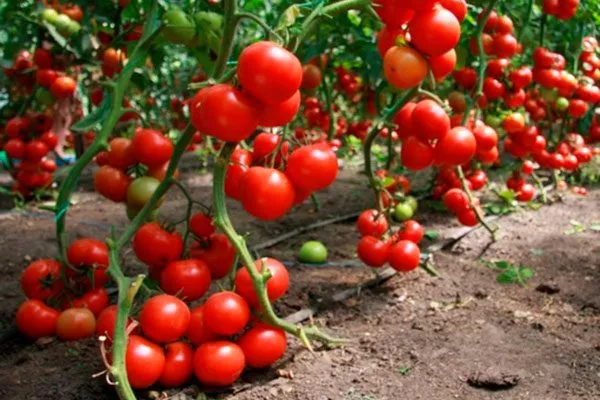
The variety is resistant to major diseases. It has high resistance to fungal and bacterial infections, including Alternaria and Fusarium wilt. The crop is also resistant to tobacco mosaic virus (TMV).
Where and how to plant?
The Alyoshka tomato is a versatile variety with compact bushes and excellent productivity, making it an ideal choice for gardeners. To ensure a bountiful harvest, it's important to properly manage the planting and care process.
Planting and sowing rules
To ensure successful cultivation, prepare your seedlings in advance. Follow these recommendations:
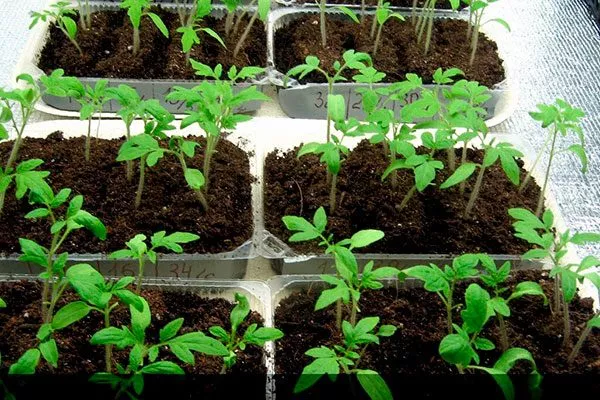
- Plant the seeds 55-60 days before transplanting into the ground. Before sowing, disinfect the seeds with a weak solution of potassium permanganate, then rinse with clean water.
- Place the seeds in a nutrient-rich substrate consisting of garden soil, peat, and sand in a 2:1:1 ratio. Plant them 1-1.5 cm deep, cover with loose soil, and spray with warm water.
- Cover the containers with film to create a greenhouse effect and place them in a well-lit place with a temperature of +22-25°C.
- After the seedlings appear, remove the film and reduce the temperature to +18-20°C to prevent the plants from stretching.
Transplantation into the ground
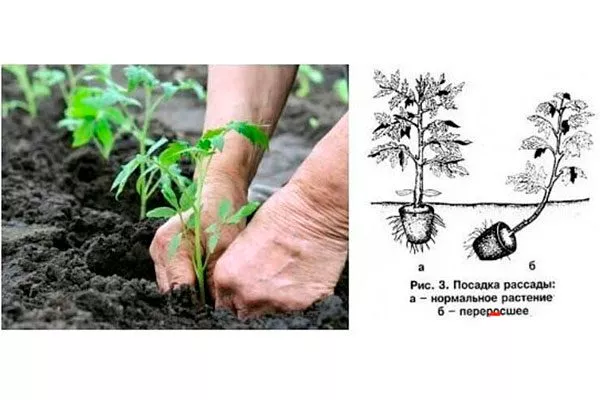
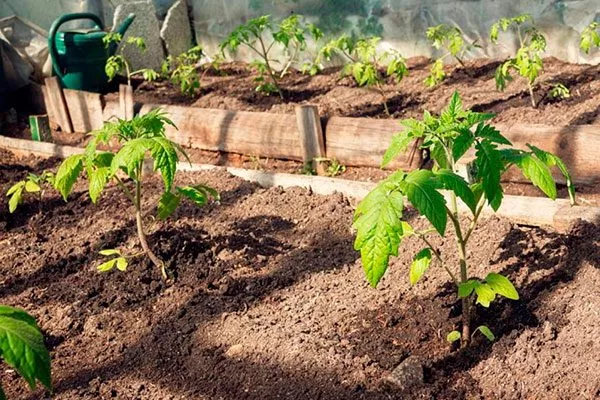
Transplant the seedlings to their permanent location when they reach a height of 20-25 cm and the soil warms to 15°C. This should be done in late May or early June, depending on your region.
Follow these steps:
- Before replanting, dig up the area, remove weeds and add organic fertilizers – humus or compost.
- Dig holes measuring 50x40 cm to give the bushes room to grow. Add a handful of wood ash to each hole.
- Plant seedlings with a lump of earth to avoid damaging the root system.
- After planting, water the plant generously with warm water.
Post-transplant care
To ensure a bountiful harvest, care for the seedlings after transplanting them to the garden beds. Follow standard agricultural practices:
- Watering. Water the bushes moderately, avoiding overwatering. The water should be warm. Pour it under the roots early in the morning or evening.
- Top dressing. 10-14 days after repotting, apply a complex fertilizer or organic matter (mullein infusion, bird droppings). Repeat fertilizing every 2-3 weeks.
- Soil care. After each watering, loosen the soil to allow air to reach the roots. Remove weeds at the same time. To retain moisture, mulch the beds with straw or peat.
- Formation. To increase yield, remove side shoots, leaving 2-3 main stems. Trim off the lower leaves.
If you follow all the recommendations, the Alyoshka tomato will delight you with tasty and juicy tomatoes in just a few months.
Diseases, pests
Tomatoes' strong immunity doesn't eliminate the need for care. Some diseases and insects can seriously damage plants, so it's important to take preventative measures and combat these threats in a timely manner:
- Late blight. To prevent this disease, use Bordeaux mixture. Ensure good ventilation of the plantings and regularly loosen the soil.
- Colorado beetle. The pest attacks not only potatoes and eggplants but also tomatoes, feeding on their leaves and fruits. To control the beetle, spray the crops with special products or collect the insects by hand. Destroy the larvae along with the infested leaves.
- Whitefly. The insect damages leaves, causing significant damage to plants. To get rid of the pest, sprinkle the bushes with tobacco dust or wood ash, or use commercially available treatments.
- Aphid. The parasite sucks the sap from leaves and young stems, weakening the plant. Control methods are similar to those used against whiteflies. Spraying plants with a solution of laundry soap is equally effective.
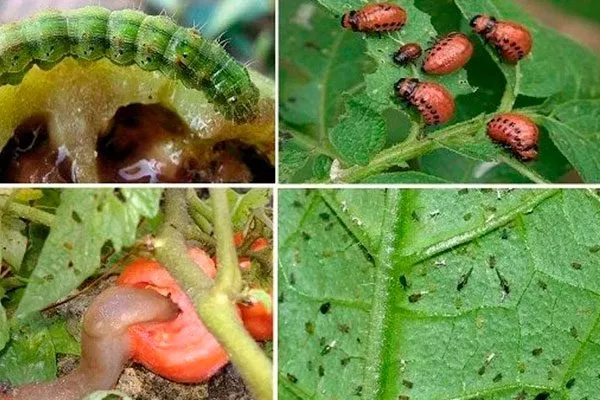
If a shrub is infected with a virus, saving it is virtually impossible. Remove the affected plants and treat the area where they were growing with a disinfectant solution to prevent the spread of infection.
Harvesting
Begin harvesting tomatoes when they reach the typical color for the variety—from light pink to deep red. Follow these basic rules:
- Pick vegetables in the morning, after the dew has melted.
- To avoid damage, carefully pick tomatoes with the stems attached.
- For long-term storage, select firm, slightly unripe specimens without damage. Store them in a cool place at a temperature of 8–12°C and a humidity of 80–85%.
- Place tomatoes in boxes or baskets with the stems facing up, sprinkling each layer with straw or paper.
Pros and cons
It's important to understand all the cultivar's characteristics to avoid potential difficulties during cultivation. Alyoshka has many advantages:
Among the negative qualities, gardeners note the need for regular removal of side shoots, sensitivity to over-watering, the need for good lighting for stable fruiting, and possible vulnerability to pests.
Reviews
The Alyoshka tomato combines early maturity, high yield, and disease resistance. Its compact plants thrive in any conditions, and the bright, juicy fruits are perfect for both salads and preserves. This variety deserves attention for its consistent characteristics and ease of care.