
Alyonka is an ultra-early variety with good productivity and high resistance to adverse conditions. These tomatoes are characterized by excellent flavor, disease resistance, and versatility. They thrive in both greenhouses and open fields, delighting with a stable and abundant harvest of delicious, meaty vegetables.
Description of the bush and fruits
This variety was developed by Russian breeders in the 21st century. This determinate hybrid quickly gained popularity among gardeners in our country.
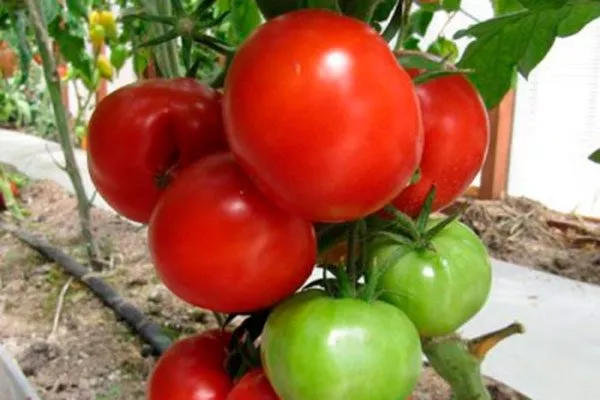
Characteristic features:
- Plant - Compact, with a strong stem capable of supporting a large number of tomatoes during the period of active fruiting and ripening. No support is required due to the low-growing nature of the bush.
- Root system – quite weak, which limits growth to 60-80 cm.
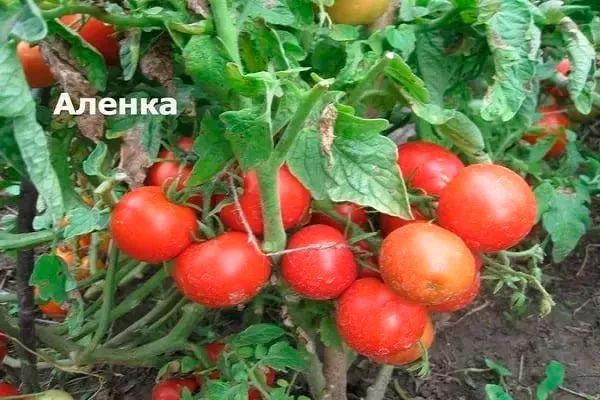
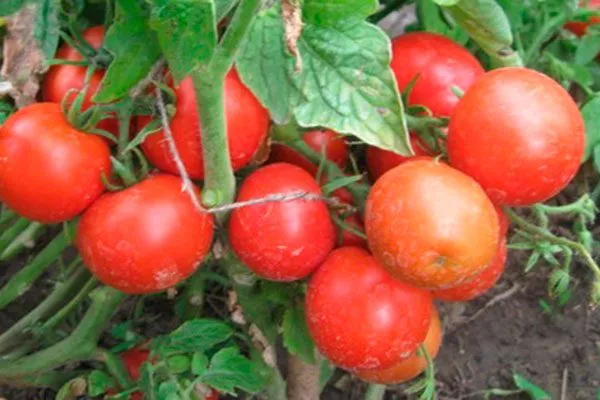
- Tomatoes - They have a regular round shape and are quite large in size, their weight varies from 200 to 250 g.
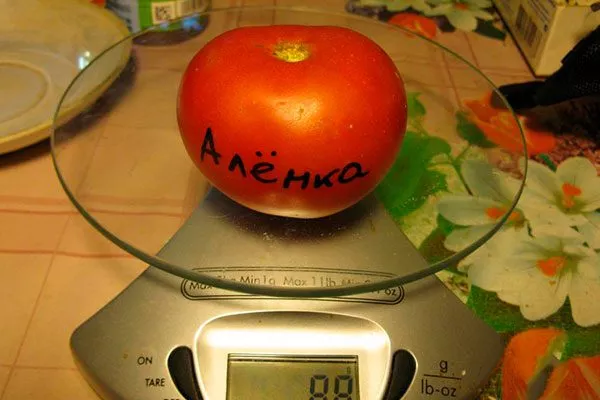
The vegetables are pink in color, and the skin is smooth and dense, preventing cracking. This makes them ideal for long-distance transportation without losing their flavor or appearance.
Main characteristics
Early-ripening tomato varieties are particularly popular among gardeners. The Alyonka hybrid stands out among them, gaining popularity thanks to its extremely early ripening, good productivity, and excellent flavor—rare qualities for early-ripening varieties.
Purpose and beneficial properties of the Alyonka tomato
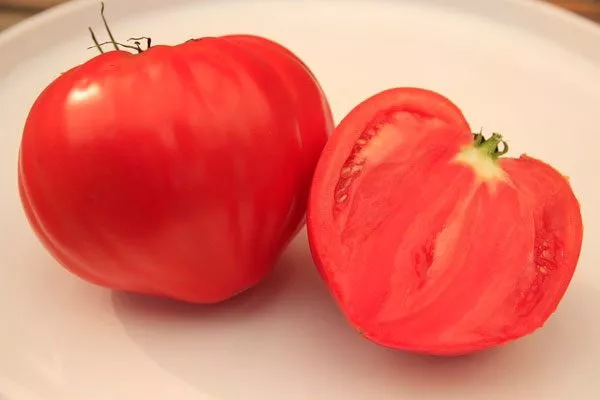
The crop's flavor is pronounced. The flesh is juicy and tender, with a pleasant sweetness when fully ripe. The fruits are rich in potassium, magnesium, iron, and zinc. The hybrid is versatile: suitable for fresh consumption, canning, salads, and juices.
Alyonka has a rich composition:
- beta-carotene, vitamins C and E – protect the body from harmful free radicals, reducing the risk of cardiovascular and oncological diseases;
- Vitamin C – helps fight infections and strengthens the immune system;
- fiber – promotes normal functioning of the gastrointestinal tract, improves food absorption and prevents constipation;
- calcium and vitamin K – make bones strong and serve as a preventative measure against osteoporosis.
Folic acid, potassium, and vitamin K lower cholesterol and strengthen the cardiovascular system. Regular consumption of tomatoes provides the body with beneficial nutrients. Include them in your diet along with other vegetables for a balanced diet.
Productivity, ripening time and growing regions
This is an ultra-early variety—you can harvest your first tomatoes in just 90-93 days, regardless of weather conditions. They ripen evenly and simultaneously. The fruits hold well on the plant and don't fall off.
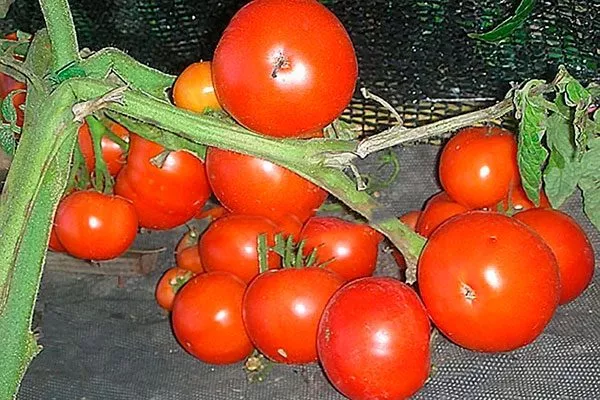
The hybrid is characterized by high yields. With proper agricultural practices, a single bush can yield up to 5 kg, and 13-15 kg per square meter. The crop is successfully grown in virtually all regions of Russia, including those with less favorable conditions.
Climate requirements, resistance to diseases and pests
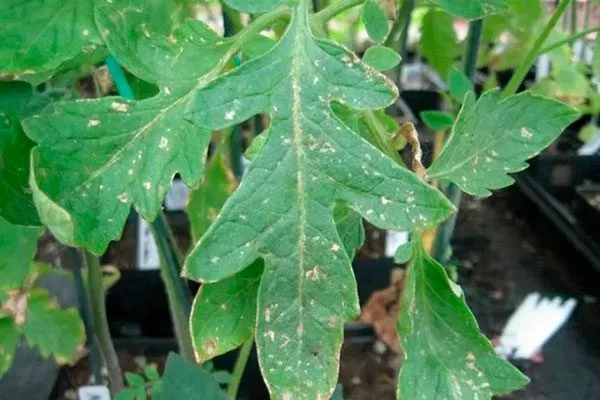
The bushes tolerate temperature fluctuations and prolonged hot periods without being burned by the scorching sun. The hybrid has strong immunity to most diseases. However, preventative treatments are recommended to protect against late blight, tobacco mosaic, and blossom-end rot.
Pests rarely attack plants, but in rare cases they may suffer from whiteflies, spider mites, aphids, and Colorado potato beetles. Use insecticides to control these insects.
How to grow seedlings?
Sowing is carried out two months before planting outdoors. It's important to obtain high-quality, strong seedlings that will thrive and bear fruit abundantly in the future.
Prepare the seeds, container and soil
Hybrid crop seeds cannot be harvested independently, so they must be purchased each time. The grower ensures the quality of the seeds by performing all necessary treatments. However, many gardeners prefer to additionally treat their seedlings.
Please meet the following requirements:
- Before sowing, soak the seeds in a pink solution of potassium permanganate for 20 minutes, then rinse thoroughly under running water. Store-bought seeds are usually already disinfected, but this procedure helps strengthen their immunity.
- To improve germination, soak the seeds in a growth stimulant for 10-11 hours. Use Kornevin or Zircon.
- Any container will do for sowing—a shared wooden box, plastic, or peat containers. Before use, treat them with a strong solution of potassium permanganate and be sure to make drainage holes to prevent excess moisture from accumulating, which can lead to fungal diseases.
- Prepare a mixture of garden soil, peat, and humus in equal proportions. Add river sand to improve looseness. Disinfect the prepared soil by dousing it with a hot solution of potassium permanganate or steaming it in the oven at 60°C for 10 minutes.
Distribute the disinfected soil into the planting containers, filling them 2/3 full.
Sowing and caring for seedlings
Growing tomatoes may seem like a daunting task, but learning all the basics will save you time.
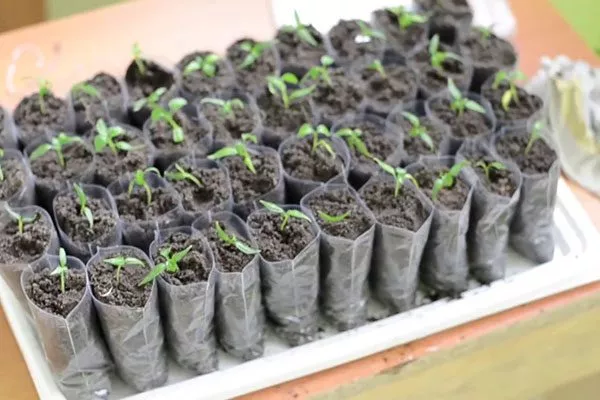
Start growing seedlings:
- Plant the seeds to a depth of 1.5 cm and cover with soil.
- Lightly compact the soil and water it with warm, settled water from a spray bottle.
- Cover the containers with film and leave them in a room at a temperature of at least +24°C.
- ✓ Optimum soil temperature for sowing seeds: not lower than +24°C.
- ✓ The need for additional lighting for seedlings when there is insufficient natural light: at least 13 hours of daylight.
Next, follow these recommendations:
- Once the seeds have sprouted, move the containers to a windowsill, providing the plants with good light. The daily light requirement should be at least 13 hours. If this is insufficient, install supplemental lighting.
- Moisten the seedlings with warm, settled water as the top layer of soil dries, using a shallow watering can to avoid damaging the sprouts. After watering, lightly loosen the soil to improve air circulation. Loosened soil facilitates oxygen delivery to the roots.
- When the seedlings have developed two true leaves, transplant them into individual containers. This will promote more vigorous growth. If you sowed the seeds in peat pots, transplanting is not necessary.
- After 2 weeks of moving, if plant growth slows, feed them with liquid tomato fertilizer.
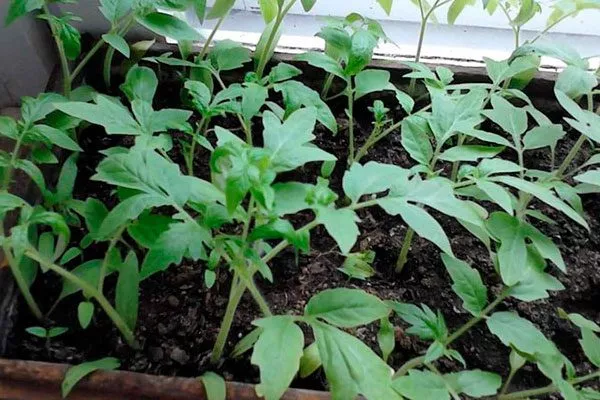
Ten days before planting outdoors, begin hardening the seedlings, acclimating them to outdoor conditions. To do this, expose them to temperatures of 16°C, starting with 60 minutes and gradually increasing the time to 10 hours. Emerald green leaves indicate good hardening.
- Ten days before transplanting, begin hardening off the seedlings, gradually increasing the time they spend outdoors.
- Before replanting, make sure that the night temperature does not drop below +16°C.
Transplantation into the ground
Prepare the area, dig it over, and add superphosphate to improve soil fertility. Then follow these guidelines:
- Make holes no more than 20 cm deep, put a little wood ash on the bottom of each and moisten them generously with water.
- Place 3-4 seedlings per square meter in a staggered pattern. This planting pattern provides the plants with sufficient light and good ventilation, preventing the development of fungal infections.
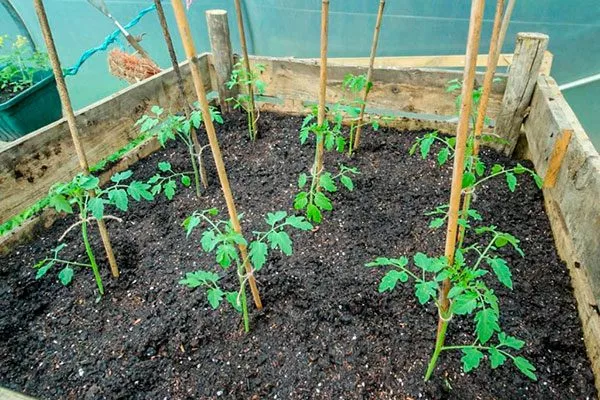
After planting, compact the holes slightly, water them and leave the tomatoes to adapt to the new location for 8-9 days.
Further cultivation
Water the seedlings late in the evening, after sunset, or early in the morning, when the sun's rays are not yet as intense. Use only warm water, which you can heat in a barrel placed in the sun.
Perform other care activities:
- After watering, loosen the soil and remove weeds, as they can become a source of pests and diseases.
- To retain moisture in the soil and prevent insects, mulch the beds.
- Fertilize three times per season: during flowering, when tomatoes are forming, and during fruiting. Tomatoes respond well to organic matter, such as mullein or bird droppings.
Diseases and pests
The hybrid is characterized by good resistance to fungal and viral infections, but for prevention, spray the bushes with fungicides or a weak solution of potassium permanganate. Do this immediately after transplanting the seedlings into the ground. Before planting, water the beds with copper sulfate.
Tips from experienced gardeners:
- In case of fungal infection, use Fitosporin or HOM.
- Seedlings can become diseased if other nightshade crops are grown nearby. In this case, treat all plants in the area with fungicides.
- If the bushes are attacked by pests (aphids, slugs, or Colorado potato beetles), use a soap solution to combat them, and carefully inspect the seedlings to prevent the spread of parasites.
Hand-collect Colorado potato beetles and their larvae. If there are large numbers of insects, use insecticides such as Prestige or Confidor.
Pros and cons
Before planting bushes on a plot, carefully study the advantages and disadvantages of the crop in order to avoid possible difficulties in the future.
The main advantages of the Alyonka tomato:
Among the disadvantages, gardeners note a poorly developed root system and the need for prevention of certain diseases of the nightshade family.
Reviews
Alyonka is a popular variety that will appeal to both experienced and novice gardeners. It's a favorite among gardeners who appreciate early ripening and excellent fruit quality. Its tolerance to climate change and disease resistance make it an ideal choice for regions with diverse conditions.