
The Alsu tomato variety, developed in Siberia but suitable for cultivation throughout Russia, impresses with its unique characteristics: it ripens quickly and produces a bountiful harvest. Its large fruits are renowned for their excellent flavor and are capable of flowering and fruiting even in conditions unfavorable for most varieties.
Historical facts
The history of this variety goes back to Siberia, where it was developed by Russian breeders specifically for farming in these climates. The initiators of its creation were scientists from Novosibirsk: V. N. Dederko and T. N. Postnikova.
Since 2008, the Alsu cultivar (non-hybrid form) has been officially registered in the State Register of Breeding Achievements of Russia, and its seeds are produced by the Siberian Garden agricultural firm.
This crop is ideal for gardening not only in cold and unstable climatic conditions, but also in warmer regions of the European part of the country, right up to the south.
External and characteristic features of the variety
This variety is suitable for both open-air and indoor cultivation, including plastic greenhouses and simple shelters. It is characterized by limited growth, a characteristic of determinate varieties.
Description of the plant
The bushes reach a height of approximately 80 cm in open ground and range from 100 to 150 cm indoors. This requires support and careful training to ensure maximum yield and fruit size.
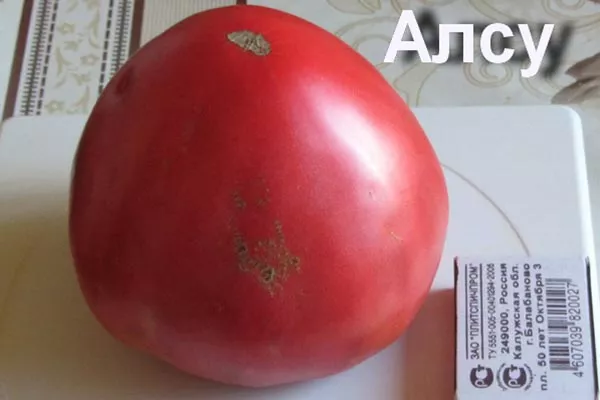
The bush is characterized as follows:
- The plant's leaves are covered with a light down, and the bushes are not particularly robust. They are green and prone to drooping.
- The trunk and branches of the Alsu tomato are thin and also have delicate hairs.
- The strength of this variety is especially evident in the fruit clusters.
- The inflorescences of the Alsu tomato are simple, but with age they acquire a rich yellow tone.
- An articulation can be observed on the peduncle.
- Fruit clusters with ovaries form on every two leaves. After 3-6 clusters have formed, the main stem's growth slows, and small, light-green leaf blades appear on the plant.
Fruits, their taste and purpose
Alsu tomatoes are large in size and have a refined flavor, making them ideal for freshly picked tomatoes and salads.
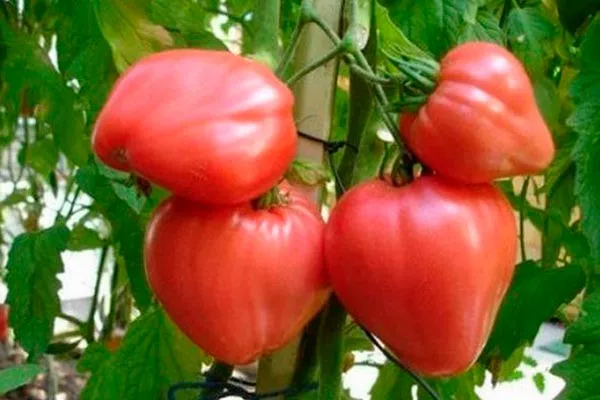
They're easy to make into flavorful juices and sauces, and they're perfect for canning with other vegetables. However, due to their bulk, these tomatoes aren't suitable for pickling whole in jars.
Features of Alsu tomatoes include:
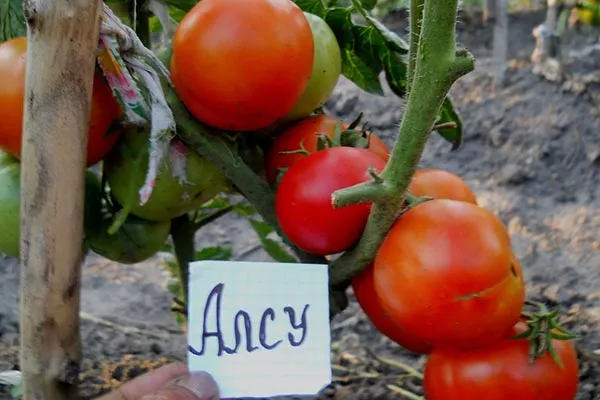
- smooth skin;
- slight ribbing in the area where it attaches to the stem;
- green color with a dark green spot at the point of attachment at first and an attractive red-pink hue later;
- dense, very juicy and fleshy pulp;
- dimensions are about 500 g, while individual specimens can weigh up to 800 g, and the dimensions decrease as they grow up the bush;
- six seed chambers containing a small number of seeds.
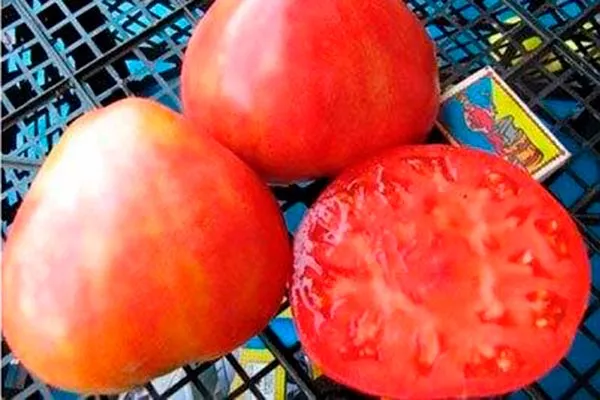
Characteristics of vegetables:
- have good transportability;
- are distinguished by their long shelf life;
- not devoid of sweet taste without any acidity;
- have average resistance to cracking;
- have an average dry matter content;
- rich in minerals and vitamins, particularly A and C;
- contain powerful antioxidants such as lycopene and vitamin E.
Weather resistance
This variety is characterized by high cold tolerance, allowing it to survive in conditions where other crops would perish. In a sunny location, protected by film or in a greenhouse sleeve, the bushes can withstand nighttime temperatures as low as +5 degrees Celsius.
The tomato has impeccable adaptation to dry periods, to sudden temperature fluctuations, and can easily withstand the heat in a greenhouse.
Ripening time and fruiting
Alsu is an early-ripening variety. Harvesting can begin 90-100 days after the first shoots emerge. Harvesting typically begins in June or July, depending on sowing time.
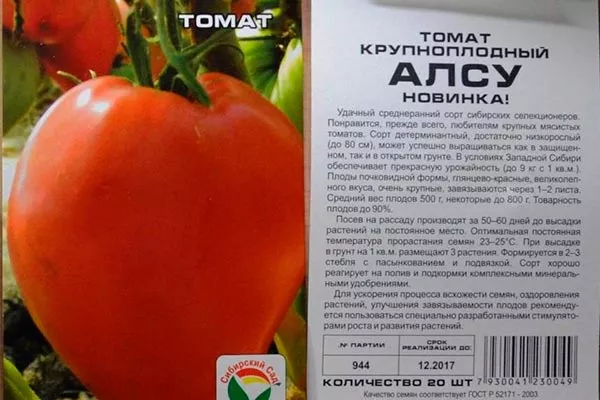
Expected harvest:
- The minimum rate is 7 kg per 1 sq. m;
- The average weight reaches 9 kg per 1 sq. m;
- The maximum possible is 12 kg per 1 sq. m;
- In practice, one bush can produce about 3-4 kg of fruit.
Preparing seedlings
The future productivity of tomatoes and the overall condition of the bushes depend on how correctly the seedlings are planted and grown.
Seed preparation
Before purchasing seeds from a retailer, check to see if they require pathogen treatment. If you're unsure of the quality of the seed producer, here are some steps to take:
- Select the defective and empty seeds from the mass by placing them in hot water. Any seeds that float are not suitable for planting.
- Disinfect the planting material. Immerse it in a potassium permanganate solution for 20-30 minutes.
- A few days before sowing, soak the seeds in warm water for 12 hours, changing the liquid every 4 hours.
- ✓ The optimal soil temperature for sowing seeds should not be below +15°C.
- ✓ To prevent diseases, it is necessary to ensure a distance of at least 50 cm between bushes.
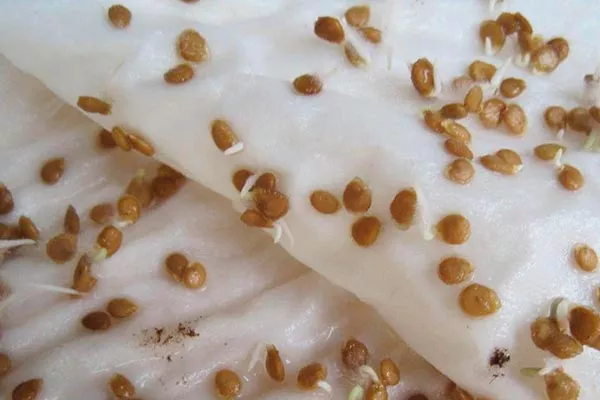
To stimulate growth, it is recommended to use the hardening method:
- Keep the seeds at room temperature during the day;
- Place them in the refrigerator overnight.
Make sure that the seeds are completely dry before doing this.
Containers and soil
The choice of suitable containers for growing seedlings is unlimited: you can use either specialized pots or simply cut-down plastic bottles. The only important thing is that they hold at least half a liter.
It's important to use soil that's free of pathogens. It should be loose and well-aerated.
Tomatoes especially need calcium in the soil, so regular supplementation is recommended. Calcium nitrate-based fertilizers are often used for this purpose.
Sowing seeds
Two months before transplanting the seedlings to their final location, it's time to begin sowing seeds. To ensure a high-quality harvest, it's crucial to carefully prepare both the seeds and the soil.
Peculiarities:
- In temperate climates, March is the ideal time for sowing. If you plan to continue growing tomatoes in a greenhouse, it's best to begin sowing in the first ten days of the month. If you're growing tomatoes outdoors, the second or third ten days of March are a good time to sow.
- The seeds must be covered with a layer of soil to a depth of 1.5 cm.
- The seedlings should be placed in a bright and warm place.
- The ideal temperature is 20-26°C, and the first green shoots will appear within five days.
Dive
When the young plants develop their first two leaves, it's time to move them to individual, larger containers. This process requires special care to avoid damaging the still-poor root system.
The acclimatization process
When the seedlings have 3-4 leaves, it's time to acclimate them to harsher conditions. A week before moving them outdoors, begin hardening them off:
- During the first two days, take the seedlings out onto the balcony for 3 hours.
- Over the following days, leave them on the balcony all day.
- Two days before the final planting, leave the seedlings on the balcony overnight.
Growing seedlings
As the crop grows, young seedlings need to be cared for. Here's how to do this:
- To ensure the integrity of the root system, it is necessary to carefully moisten the young plants immediately after picking.
- To ensure maximum yield, it is advisable to illuminate the seedlings using LED or fluorescent lamps.
- To maintain optimal humidity levels, water the seedlings regularly, but avoid overwatering.
- It is important to provide drainage holes in containers.
- It is best to periodically fertilize the seedlings - an excellent remedy for tomatoes is an infusion of eggshells and banana peels.
Transfer
For growing Alsu tomatoes, a 50 x 40 cm spacing is recommended. Three to five plants can be planted per square meter of soil. Bushes are typically trained with two or three stems. Crop rotation principles are also important.
It is not recommended to plant tomatoes on soil where the following were previously grown:
- zucchini;
- potato;
- eggplants.
Ideal predecessors for tomatoes include:
- cauliflower;
- dill;
- carrot;
- parsley;
- cucumbers.
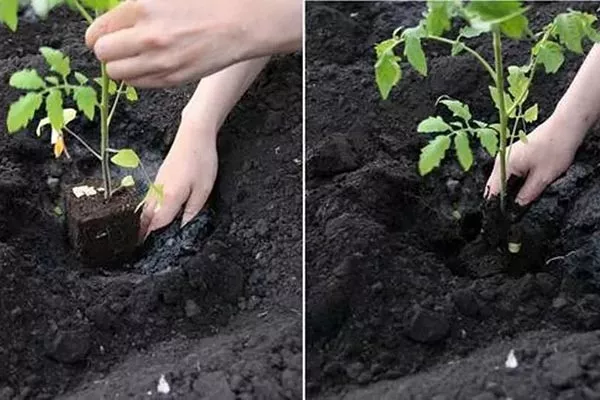
Transplantation to a permanent site involves the following steps:
- Choose the right time to transplant tomato seedlings into open ground. It should be a warm, windless day when night frosts no longer pose a threat to the young plants.
- Prepare the area: dig up the soil, add humus or compost to provide the plants with sufficient nutrients.
- Make holes about 50 cm apart to give the tomatoes enough room to grow.
- Carefully remove the seedlings from the containers, being careful not to damage the roots, and place them in the holes, covering them with soil up to the level of the first leaves.
- Water each plant thoroughly to ensure the soil is compacted well and the roots receive the moisture they need.
Care Features
To stimulate root growth, it's necessary to regularly till the soil and remove weeds. This cultivation method is recommended after heavy rains or irrigation.
Support
Alsu tomato plants with large fruits and weak staking require special support. Each plant must be provided with individual, sturdy supports. Staking is done using soft fabric or twine, with each fruit cluster lowered below the staking level.
When fixing to a trellis, it is necessary to regularly wrap the stem around the twine to prevent it from falling under the weight of the fruit.
Bush formation
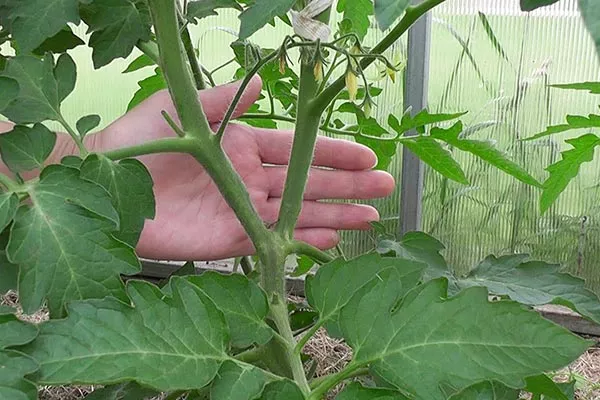
Excessive leaves and shoots lead to dense bushes, poor ventilation, and inadequate nutrition for fruit formation. Therefore, Alsu tomato bushes require skillful shaping:
- In open ground, it is recommended to leave no more than three shoots, while in greenhouse conditions, it is optimal to form a bush with two main stems.
- The selection of shoots for the formation of additional stems is carried out at a level above the first flower brush.
Watering
Tomatoes require a moisture balance:
- In open ground conditions, the frequency of watering is determined by the amount of rainfall, and in a greenhouse it depends on the weather, while the soil should be moistened 1-2 times a week when it begins to dry out.
- It is optimal to water plants early in the morning, using warm water so that it penetrates the soil around the roots to the depth they are located, avoiding their washing away.
- Pay special attention – do not water the bushes during the budding period.
Top dressing
During the growing season, bushes especially need potassium and boron. To adjust micronutrient levels, it's recommended to use specialized mixtures, including Plantafop, which gardeners recommend. Rost-Concentrate is also suitable for top dressing.
- The first feeding should be carried out 2 weeks after planting the seedlings, using a complex fertilizer with a predominance of nitrogen.
- The second feeding should be carried out during the flowering period, using fertilizers with a high content of potassium and phosphorus.
- The third feeding should be carried out during fruiting, using fertilizers with a high potassium content.
Fertilizing with mullein is critical for bushes during their growth phase. During flowering, nitrogen-rich fertilizers are preferable, and during fruit ripening, those containing a high percentage of magnesium sulfate.
Pinching out stepsons
As the plant grows, it's important to remember to remove suckers, which grow in the leaf axils and consume significant amounts of nutrients. To prevent them from draining resources, promptly remove excess shoots.
Check the plant regularly, at least once a week, and remove side shoots, leaving a small stump to prevent further growth. Side shoots should be removed from both the main and additional branches.
Problems that may arise
One potential problem encountered when growing the Alsu tomato is the need for regular pruning and shaping. Due to the relatively fragile nature of the trunk, it's important to provide support to prevent it from breaking under the weight of its own fruit.
To solve this problem, we recommend using a support structure and regularly removing side shoots. Otherwise, plant care is simple and virtually identical to that for other tomato varieties.
Diseases, pests and their control
Experienced gardeners know that calcium is essential for the Alsu tomato variety. A deficiency of this mineral hinders plant development, causes leaf distortion, and makes it vulnerable to gray rot and blossom-end rot. The latter can occur as a result of excess moisture during periods of dry weather.
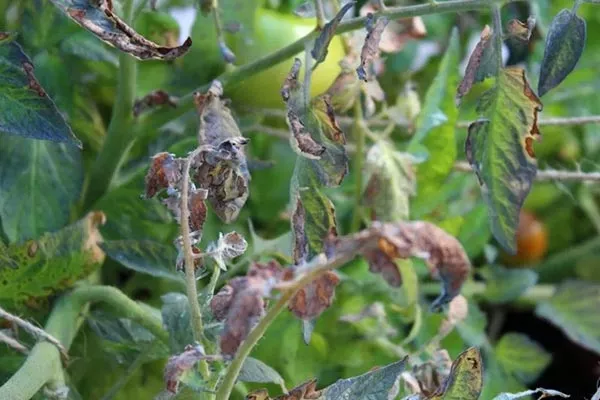
Greenhouse tomatoes are more susceptible to Cladosporiosis, which affects leaves, ovaries, and fruits. Symptoms include brown spots resembling rust. Control of this disease requires treatment with Bordeaux mixture.
To protect your plantings from diseases and pests, you need to follow preventative measures:
- application of calcium fertilizers;
- moderation in watering;
- regular ventilation of the greenhouse.
The Alsu variety is susceptible to pests, such as the Colorado potato beetle, cutworm caterpillars, which feed on the foliage, and nematode larvae, which feed on the roots. To combat these pests, insecticides, hand-picking, weed removal, and soil loosening are used.
The nuances of cultivation in open ground and greenhouses
When growing Alsu tomatoes indoors, it's crucial to carefully monitor humidity and temperature. Humidity should not exceed 60%, and the air temperature should not exceed 30 degrees Celsius. Proper ventilation of the greenhouse will help maintain optimal conditions.
Maintaining the right temperature is especially important during fruit formation, as excessive heat can lead to pollen sterility. To ensure successful pollination, shaking the flowers is helpful.
Harvesting and storage
Tomatoes reach maturity in stages, allowing them to be harvested until late autumn. The bulk of the crop is harvested when the fruits reach their peak ripeness. The remaining tomatoes are allowed to ripen further or are harvested for later ripening.
Assembly and storage features:
- To avoid damaging the fruit and the bush itself, it is best to use a knife or special garden shears to carefully cut off the stems.
- Tomatoes should be harvested in dry weather to avoid rot and mold, and the harvested fruits should be stored in a cool place, avoiding direct sunlight.
- Tomatoes are stored for a long time in a basement at a temperature of about +12°C, and in a room for about 10 days at a temperature of +20°C.
Similar varieties
| Name | Cold resistance | Ripening period | Fruit size |
|---|---|---|---|
| Adelina | High | Average | Average |
| Alyonka | Average | Early | Large |
| nobleman | High | Early | Small |
The creators of these breeding achievements didn't stop with the Alsu variety, which is suitable for cultivation in northern latitudes. Their range includes other varieties with similar characteristics:
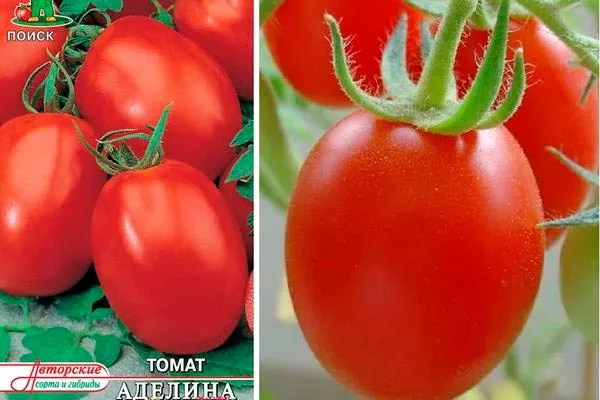
- Adelina - This is a mid-season variety characterized by high temperature tolerance. The fruits are slightly elongated and have a pleasant sweet and sour flavor.

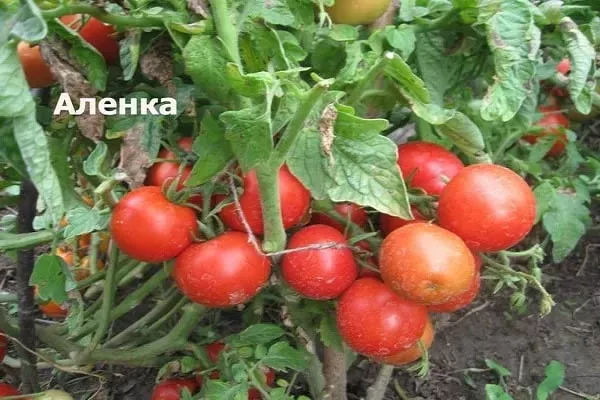
- Alenka - This hybrid variety boasts a strong, thick stem, making staking unnecessary. It is known for its productivity and light pink, round fruits.
- Nobleman. This variety is characterized by a compact growth habit and impressive yields (up to 8 kg per bush). The fruits are small but extremely sweet. Like Alsu, Velmozha is resistant to climate fluctuations and sudden temperature changes.
Pros and cons
The Alsu tomato crop has many advantages:
Reviews
The Alsu tomato deserves respect as one of the most successful new varieties. It requires little care and is highly productive. Like any other tomato, Alsu requires careful attention – ensuring proper watering, transplanting, staking, removing weak shoots, and periodically loosening the soil ensures a consistent harvest.