
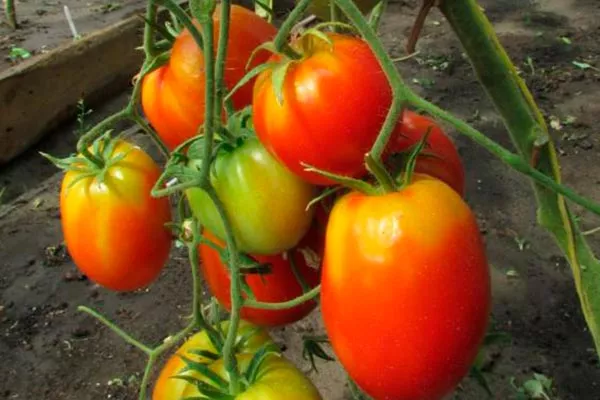
The Alice tomato is a popular variety characterized by excellent flavor and high yields. Its disease resistance and low maintenance make it ideal for both experienced gardeners and novices. These tomatoes boast a juicy, sweet flavor, making them ideal for a variety of culinary applications.
Historical background
The Alisa tomato variety was created in 2008 by a team of Russian breeders. The following scientists contributed to its development: Gavrish S. F., Volok O. A., Dmitrieva A. S., Kapustina R. N., Gladkov D. S., and Sedin A. A.
Also participating were Grushanin A. I., Korostelev A. A., Semenova A. N., Artemyeva G. M., Filimonova Yu. A., Redichkina T. A. and Kalugin A. V. Today, the crop has gained wide popularity among gardeners.
Description of the bush and fruits
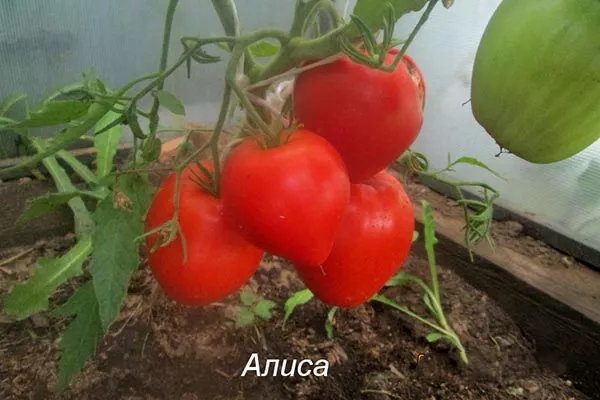
When grown in open beds, plants can reach a height of up to 1.8 m. In greenhouse conditions, their height increases to 2.2-2.4 m.
The main stem, despite its relatively thin thickness, is strong enough to support branches bearing large fruits. However, the bushes still require additional support, so they are tied to trellises or wooden posts.
Key characteristics of the variety
Determinate tomato varieties are popular among gardeners, and the Alisa variety holds a worthy place among them. This crop is especially interesting for beginners, as learning and growing it can be a rewarding and engaging experience.
- ✓ Resistance to temperature changes: withstands short-term drops to +10°C.
- ✓ Fruiting characteristics: the first fruits appear on the lower clusters.
Taste and uses of tomatoes
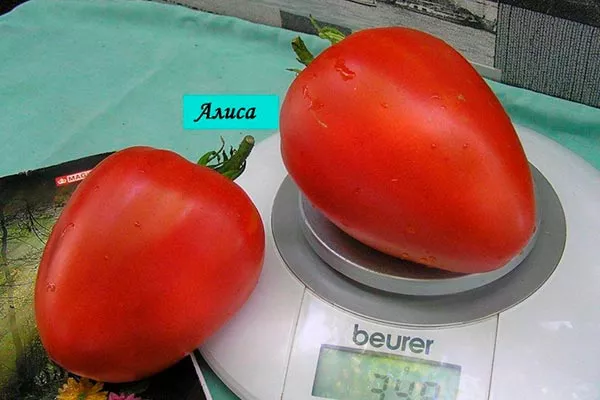
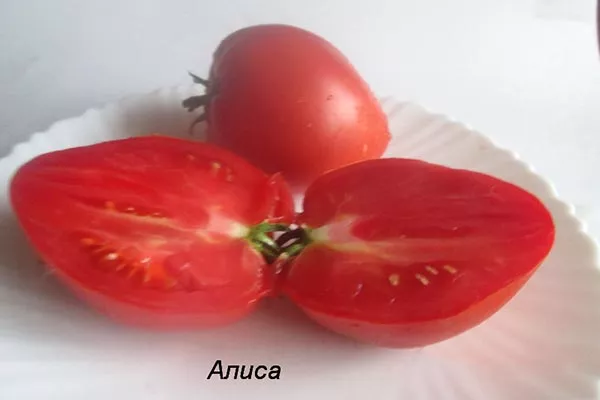
Tomato flesh is dense, juicy, and meaty, with a pleasantly sweet flavor that harmoniously balances sweetness and a hint of tartness. Tomatoes are versatile, making them suitable for a wide variety of culinary purposes:
- Fresh dishes: Ideal for salads, slices and side dishes.
- Canning: Thanks to their bright color and heart-shaped form, they look beautiful in jars when pickled whole.
- Drying: The fruits, when cut into rings, retain their shape, making them ideal for this preparation.
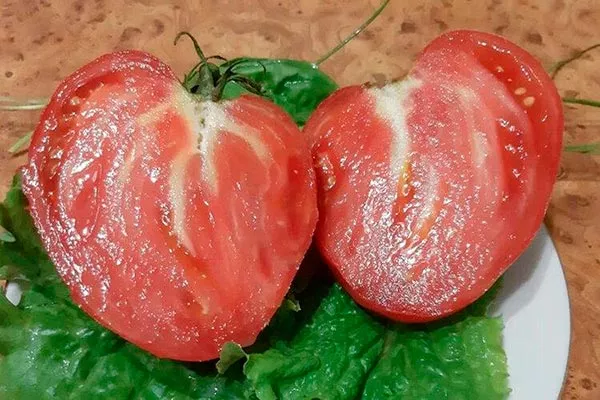
The dense pulp is ideal for making thick and rich pasta.
Ripening, fruiting and productivity
This is an early-ripening variety. The harvest can be collected 105-110 days after germination. Under favorable weather conditions, fruiting continues until early autumn.
The crop has good productivity—on average, 4.2 kg of vegetables can be harvested per square meter. Although the variety is not intended for commercial cultivation, these figures are considered respectable compared to other tomato varieties.
Growing regions
The Alisa variety is recommended for cultivation in the Central Belt, the Central regions of the European part of the country and the Volga region.
Popular in the following areas:
- Leningrad region and other territories of north-west Russia;
- regions east of the Urals, with the exception of the Far North;
- Urals (except polar regions).
The culture grows well in the North Caucasus and adjacent republics.
Planting operations
It's recommended to grow the Alice tomato using seedlings. Producing high-quality seedlings at home is easy if you follow certain guidelines.
- ✓ Optimum soil temperature for seed germination: +25-28°C.
- ✓ Required air humidity for seedlings: 60-70%.
Timing of planting seedlings and transplanting into the ground
The sowing time depends on the region. In the southern regions and the central zone, if weather conditions are favorable, sow seeds in March. In the northern regions, delay sowing until early April, taking weather conditions into account.
Transplant seedlings into the ground either in the first half of May or at the end of May, and in some cases – at the beginning of June.
Seed preparation
When choosing planting material, pay attention to the manufacturer's reputation rather than the attractive packaging design. Read customer reviews or get recommendations from experienced gardeners. Buy seeds from specialized stores, avoiding untrusted retailers.
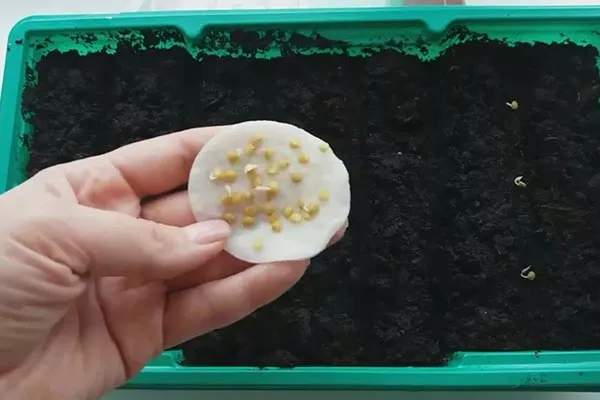
Prepare the grains:
- Disinfect by soaking them for 24 hours in aloe juice, hydrogen peroxide solution or potassium permanganate.
- Place the seeds on a cloth and dry thoroughly. This step is essential to kill any harmful microorganisms on the surface of the seeds.
- The next step is hardening. Place the plants in the freezer overnight, then leave them at room temperature for 10 hours. Repeat this process several times to increase the plants' resilience to possible cold snaps.
After hardening, sprout the seeds. To do this, place them in a damp cotton pad and leave them in a dark place for 5-7 days. Sprouting helps assess the seeds' viability and strengthen their immune system.
Container and soil
High-quality soil is loose, nutritious, and has an optimal pH level. It should provide good drainage and retain moisture. A 2:1 mixture of humus and black soil is considered an excellent option. To improve drainage, add one part river sand or wood chips to the soil.
For sowing, use any container: plastic trays, peat pots, disposable cups, or other suitable containers. Wash, dry, and treat the containers with hydrogen peroxide solution beforehand.
Sowing
Before planting, create a drainage layer at the bottom of the container to prevent root rot and blackleg. After laying the drainage layer, fill the container with the prepared soil and water it with warm water.
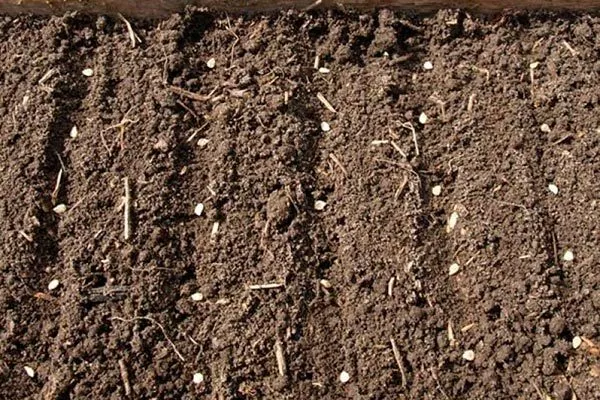
Next, follow the instructions:
- Cover the container with film or glass and leave for 5-6 hours.
- Use a pencil or toothpick to make small holes for the seeds.
- Place the seeds in the holes, fill the furrows with soil, pressing it down lightly.
Wet the surface with a spray bottle and cover the container with film again.
Growing and picking seedlings
Place the seedlings in a warm, bright location. During the first week, the air temperature should be at least 23°C. Once the seedlings emerge, remove the plastic wrap. Moisten the seedlings with warm, filtered water as the soil dries out, but avoid overwatering to prevent the risk of fungal diseases.
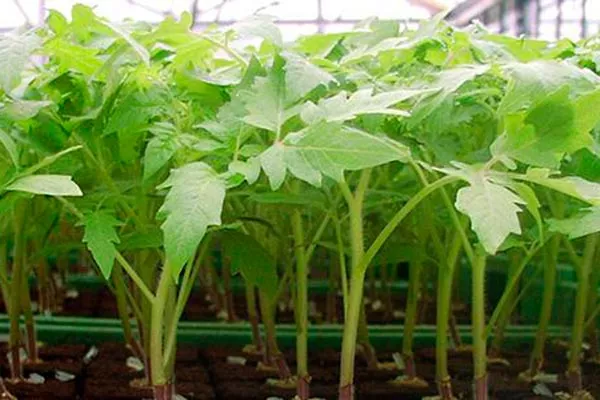
Other care procedures:
- Feed your seedlings with a combination of mineral and organic fertilizers. For organic fertilizers, use nettle infusion or wood ash, and for mineral fertilizers, consider complexes such as Fitosporin+ or Baikal.
- When the first true leaves appear on the plants, transplant the seedlings into individual pots or peat pellets. Be careful not to damage the roots.
- Provide the bushes with protection from temperature changes and sufficient light and water.
Two weeks before planting in open ground, begin hardening off the seedlings by taking them out onto the balcony for 1-2 hours, gradually increasing the time spent outdoors.
Choosing a location
The first step in growing the crop is choosing a suitable planting site. This variety prefers sunny areas, so choose a spot that receives maximum sunlight throughout the day.
Soil preparation and replanting
Do not plant the crop in areas where bushes from the same family previously grew to avoid the spread of diseases.
Follow these recommendations:
- Before planting, dig up and loosen the soil.
- Remove the weeds.
- Add fertilizer or compost to enrich the soil with nutrients.
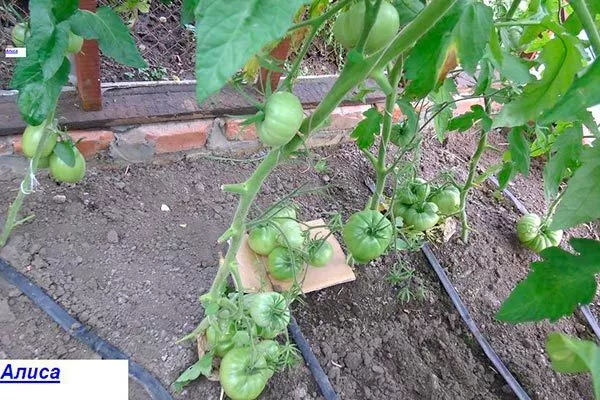
Begin planting the seedlings, placing them at a depth such that the first leaves are just above the soil surface. Water the seedlings thoroughly.
Caring for the Alice tomato: watering, fertilizing, and tying it to a support
One of the most important aspects of caring for this plant is moisture. It requires regular watering, especially during the fruiting period, to keep the soil moderately moist. However, avoid overwatering to prevent root rot.
Perform the following agricultural practices:
- Fertilizing is essential for the growth and development of the Alice tomato. During the active growth and fruiting phase, the bushes require additional nutrients. To achieve this, use organic or mineral fertilizers containing all the necessary macro- and micronutrients.
- To support the shoots and prevent damage to the fruit, provide secure support. Use materials such as bandage tape or thin thread to secure the stem. Check the staking regularly to prevent the stem from twisting and the fruit from falling.
Pests and diseases of the Alice tomato: how to prevent and treat?
Alisa has a strong immune system, but this variety can be susceptible to various insects and diseases. This is most often due to improper care.
Among the most common pests and diseases affecting bushes are the following:
- Whitefly. The insect lays eggs on the leaves. The larvae feed on tomato plant juices, which can cause yellowing and wilting of the leaves. To prevent infestation, inspect the plants regularly and remove the pest by hand if it is found.
- Spider mite. A microscopic insect that forms fine webbing on all parts of the plant. It feeds on tomato plant juices, which can cause white spots on the leaves. To control spider mites, use insecticides or wash the plants in the shower.
- Late blight. A fungal infection that causes spots and mold on leaves and tomatoes. To prevent late blight, maintain good air circulation in the greenhouse or outdoor area and avoid overwatering the soil.
- Tomato mosaic. A viral disease that causes yellowing, leaf deformation, and spotting on vegetables. Only healthy seeds are effective in preventing mosaic. It is important to avoid contact with infected plants.
To prevent diseases and pests on tomatoes, follow these preventative measures:
- Pour water at the roots, avoiding drips on the foliage to prevent the development of fungal infections.
- Use balanced fertilizers to strengthen bushes and increase their resistance to diseases.
- Provide good air circulation in greenhouses and hotbeds to reduce humidity and prevent the development of late blight and other fungal diseases.
- Conduct regular inspections. Remove affected leaves and fruits promptly.
Use safe preparations to prevent diseases and protect against pests, such as Fitosporin or herbal infusions.
Harvesting and storing the Alice tomato crop
Begin harvesting when the tomatoes are fully ripe and bright red. Avoid picking them too early to preserve their rich flavor and aroma. Use sharp garden shears or a knife to carefully cut the fruit from the stem.
After harvesting, carefully inspect the vegetables for damage or signs of disease. Remove any spoiled or diseased fruits immediately to prevent them from affecting the rest. Then rinse them gently under running water to remove any dirt.
Choose a cool, dry place for storage. The optimal temperature is 12-15°C. Avoid high humidity, as this can cause spoilage. Store in baskets or plastic containers with good ventilation to prevent moisture accumulation. Inspect the tomatoes regularly.
Pros and cons
Before you start growing a crop, carefully study its advantages and disadvantages to avoid possible difficulties.
The Alice variety has many advantages:
Among the disadvantages, gardeners note the need for regular fertilizing, the need for lighting, and the possibility of late blight if not properly cared for.
Reviews
The Alisa tomato is a high-yielding variety with excellent flavor. It thrives in greenhouses and outdoors, is characterized by good disease resistance, and requires little maintenance. Successful cultivation requires proper agricultural practices to ensure a high-quality and delicious harvest.