
The Aley tomato has gained popularity among gardeners thanks to its low maintenance and excellent taste. It grows successfully in open ground and greenhouses, and its compact size ensures easy care even in confined spaces. With simple cultivation techniques, you can reap bountiful harvests throughout the season.
The origin and name of the Aley tomato
Developed and introduced in 1987, the variety's name derives from the gardener Aley, who spent many years developing it. The primary goal of creating this variety was to produce tomatoes with bright red skin, firm flesh, and excellent flavor.
Description of the plant
The bushes are medium-sized, with medium-sized green leaves. Their height varies from 65 cm to 120 cm. The plant has a determinate growth habit. The inflorescences are simple, articulated. A single bush produces 6 to 8 clusters, each containing 5-6 fruits.
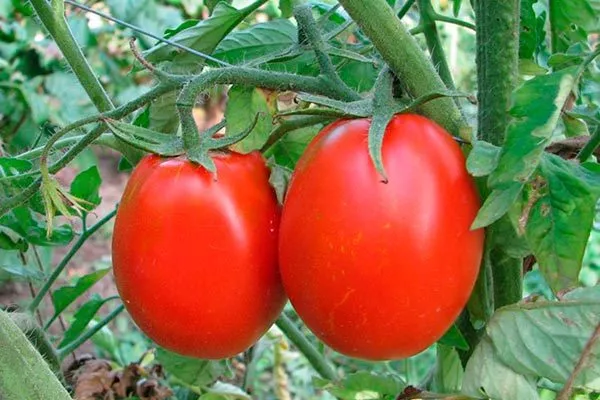
Fruit
The tomatoes have a flat, almost spherical shape. They are medium-sized, 5-6 cm in diameter, making them ideal for salads and sandwiches. This variety is often called "baby" due to its compact size.
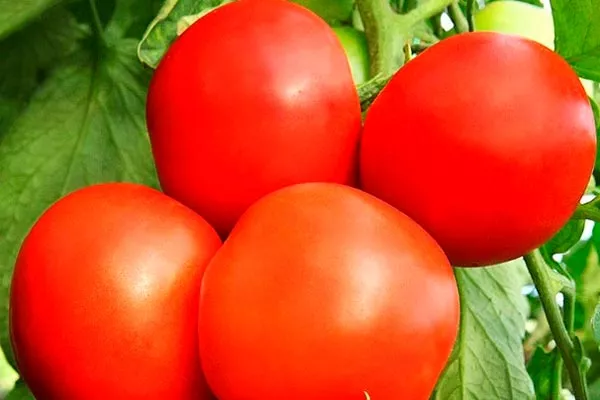
The distinctive appearance of the Aley tomato is its bright, rich red color, which attracts attention and stimulates appetite. The tomato's skin is smooth and shiny, adding to its appeal.
Taste and culinary uses of the Aley tomato
The fruits have a sweet and delicate flavor with a slight tartness, giving them a special zest. This makes them ideal for a variety of salads, appetizers, and hot dishes. The juicy flesh and slightly sweet flavor pair perfectly with herbs, olive oil, and other ingredients, creating a bright and fresh taste.
The Aley tomato is perfect for soups, sauces, and pastas, adding a piquant and flavorful touch. Thanks to its vibrant red color, it makes a wonderful garnish for dishes, adding a vibrant and appetizing flavor. It complements other vegetables, meat, and fish harmoniously, enhancing their flavor.
Ripening and fruiting
Aley is a mid-season variety that ripens in late July to early August in a greenhouse and a little later in the open field. The period from germination to the mass emergence of ripe tomatoes is approximately 3.5-4 months. Fruiting occurs uniformly.
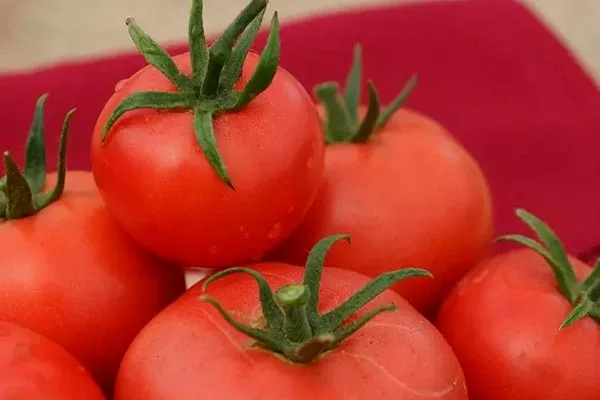
The vegetables are uniform and nearly uniform in size, only slightly shrinking at the end of the season. The harvest continues until the first autumn frosts.
Productivity
A bush about 1 m tall produces 6-8 fruit clusters, each containing 5-6 tomatoes. Productivity is average or higher – approximately 4 kg per square meter. Yields reach 10-15 kg per square meter. The harvested vegetables are characterized by high commercial quality.
Resistance to adverse conditions
The bushes easily tolerate temperature fluctuations, both high and low, allowing them to be grown in a variety of climates. The variety has good resistance to diseases and pests.
It doesn't require much attention to combat fungal and infectious diseases, making it easy to grow. Pests pose no threat to the crop. The plants cope well with stressful situations, including water shortages or improper care.
They withstand periods of drought or overwatering, maintaining their decorative and fruiting qualities. This resilience makes this variety an ideal choice for those seeking a bountiful harvest, regardless of climate conditions or gardening experience.
Where is it grown?
The Aley tomato is successfully grown in various regions of Russia due to its tolerance to temperature fluctuations and adverse conditions. It thrives particularly well in Central Russia, Siberia, and the Urals, where climate conditions require tolerance to temperature fluctuations.
This variety is widely used in greenhouses, allowing for a stable harvest in colder climates. It also thrives in southern Russia, producing high-quality fruit.
Landing features
This variety is easy to grow using seedlings. Follow these recommendations:
- Sow seeds in a container with moistened soil, placing them at a distance of 1.5-2 cm from each other and covering with mulch on top.
- Cover the container with plastic wrap and maintain the room temperature at least at +20°C.
- When the plants develop two leaves, transplant them into individual peat or plastic cups. After 50-60 days, transplant the seedlings into open ground or a greenhouse.
- ✓ Optimum soil temperature for planting seedlings: not lower than +15°C.
- ✓ The distance between plants should be at least 50 cm to ensure sufficient space for growth and ventilation.
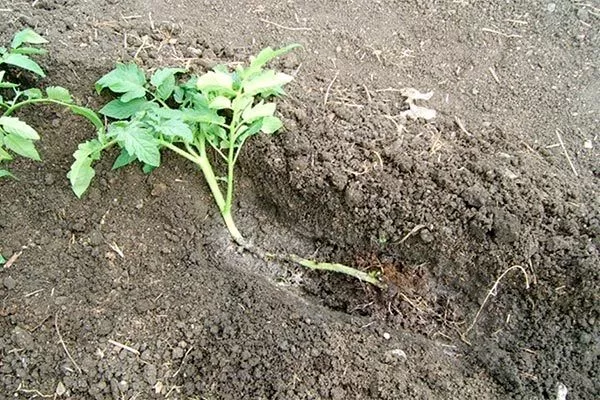
When planting, follow a 50x50 cm pattern, which will ensure ease of care for the plants and give them enough space for proper nutrition.
Agricultural technology
Care includes several important aspects that help ensure healthy plant development and a good harvest. Here are the key points:
- Watering. Provide regular watering, especially during periods of active growth and fruiting. Use warm, settled water and pour it under the roots, avoiding drips on the foliage to reduce the risk of disease.
- Top dressing. Plants require regular fertilization. Use both organic and mineral fertilizers. Apply the first fertilizer two weeks after repotting, then every 10-14 days, especially during flowering and fruiting.
- Weeding and loosening. Keep the soil loose and remove weeds regularly to prevent them from competing with the tomatoes for water and nutrients. Loosening the soil helps improve root aeration.
- Pinching out stepsons. Remove side shoots (stepchildren) so that the bushes do not become overgrown and focus on forming tomatoes.
- Garter. Secure tomato shoots to supports to prevent them from breaking under the weight of the vegetables. Use special stakes, trellises, or lattices for this purpose.

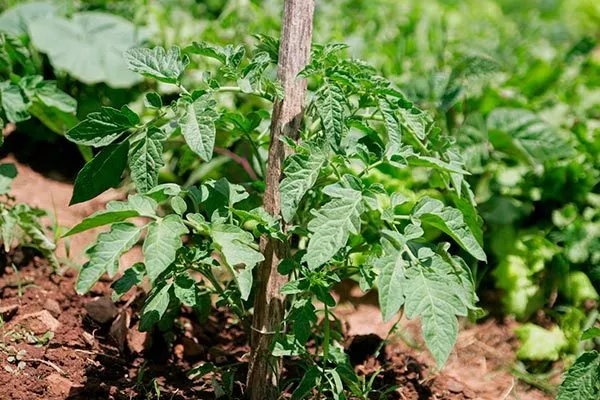
Remove old, yellowed or damaged leaves promptly to reduce the risk of disease and improve ventilation of the bush.
Pest and disease control
The crop is susceptible to various diseases and pests. It's important to begin treatment promptly:
| Disease/Pest | Signs | Methods of struggle |
| Late blight | It appears as dark spots on leaves and stems and rotting fruits. | Treat with fungicides, such as Hom, Topaz, or Previkur. Remove and dispose of affected plant parts. Regularly ventilate greenhouses and remove weeds. |
| Powdery mildew | Characterized by a whitish coating on the leaves. May cause the plant to dry out. | Spray the bushes with Skor or Fundazol fungicides. Remove affected leaves. Reduce humidity and improve ventilation in the greenhouse. |
| Root rot | It develops due to overwatering and poor drainage. External symptoms include yellowing and wilting leaves. | Regular watering. Use root protection products, such as Previkur. Fertilize and improve soil drainage. |
| Ascochytosis | A fungal disease that causes brown spots on leaves and stems. | Treat bushes with copper sulfate or Bordeaux mixture. Remove infected parts. |
| Aphid | Small insects that feed on plant juices weaken the plant and can be carriers of viral diseases. | Treat bushes with insecticides such as Aktara and Confidor. Alternative remedies include garlic infusion or soap solution. |
| Whitefly | Pests that feed on plant juices can cause bushes to wilt. | Use of insecticides. Setting up yellow traps to attract whiteflies. Use of the biological product Trichodermin. |
| Colorado beetle | It eats tomato foliage, causing significant damage to the plant. | Use Decis or Karbofos insecticides. Regularly inspect the bushes and collect beetles by hand. |
| Spider mite | A small pest that causes yellowing and dry leaves can leave webs on the plant. | Treatment with acaricides, such as Aktara. Removal of damaged plant parts and improvement of humidity. |
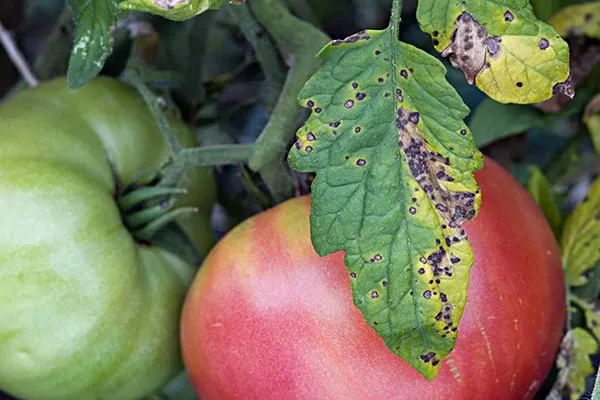
To effectively combat diseases and pests, it is important to regularly inspect crops, follow agricultural practices, and, if necessary, use protective equipment.
Pros and cons
The Aley tomato is successfully cultivated in a variety of climates, but is most often grown outdoors. It is a determinate plant that produces fruit reliably and boasts excellent flavor.
Advantages of the variety:
- no need for frequent pinching;
- long fruiting;
- unpretentiousness in care and cultivation.
Among the disadvantages of the crop, some gardeners note the need to tie up the shoots and a possible decrease in productivity when the bushes reach large sizes.
Reviews
The Aley tomato is a reliable choice for those looking for a variety with excellent flavor, high resistance, and low maintenance. It's the ideal solution for both beginner and experienced gardeners. With proper care and attention, you'll grow strong seedlings, boost your immune system, and reap bountiful harvests of high-quality tomatoes.