
The Duchess of Taste tomato is renowned for its exceptional sweetness and good productivity, as well as its resistance to various diseases and pests. To ensure a good harvest, carefully follow the care and cultivation guidelines for this hybrid. The bushes produce sweet vegetables over several ripening periods.
Description of the bush and fruits
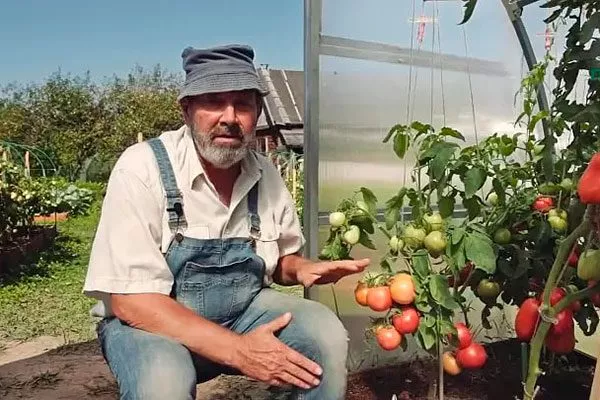
The Duchess of Taste tomato variety is a compact plant, the height of which depends on the cultivation method: in open ground, bushes reach 60-70 cm, and in greenhouses - 70-85 cm.
Other varietal characteristics and features:
- the plant is distinguished by its elongated leaves, which have an unusually elongated shape;
- the root system is taproot, with multiple branches penetrating into the soil to a depth of 120-150 cm;
- the inflorescences of the bush are of a simple type;
- the first fruit cluster is formed above the 6th leaf, the subsequent ones – every 1-2 internodes;
- each inflorescence can include up to 5 yellowish flowers;
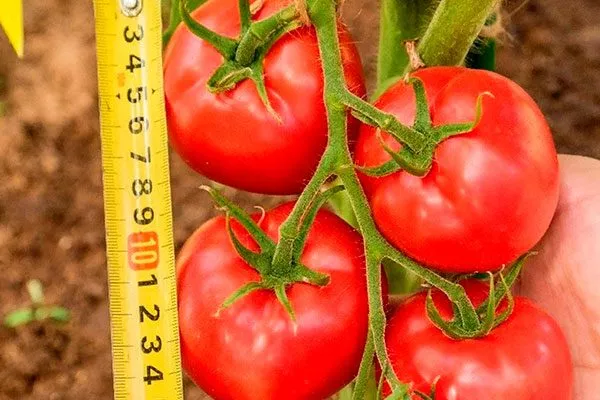
- small tomatoes weighing 130-150 g, resembling balls rolled up on top, are formed on the bush;
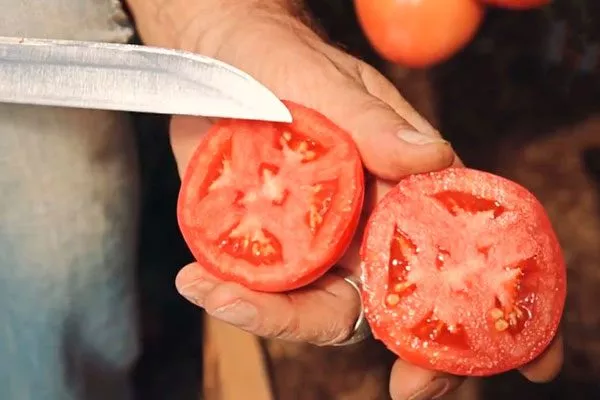
- When ripe, Duchess of Taste tomatoes are pink in color and have firm flesh, which ensures their stability during transportation and long-term storage, and also eliminates the risk of cracking during harvesting;
- According to the information on the seed packaging, the fruits may be slightly ribbed, but in practice the skin remains smooth and even throughout the growing season;
- Tomatoes are rich in glucose, which makes them taste sweet.
Main characteristics and history
The Duchess of Taste hybrid was created by the agricultural company "Partner" and developed by breeder Kiramov. The project was initiated by the renowned Blokin-Mechtalin.
This variety is popular throughout Russia due to its versatility and adaptability to various growing conditions: it can be grown both in greenhouses and outdoors. Its popularity stems not only from this, but also from the sweet taste of its fruits and its increased productivity.
In May 2016, Blokin-Mechtalin initiated the process of including the hybrid in the State Register, and the following year his application was approved.
Ripening and fruiting, productivity
The Duchess of Taste variety is distinguished by its early ripening: the crop is ready for harvesting 85-90 days after germination. The tomatoes ripen in several waves, 10-15 days apart, allowing them to be harvested in July, August, and even September.
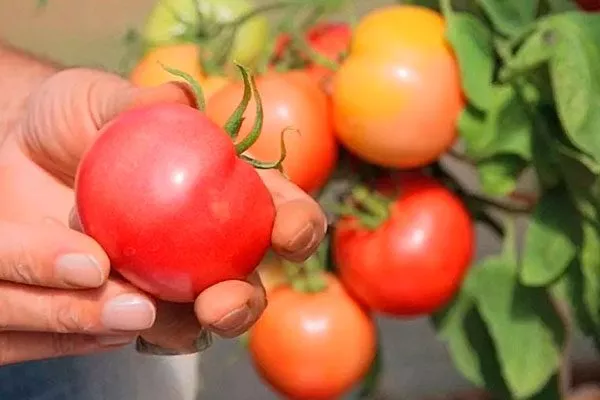
The variety's yield is impressive: in open ground, it reaches 14-16 kg per square meter, and in greenhouses, up to 18 kg per square meter. To achieve such results, careful agricultural management is essential:
- the optimal temperature for tomatoes is 23-27°C;
- It is necessary to avoid sharp fluctuations between day and night thermometer readings;
- regular moisturizing and feeding;
- prevention of diseases, including fungal and viral ones.
How to use and store?
Duchess of Taste F1 tomatoes are characterized by a high glucose content, which gives them a sweet, cloying flavor. These tomatoes are ideal for salads and raw consumption. The fruits can be used in a variety of preserves, including sauces, juices, and ketchups.
Storage features:
- If stored in the refrigerator, vegetables will not spoil for at least 3 weeks;
- If they are packed in special boxes or bags made of natural fabric, without the use of polyethylene, they will retain their taste qualities much longer than usual.
Resistance to diseases and pests
Due to its hybrid origins, this variety offers improved resistance to common nightshade diseases and insect pests. It exhibits high resistance to the following diseases:
- late blight;
- Alternaria;
- fusarium;
- Verticillium wilt;
- tobacco mosaic virus.
Carefully grown bushes have the ability to resist pest attacks, but it is still better to destroy them in a timely manner using insecticides or folk methods.
Climate requirements and growing regions
Duchess of Taste is resilient to hot summers and tolerates heavy rains, which can turn the soil into a swamp. Even more surprising is that even alkaline soils are suitable for cultivation.
Regions and districts where you can grow Duchess of Taste:
- Volga region;
- Ural;
- Siberia;
- regions of the Far East and the North Caucasus;
- Central, Northern and North-Western regions of Russia.
Duchess of Taste tomatoes have moderate drought tolerance and can withstand short periods without watering without harm.
Landing rules
To successfully grow the Duchess of Taste F1 variety, it's essential to carefully follow the agronomic recommendations. The gardener will need to create ideal growing conditions, including proper nutrition, regular watering, and so on.
Sowing seeds for seedlings
The first stage is preparing the seeds for sowing. The following producers serve as sources of planting material:
- "Partner";
- "Eurosemena".
Growing tomatoes from seedlings, which requires hybrid varieties, requires special conditions. Seeds are sown 50-60 days before transplanting to their permanent location.
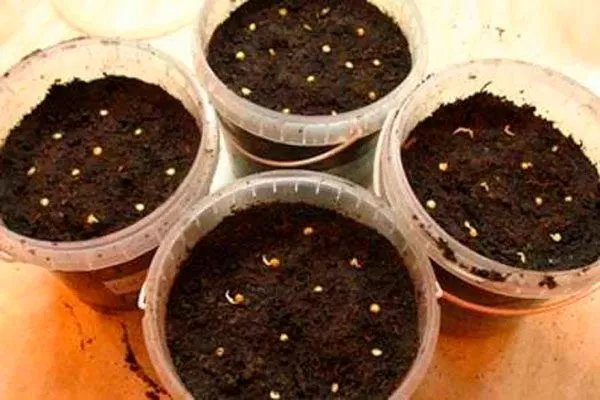
For sowing, it is recommended to use small containers pre-treated for disinfection. Plastic cups or specialized cassettes, peat pots, and tablets are suitable.
The prepared soil should be nutritious and light, allowing the roots to breathe freely and absorb water. The substrate can be purchased ready-made or assembled yourself from equal parts:
- humus;
- turf;
- sand.
Substrate preparation includes:
- sifting the soil through a medium-sized sieve to remove large inclusions and debris;
- steam or thermal disinfection of the soil for two hours in a water bath or in an oven at a temperature of 150-180°C for half an hour, respectively;
- adding wood ash and crushed eggshells (200 and 100 g for every 10 kg of mixture).
The sowing process is as follows:
- Fill the container with soil mixture, moisten and distribute the seeds evenly over the surface of the soil.
- Water them lightly and cover with a 15mm layer of soil.
- Cover the containers with seeds with plastic film to create a microclimate.
- Place them in a cool, dark place until they germinate.
- ✓ Optimum soil temperature for seed germination: +22-25°C.
- ✓ Seeding depth: 15 mm.
- ✓ Duration of daylight for seedlings: at least 14 hours.
To grow in peat pellets, place one or two seeds in each pellet. Subsequently, keep only the strongest and healthiest shoot.
Please note the recommendations:
- The germination process will depend on the room temperature, with the best range being between 22 and 25°C.
- Be sure to open the film regularly to remove condensation. Seedlings usually appear 10-14 days after sowing.
- Once the sprouts emerge, remove the covering and move the seedlings to natural light—on a windowsill or under grow lights. The seedlings should receive at least 14 hours of light per day.
- The process of picking tomatoes should be carried out after two or three true leaves appear on the plant.
- Two weeks before transplanting the plant to permanent soil in a greenhouse or open beds, you should begin hardening off the seedlings, gradually increasing the time the plants spend outdoors, starting with two hours a day.
Preparing the landing site
This hybrid requires a site facing southwest, southeast, or south, but tomatoes planted near a south-facing wall or fence promise the most abundant harvest. It's important to note that the bushes can produce fruit normally in the same location for two to three years, provided organic fertilizers are applied before planting.
Ideal predecessors for tomatoes include cucumbers, zucchini, onions, and cabbage. Avoid planting tomatoes after crops such as peppers, potatoes, and eggplants, as this can lead to reduced productivity and increased risk of disease.
Experienced gardeners say that soil preparation for tomato planting should begin in the fall. Here's what to do:
- dig up the soil thoroughly;
- water it generously with a solution containing copper sulfate;
- provide additional fertilizing in the form of organic matter (compost, humus);
- In the spring, dig it up again thoroughly and water it with a lime solution to normalize the acidity.
Transplanting seedlings
Tomato seedlings are ready for planting when their main diameter reaches 5 mm and the plants reach a height of 25-28 cm. The plants should have at least five leaves, and sometimes the first buds may already be visible. It is not recommended to transplant the plants into the garden too early, as they are susceptible to damage from unexpected frosts and diseases.
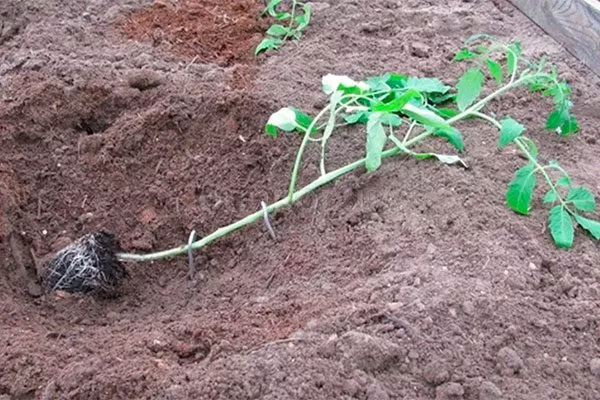
Number of plants per unit area:
- greenhouse – 3-4 plants per 1 sq. m;
- open ground – 2-3 bushes per 1 sq. m.
Caring for tomatoes
Care measures cannot be called complicated, so it is enough to follow standard steps for tomato crops.
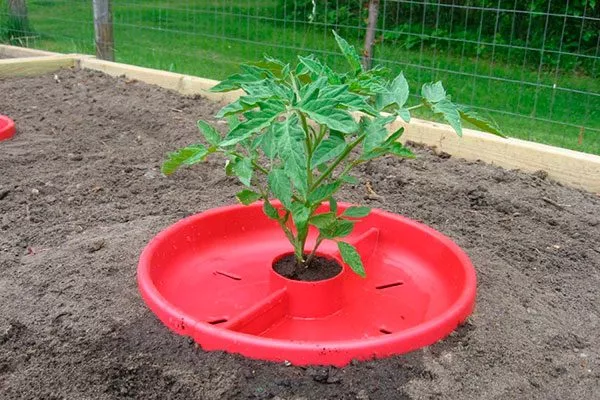
You need to pay attention to some nuances:
- Soil aeration. It's necessary to periodically loosen the soil between rows and around the plants. It's recommended to do this three times a month. If the soil is too compacted, the first loosening will be necessary two weeks after transplanting. This will help the roots breathe and absorb nutrients, and also remove weeds.
- Hilling. Before this, it is recommended to slightly moisten the soil to stimulate the appearance of new roots.
- Watering. It's important to water the plants regularly, paying particular attention during the flowering period. Each young plant should receive between 0.8 and 1 liter of clean water. It's best to water in the afternoon. Avoid overwatering the soil to avoid problems with rotting.

- Fertilizer. During the growing season, fertilize your tomatoes at least three times. Combine organic and mineral fertilizers to ensure healthy tomato growth. The recommended fertilization schedule is as follows:
- for the first feeding, use a solution of mullein (1:8), add Superphosphate (25 g);
- For the second and third fertilizers, use a complex mineral preparation at intervals of two weeks. The consumption rate per square meter is: potassium salt (15 g), ammonium nitrate (10 g), superphosphate (10 g).
- Trimming, shaping. Remove side shoots and trim the tops of the bush to increase yield. Experienced gardeners recommend leaving three clusters on each stem.
- Fixation. To provide support for the plant during fruit ripening, it's necessary to secure the tomatoes to supports. The stakes should be installed on the north side, approximately 10-15 cm from the trunk, and maintained throughout the entire growing season.

Pest and disease control
The Duchess of Taste tomato crop is fairly disease-resistant, but preventative measures are still necessary: spray the plants with Bordeaux mixture or specialized fungicides/insecticides once a month.
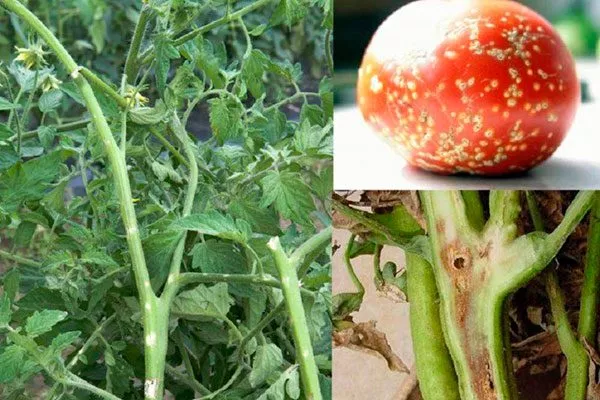
During cool summers or due to poor care, tomato plants can become infected. It's important to quickly recognize the first signs of a problem to prevent widespread fruit death and crop loss:
- Late blight - It manifests as brownish spots on the stems, yellowing and dropping of inflorescences, and the appearance of gray-brown spots on the fruits. Treatment includes medications such as Hom, Furacilin, Fitosporin, Trichopolum, and Ordan. Folk remedies that are effective include whey and garlic decoction.
- Phoma rot - Characterized by small dark spots on leaves, concentric stripes on stems, and sunken spots on fruits. Effective treatments for this disease include Skor and Bravo.
- Bacteriosis – It can be recognized by brown streaks on the stems, aerial roots at the base of the plant, stunted growth, and yellowing of the leaves. For treatment, use Baikal-M or a 1% solution of potassium permanganate.
If pests such as spider mites, aphids, thrips and whiteflies appear, plants should be treated with special chemicals, such as Zubr or Confidor.
Pros and cons
Although this variety has only recently appeared on the market, vegetable growers have already appreciated both its strengths and weaknesses. Tomatoes of this variety are distinguished by the following qualities:
The only drawback is that, due to its hybrid origins, it's impossible to collect seeds yourself, forcing you to buy new planting material every year. There are no pure tomato varieties with these characteristics.
Reviews
The Duchess of Vkusa F1 variety has appeared on the market relatively recently, so vegetable growers are just beginning to appreciate its merits. High productivity, ease of care, pest and disease resistance, and sweet fruit make this hybrid one of the most attractive varieties.