
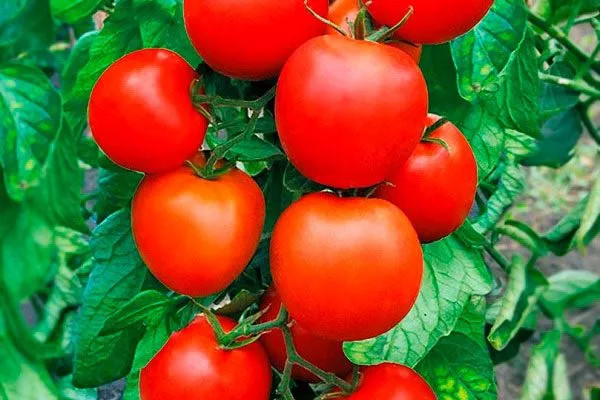
Specialists from the Ural region have developed a unique tomato variety, Aphrodite F1. It has won the hearts of gardening enthusiasts thanks to its attractive fruit (hence its name), ease of care, and ability to produce an early harvest even in the harsh climates of the Urals and Siberia.
History and regions of growth
The Poisk agrofirm introduced a tomato hybrid, Aphrodite, the result of the efforts of Russian breeders. S. V. Maksimov, V. V. Ognev, N. N. Klimenko, and A. N. Kostenko participated in its development. After passing the required variety testing in 2008, the hybrid was included in the State Register of Approved Varieties for cultivation.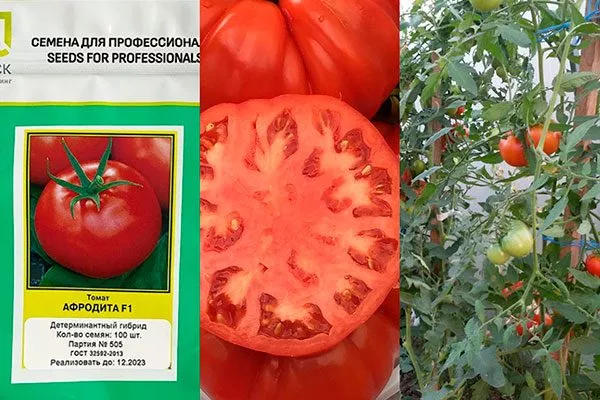
In the south of the country, tomatoes can be grown safely in beds and fields, as the climate does not negatively impact yield or plant health. Optimal planting regions include:
- Belgorod, Voronezh, Astrakhan regions;
- Crimea and the Caucasus.
In temperate climates, a protective layer of polyethylene is recommended. In northern regions, greenhouse cultivation yields the best results.
Description of the Aphrodite F1 hybrid
The Aphrodite tomato belongs to the determinate variety category, is distinguished by its ultra-early maturity and relatively good yields for a short tomato. Typically, these plants do not exceed 70-75 cm, but in greenhouses or favorable microclimates, they can reach 140-160 cm.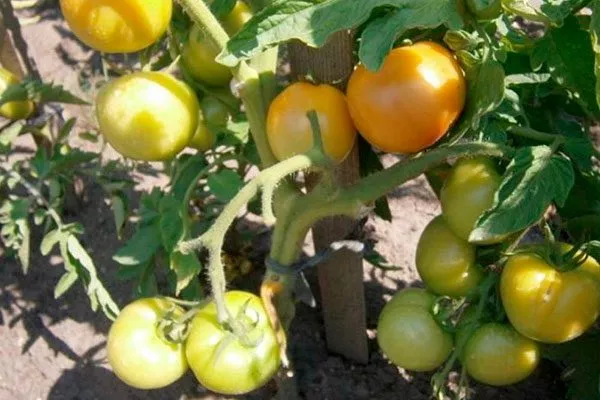
These plants do not produce side shoots in significant quantities, which makes them practically independent of the side shoot removal process.
Other features:
- The branches are densely covered with elongated leaves with smooth edges. The veins are clearly visible. The leaf surface is smooth and free of hair, yet the leaves have a rich emerald hue.
- The inflorescences are simple and racemose, each containing 6 to 8 ovaries. The first usually appears under the 7th or 8th true leaf, while subsequent ones form every other leaf, but can sometimes be arranged without separation by leaves.
- Each inflorescence produces 5-6 tomatoes, the average weight of which is about 100 g.

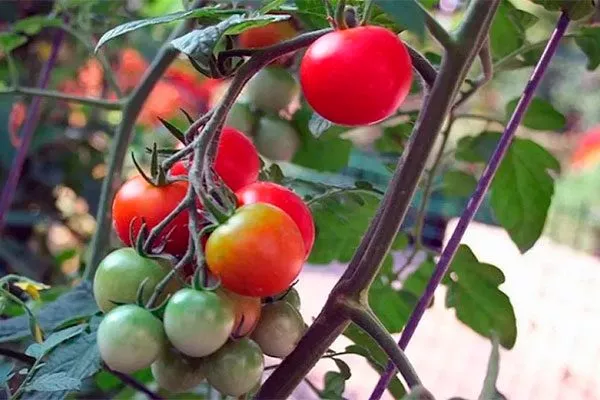
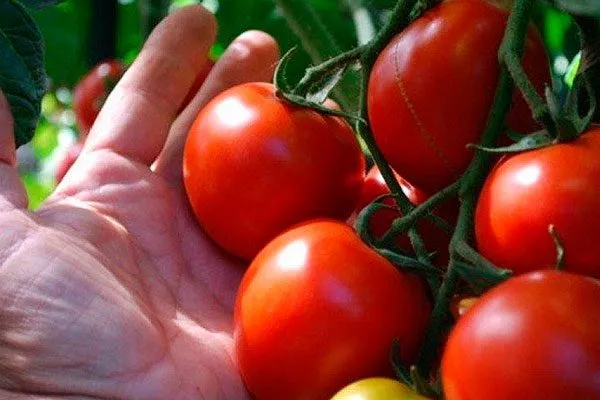
The description of fruits also includes the following parameters:
- rapid and simultaneous ripening;
- round and perfectly symmetrical shape;
- juicy and rich taste of the pulp;
- bright red color;
- firm, crack-resistant skin;
- absence of yellowish spots near the stalk, which ensures an ideal appearance.
Characteristics of the Aphrodite tomato
This hybrid is an early-ripening variety: from planting to full maturity, it takes 70 to 80 days. This crop thrives not only in greenhouses but also outdoors.
Other varietal characteristics:
- Tomatoes are characterized by good resistance to drought and sudden temperature changes, allowing them to thrive and produce fruit even in unfavorable weather conditions. Therefore, they can be grown in various regions of Russia, but for areas with unstable weather, the use of film-covered structures is recommended.
- Aphrodite F1 is characterized by uniform fruiting in all weather conditions. Its low susceptibility to fungal diseases ensures high yields.
- The fruits on the bushes ripen almost simultaneously, which is especially important for mass cultivation.
- When grown in greenhouses, productivity can be 1.5 times higher than with traditional garden beds. In plastic greenhouses, one bush of this hybrid can yield up to 6 kg of fruit, and one square meter can yield up to 15-18 kg.
When grown in beds, the results are slightly lower: up to 4 kg of ripe tomatoes can be harvested per bush, and up to 10 kg per square meter. These figures are typical for planting according to a scheme in which no more than four bushes are planted per square meter of area. - The fruits have a pleasant sweet taste without excess acidity, making them an ideal choice for people with special dietary requirements.
- The harvested crop can be eaten fresh, added to salads and appetizers, or used in other dishes. Ripe tomatoes are ideal for winter preservation: they can be used to make ketchup, sauces, lecho, and tomato juice. They can also be pickled and salted.
How to grow strong seedlings?
To successfully cultivate seedlings, it's necessary to complete a number of preparatory steps before planting the seeds. Next, follow the planting guidelines.
Seed preparation
First, soak the seeds in a slightly salty solution, to which you can add potassium permanganate for disinfection. After 15 minutes, leave only those seeds that sink to the bottom. Any that float to the surface are not suitable for planting.
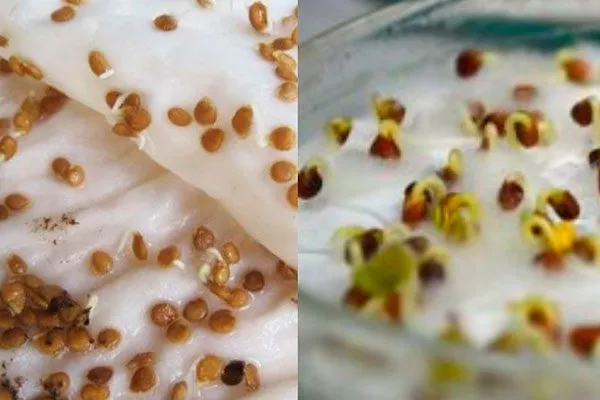
Next, you need to check their germination, which is a critical step. The procedure looks like this:
- Place a few seeds on a piece of paper;
- roll the sheet into a roll;
- place it in a minimum amount of water that will only cover the bottom;
- in a week you will see the first signs of germination;
- If the germination rate is less than 50%, it is better to abandon such material.
The next step is pelleting. There are special nutrient mixtures that should be applied to the seeds before sowing.
Container and soil
Experience shows that the ideal mixture for growing tomato seedlings is a combination of equal parts soil, compost, and humus. Potassium sulfate, superphosphate, and ash can be used as additional nutrients.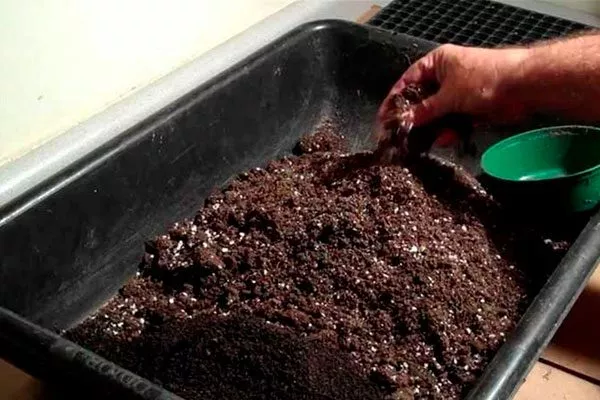
It's important to remember that creating this soil mixture should begin in the fall. If you plan to plant seeds in special containers, they should be placed outside or on a balcony over the winter to allow the soil to freeze and kill harmful microorganisms.
Features of container selection:
- Experienced gardeners often choose specialized containers for their containers. These can be purchased at a store or made at home.
The choice between plastic and wooden boxes depends on preference, but keep in mind that wood, due to its porosity, promotes the development of not only seedlings, but also microorganisms, including those harmful to plants. - A great option is peat pots, where each plant grows in isolation. This method has the advantage of eliminating the need for transplanting. Furthermore, the plants can be planted in the soil along with their pots, as the peat shell gradually dissolves with moisture, allowing the root system to develop unimpeded.
- If peat cups are unavailable, plastic ones with a capacity of 0.5 ml can be used. With this approach, the seedlings are transplanted into a hole in the garden bed with a lump of soil (without the container).
When growing seedlings in plastic containers, it's important to carefully monitor the soil's moisture levels. Sometimes plants can dry out due to insufficient moisture, when the soil in the pots becomes too compact, or when the roots begin to rot due to overwatering.
Sowing seeds
The plant growing process begins with adding drainage material to the bottom of the container—this could be expanded clay, fine-grained rock, or even lightly crushed eggshells. Then follow the instructions:
- Add the soil mixture to the container, filling it approximately 2/3 full.
- Water the soil thoroughly and let it soak in well.
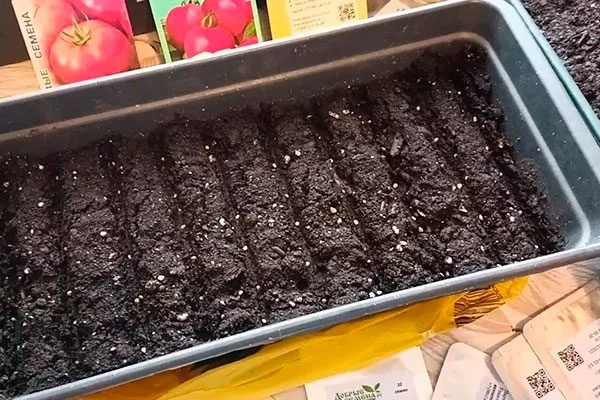
- In the moistened substrate, make strips for sowing, 0.5 to 1 cm deep.
- Place the planting material, keeping a distance of 1-2 cm between the seeds.
- After planting, carefully fill the furrows with soil and spray with water again.
- Cover the container with a protective layer - glass or plastic film - and place it in a warm place.
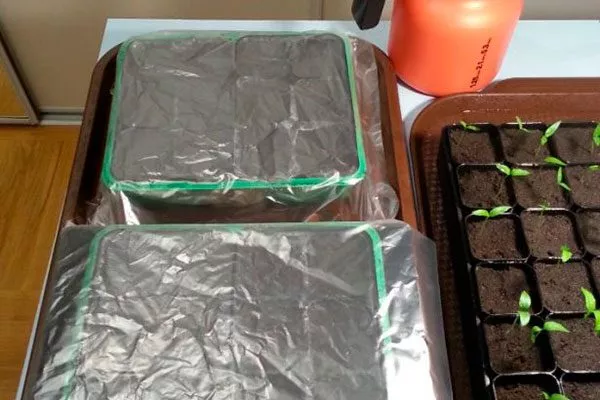
The first shoots should appear in 6-8 days. At this point, begin acclimating the plants to the light and other conditions: gradually remove the film or glass, not all at once, but rather gradually, spreading this process out over a week, initially uncovering the seeds only for short periods.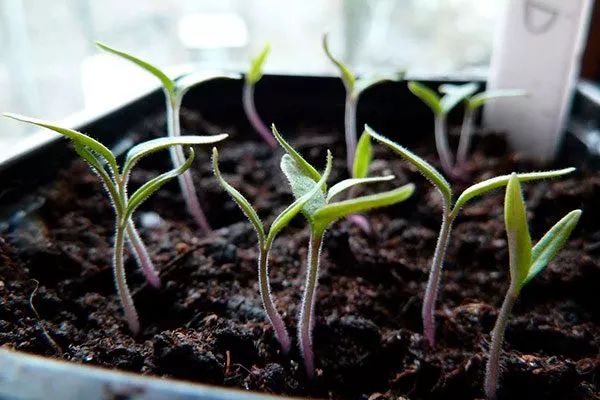
Growing and caring for seedlings
Keep in mind that overwatering seedlings can lead to undesirable consequences, such as root rot. It's best to water immature shoots directly at the base, using a syringe during the initial stages. This variety prefers frequent but moderate watering.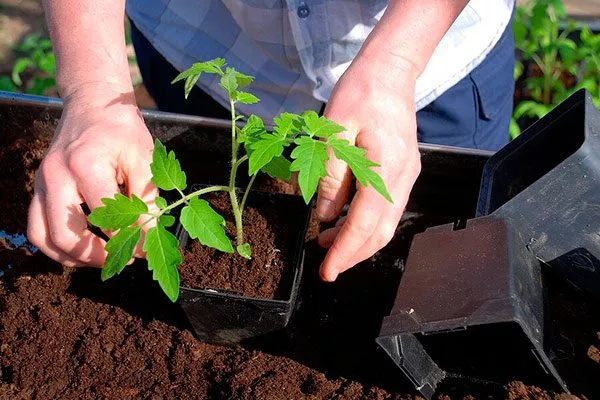
Other important aspects:
- Once the first true leaves appear on the young plants, you can begin the picking operation.
- From the very beginning, it's essential to provide good lighting, using artificial sources if necessary. The seedbed should be placed on a windowsill, while preventing frost penetration.
- When the young plants reach a height of about 20 cm, their stems and root system will begin to strengthen, the foliage will develop fully, so you can transfer the seedlings to open ground.
Care
Before planting the seedlings, make sure the soil is prepared. The hybrid prefers neutral soil, so it's recommended to check its acidity.
Aphrodite F1 grows well with:
- cucumbers,
- zucchini,
- zucchini,
- with dill.
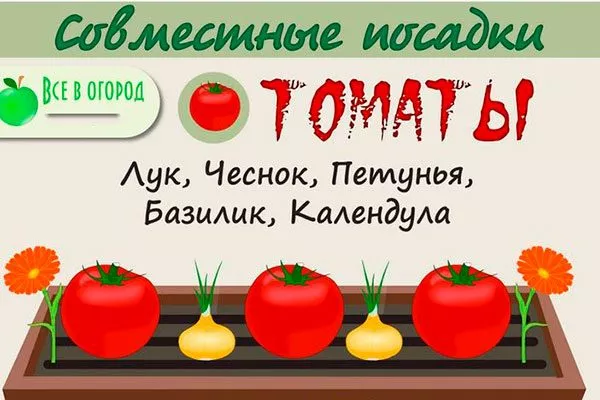
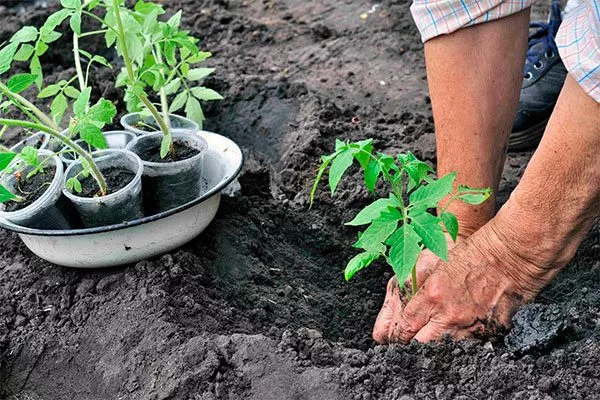
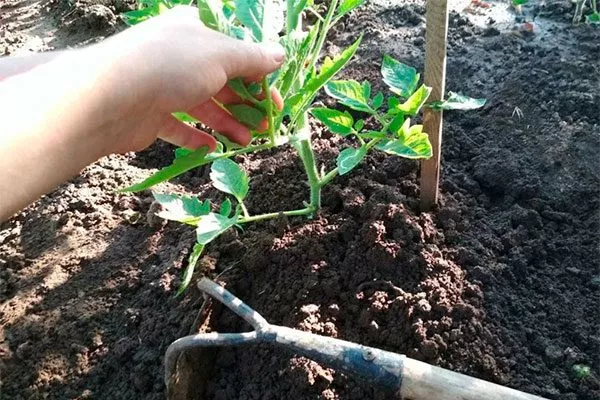
Before replanting, carefully dig up the area and transfer the plants using the transshipment method. This variety does not grow well in densely planted beds. Plant no more than four plants per square meter, leaving at least 50 cm between plants. Be sure to install supports immediately after planting, as the plants grow quickly.
Growing this hybrid requires simple agricultural practices that must be strictly followed:
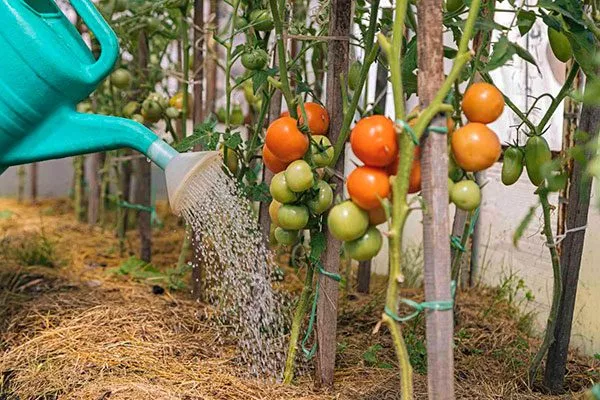
- Watering. It should be regular and abundant. In warm weather, do this every three days; in cool weather, once a week. Use warm, settled water, directing it toward the bush or into the hole.
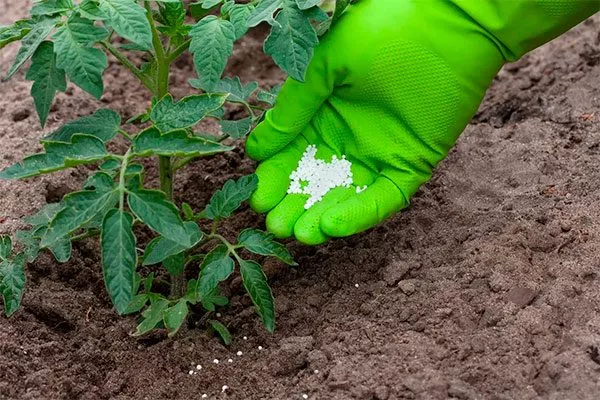
- Top dressing. Fertilization is performed three times: after planting, during flowering, and after the first fruits appear. Complex fertilizers are used.
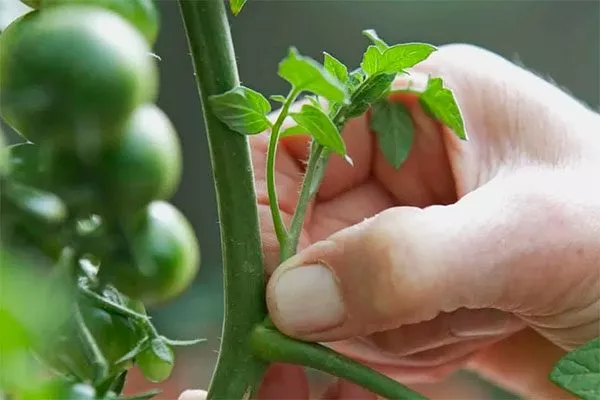
- Pinching out stepsons. To increase the yield, the bushes are formed into three to four main stems, removing young shoots every week.
- Soil care. After each watering, the soil around the bush should be loosened. The spaces between the rows should also be loosened periodically.
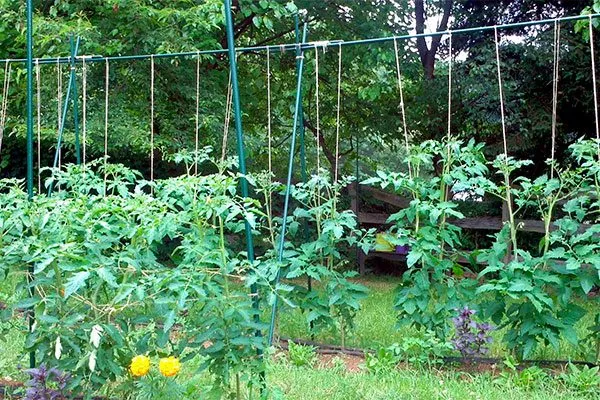
- Tying up the bush. When planting seedlings, a stake is inserted into the hole, and the stem is then tied to it. As the seedlings grow, they are tied several times to prevent damage to the fruit and the bush.
Potential difficulties when growing
One of the main mistakes when growing these early-ripening tomatoes is planting the seedlings in the open ground at the wrong time. In some climates, frosts can continue until the end of May, so it's best to keep the seedlings in a greenhouse to avoid damaging them.
Another challenge is the need for constant bush shaping, tying, and other measures. Without this, the vigorous growth of foliage can delay ripening and even the appearance of fruit.
A number of other difficulties:
At low temperatures, pollen doesn't have time to ripen. Therefore, it's important to monitor the temperature and regularly ventilate the greenhouse. It's also important to prune excess shoots promptly to prevent overloading the crown.
Although these tomatoes grow taller and produce more fruit in a greenhouse, the fruits are still tastier and denser when grown outdoors.
Pests and diseases
The Aphrodite F1 tomato is characterized by good resistance to various diseases and fungal infections thanks to its strong immune system. However, without proper care, plants can be susceptible to gray mold. To prevent this problem, carefully monitor the following:
- moderate irrigation to protect the roots from rotting processes;
- mulching around the roots, for which you can use straw or fresh, but seedless, grass;
- loosening the soil after each watering or rain to remove the dry crust that forms on the surface of the soil.
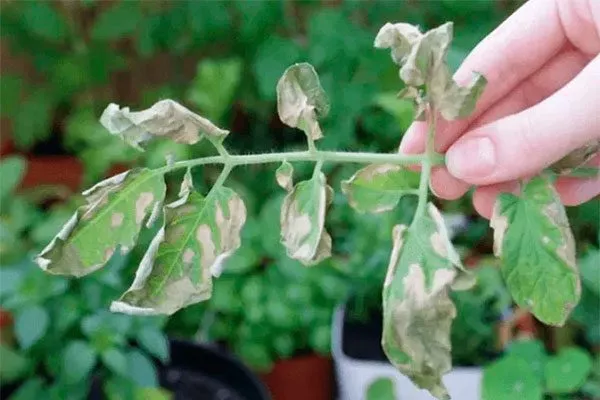
Damaging insects rarely visit these tomato plants. However, for additional protection, periodic insecticide treatments and careful removal of weeds, which can harbor pests, are recommended.
Preparing seeds for the future
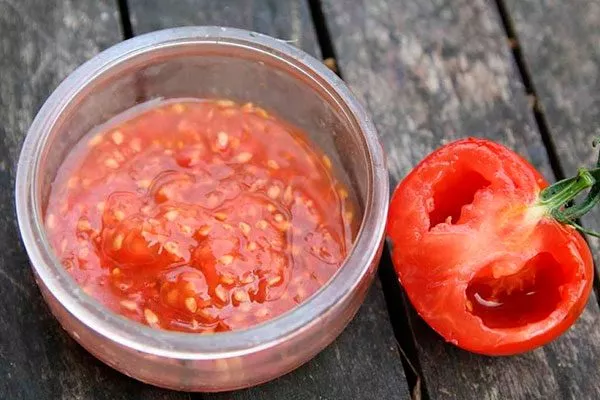
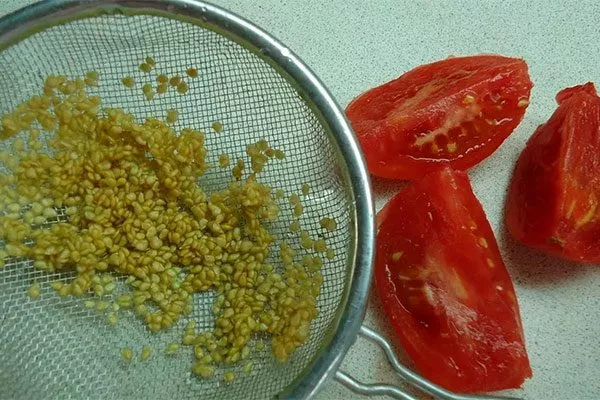
To collect seeds, select healthy, large fruits after harvesting. Select them from the second or third cluster of the plant, avoiding any that are rotten or have leaked. Then:
- The tomatoes are cut crosswise, the seeds are removed and they are left in a warm place for several days.
- Then rinse and dry.
- After complete drying, place them in paper bags and store in a cool, dry place, removing any damaged seeds beforehand.
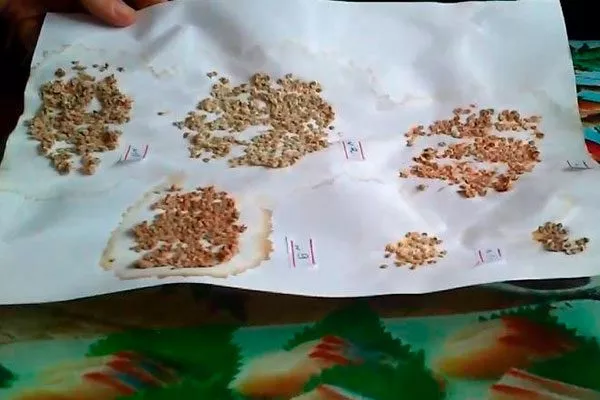
If you have any doubts about the quality of your seeds, test them in a salt solution (3-5%). For disinfection, add a small amount of potassium permanganate to the solution. The testing process takes only 15 minutes. Seeds that float to the surface are unsuitable and should be discarded, while those that sink to the bottom are suitable for further sowing.
Harvesting and using tomatoes
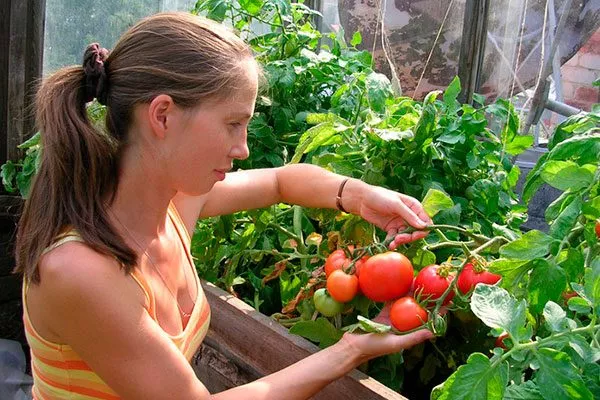
These tomatoes ripen almost simultaneously, by early August, making them easy to harvest and preserve. The fruits have an attractive appearance and, especially valuable, retain their appearance during transportation. The key is to harvest them correctly, following these guidelines:
- try to keep the stalk;
- do not wash before storing;
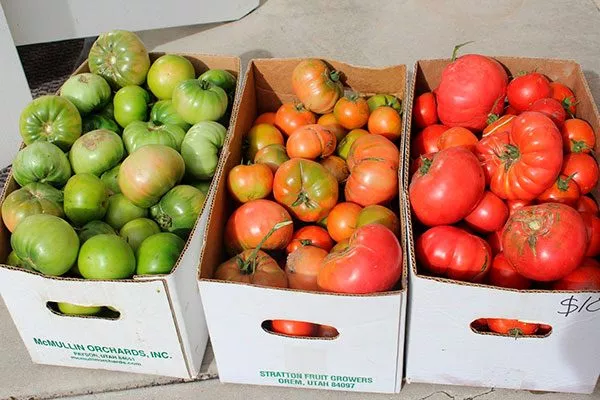
- Place in boxes in a maximum of 2-3 layers.
Storage temperatures range from 10-11 degrees Celsius. Humidity should be between 80 and 85%. Tomatoes will dry out at lower temperatures, while high humidity will cause them to rot.
The storage area should be free of pests and fungi. Tomatoes, thanks to their pores, are able to breathe and release moisture, which can create favorable conditions for bacterial growth. To prevent this, it is recommended:
- ventilate the storage area regularly;
- remove already spoiled fruits;
- Store fully ripe tomatoes separately from unripe ones, as they produce ethylene.
Pros and cons
The Aphrodite F1 variety has a number of attractive characteristics:
Among the disadvantages of the Aphrodite variety it is worth noting:
When compared, the variety has far fewer disadvantages and many advantages, making this tomato especially popular among vegetable growers.
Reviews
Many tomatoes produce a good harvest but suffer from diseases and pests. The Aphrodite F1 hybrid stands out among them for its increased resistance, while also boasting excellent taste and an attractive appearance. Gardeners also appreciate its other characteristics, such as productivity, early ripening, and more.