
Adonis is the name of an early-ripening tomato hybrid, grown primarily in greenhouses in winter-spring or extended rotations. Gardeners love it for its high yield, resistance to viral and fungal diseases, and ease of care. The fruits are distinguished by their marketable appearance, long shelf life, and suitability for pickling.
Origin and regionality
This hybrid tomato variety was developed in the late 1980s. It was developed by Russian breeder V. M. Motov, an employee of the research and production company Agrosemtoms. In 1998, his creation was added to the Russian Federation State Register.
The Adonis tomato has been approved for zone 1. It has been approved for cultivation in the following regions of the country:
- Northern;
- North-West;
- Central.
This vegetable crop is successfully cultivated by Russian gardeners in the Far East and northern regions of the country, as it is well-adapted to protected soil conditions. It can also be grown in open garden plots in areas with warmer and milder climates.
Description of the plant
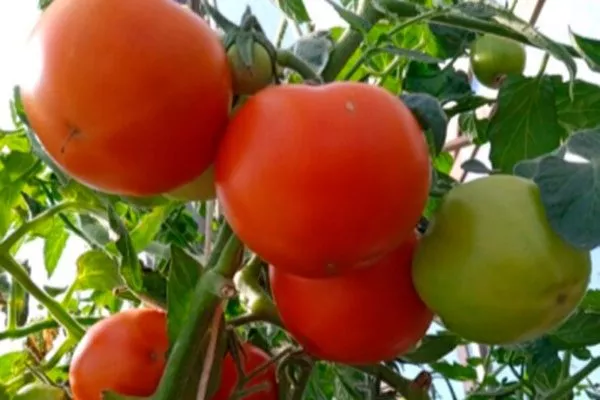
The tomato hybrid bushes are semi-determinate. A description of their appearance includes the following characteristics:
- height - 1-1.3 m (in open areas of the garden), up to 1.8 m (in protected ground);
- upright structure;
- vigorous growth;
- medium degree of branching;
- moderate foliage;
- foliage: medium-sized, dark green, slightly corrugated, typical tomato shape;
- inflorescences: simple, characterized by compactness (the first one is formed above the 8-9 leaf, the next ones are laid after 1-2 nodes).
Fruits, their taste and purpose
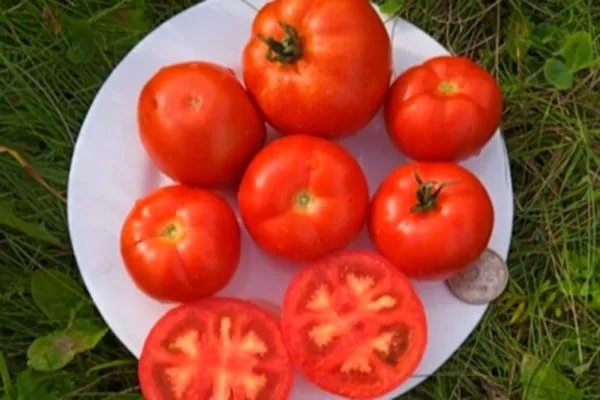
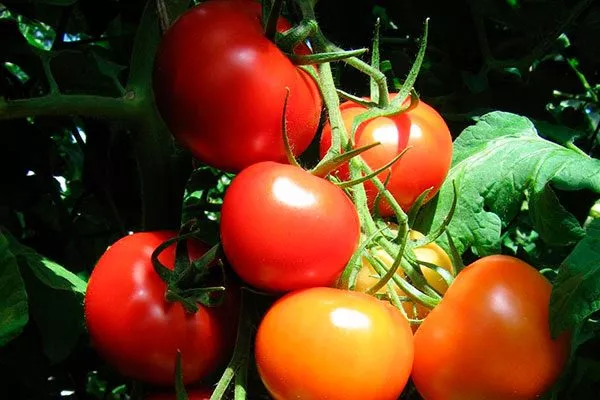
The hybrid tomato harvest delights gardeners with its attractive appearance and high consumer qualities. The fruits, although not very large, are uniform in weight and shape. They possess the following characteristics:
- neat round shape with a small depression at the base and a smooth top;
- weight - 97-102 g (with enhanced agricultural technology, the weight of a tomato reaches 130 g);
- red color with a pinkish tint;
- dense skin with a glossy sheen;
- pulp: uniformly colored, fleshy, moderately dense, with a sugary fracture and sufficient juice content, with 4-5 seed chambers.
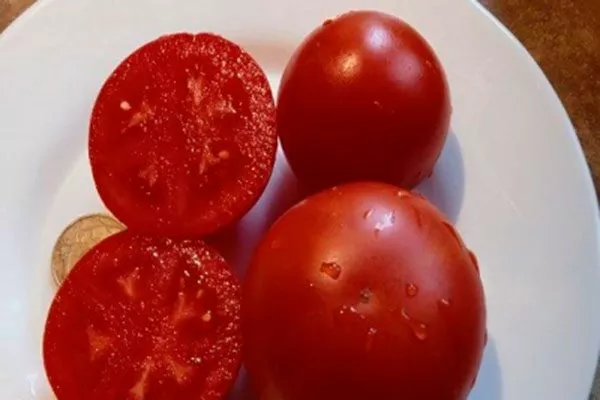
The Adonis tomato received an excellent tasting score. Its flesh delights the eater with a pleasant aroma and a harmonious flavor that combines sweetness with classic tomato tartness.
The purpose of the red-fruited crop is universal:
- fresh consumption;
- preparation of salads, first and second courses, sandwiches and pizza;
- processing into juice, puree, paste;
- canning;
- pickling;
- freezing.
Ripening and yield
This vegetable variety is classified as an early cultivar or hybrid. Its fruits ripen 110-115 days after sprouting (65-75 days after transplanting the seedlings into the garden). The first tomatoes ripen by the end of July. The harvest takes place in August.
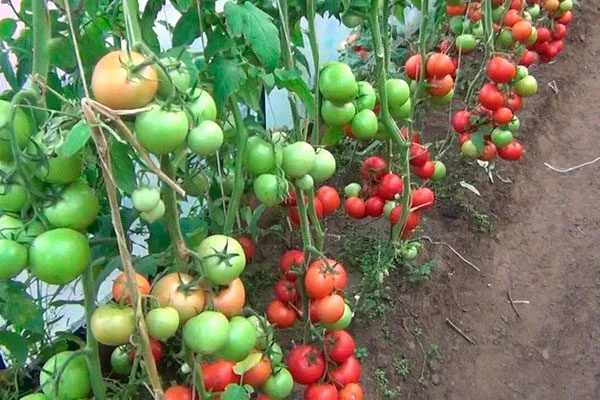
The yield indicators of the tomato hybrid are quite high:
- up to 10 kg from 1 plant is collected by summer residents growing Adonis in greenhouse conditions;
- 25-27 kg/sq.m is the average yield of a hybrid tomato;
- up to 26.5 kg/sq. m is the amount of fruits that can be harvested when growing the crop in winter-spring rotation;
- 31.5 kg/sq.m is the marketable yield indicator for extended turnover;
- 98% — marketable product yield.
This variety delights gardeners not only with its fruitfulness but also with excellent transportability and shelf life. The tomatoes don't bruise, leak, or lose their marketable appearance during long-distance transport. They stay fresh for three months indoors and up to six months in the cold.
Resistance to adverse conditions
This tomato hybrid isn't known for its hardiness or cold tolerance. It tolerates unfavorable growing conditions relatively well, such as:
- decrease in temperature and its sharp changes;
- insufficient lighting;
- overwatering.
All of the above factors cause a slowdown in crop growth, a decline in yield, smaller fruits and a deterioration in their taste, as well as bush disease.
When growing Adonis in greenhouses, pay special attention to the temperature conditions within the shelter. The following conditions are most favorable for the hybrid tomato:
- +18-25°C are the optimal temperatures for the growth and fruiting of bushes;
- +17-23°С — on cloudy days;
- +23-30°С — in sunny weather.
Please note that a drop in air temperature to +15°C causes this variety to stop flowering. In colder weather, it begins to wilt. Due to its poor cold tolerance, growing this hybrid in open garden areas is difficult.
Landing features
Grow Adonis tomatoes using seedlings. Sow the seeds after March 10th. Plant them before April 1st. When the seedlings are 50-60 days old, you can transplant them to the garden, including an outdoor bed (in warmer climates).
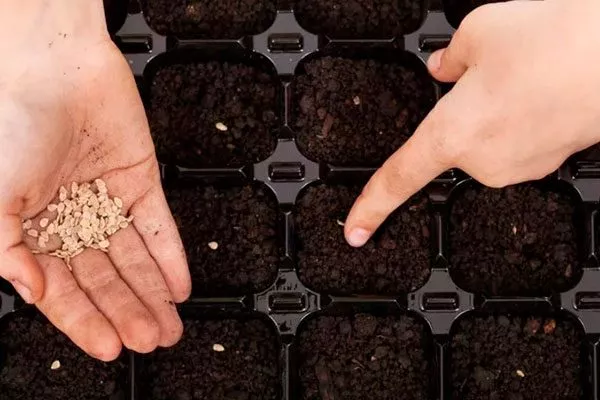
Sow hybrid tomato seeds in trays filled with a general-purpose potting mix from a flower shop. Plant them 1-1.5 cm deep. Be sure to moisten the seeds and cover them with plastic wrap. Keep them warm. Provide plenty of light, moderate watering, and fertilizer. Transplant after two true leaves appear.
If you plan to grow a variety of crop in an open area of your garden, choose a suitable site for it:
- solar;
- warm;
- protected from gusts of wind and drafts;
- non-floodable;
- with loose soil, rich in humus and having neutral acidity.
Fourteen days before transplanting the seedlings to their permanent location, dig up the soil, fertilized with organic matter in the fall. Level the surface. Dig holes, spacing them 30 to 50 cm apart. Row spacing should be 50-70 cm.
Plant the seedlings in a bed, adding a little ash, superphosphate, and humus to each hole. Do not break up the root ball. Place no more than four seedlings per square meter. Provide support, as this tomato variety requires staking.
Subtleties of agricultural technology
Caring for the Adonis tomato after transplanting the seedlings to their permanent location is not difficult. Provide the plants with sufficient moisture and nutrients throughout the growing season, and be sure to cultivate the soil regularly. Following proper agricultural practices will help you reap a bountiful harvest.
Watering
Water your hybrid tomato plantings according to the rules and recommendations of experienced gardeners:
- water the vegetable crop moderately;
- Pour water under the roots, avoiding splashes on the green mass of plants;
- water at least once a week;
- Do not allow the soil under the tomatoes to become over-watered to prevent a decline in yield and root rot;
- use only warm, settled water (its optimal temperature is +22-25°C);
- during the flowering period, use 4-5 liters of water per plant, during the fruiting period - 10-15 liters;
- on hot days, water the planting more intensively, focusing on the condition of the bushes (at least 3 times a week);
- Do not allow the soil in the garden bed to dry out for a long time, as a lack of moisture can lead to leaf fall, decreased crop immunity, and fruit spoilage;
- Don't forget about the need to loosen and weed the beds after each watering and rain.
What and when to feed?
The Adonis tomato grows and produces fruit well in fertile soil. With proper fertilization, you can achieve maximum productivity from your plants.
Follow the fertilizing schedule when growing hybrid tomatoes:
- Water the plants for the first time with a solution of mullein or nitroammophoska 20 days after planting;
- after 10 days, fertilize them with a mixture of nitroammophoska and potassium sulfate;
- after 2 weeks, add wood ash, crushed to a powder, and superphosphate under the Adonis bushes;
- During the period of intensive fruit formation, carry out another feeding of the vegetable crop, using sodium humate in liquid form with the addition of superphosphate.
Should I dive?
When growing tomato seedlings in a common container, perform a procedure called picking. After the first two true leaves have formed, transplant the seedlings into individual containers (large plastic cups with drainage holes in the bottom or peat pots) filled 1/3 full with nutrient-rich substrate.
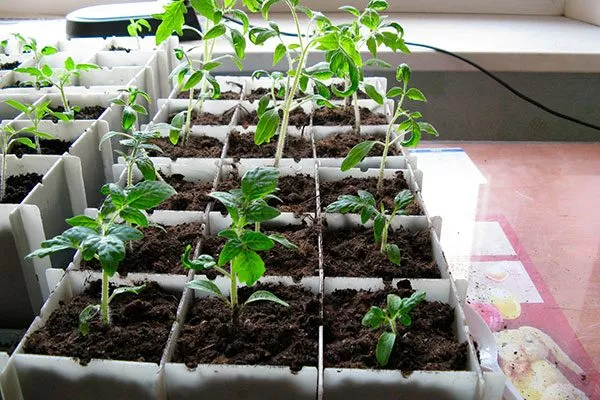
Pick tomatoes according to the following rules:
- perform the manipulation after watering;
- For convenience, use a stick or toothpick;
- When replanting, pinch off a third of the seedling roots;
- Plant the plants deep up to the cotyledon leaves.
- Make sure the leaves are 1 cm below the top of the pot.
To increase the seedlings' resilience, harden them off before transplanting them to the garden. Gradually acclimate the young tomatoes to the environmental conditions. To do this, 10-14 days before the planned transplant date, use the following techniques:
- gradually lower the temperature in the room where the seedlings are located to +13°C;
- Take the seedlings out onto the balcony every day (the first time, leave them there for 3 hours, then add an hour to the time they are outside).
Resistance to diseases and pests
This vegetable variety rewards gardeners with its strong immunity. It boasts good resistance to root-knot nematodes and many common nightshade diseases:
- Cladosporiosis;
- tobacco mosaic virus;
- Fusarium wilt.
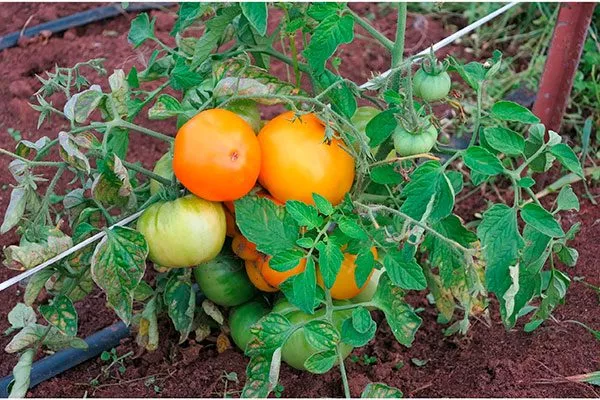
Under favorable growing conditions and with proper care, tomato plants are disease-free. Their health deteriorates when gardeners fail to follow proper agricultural practices. In this case, the plantings can suffer from late blight and rot, as well as attacks from pests (whiteflies, aphids, spider mites, slugs, and Colorado potato beetles).
Late blight is a dangerous infection for this hybrid. Its spores are quickly transmitted from one plant to another. If symptoms of fungal infection appear (gray-brown spots with a mold ring), take the following measures:
- remove the diseased bush from the garden bed to prevent the spread of the disease;
- Treat tomato plantings with Fitosporin-M.
If your Adonis plantings are affected by root rot, you'll recognize the disease by symptoms such as wilting foliage and darkening of the stems at the base. This fungal disease is dangerous. It stunts tomato development and leads to reduced yields. If left untreated, it can lead to death.
To save tomato bushes from rot, take the following steps:
- stop watering the planting;
- loosen the soil in the garden bed;
- pick off the lower leaves on the bushes;
- Spray the tomatoes with a fungicide such as Previcur Energy.
If your hybrid tomato suffers from pest attacks, use folk remedies (garlic or tobacco infusion, soapy water, mustard, or ground pepper). Hand-pick the insects. Commercial insecticides such as Aktara, Confidor, Decis, and Fitoverm will also help protect your plants.
Take preventative measures to maintain the health of your Adonis bushes and protect them from pest infestations:
- inspect the plantings from time to time to detect the first signs of disease or the presence of pests as early as possible;
- Water your plants properly to avoid rot;
- loosen the soil in the garden bed, hill up the bushes;
- remove weeds, remove plant waste outside the garden;
- Feed the crop to strengthen its immunity and prevent disease;
- avoid dense plantings;
- sterilize the working instrument;
- treat the seed material;
- observe crop rotation rules;
- disinfect greenhouses annually;
- maintain a favorable temperature and humidity level in them, and ventilate them regularly;
- Carry out preventative treatments of plantings with Bordeaux mixture or copper-containing preparations during the growing season, starting from the flowering phase, to prevent damage by late blight;
- Plant plants on the plot whose aroma repels pests (basil, coriander, lemon balm, parsley, thyme, tarragon);
- Spray tomato plants with garlic infusion to prevent pest attacks.
Pros and cons
The Adonis tomato has won the hearts of domestic gardeners thanks to its numerous positive qualities:
The tomato hybrid has very few disadvantages: relative cold resistance, the need to tie the bushes to supports, and their susceptibility to late blight in unfavorable seasons.
Reviews
Adonis is a product of domestic breeding. This tomato hybrid is beloved by gardeners for its excellent yield, high productivity, low-maintenance care, and disease resistance. It is a favorite among those who appreciate classic red tomatoes with their distinctive sweet-and-sour flavor, long shelf life, and excellent transportability.