
Apricots attract gardeners not only with their exotic appearance, with a delicate "fluff" on the surface, but also with their excellent flavor, which combines sweetness and richness. The tomatoes are fleshy and ideal for both fresh salads and processing. The compact size of the bushes and excellent varietal characteristics make them suitable for growing in small plots.
Varieties
Apricot is a popular variety with many positive attributes. It has two varieties, each with different characteristics but equally popular.
| Name | Ripening period | Bush height | Fruit color | Fruit weight |
|---|---|---|---|---|
| Summer apricot | Mid-season | 150-160 cm | Orange | 400-800 g |
| Yellow apricot | Early ripening | up to 40 cm | Bright yellow | 50-80 g |
Summer apricot
This mid-season variety is suitable for both open and closed cultivation. It is a semi-determinate variety.
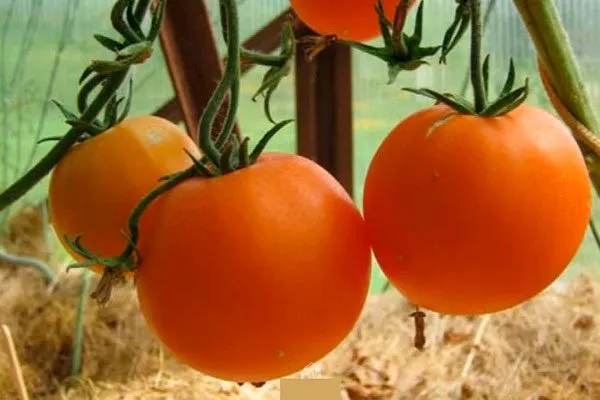
Its main qualities:
- The bush reaches a height of 150-160 cm.
- The tomatoes are a rich orange color, have a round-flat shape, and are large in size – weight varies from 400 to 800 g, and individual fruits can reach 1 kg.
- The tomato pulp is juicy, with a delicate taste, and there are few seeds in it.
To increase yield, the plant needs to be shaped: it is recommended to leave 2-3 shoots.
Yellow apricot
This early-ripening variety is successfully grown both indoors and outdoors. It is a determinate plant, reaching a height of no more than 40 cm.
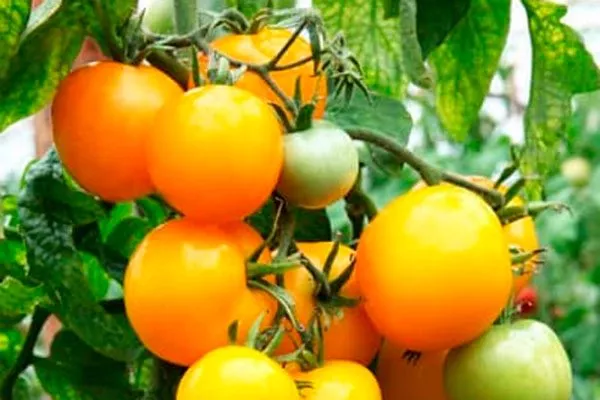
Distinctive characteristics of the fruits:
- Form - rounded.
- Color - The peel is colored bright yellow.
- Weight - The average weight is 50-80 g.
This variety produces abundant fruit—during ripening, the shoots are covered with clusters of tomatoes. It requires support and pruning, removing excess shoots. The bushes are resistant to nightshade diseases.
Description of the plant, fruits and their taste
The bush reaches a height of about 150-180 cm. Main features:
- The shoots are covered with large green leaves with a slight bluish tint.
- The tomatoes are large, flattened and round. As they ripen, their color changes from green to a rich yellow-orange.
- Fruit weight varies from 400 to 1000 g.
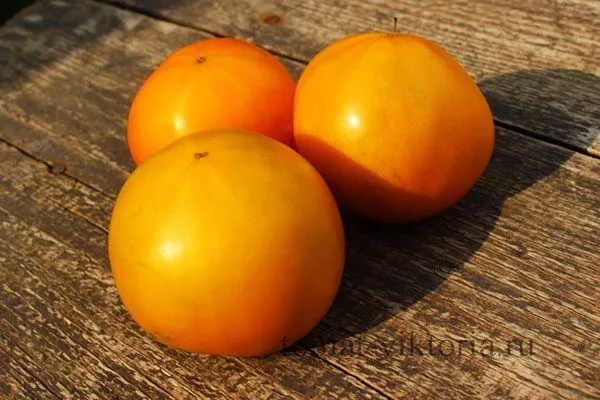
The pulp is juicy, delicate, and sweet, with fruity notes and a small number of seeds. It has a sugary consistency and a vibrant aroma, and is yellow-orange in color.
Characteristics
The Apricot tomato has many positive qualities that make it popular. It is highly productive, rarely prone to disease, and is virtually pest-free.
Origin and regionality
It was developed by breeders from Riga (Latvia) and introduced in 1999. After successfully passing all the necessary variety tests, it was included in the State Register of Russia in 2002.
Tomatoes are adapted to greenhouse conditions in temperate climates, and in southern regions, they are successfully grown in open fields. In northern regions, successful cultivation requires supplemental heating, even in greenhouses.
Application of fruits
Tomatoes are rich in vitamins and microelements, making them healthy. They are eaten fresh and preserved in slices. They are also used to make ketchup and tomato paste.
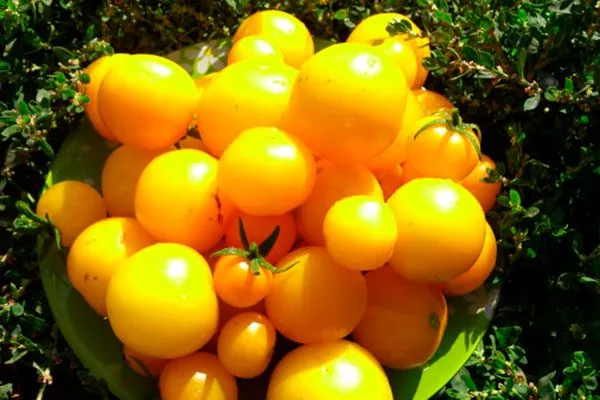
Its sweet flavor and juicy flesh make it a wonderful addition to salads, appetizers, and hot dishes. Apricot tomatoes complement meat and vegetable dishes perfectly, enhancing the flavors of other ingredients.
Ripening and yield
The first tomatoes ripen 110-115 days after seed germination. This variety is characterized by an extended fruiting period, continuing until the onset of cold weather. Harvesting begins in July and ends in September.
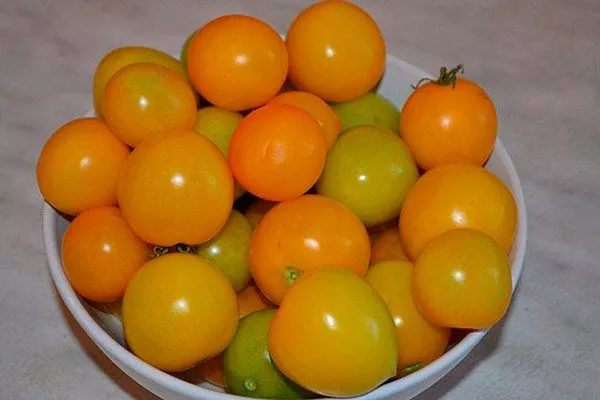
The Apricot tomato demonstrates excellent yields. A single bush yields 3-5 kg of vegetables, and up to 18 kg per square meter.
Planting and growing
Tomato plants are grown using seedlings. It's important to follow certain guidelines to ensure strong, high-quality seedlings.
Choosing a landing site
Select a suitable site to provide optimal growing conditions for your plants. The location should meet the following criteria:
- Solar lighting: Tomatoes require a sunny location that provides at least 6-8 hours of bright light daily.
- Wind protection: Fragile stems and leaves need protection from strong winds. Areas near a fence or wall are ideal.
- Fertile soil: The bushes prefer fertile, well-drained soil. Before planting, enrich it with organic fertilizer or compost.
- No shading: For full growth, choose areas without shade from trees or tall plants.
- ✓ The area should be protected from northern winds to prevent flowers from freezing in the spring.
- ✓ The soil should be well-drained, with a pH of 6.0-7.5, for optimal root growth.
By creating the right conditions, you will ensure active growth of bushes, abundant fruiting, and a high-quality harvest.
Rules and timing of sowing
If you decide to grow your own seedlings, sow the seeds in early spring, approximately 6-8 weeks before the last frost. For outdoor planting, sow the seeds from late spring to early summer, when the soil temperature has warmed to 15-20°C.
Tomato soil should be fertile, well-drained, and rich in organic matter. Before planting, amend the soil with compost or humus and thoroughly till the beds. Create a support frame to support the plants as they grow.
Growing seedlings
Provide the seedlings with proper care. Regularly feed them with mineral fertilizers high in potassium and phosphorus.
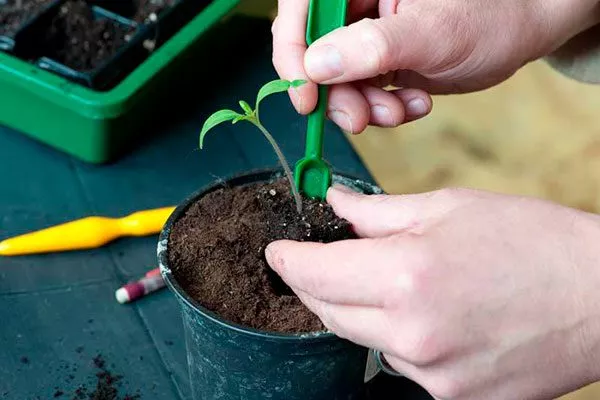
Additional requirements:
- Moisten the soil with warm water from a spray bottle.
- Before planting the seedlings in the beds, harden them off by leaving them in the fresh air for a few days so that the plants get used to temperature fluctuations.
Transplanting seedlings into a greenhouse or open ground
Plan the planting for cloudy, dry weather to prevent sunburn on young seedlings. The best time for planting is mid-May, when the soil has warmed up sufficiently and the risk of frost is minimal.
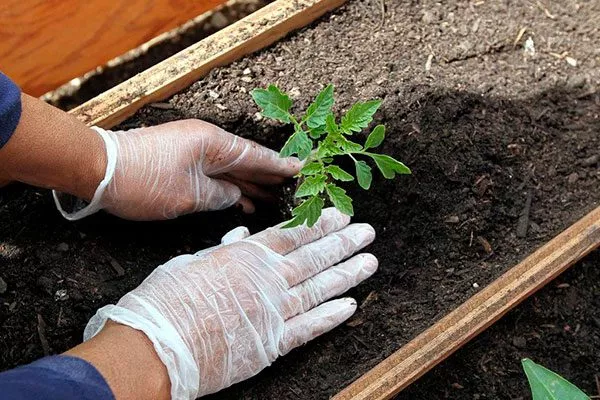
Helpful tips:
- Plant the seedlings in pre-prepared holes, 40x40 cm in size. Add compost and wood ash to each hole, and water the holes with warm water before planting.
- If the seedlings are in peat cups, then simply deepen the plants and containers into the furrows.
- For bare-root plants, prepare the holes at an angle, with the roots facing south at a 45-degree angle and the tops slightly above soil level. Bury the bottoms in the soil, gently compacting the space around the stems.
The final step is to water the seedlings with a calcium nitrate solution (1 tablespoon per 10 liters of warm water). If desired, cover the beds with mulch, such as straw or sawdust.
Caring for tomatoes
Apricot trees require regular watering and fertilizing. Water the bushes at least once every 7-10 days. To reduce moisture evaporation from the soil surface, mulch the beds with last year's leaves, wood shavings, straw, or grass clippings.
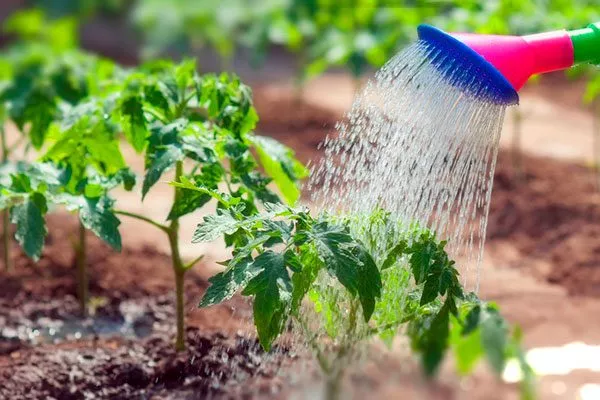
The mulch layer should be 3-5 cm thick. This prevents soil compaction, suppresses weed growth, and promotes earthworm populations, improving soil structure and fertility. During the summer, remove excess side shoots and trim lower leaves to improve ventilation.
The culture requires constant fertilizing:
- Fertilize the bushes 2-3 times a month with complex substances.
- 7-10 days after planting the seedlings in the ground, add an infusion of mullein or chicken manure, diluting 500 ml of manure in 10 liters of water.
- After 14 days, feed the bushes with mineral fertilizer containing phosphorus, nitrogen and potassium.
- After another two weeks, apply a manure infusion with the addition of superphosphate (20 g) and nitroammophoska (20 g). Be sure to water the soil before applying. The prepared solution is enough to water 20 bushes.
Pour the solution carefully at the base of the plants, avoiding any drops falling on the leaves – this will protect them from sunburn.
Possible problems
It's important to treat the plants with insecticides and fungicides to protect them from pests and diseases. For good fruit set and delicious tomatoes, plant the seedlings in sunny areas. This variety doesn't have any special moisture requirements.
This hybrid may be susceptible to frost, despite being part of the Ural collection. If planting was done early, prepare a covering material in advance to protect the plants from low temperatures.
Diseases and pests
Despite its strong immunity, the Apricot tomato can be susceptible to attacks from certain insects and diseases, which can impact yield and appearance. It's important to identify these problems promptly and take measures to prevent and eliminate them.
Tomatoes can be susceptible to various diseases, including:
- Phytophthora. A fungal disease that causes bushes to wilt and die. To prevent this, maintain a proper watering regime, ensure good drainage, and monitor moisture levels. Remove affected plants promptly and apply fungicides such as Hom, Topaz, or Ridomil Gold.
- Powdery mildew. A fungal disease characterized by a white coating on leaves and stems. To prevent this, maintain good ventilation and humidity. Use fungicides such as Skor and Fundazol.
- Bacterial cancer. A dangerous disease that causes stem and root rot. Prevention involves planting healthy plants in cleared soil and regular maintenance.
- Mosaic. A viral disease that causes leaf and fruit deformation. To prevent the disease, control insects that can transmit the virus. Maintain cleanliness and hygiene in the area.
To prevent these and other diseases, inspect your bushes regularly and take timely measures.
Pests and methods of control:
- Aphid. A small insect (about 2 mm) that feeds on plant sap. It is characterized by high reproductive capacity and rapid reproduction.
Attract insects that fight aphids, such as ladybugs. Use insect repellents, such as soap solution and garlic and onion infusions. Effective insecticides include Aktara and Fitoverm. - Mole cricket. A large insect, up to 5 cm long, that eats roots, which can lead to their death. Set traps, use special products (Medvetoks), and plant plants that attract mole crickets near your garden beds: calendula, aster, and sunflower.
- Whitefly. A small insect (about 3 mm) that feeds on flowers and leaves, which can lead to wilting and reduced yields. Destroy affected bushes. Use pest control products such as Confidor, Aktara, and Fitoverm.
Regular plant inspection, early detection of pests, and the use of effective control methods will help maintain healthy tomatoes and improve productivity.
Varieties with similar names
Hobby gardeners don't limit themselves to growing traditional varieties, regularly experimenting with new plant species. In the world of tomatoes, there are not only Apricot tomatoes, but also hybrids and varieties with similar names:
| Name | Description |
| Fluffy apricot | These dark pink tomatoes have velvety skin reminiscent of a peach. They are large, weighing up to 700 g, and have a unique flavor. They are used in salads and for processing into juices or lecho. The yield is high, but the fruits ripen late. |
| Peach | A variety similar to apricot tomatoes, but more low-maintenance and with a medium yield. The tomato's flavor is appealing, especially to children, as it resembles a fruit rather than a vegetable. |
| Apricot bast shoe | A rare variety with red-pink fruits covered with soft fluff. |
| Apricot F1 | A hybrid variety with fleshy, dark pink tomatoes covered in soft fuzz. Developed specifically for open ground and unheated greenhouses, it delivers a bountiful harvest with minimal effort. |
Pros and cons
Before planting a crop, it's important to carefully study its characteristics, advantages, and disadvantages. This will help avoid potential difficulties during cultivation.
Apricot has many advantages:
There are some drawbacks, but they are minor. At high temperatures, ovaries may not form, and stems may not grow. The vegetables can vary in size and shape, from small and smooth to large and ribbed.
Reviews
The Apricot tomato has been a favorite among gardeners in our country for many years. Despite some care requirements, it boasts excellent flavor, and the bushes delight with long-lasting fruit production. This variety has proven itself to be the best choice for growing in open beds and greenhouses.