
Abakansky Rozov is a large-fruited tomato variety renowned for its high productivity and excellent taste. The fruits have a delicate raspberry-pink color, a fleshy texture, and a rich, sweet flavor, making them ideal for salads and preserves. This variety requires minimal care, provided basic farming recommendations are followed.
History of creation
Developed by the Moscow-based company ZAO Lans, its registration began in 2005 and it was added to the State Register in 2007.
Characteristics of the variety
Abakansky Pink attracts vegetable growers with its high yield, excellent flavor, and disease resistance. Its low maintenance makes it an excellent choice for beginners.
Description of the bush and fruits
The cultivar is determinate, meaning it grows only until a certain number of ovaries are formed. The shoots reach an average height of approximately 150 cm, with a moderately branched crown.
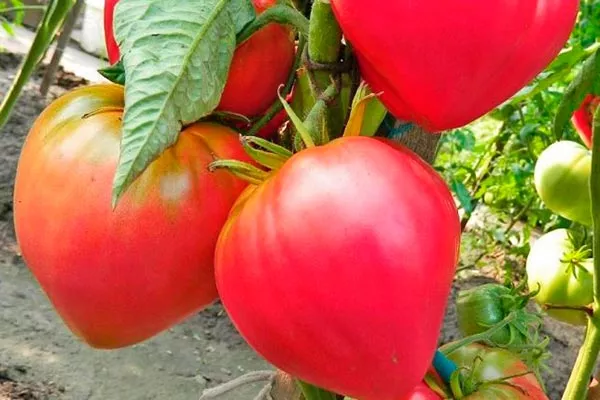
Distinguishing characteristics:
- The leaves are medium-sized, green, and sparsely distributed. They have a noticeable cross-section and are lightly pubescent on the underside.
- Unripe tomatoes are light green in color, which gradually turns pink.
- The tomatoes are round or flat-round, reminiscent of a "beef heart," with slight ribbing. Weight ranges from 200 to 500 g.
The pulp is dense, juicy, and meaty, without being excessively watery. Inside, more than six seed chambers form, containing a small number of small seeds.
Productivity and fruiting
The growing season of Abakansky Rozovyi is approximately 115 days. The variety is characterized by good productivity and excellent fruiting. A single cluster produces 5-6 fruits.
When grown outdoors, up to 5 kg of tomatoes can be harvested per square meter. In a greenhouse, the yield increases and can exceed this figure by several kilograms.
Resistance to diseases, pests and weather factors
The Abakansky Pink variety is characterized by strong immunity, eliminating the need for chemical pesticides. However, pest control is more complex. The Colorado potato beetle poses the greatest threat, especially to young plants and unripe fruit.
This variety is sensitive to sudden temperature fluctuations. In regions with unstable and cold climates, it is recommended to use a covered cultivation method. In hot countries with particularly strong sun, due to the sparse foliage, it is necessary to protect the plants from the scorching rays to preserve the harvest.
Storage, transportation and regionality
Tomatoes have fleshy flesh that remains intact even under slight pressure, making them suitable for long-term storage. Their thick skin reliably protects the fruit from damage, making them suitable for transportation, even over long distances.
The crop is successfully cultivated throughout the country, including the North, Northwest, Central, Far East, Volga-Vyatka, Caucasus, and Ural regions. In cool climates, the bushes are grown in greenhouses. In warmer climates, the bushes are grown in open ground.
Taste and uses of tomatoes
The vegetables have a sweet and sour taste with a rich aroma. According to gardeners, the abundance of sunlight during the season increases the sugar content. This variety is ideal for preparing fresh vegetable salads and sliced vegetables.
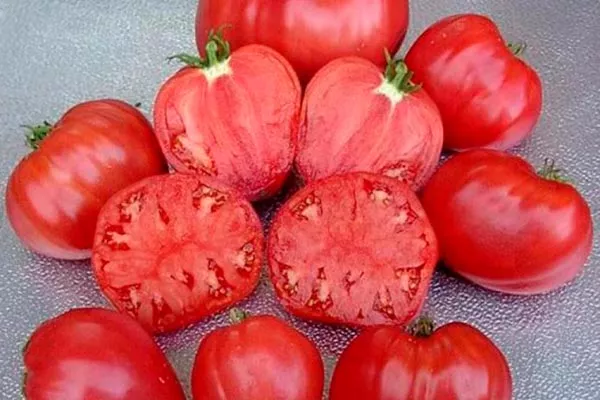
Thanks to their fleshy texture, the fruits are widely used to make pastes, ketchup, sauces, and adjika. Their high sugar content and ripeness make them an excellent choice for tomato juice.
Medium-ripe vegetables are used for pickling and marinating, as they retain their shape better. Overripe vegetables may become misshapen and less suitable for canning.
Planting Abakan Pink tomatoes
In favorable climates, the crop can be successfully grown without using seedlings. However, in regions with cooler weather, this cultivation method remains the preferred one.
Timing and rules for seed preparation
In the central part of the country and in most regions of Siberia and the Urals, sow Abakansky Pink tomato seeds for greenhouse cultivation in mid-February or early March. If you plan to sow outdoors, postpone this time by 3-4 weeks.
Prepare the planting material in advance: place the seeds in a glass of salted water (at 50-60°C). Use only the seeds that remain at the bottom for sowing. Disinfect the seeds by soaking them in a weak solution of potassium permanganate for 15 minutes.
- ✓ Optimum soil temperature for sowing seeds: +25°C.
- ✓ Seed sowing depth: 2 cm.
- ✓ Distance between seeds when sowing: 2.5 cm.
To sow, water the soil first and fill the containers. Place the seeds in holes 2 cm deep, spaced about 2.5 cm apart, then cover with loose soil to a depth of about 5 mm. After sowing, moisten only the top layer of soil.
Preparing the soil and container
When planting Abakansky Pink tomato seeds, it's recommended to use commercial soil, as it's already disinfected and contains all the necessary nutrients for healthy plant growth. If you're preparing the soil yourself, add peat moss, humus, and sawdust to improve its structure.
Use hydrogen peroxide to disinfect the soil. Planting containers should be clean and dry. Wooden boxes, which provide good air circulation and are easy to use, are ideal.
Sowing and caring for seedlings
Sow seeds 65 days before planting in a greenhouse or garden bed. When the seedlings develop their first two true leaves, transplant them.
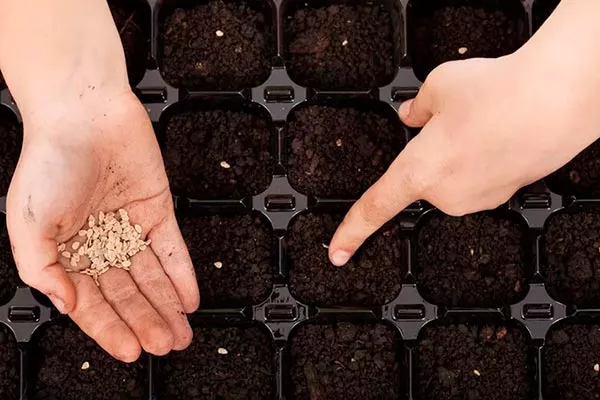
Place the containers with the seedlings in a warm location where the temperature will be maintained at 25°C. To speed up the process, cover the tomatoes with plastic wrap. Water using a mister to avoid damaging the tender sprouts.
Transplanting seedlings into soil
At this stage, the plants are not yet strong enough, so special care is required when moving them to open beds. The seedlings should reach about 30 cm in height, so be very careful when moving them.
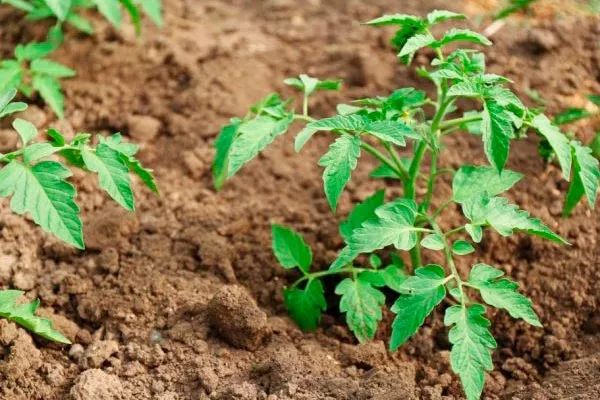
Prepare the soil, fertilize and moisten it, and then select the strongest and healthiest seedlings for planting. Space them according to a two-row pattern:
- In open ground Maintain a 50-60 cm spacing within a row when forming a bush with 2-3 stems. The distance between rows should be 40-50 cm, and the spaces between the strips should be 80-100 cm.
- In the greenhouse grow in one stem, reducing the distance between bushes to 30-40 cm and between rows to 40-50 cm.
Next, take care of the plantings so that they develop well.
Further care
Even the most undemanding variety will yield an excellent harvest with proper care. Growing tomatoes is not difficult, but it does require some careful cultivation. The crop is weed-intolerant, so regular weeding is essential.
Watering
Timely watering is an important part of caring for the Abakansky Pink variety. In a greenhouse, pour warm, settled water under the roots every five days. Before fruit set, use 4-5 liters of water per square meter, and double this amount during the tomato development period.
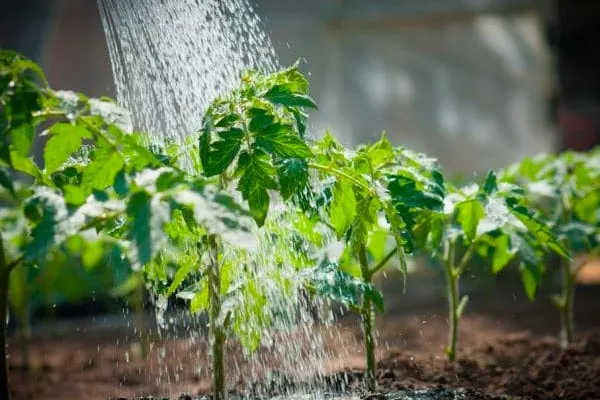
Outdoor care depends on weather conditions. Make sure the soil doesn't dry out, but remains slightly moist. If there's no precipitation, water the plants generously.
Soil care, pinching out side shoots and garter
To ensure better moisture penetration to the roots, loosen the soil regularly after each watering, removing weeds along the way. Loosening prevents water stagnation, which promotes proper absorption of essential nutrients by the plant, helps eliminate insects, and reduces the risk of disease.
Loosen only the top layer of soil to a depth of 4-5 cm to avoid damaging the roots. Deep loosening can damage the root system and create entry points for root rot, verticillium wilt, and fusarium wilt pathogens.
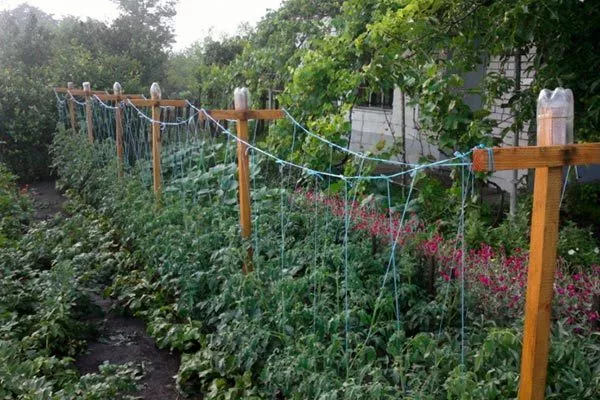
Remove side shoots regularly: twice a week in a greenhouse, once a week in the open ground. Since the bushes are quite weak, secure the stems and branches as they grow. To do this, install trellises in advance, driving stakes or crossbars above the rows, and tie cords to them to support the plants.
Top dressing
For large-fruited nightshades, such as the Abakan Pink, supplemental feeding is an important part of care. Follow these recommendations:
- At the beginning of their development, the crop requires moisture and nutrients. Therefore, before planting, loosen the soil and enrich it with organic fertilizers such as humus or compost. Tomatoes respond well to herbal infusions and diluted bird droppings.
- At the beginning of the growing season, apply nitrogen fertilizers. During flowering and fruiting, apply phosphorus and potassium fertilizers, avoiding potassium chloride, which is ineffective for this variety.
- To improve the flavor of tomatoes, use potassium magnesium sulfate. It imparts sweetness and a rich flavor. One to two applications, spaced 14 days apart, are sufficient.
The nuances of growing in open ground and in a greenhouse
When growing tomatoes in a greenhouse, it's important to thoroughly prepare the space before planting the seedlings. Disinfect not only the soil but also all hard surfaces. Treat the window vents, doorways, and stakes to which the shoots will be tied. For disinfection, use a weak solution of potassium permanganate.
One of the main challenges when growing crops in a greenhouse is maintaining dryness. Regular ventilation is essential. Pay special attention to loosening the soil, as a crust quickly forms on it, preventing oxygen from reaching the roots.
Potential problems during cultivation and their solutions
Beginning vegetable gardeners often encounter problems when plants take too long to grow and become leggy. In such cases, it's recommended to spray the leaves with a weak urea solution or water.
Follow these recommendations:
- After treatment, sprinkle the soil with sifted peat moss or a thin layer of compost to retain moisture longer and prevent evaporation. Keep in mind that excess moisture, especially on cold days, can be dangerous and even lead to root death.
- In open ground, water plants in the afternoon, when the sun is less intense. This also helps prevent water from evaporating too quickly.
- If flowers begin to fall from the bushes, this indicates a lack of moisture. In this case, increase the frequency of watering and additionally irrigate the plants with a weak boron solution.
Despite potential difficulties, the Abakansky Pink tomato is characterized by excellent flavor and high yields. Beginners may find this variety difficult to grow, but proper cultivation techniques are actually sufficient. This will improve productivity.
Fruit harvesting and storage
Tomatoes of this variety stay on the vine well until fully ripened, provided they are regularly supported. However, for a higher yield, harvest the vegetables at the milky stage of ripeness and store them in a single layer in low crates.
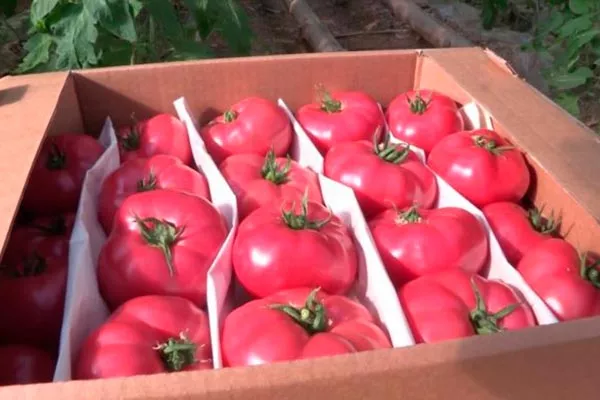
Indoors, tomatoes ripen well, acquiring their desired color, texture, and flavor. During this time, the plants continue to form new fruits, devoting their energy to their development.
Treatment and prevention of diseases and pests
Abakansky Pink has good resistance to most diseases. However, if cultivation practices are not followed, it can be susceptible to various infections and pest attacks:
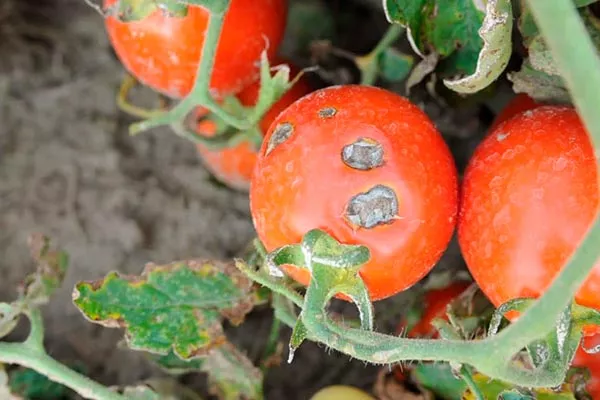
- Late blight. A fungal disease that causes leaf wilting and fruit rot. To combat late blight, use chemicals such as Thanos, Ordan, Hom, and Furacilin. Milk and iodine are effective folk remedies.
- Brown rot. It manifests as spots that enlarge over time. The main cause of the disease is excess moisture. To combat it, use products such as Fitosporin, Bordeaux mixture, copper sulfate, and Trichopolum. Garlic is also a folk remedy.
- Colorado beetle. Hand-pick pests and attract natural enemies such as ladybugs, ground beetles, and lacewings. Spray the bushes with chemicals such as Agrovertin and Fitoverm.
- Mole cricket. They dig burrows that are visible on the soil surface. To repel the pest, bury eggshells, use kerosene, or treat the roots with birch tar before planting. The chemical Medvetox can also help.
- Wireworm. To combat wireworms, loosen the soil regularly and remove weeds. Folk remedies such as celandine and potassium permanganate are effective. Set traps.
- Aphid. Use chemicals to control insects. Washing with water and hand picking won't work, but bleach and products like Biotlin or Iskra will work well.
To prevent diseases, prepare a solution of 75 g of lime, 100 g of copper sulfate, and 10 liters of water. Apply the solution 2-3 times during the growing season, using no more than 200 ml of solution per square meter.
The Colorado potato beetle is the most dangerous pest. A garlic infusion is effective against it: chop 1.5 kg of garlic, pour 10 liters of water, and add 2 g of potassium permanganate. Apply the solution every two weeks after fruit set, using 500 ml per plant.
Wood ash helps repel insects – spray the plants or sprinkle it on the surrounding soil. To spray, dissolve 100 g of ash in 10 liters of water and let it steep for 3 hours, using 500 ml. For soil treatment, use about 50 g of ash per plant.
Pros and cons
To avoid potential difficulties during cultivation, it's important to carefully study the crop's characteristics. Abakan Pink has both advantages and disadvantages.
The low shelf life is compensated by a long fruiting period and good productivity, which makes this variety valuable for many vegetable growers.
Reviews
Abakansky Pink produces delicious and beautiful tomatoes. It's considered a highly productive variety for gardeners seeking a consistent, high-quality harvest. Despite the need for regular pinching and watering, it lives up to all expectations. With proper cultivation practices, you'll be able to harvest a decent amount of tomatoes.