
The Zvezda Vostoka pepper is a hybrid and a variety that includes a series of subvarieties with the same name. The differences lie in color, size, and key characteristics. Regardless of the subvarieties, all peppers are distinguished by their excellent marketability, high yield, and ease of cultivation.
History of the variety
The development of the variety group was carried out by the breeding company “SeDeK”, founded in the 95s of the last century.
The center is located in the Moscow region. The main hybrid, Zvezda Vostoka, was developed in 2007. Several authors worked on the selection simultaneously: Dubinina I.N., Dubinin S.V., and Lukyanenko A.N.
Description of the sweet pepper Star of the East F1
Star of the East belongs to a group of sweet peppers characterized by large fruits and fleshy flesh. This hybrid is suitable for growing in both open beds and greenhouses.
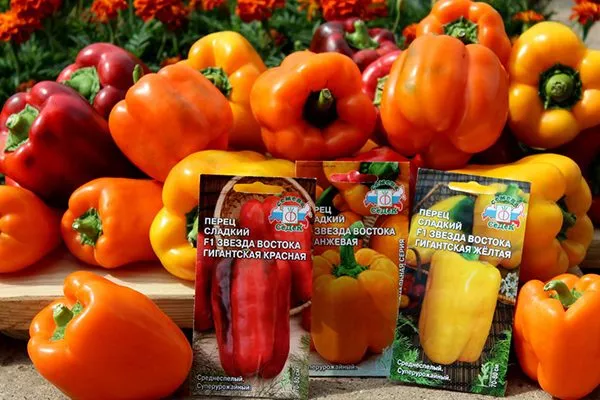
Characteristic features:
- Bush. Considered a vigorous, semi-spreading plant, it reaches a height of 60 to 80 cm, but if trained into two stems and grown in a greenhouse, the vigorous vines can reach up to 200 cm. A single bush produces 7 to 11 drooping fruits. The leaves are large and green, with a slightly wrinkled texture.
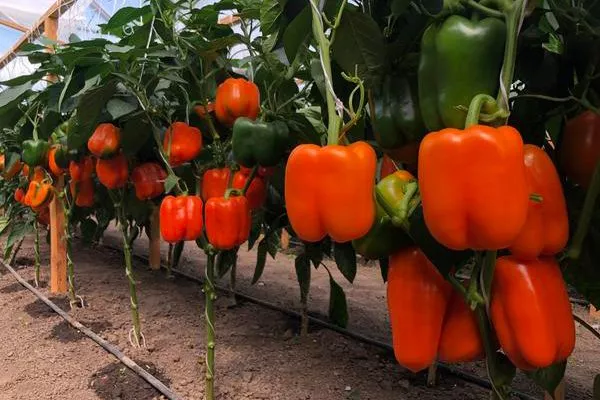
- Fruit. They are cubic in shape and red in color, large in size (weighing 130 to 180 grams or more), and have a glossy surface. The wall thickness ranges from 8 to 9 mm, with a maximum of 4 seed chambers. The flesh is dense but juicy.
Application
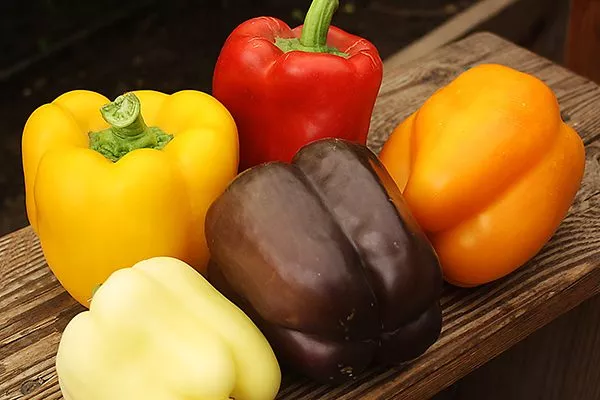
Peppers are versatile—they're used as appetizers and salads, and for grilling and other dishes. Experienced home cooks preserve them for the winter and freeze them.
Varieties
The main variety in the series is Zvezda Vostoka F1, but other subvarieties, also hybrids, have been bred. When choosing, consider yield, size, color, and other characteristics.
| Subspecies | Color | Fruit weight (g) | Yield (kg/m²) | Ripening period (days) |
|---|---|---|---|---|
| Purple | Violet | 180-300 | 7 | 103-112 |
| Chocolate | Chocolate | 200-350 | 10 | 115 |
| Golden | Golden | 160-250 | 7 | 105 |
| White | White and yellow | 200-250 | 7.2-8 | 115 |
| Giant | Red/yellow | 350-400 | 8.5 | 120-130 |
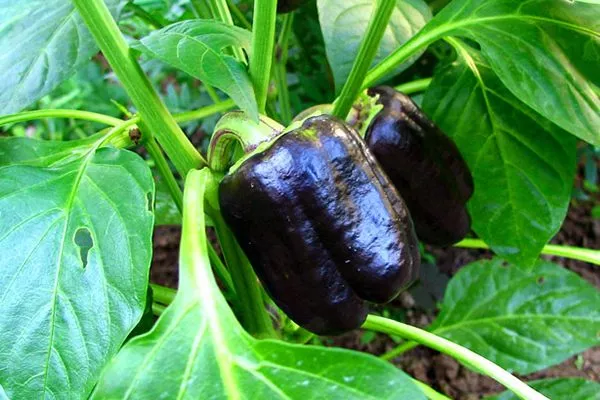
Purple
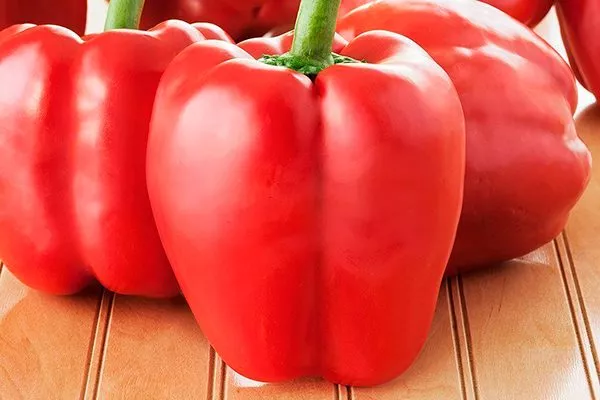
This variety boasts a purple hue, unusual for a sweet pepper, that will brighten any table. The yield is high—approximately 7 kg per square meter—and the fruits reach technical maturity in 103-1112 days. Each fruit weighs 180-300 g, with a wall thickness of 7 to 10 mm.
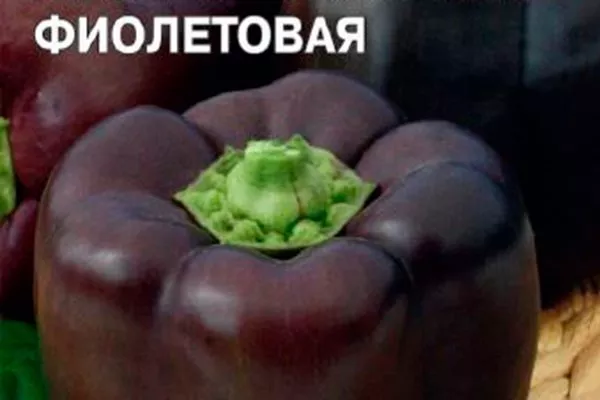
The vigorous, semi-spreading bush grows to a height of 60 to 70 cm, producing glossy, cylindrical fruits. The variety is resistant to many diseases and pests.
Chocolate
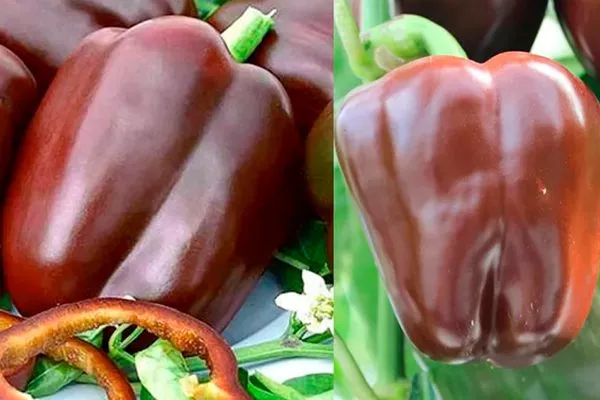
The F1 Star of the East Chocolate variety has an identical shade at biological maturity, but is initially dark green. The yield is very high – approximately 10 kg of fruit per square meter, weighing 200-350 g. The bushes are medium-sized, reaching a maximum height of 70 cm. The ripening period is typical for this series – 115 days.
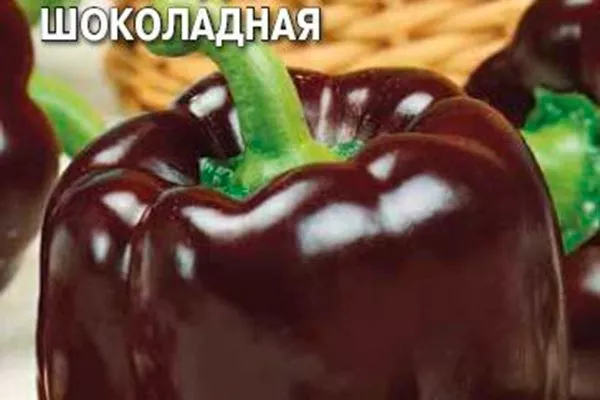
The fruit is prismatic, shiny, and drooping. The wall thickness is 8 to 10 mm, and the flavor is very sweet.
Golden
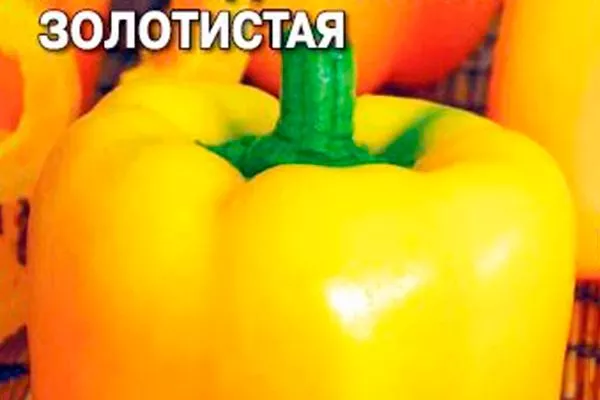
This variety is characterized by a golden hue, not just a yellow one, hence its name. Ripening time is 105 days, yielding 7 kg per square meter. Fruit weight ranges from 160 to 250 g, is prismatic, has a very glossy surface, and is approximately 7-10 mm thick. The bush is medium-sized and semi-spreading, reaching 65-70 cm in height. This variety has a strong immune system.
White
The fruit is milky white at the technical stage of ripening, but turns yellow upon reaching biological maturity. The yield is high – 7.2-8 kg per square meter, with a maximum ripening period of 115 days. The bush has a medium height of 60 to 70 cm, with a pepper weight of 200 to 250 g and a wall thickness of 6 to 8 mm.
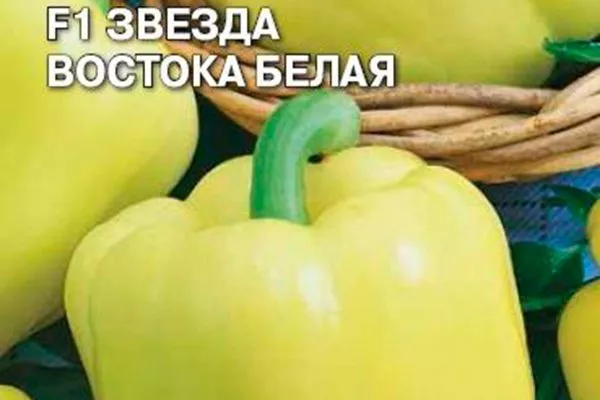
The fruit is cubic-prismatic, has a glossy surface, and tastes very sweet. This variety has increased disease resistance.
White in red
A distinctive feature of this early-ripening variety is that the fruits are initially not the classic green color, but white, which over time turns red.
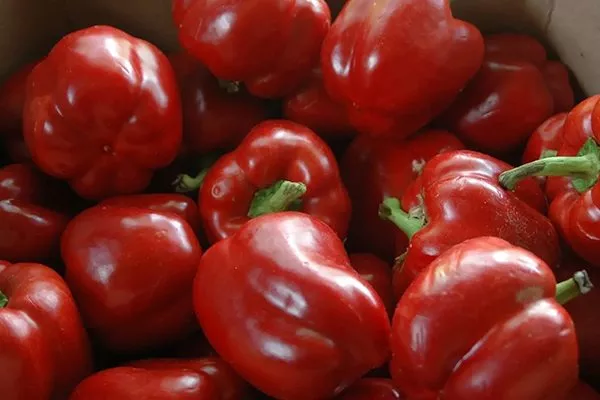
The yield per square meter is a maximum of 7.5 kg, and the bush is medium-sized (up to 70 cm). The peppers are cubic in shape, with walls 8 to 10 mm thick and weighing 150 to 200 g. They are resistant to tobacco mosaic.
White in yellow
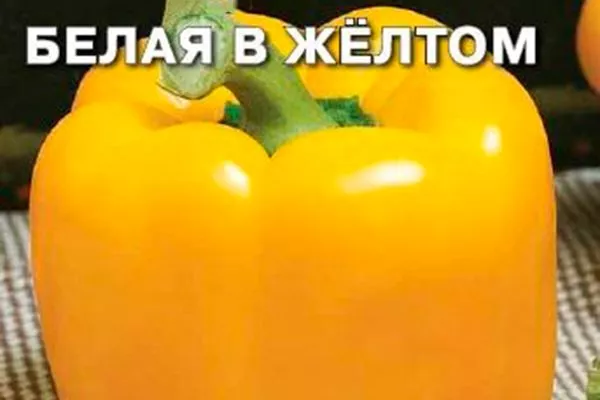
An identical variety, initially milky white but later bright yellow. The bushes reach a height of up to 70 cm, but the fruits weigh between 180 and 250 g. The peppers are prismatic in shape, with a shiny, smooth surface. The wall thickness is a maximum of 10 mm, yielding approximately 7-8 kg per square meter.
Tangerine
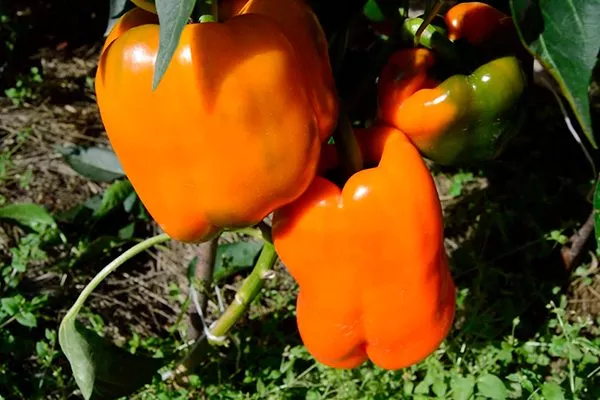
This is a high-yielding subvariety, yielding 8-9 kg of mandarin-hued fruit per square meter. Each pepper weighs 140-290 g, with a wall thickness of 9-10 mm. The bush is considered medium-sized (up to 70 cm in height), with cuboid fruits and a very rich aroma, unlike other varieties. This variety exhibits resistance to tobacco mosaic.
Yellow
Another early-ripening variety, the fruit can be harvested after 105 days. This is the highest-yielding pepper of the Star of the East F1, as one bush produces approximately 20-25 kg, with 15-20 peppers per plant. Fruit weight ranges from 180 to 300 g (the latter figures are relevant for greenhouse cultivation).
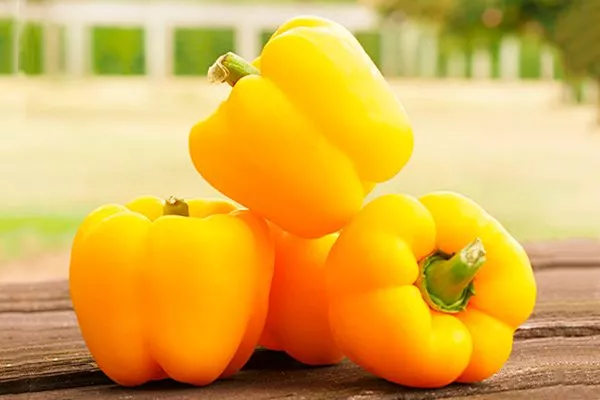
The bush grows to a height of no more than 70 cm, the peppers are cuboid, and the color is initially standard green, turning yellow when ripe. This variety is characterized by increased juiciness and sweetness, and resistance to all diseases.
Giant
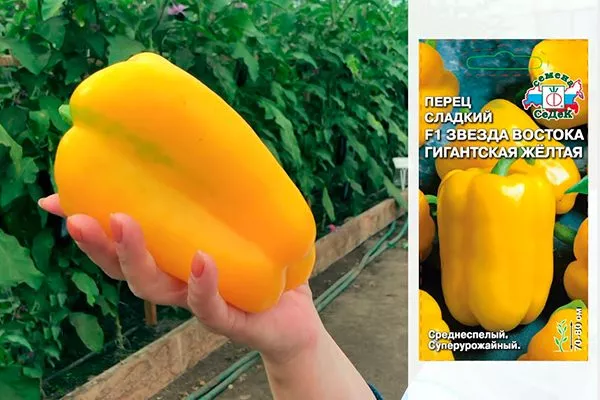
The giant form is distinguished by its larger fruits, which reach up to 350-400 g and are 15-20 cm long. There are two varieties, which are almost identical except for their color. The first is yellow, the second is red. The bushes are tall, reaching a height of 100 cm.
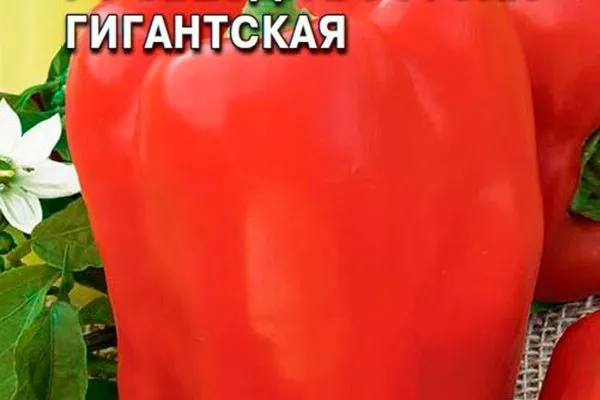
The yield per square meter is approximately 8.5 kg, the fruit is cubic in shape, and the walls are up to 11 mm thick. Both varieties are resistant to most diseases and easily tolerate transplanting and temperature fluctuations. Ripening time is 120 to 130 days.
Advantages and disadvantages
Regardless of the subspecies of the Eastern Star pepper, they all have similar advantages and disadvantages, but with only minor differences. Key positive qualities:
Features of cultivation
Eastern Star peppers don't require any special growing conditions, but it's crucial to pay attention to timing and soil composition. How to plant:
- When and how to plant pepper seedlings. Sowing should begin 50-60 days before transplanting into open ground or a greenhouse. If sowing directly into the garden beds, the air temperature should be a stable 14-16 degrees Celsius.
- Sowing seeds. The seeds are planted in the standard way, but it is important to take into account some points:
- Prepare the planting material properly by soaking it in salt water for 10-15 minutes to isolate viable seeds. Afterward, it's advisable to soak them in a pink solution of potassium permanganate and any growth stimulant.
It is important to warm up the seeds - they are placed in a thermos with water temperature of +40-50 degrees for a couple of hours. - Prepare a soil suitable for the variety. You can use equal parts peat, soil, and humus, humus and peat, or 1 part sawdust to 2 parts each of humus and peat.
- It's best to use separate containers for planting, as not all hybrid varieties are stress-resistant. They should be at least 8 x 8 cm in size.
- The seeds are planted 2 cm deep, then watered and covered with plastic film.
- Prepare the planting material properly by soaking it in salt water for 10-15 minutes to isolate viable seeds. Afterward, it's advisable to soak them in a pink solution of potassium permanganate and any growth stimulant.
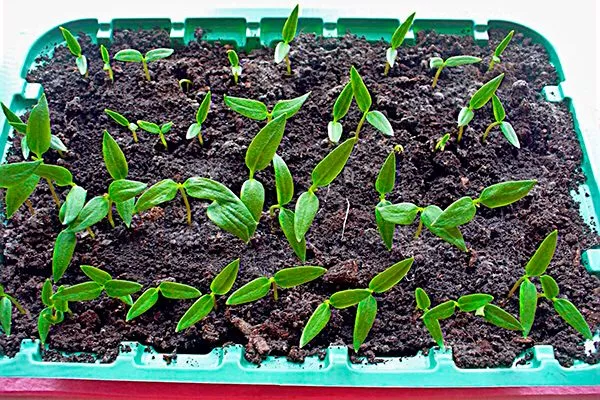
- Watering and other conditions. The seedlings need to be watered daily, sparingly, otherwise the young shoots will rot. It's important to ventilate the seedlings daily, and remove the covering once the sprouts emerge. The air temperature should be between 20 and 25 degrees Celsius, no higher.
- Transplanting seedlings into the ground. Transplanting into garden beds is done after a couple of months. The distance between bushes in a row is about 50 cm.
Further care of the plant
For Star of the East peppers, it's important to consider certain agronomic requirements, particularly regarding fertilizing and staking. Other measures are also necessary.
Features of fertilizing for the Star of the East variety
If the hybrid is fertilized incorrectly, it's unlikely you'll get a bountiful harvest, so this is crucial when growing Star of the East. Fertilizing schedule:
- The first feeding is done 2-3 weeks after transplanting the seedlings. During this period, an organic-mineral complex is necessary. To do this, dilute 10 g of urea and 5 g of superphosphate in 10 liters of water. Apply no more than 1 liter of the solution per young plant.
- The second feeding is done during budding. Dissolve 1 tablespoon of superphosphate and 1 teaspoon of potassium sulfate in 10 liters of water. The application rate is identical.
- When the peppers begin to ripen, apply a third fertilizer. For this, you'll need 1 tablespoon of phosphate and potassium per 10 liters of water. Use 0.9-1 liter per plant.
Garter
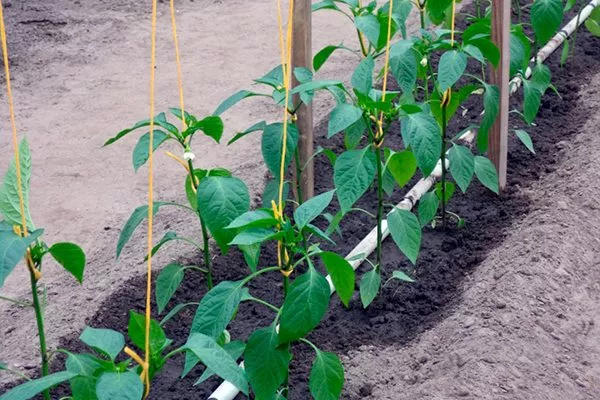
This procedure is important because the weight of the fruit can cause the bush to bend toward the ground or break. To do this, drive a wooden stake near each bush and tie the stems to it with soft twine. Alternatively, install a trellis up to 80 cm high.
Other events
Do not ignore other care procedures, which include the following:
- Hilling. This is done immediately after transplanting the seedlings. It helps protect the not-yet-fully-formed stems from falling over. This is especially important when growing outdoors, but is not necessary in a greenhouse.
- Topping. When the bush reaches 20 cm in height, pinch off the top of the main stem. This will encourage the formation of fruiting side shoots, resulting in a larger harvest.
- Trimming. It is necessary to completely cut out weakened branches and those that do not have ovaries.
- Loosening the soil. This is done after each watering to ensure oxygen reaches the roots. Loosen the soil to a depth of 5-6 cm. Don't forget to cultivate the spaces between rows.
- Watering. Avoid overwatering the soil, as this will encourage fungal diseases, and allowing a dry crust to form on the surface is also contraindicated. The optimal amount of water for a mature plant is 750-1000 ml.
Diseases and pests
Most varieties of the Eastern Star pepper are resistant to diseases and pests, but some subspecies are susceptible to the following problems:
- Blossom-end rot. It manifests itself as water-soaked spots inside the fruit, which eventually lead to rotting. Treatment is with calcium chloride at a concentration of 3%. Afterward, additionally feed the bushes with a solution of 10 liters of water, calcium salt, and potassium carbonate (2 tablespoons each). The application rate is 200 ml.
- Lithracnose. Roots and fruits are affected, which subsequently fall off. Spraying is carried out with Bordeaux mixture (1%).
- The leg is black. The root zone of the trunk is rotting. Copper sulfate at a concentration of 3% is used for treatment.
- Alternaria. Fruits and leaves become covered with dark brown spots. Bordeaux mixture is used for treatment.
- Pests. The most common pests for sweet peppers of this variety are aphids, spider mites, and slugs. To combat the first two insects, use Karbofos (Malathion) – 60 g per 10 liters of water, 1 liter per plant. Strela (Strela) is effective against slugs – 50 g per 10 liters of water.
Harvesting
If the peppers are needed for further processing or fresh consumption, they must be fully ripened. If they are being stored or transported over long distances, the peppers are harvested 10-12 days before ripening. They are cut off with sharp pruning shears or scissors, along with the stems.
Post-collection work plan
- Sorted by maturity
- Rejection of damaged fruits
- Preparation of storage (disinfection, ventilation)
- Packing in boxes with sawdust or paper
- Regular inspection for signs of spoilage
Reviews from gardeners
The Zvezda Vostoka pepper is beloved by gardeners for its ease of cultivation and high yields. Consumers appreciate the variety for its flavor and juicy flesh. The key is to follow proper cultivation practices and fertilize it properly, ensuring it is tied and earthed up during the initial stages of growth.