
Growing the Zolotoe Chudo pepper variety is beneficial in any garden. It quickly adapts to climate conditions and produces a bountiful harvest of sweet, juicy fruit. It requires little care and is resistant to major diseases.
Characteristics and description of the Golden Miracle pepper
The Zolotoe Chudo pepper variety has been increasingly popular among amateur gardeners over the past decade. It is suitable for growing in a variety of climates and is resistant to light frosts. It grows primarily in the central and southern regions of the country, as well as in Ukraine and Moldova.
Valued for its high seed germination rate, it grows equally well in open ground and in greenhouse conditionsThis variety is intended for cultivation on a farm on an industrial scale.
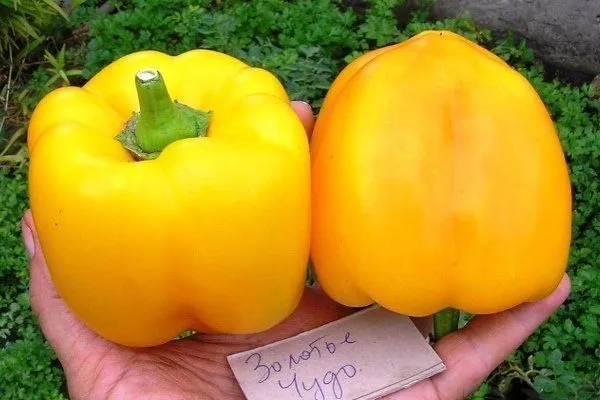
Pepper Golden Miracle
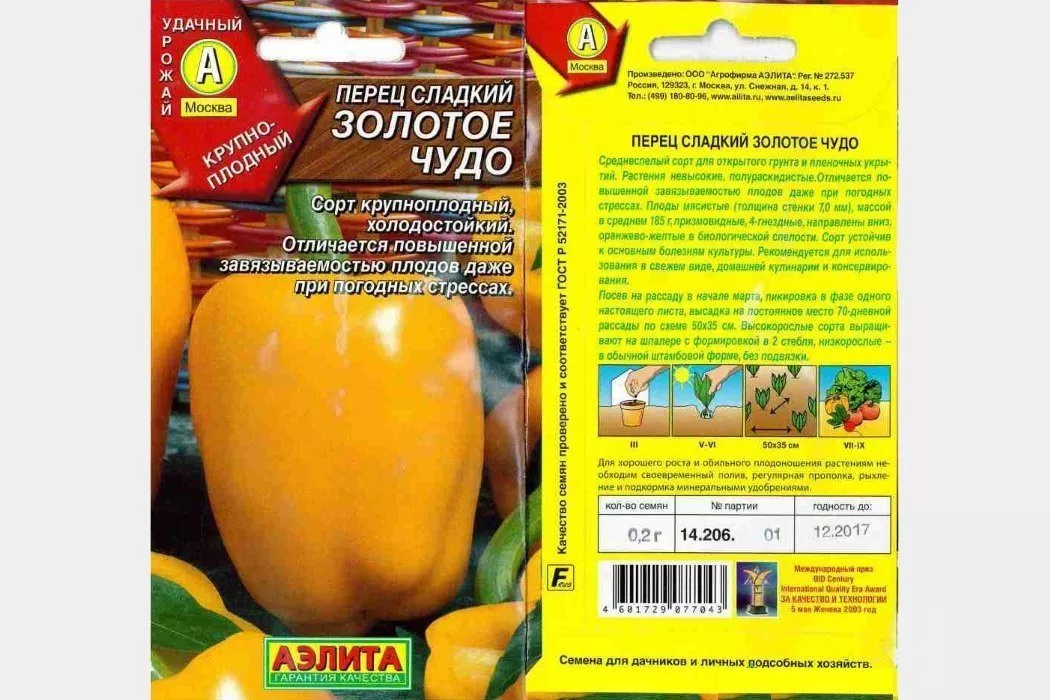
Golden Miracle pepper seeds
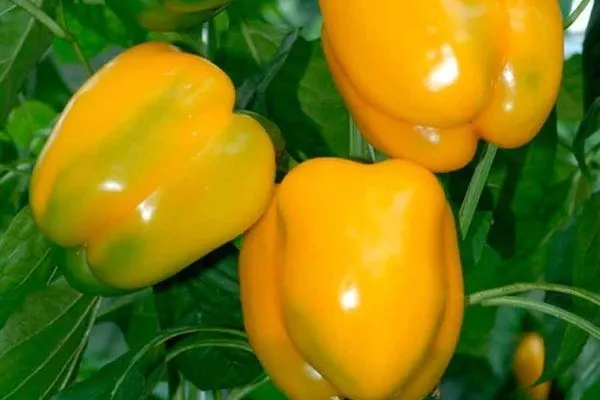
From one Golden Miracle pepper bush you can collect from 15 to 20 fruits
Selection
In Russia, the Zolotoe Chudo variety was developed by the Poisk breeding and agricultural firm in the 2000s. Until 2007, efforts were made to improve the plant's properties and adapt it to growing in cool climates. After the variety's final characteristics were established, it was officially included in the State Register.
Ripening time and yield
The plant is a mid-season variety. The time from planting to fruit ripening is 100 to 125 days.
The fruit, having grown to its final size, turns from green to bright yellow in 6-13 days.
Pepper yields are average. One plant can produce 15 to 20 peppers per season, yielding up to 4-5 kg per square meter.
Description of the bush and fruits
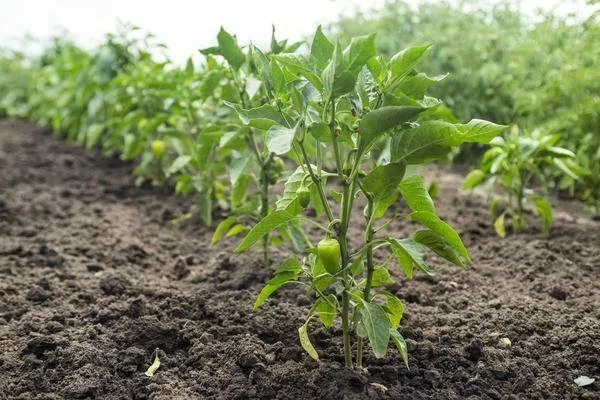
The bush grows to a medium size. In open ground, it can reach 50-65 cm, and in greenhouses, up to 70 cm. Its compact growth habit means it doesn't take up much space and saves valuable space.
Bush characteristics:
- The shape is drooping, which is typical for this species.
- The root system is fibrous, powerful and strong.
- The branching is average, with a fragile shoot structure. It can break under the weight of ripened fruit or if handled roughly.
- It has medium foliage. The leaves are wide and pointed at the tip. The color is dark green.
- The future flower's ovary develops in pairs on a single branch. The flower is cup-shaped with small petals surrounding a yellow center.
Pepper is a self-fertile plant, with most flowers being female.
The ripe fruit has the following characteristics:
- Large size: reaches 13-14 cm in length, up to 7-8 cm in width.
- Weight: 200-250 g.
- The shape is cubic and slightly elongated. The fruit lobes are distinct and have clear edges.
- The inside is divided into sections filled with a small number of seeds.
- The pepper's wall is thick, dense, and fleshy, ranging from 7 to 10 mm.
- The surface is smooth with a glossy sheen.
Ripe peppers have a rich, bright yellow color.
Taste characteristics
The fruits are sweet in taste with a pleasant, distinct aroma. The pulp is fleshy and juicy.
It's eaten fresh in salads. It's also added to main courses, boiled and fried. It can also be canned, frozen, or dried.
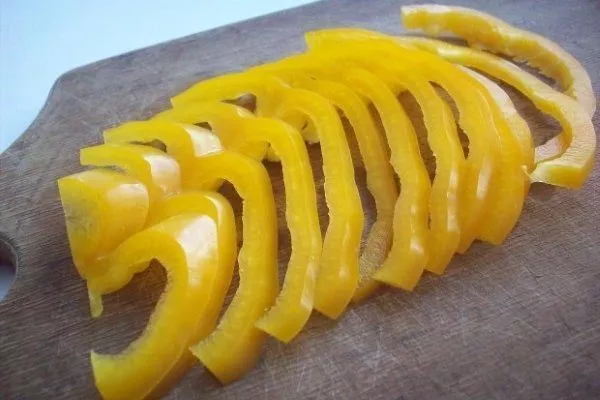
Pepper holds the record for vitamin C content. It contains several times more than lemon and currants.
Features of cultivation
The Zolotoe Chudo variety is grown from seed. Germination should begin in March indoors. Within a couple of months, the seedlings will grow and strengthen. They will be ready for transplanting into open ground or a greenhouse.
For southern regions, seeds can be sown directly into the ground in late March or early April, first in a greenhouse and then transplanted outdoors.
Working with seeds
Seeds for planting are taken from a previous harvest or purchased from a specialty store. Sealed in packaging, they are already treated with disinfectants and growth stimulants and do not require additional soaking. If the seeds were collected from your own plot, they require treatment.
This variety is characterized by a long time before germination, lasting up to three weeks.
To process seeds you need the following:
- prepare a solution: dissolve 3% manganese in warm water from 28 to 30 °C;
- place the seeds in it for 40-50 minutes;
- remove those that floated;
- Place the remaining ones in a growth stimulator for the time according to the instructions.
Once the process is complete, remove the seeds and spread them on damp cheesecloth. Wait until a green sprout appears. Moisten the cheesecloth periodically, preventing it from drying out.
Growing seedlings
Growing seedlings involves several stages. We'll discuss them below.
1Planting sprouted seeds
For this, small containers are used: peat, coconut or plastic cups and small oblong boxes.
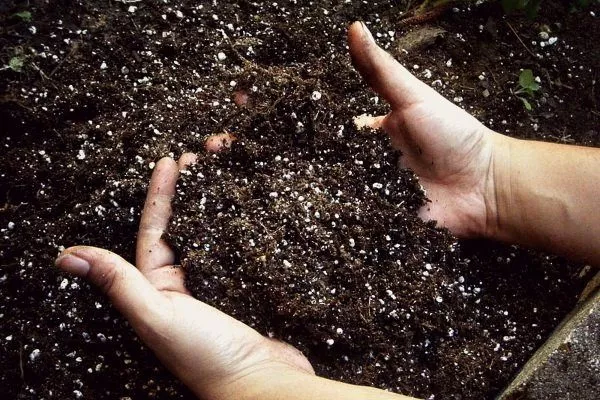
Seedling soil can be purchased ready-made or prepared at home. To create it, mix equal parts sand, peat, and leaf mold.
You can buy the mixture ready-made or prepare it yourself. But it is essential disinfect the landTo do this, it is placed in an oven and calcined at a temperature of 90-100 °C.
Before planting, add cultivated soil to the container. Make a 1-1.5 cm deep hole in the soil. Place one sprouted seed into this hole. If using an oblong planting container, space the seeds 5-6 cm apart.
Cover the container with plastic wrap and leave it unopened until the seedlings emerge. Place it in a dark place. Pull the wrap back once a day to allow oxygen to enter. Check the soil moisture and spray if necessary.
At this point, you might be interested in our article “When and how to sow pepper seedlings".
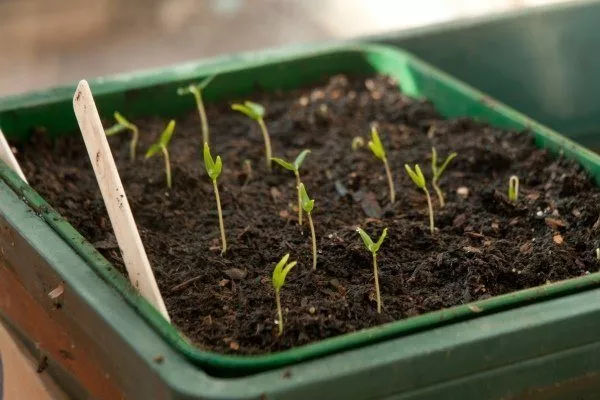
2Emergence of seedlings
The following conditions must be met for the pepper to grow fully:
- Place the container at room temperature.
- Lighting should be abundant, more than 12 hours a day. The best location is on a windowsill, preferably on the south side. If there is insufficient light, provide artificial lighting using special lamps for illuminating seedlings.
- It's important to monitor soil moisture: don't allow it to dry out or become overly wet. The optimal soil and air humidity range is 50-60%.
3Picking
This is done when two leaves appear. A larger container is selected. Transplanting is done carefully to avoid damaging the fragile seedling.
After picking you can feed the seedlingsYou need to apply fertilizer twice:
- Immediately after repotting. For this, use ash, dissolved in water and watered at a rate of 40 ml per container. You can also use ready-made fertilizer.
- 3 weeks after the first feeding. Urea or ammonium nitrate It should be diluted in the following proportion: 40 g per 10 l. Each sprout will be fertilized with 50-60 ml of solution.
Water the seedlings with settled water at room temperature, preferably from a spray bottle.
4Hardening
Three to four weeks before planting the seedlings in their permanent location, they need to be hardened off. This will help the plant develop a strong immune system, helping it resist disease and avoid freezing during mild cold spells.
The hardening process is sequential:
- First, you need to gradually lower the temperature to the outside temperature;
- If the plant is feeling well, take it outside in the morning. Increase the time from 30 minutes to several hours;
- In the last 1-2 days, the seedlings should remain calmly in the open air all the time.
Don't worry if the leaves droop a little during hardening. They'll quickly recover indoors.
Landing rules
After 2 months from the start of germination, the seedlings should grow to 15 cm and have several leaves.
- ✓ Optimum soil temperature for planting seedlings: +12-15 °C.
- ✓ Distance between bushes when planting: 0.3-0.35 m.
Planting time is May for southern regions and early June for northern regions. There should be no risk of night frosts. For good seedling establishment, the soil should warm to 12-15°C, and the ambient temperature should not drop below 19°C.
Requirements for the landing site:
- Potatoes and nightshade crops should not have been grown the previous year. Afterward, the soil could be contaminated with pathogens and fungal spores. The best predecessors are cucumbers, cabbage, and legumes.
- The area should have good lighting and protection from drafts.
- Suitable soil is sandy loam and loose, fertilized in the fall.
Soil requirements:
- In spring, dig up the soil and get rid of weeds.
- Treat with copper sulfate for disinfection.
- Apply fertilizer: superphosphate at a rate of 200 g per 1 sq. m or organic fertilizer in the form of compost or humus.
The seedlings are planted in the ground in rows together with a lump of earth according to the following scheme:
- distance between rows 0.5 m;
- between bushes 0.3-0.35 m;
- the hole is dug to a depth of 0.25 m.
The best time for planting is in the evening, after sunset.
The day before planting, the plant in the container is watered generously.
Caring for bell peppers
The plant doesn't require much care. However, it's important to follow some basic guidelines.
Watering and fertilizing
Water for irrigation is used without preheating. Irrigate in the morning or evening, every 2-3 days.
Water directly at the roots, using a watering can with a long nozzle. Each plant requires 2-2.5 liters of water. As the peppers grow, watering is reduced to 1-2 times a week.
During the summer months, the plant requires more moisture. Watering frequency increases, but the amount of water required decreases.
- 2 weeks after planting: add urea (10 g per 1 l of water).
- Before flowering: use potassium sulfate (30 g per 1 l of water).
- During fruiting: use an ash solution (50 g per 1 liter of water).
For full growth, the plant requires nutrients. To achieve this, periodic fertilization is recommended:
- 2-3 weeks after planting: urea at the rate of 10 g per 1 l;
- before flower formation: potassium sulfate or superphosphate - 30 g per 1 l;
- before fruit set: watering and spraying with ash - 50 g per 1 l;
- during pepper ripening: diluted package of yeast per 10 liters.
Periodically, you can fertilize the bush with a prepared solution of fresh nettle leaves, infused for two days.
Pinching out side shoots and garter
When the plant grows and fruits begin to form on it, it can bend and break under their weight.
To prevent this, use wooden or metal stakes. They are driven into the ground 10-15 cm from the bush at the same time as the seedling is planted. If necessary, tie the bush to the stake with fabric tape.
Pinching out side-sons is a mandatory procedure. It is carried out periodically throughout growing seasonExcess lateral shoots are trimmed with sharp garden shears to prevent the fruits from experiencing a lack of nutrients and to prevent the bush from being shaded.
Weeding and loosening
Weeding should be done periodically. While weeding, inspect the plant for pests.
After each watering, the soil around the plant must be loosened to prevent a crust from forming, which would prevent oxygen from reaching the plant.
Prevention of diseases and pests
The variety is resistant to major diseases and pests. If an infestation occurs, treat the bush and soil with ready-made solutions: Bordeaux mixture, copper sulfate, and copper oxychloride.
To prevent infection, follow proper care instructions. The following can be used as preventative measures:
- dig the soil to a depth of 20-30 cm in late autumn to allow the cold to destroy most fungal and bacterial infections;
- Try to use the right amount of water when watering. Increased humidity creates a favorable environment for the development of microorganisms;
Also, you shouldn’t plant peppers in the same place two years in a row.
Harvesting, storage and transportation
The harvest is gradual, as the fruit ripens. The harvest period begins in late July and lasts until the first autumn frosts.
If the weather gets significantly colder by the time they ripen, the unripe fruits can be picked and brought to a warm room. There, they will ripen and acquire a rich color. The levels of nutrients, vitamins, and microelements will be within the recommended range.
When stored in a cool, dark place, peppers will remain fresh for up to 3-4 weeks. They also transport well without losing their marketable appearance, which should be done immediately after harvest.
Advantages and disadvantages of the variety
The choice of this variety for growing in a garden plot is due to the following positive aspects:
- rapid adaptation to climatic conditions in the growing area;
- undemanding to care;
- long fruiting period;
- strong immunity to major types of diseases;
- high seed germination;
- large, juicy and aromatic fruits;
- versatility in culinary use.
The variety has almost no disadvantages:
- fragility and breaking of the stem under the weight of ripening fruits;
- humidity requirements.
Reviews
The Zolotoe Chudo pepper variety can be grown in any climate. The plants thrive both outdoors and in greenhouses. By regularly fertilizing and loosening the soil after watering, you can harvest large, juicy fruits at the end of the season.