
Zlata Praha is prized by gardeners for its high yield and low maintenance requirements. Growing this variety rarely presents any difficulties, making it easy even for a novice grower. Proper care is essential to ensure consistent harvests.
Who developed the variety and when?
A group of breeders worked on developing the variety. They succeeded in creating a high-quality hybrid with numerous characteristics. After successful trials in 2007, it was officially approved for use.
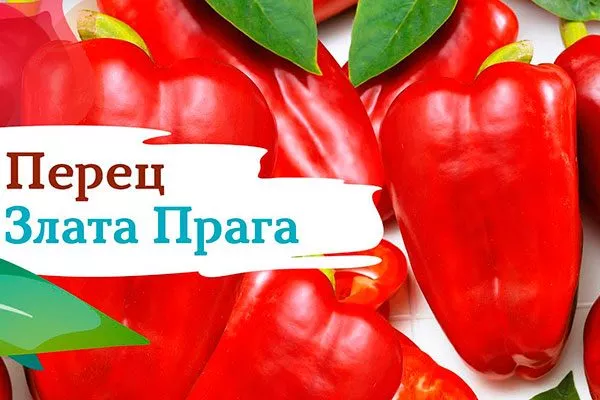
In creating Zlata Pragi, M. Aleksashová, J. Oliva, and L. Šrbek were able to develop a variety that has gained popularity among agronomists around the world.
Features, pros and cons
Zlata Praha belongs to the hybrid group, ensuring high yields and variety stability. Gardeners value this variety for its resistance to various diseases and pests. It thrives both in open ground and greenhouse conditions, offering flexibility in growing methods.
Advantages:
Gardeners cite the variety's disadvantages as requiring adequate ventilation in the greenhouse and the impossibility of using the collected seeds for subsequent sowing due to its hybrid nature.
Description of the plant
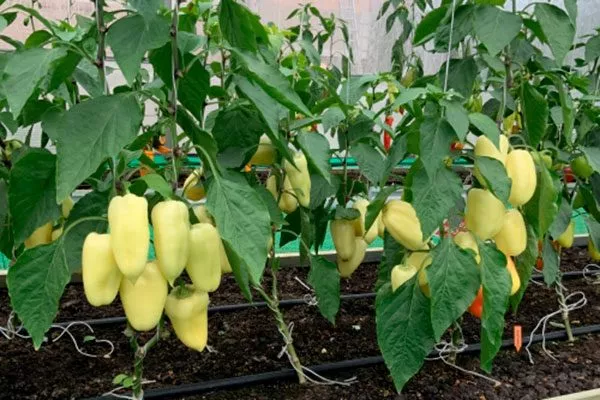
The bush grows compact, reaching no more than 60 cm in height. The plant is moderately covered with medium-sized, light green leaves.
Fruits, their taste and purpose
The peppers reach a length of 15 cm. They are medium-sized and have a classic conical shape. Each pepper weighs 90-100 g. When technically ripe, the skin is greenish-white, turning red when fully ripe. The skin thickness is approximately 5 mm.
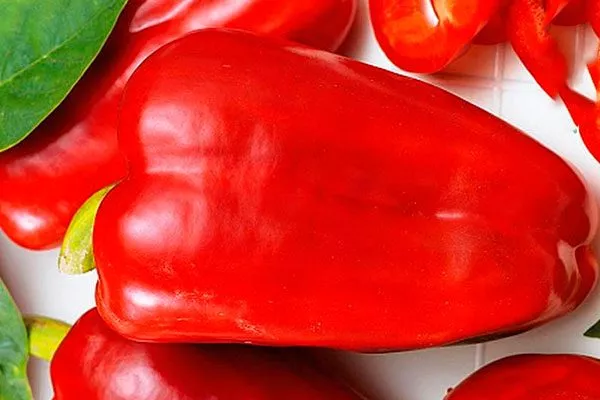
The core contains approximately 3-4 chambers. The flesh is tender, juicy, and richly flavored. It is noted for its rich composition, including significant amounts of vitamin C and beta-carotene. Its excellent physical properties make it easy to transport over long distances.
Ripening and yield
This early-ripening variety completes pepper development within 95-100 days. In open ground, it yields 3.6 kg per square meter, while in greenhouse conditions, the yield may be slightly higher.
Subtleties of agricultural technology
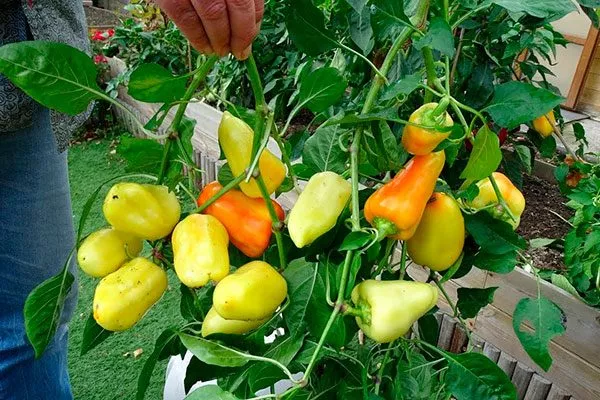
It is recommended to grow the crop exclusively from seedlings. Sow seeds in pre-prepared containers, typically in early March. To prevent disease, treat the seeds with a disinfectant solution before planting.
When the sprouts have 2-3 leaves, begin the picking process. Transplant the seedlings into open ground or a greenhouse in warm weather, when the air temperature reaches +25°C. Space the seedlings so that there are no more than 7 plants per square meter of bed.
After planting, fill the holes with fertile soil and water generously with warm water. Cover the plantings with a thick plastic sheet for a week, periodically airing the bed. Proper care of the plant will promote the production of large, abundant peppers. There are several essential procedures:
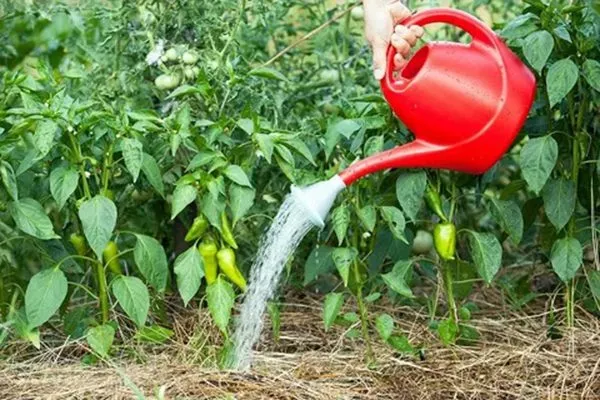
- Watering. Apply in the morning or evening every 2-3 days during the growing season and every 1-2 days during the flowering and vegetable development period. Use warm, still water to prevent the root system from freezing.
- Top dressing. Fertilization is typically carried out 3-4 times per season. Apply the first fertilizers 2 weeks after planting the seedlings, then during the period of active plant growth, flower and fruit formation. Use organic or complex fertilizers and formulations containing phosphorus and potassium.
- Weeding and loosening. Perform this after watering. This process prevents the spread of diseases and pests and accelerates the absorption of nutrients.
Gardeners recommend taking care to tie up and prune peppers.
Reviews
Zlata Praha is a hybrid pepper variety characterized by large fruits. It stands out not only for its appearance but also for its strong immunity, making it attractive to experienced gardeners. Its unique feature is its ability to thrive both in open ground and greenhouse conditions.