
Among the vast variety of sweet peppers, the Volovye Ukho variety holds a special place. It has excellent taste, an attractive appearance, and can be transported over long distances. Its ease of cultivation and care makes it a popular choice among gardeners.
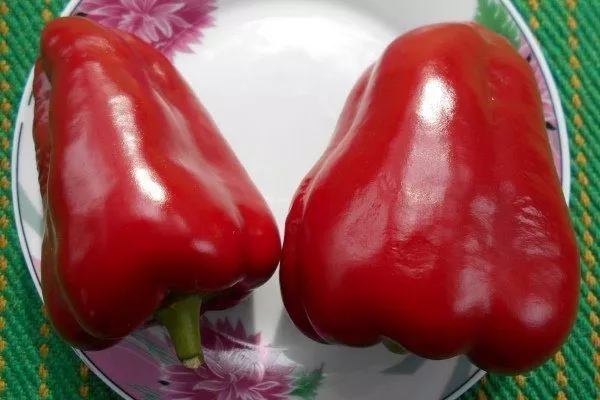
Ox Ear Pepper
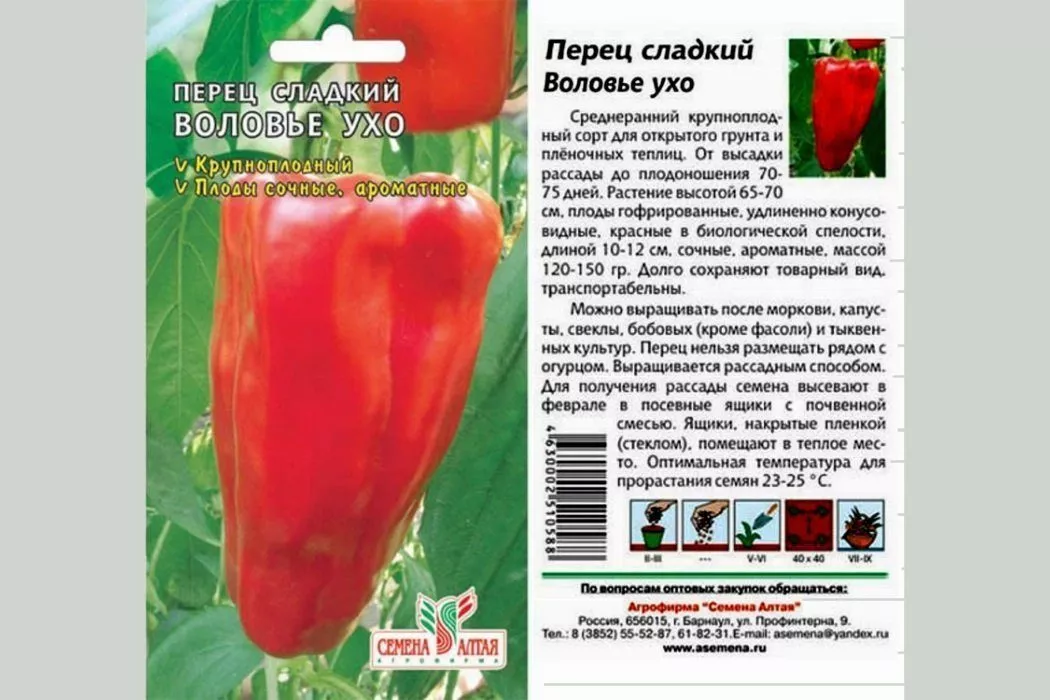
Ox-ear pepper seeds
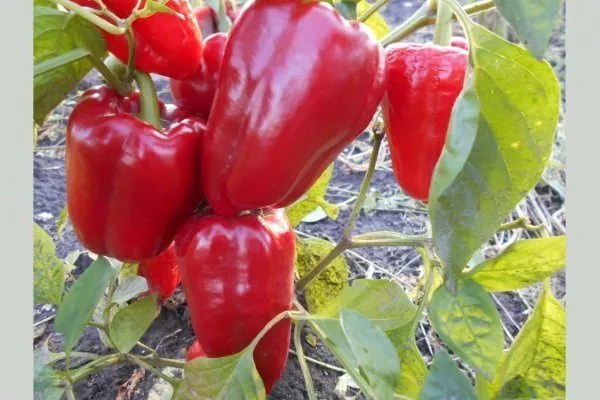
Ox-ear pepper bush
Origin of the variety
The Volovye Ukho variety is relatively new. It was developed by employees of AGROFIRMA POISK LLC. It was only in 2007 that it was added to the State Register of the Russian Federation and approved for cultivation throughout the country.
A unique feature of this variety is that it can be grown both in garden beds and greenhouses. It's a mid-season pepper, so the first fruits can be harvested just 70 days after planting the seedlings in the ground.
Characteristics and description
This variety is so popular among gardeners due to its versatile fruit and the ease of care and cultivation. The pepper gets its name from the interesting shape of its fruit.
Description of the bush
The bush is quite spreading, resembling a large willow head. It can reach a height of 60-65 cm. The peppers develop drooping fruits, and the base may be slightly recessed.
The leaf blade can be medium or very large. The color is dark green or green, with slight wrinkling.
Description of fruits
This variety produces large-fruited peppers. The peppers are quite large, sometimes even larger than a human palm. The fruit length is no more than 20 cm, and its weight can range from 150-200 g.
The pepper's fruit has a very interesting cone-shaped form with subtle curves. From the point where it attaches to the stalk and all the way to the tip, the pepper curves smoothly, giving it the overall shape of a perfect cone. A single plant can produce fruits that are perfectly shaped, while others are very curved. However, most fruits have an attractive, gentle curve in the center.
From the moment the fruit sets, curves appear on them. As the peppers mature, these curves may straighten out or become more pronounced, and they may also appear on other parts.
Unripe fruits are dark green. They turn red over time. When fully ripe, the peppers turn a rich red. A distinctive feature of this variety is its distinct gloss.
The fruit contains 4-5 seed pods, but not many. The pepper's walls are about 6 mm thick, but can be thicker or thinner where the pods bend. The fruit has a sweet and pleasant flavor, a rich aroma, and a lingering aftertaste.
Productivity
On average, one square meter can yield about 3 kg of fruit. However, there are cases where a single plant produces more than 10 peppers, each averaging approximately 160 g, meaning a single bush can yield over 1.5 kg of fruit. Consequently, the yield also increases—almost 5 kg per square meter.
Early maturity
Fully ripened fruits take 130 days from planting. This variety is mid-season, and harvesting occurs as the fruit ripens.
In central Russia and the north, this sweet pepper variety can only be grown from seedlings. Direct sowing of seeds is not recommended.
Regions for cultivation
This variety is intended for cultivation in the southern regions of Russia, for example, the Krasnodar region.
Ox's Ear can also be planted in northern regions, but only in a greenhouse. A greenhouse will help protect the plants from possible frosts. The first cold snap begins in September, so it's a good idea to additionally close the greenhouse entrance to prevent the drop in temperature from negatively impacting the harvest.
Growing recommendations
Planting and growing the Ox-Ear pepper isn't particularly difficult. However, the success of these steps determines how well you'll harvest it.
Planting seedlings and timing
The planting dates are determined based on the region where the peppers will be grown. To transplant mature, strong seedlings into the ground in mid-May, preparations should begin in early March. sowing seeds.
When growing the plant in greenhouse conditions, the seeds are placed in the soil approximately 14-16 days earlier – in mid-February.
- ✓ Seeds must be no older than 2 years to ensure high germination.
- ✓ Give preference to seeds that have undergone preliminary treatment against diseases.
Before planting, prepare the seed material:
- Cover the seeds with water and discard any that float to the surface. Only the seeds that remain on the bottom are suitable for growing;
- leave on damp gauze for 2-3 days and moisten periodically, as the seeds should swell;
- To disinfect the grains, treat them with a solution of potassium permanganate;
- rinse with warm water.
Seed planting algorithm:
- Mix the soil for seedlings with the soil in which the plants will be grown in the future, thanks to which acclimatization will occur much faster;
- plant 3 seeds in one pot filled with soil;
- cover the containers with film;
- place in a warm place where there are no drafts;
- after the first shoots appear, remove the film;
- Grow until full-sized bushes appear.
You shouldn't plant seeds in boxes, as peppers don't tolerate transplanting well due to their weak root system.
Care requirements
To speed up the acclimation process for seedlings, take them outside regularly to harden them off. Overwatering is not necessary. Moisten the soil as it dries out. A spray bottle is best.
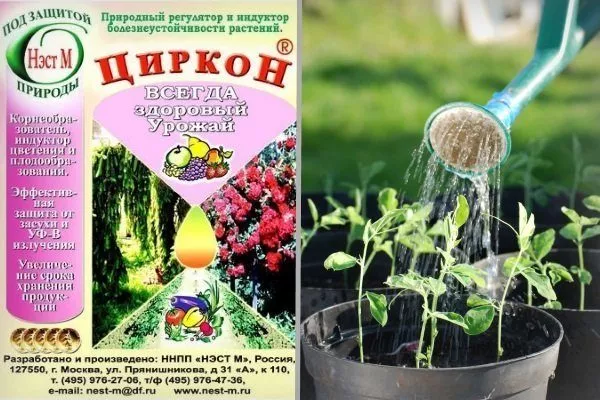
Conduct it once every 10-15 days fertilizing seedlingsUse complex mineral fertilizers that contain valuable micronutrients. Before planting the seedlings in their permanent location, you can water them with Zircon, which will help them adapt to the new location much faster. Follow the instructions on the package.
Transplantation into open ground, timing
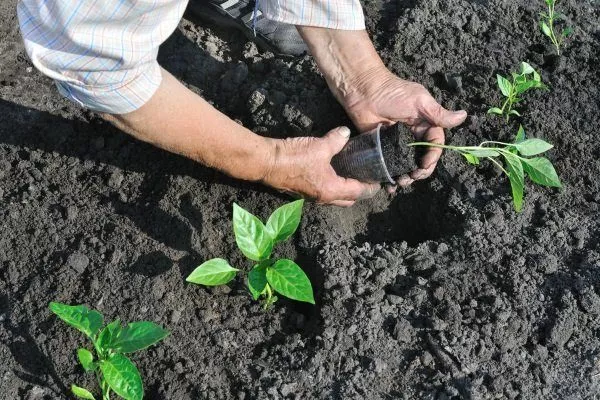
The ideal time to transplant seedlings into open ground is mid-May. It's crucial for warm weather to set in and for the threat of frost to pass.
Algorithm for planting seedlings in open ground:
- Plant the plants according to the following pattern: 60x50 cm;
- About 30-40 minutes before transplanting, water the plants generously;
- When replanting, take the seedlings together with the root ball, which will minimize the risk of damaging the roots;
- Make sure that when planting, the root collar is above the ground;
- After planting, water the plants generously.
Outdoor care requirements
To obtain a bountiful harvest of delicious and aromatic peppers, proper and regular care is required. Watering, fertilizing, and protecting the plants from the scorching sun are essential.
Watering
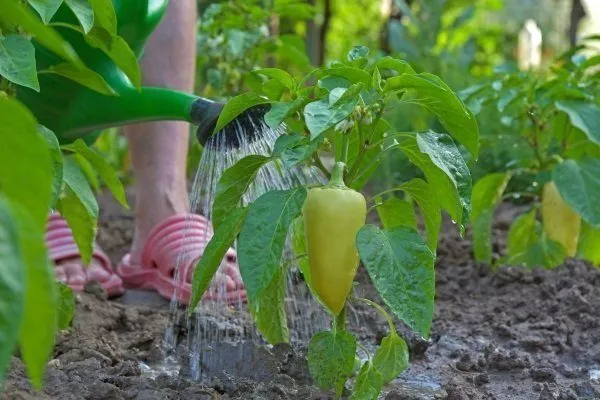
It's important to water plants frequently and avoid allowing the soil to dry out too much. The interval between waterings should be no more than two days, but in extreme heat, more frequent watering may be necessary. A drip irrigation system is ideal.
This will help to retain moisture in the soil. mulching procedure (hay, straw, peat). This will allow you to extend the intervals between waterings and solve the weed problem.
Formation
There's no need to remove side shoots or shape the plant. However, at the end of summer, it's worth removing small buds and flowers, as they won't have time to fully ripen. This slows down the ripening of larger peppers, as the new buds begin to draw away some of the plant's nutrients.
Top dressing
This variety requires complex mineral fertilizers. It's best to purchase them in advance and apply them in balanced doses, according to the instructions on the packaging.
Sun protection
If the weather is very hot, the plant's fruit and foliage will be stunted. Plant burns will appear, and yields will decrease. In such situations, additional shade using netting or spunbond is required. The pepper plants are not very tall, so in the spring, you can install arches that can be covered with netting during hot weather.
Features of greenhouse care
Caring for bushes, grown in a greenhouse, the same as in open ground:
- Use only warm water for watering;
- fertilize regularly;
- ventilate the greenhouse periodically;
- During flowering and fruiting, water only at the roots.
- ✓ The temperature in the greenhouse should not exceed 28°C during the day and 18°C at night.
- ✓ Ventilation is essential to prevent condensation and illness.
Prevention of diseases and pests
This pepper variety has excellent resistance to pests and various diseases. However, don't forget about simple preventative measures:
- Before planting, dig the soil well;
- remove weeds;
- In the fall, completely remove all plant debris from the garden;
- When the first signs of the disease appear, treatments are carried out with chemicals or folk remedies.
Advantages and disadvantages of the variety
The main advantages of the described variety are the following qualities:
- pleasant and bright taste;
- excellent transportability allows for transportation over long distances;
- can be consumed fresh and used for processing;
- the fruits ripen early;
- big harvest;
- resistance to various diseases and pest attacks;
- can be stored for a long time.
The disadvantages of the variety are:
- low frost resistance in spring during frosts;
- the need for abundant access to sunlight;
- intolerance to temperatures above 30-32 degrees in the greenhouse, flowers and ovaries begin to fall off.
The main uses of pepper
This pepper variety is versatile. It can be used in fresh salads, preserves for the winter, and lecho. It's an excellent spice for a variety of dishes.
Reviews of the Ox Ear variety
The Ox's Ear pepper produces a bountiful harvest of delicious and aromatic vegetables. Most importantly, it requires proper care—maintaining a watering schedule, fertilizing regularly, and removing weeds.