
The Winnie the Pooh pepper has become a staple in many gardens thanks to its combination of excellent characteristics and low maintenance. Named after the famous character, this variety has become widespread throughout our country. Proper and timely care guarantees a bountiful harvest.
History of variety selection
The culture was developed between 1978 and 1981. Soviet breeders led by Yuri Panchev from Moldova worked on its development.
Characteristic
The hybrid impresses with its hardiness and resistance to many diseases. The fruits are rich in vitamins and nutrients, which are preserved throughout the year thanks to their long shelf life.
Purpose and taste
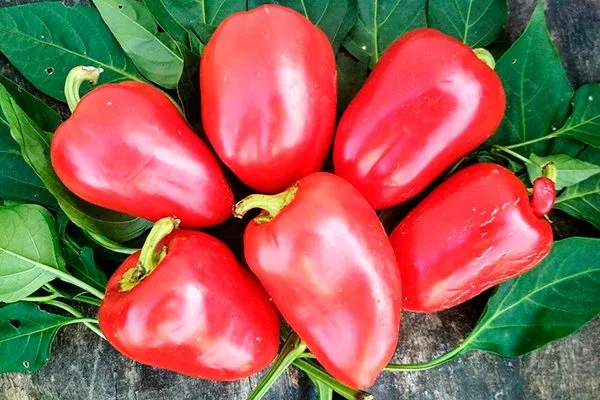
Peppercorns have a pleasant, slightly sweet flavor. They're crisp and juicy. They pair well with other vegetables in salads and are ideal for canning, stuffing, and freezing.
Growing regions
It exhibits excellent adaptation to various weather conditions, making it popular throughout the country. It is successfully grown throughout our country, but is most commonly found in the Volga-Vyatka region. Gardeners from the northern and central regions of the country enjoy growing this crop.
Ripening period and beginning of fruiting
This is an early variety. The first peppers can be harvested as early as 105-110 days after the young shoots emerge. Fruiting is prolonged and yields a bountiful harvest.
Productivity
On average, 1 square meter yields 1.6 to 1.8 kg of peppers. Ripening occurs simultaneously, and if the semi-ripe peppers are harvested correctly, each plant can continue to produce new vegetables.
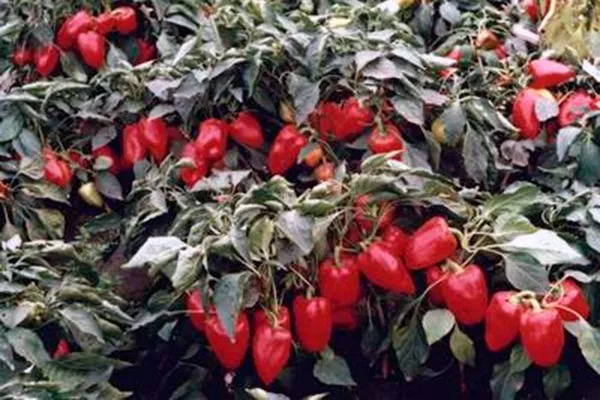
The thin yet durable skin improves storage and transportation. Long-lasting freshness, combined with an attractive appearance and excellent flavor, make this hybrid ideal for commercial cultivation.
Description
The appearance of the peppers includes unique features that distinguish the variety from other peppers. Below is a detailed description of Winnie the Pooh.
Distinctive features of the bush
The plants are compact and low-growing, with a standard structure. Their height rarely exceeds 25 cm. The side branches are closely attached to the trunk, and the foliage is sparse. The leaves are a rich green, and the ovaries form in groups or clusters.
Characteristics of fruits
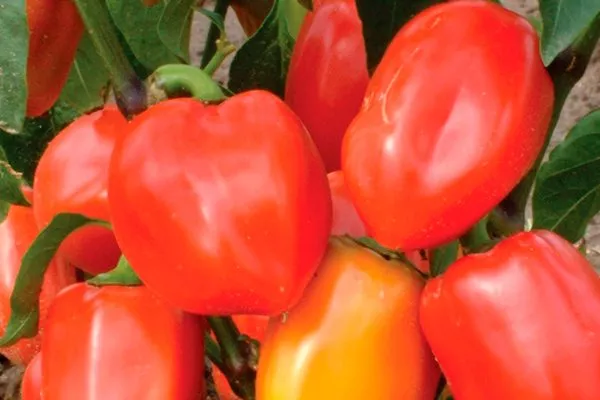
They have a conical shape with a pointed tip. Their weight ranges from 50 to 60 grams, and their length rarely exceeds 10 cm. At the technical maturity stage, they have a green hue, which gradually changes to a rich red color as they ripen.
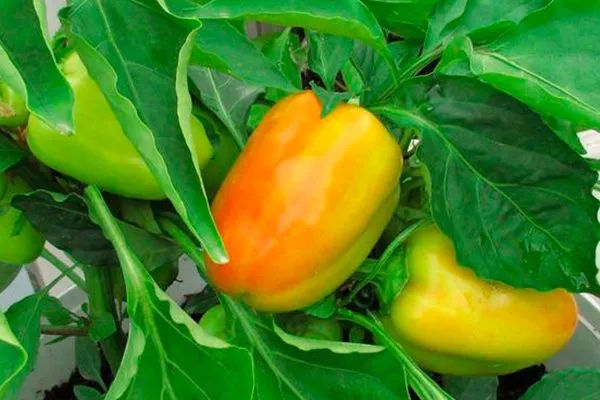
The fruits have a good marketable appearance. The walls are 5-7 mm thick. The flesh is juicy, meaty, and sweet. The surface is smooth and even.
Preparing for growing
Before sowing, soak the seeds in a potassium permanganate solution. Dilute 1 teaspoon of the solution in 200 ml of clean water. Spread the treated seeds in a single layer on a damp cloth and cover it. Leave the seeds in this position until they germinate completely, which takes 1-2 days.
- ✓ The optimal soil pH for Winnie the Pooh pepper should be within 6.0-6.8.
- ✓ The soil must contain at least 3% organic matter to ensure adequate nutrition.
Prepare the soil mixture. The substrate should be loose and well-drained. Before using, pre-treat the soil with a solution of potassium permanganate.
Planting seedlings
There are two different methods for growing seedlings: with and without transplanting. Each method has its own advantages and disadvantages:
- With a pick. When seeds are sown in the same container, they compete for light, water, and nutrients. Pricking out seedlings allows them to be transplanted into separate containers, preventing competition and ensuring everyone has enough space.
Replanting with a root ball helps avoid damage to the roots, which can occur when digging up and replanting without a root ball.
The disadvantage of this method is that it requires additional effort and time, as each plant must be repotted into a separate container. Even with a root ball, repotting can be stressful, and some plants may not survive. - Without picking. Seeds are sown directly into individual cells or cups, reducing the need for additional transplants. Plants are not replanted, reducing stress and increasing their chances of survival.
Gardeners consider competition for resources a negative aspect: at the beginning of growth, plants compete for light and nutrients, which can lead to uneven development and weaker seedlings. Root problems are also possible due to limited space in the cells or cups.
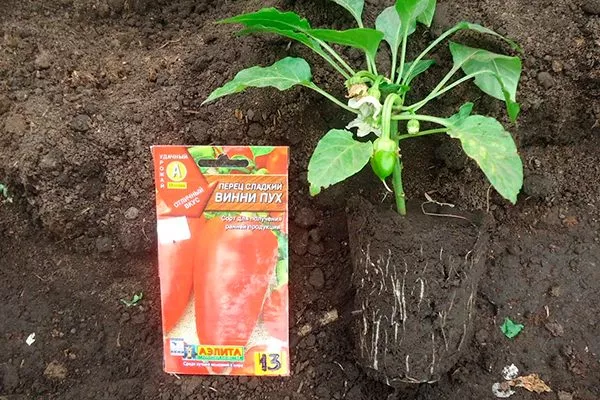
The choice of method depends on your preferences, availability of time and resources.
Growing
Ensuring optimal conditions for crop growth involves certain rules. Follow these recommendations:
- Caring for seedlings. Place the seedlings in a warm, draft-free room. The air temperature should be between 15 and 22°C. Use artificial lighting for additional illumination, such as LED lights or fluorescent lamps.
Provide moderate, periodic watering. Use warm, settled water. - Hardening off seedlings. Begin this procedure two weeks before planting. Take the containers with the seedlings outside, gradually increasing the time they spend outdoors.
- Planting seedlings. Choose a sunny, wind-protected site. Amend the soil with compost, then plant the seedlings in the beds. Plant the seedlings deep enough to reach the leaf level and compact the soil.
- Further care. Provide moderate watering, mulch the beds after planting, and regularly apply organic and general-purpose mineral fertilizers. Loosen the soil after watering and remove weeds. To stimulate fruiting and rapid growth, remove side shoots.
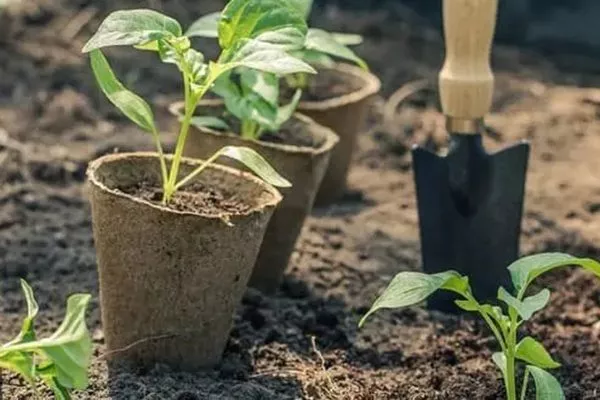
Protect the seedlings with film after planting so that they adapt to the new climate.
Features of growing the variety and possible difficulties
Preparing the soil for growing seedlings plays a crucial role in their successful development. To create a suitable planting soil, use the following mixture:
- Compost (2.5 kg). Provides organic matter, improves structure and nutritional value.
- Biohumus (2.5 kg). Improves physical and chemical properties, increases fertility.
- Peat (5 kg). Serves as a good material for retaining moisture and provides breathability.
- Ash (200-250 g). Provides plants with mineral elements and helps regulate soil acidity.
Do not use fresh manure or partially decomposed compost to start seedlings.
Diseases and pests typical for the variety
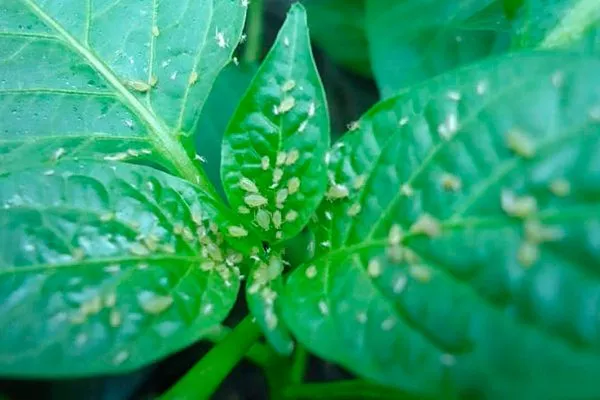
To protect peppers from common pests such as whiteflies, aphids, and spider mites, and to prevent plant wilting due to verticillium wilt, use a variety of methods. Below are some control options:
- Whitefly. Spread wood ash and tobacco dust around the bushes. Dissolve 200 ml of 72% laundry soap in 10 liters of water and spray the plants. This will create a protective layer and mitigate pest attacks. Prepare an infusion of 200 g of chopped onion or garlic per 10 liters of water and spray the plants.
- Spider mite. Use special insecticides or a solution of onion, garlic, dandelion, or liquid soap.
- Verticillium wilt. Glamir and Alirin are effective in fighting infection. Dissolve one tablet in 2 liters of water and water your garden beds as a preventative measure.
Advantages and disadvantages of the variety
Winnie the Pooh is popular among gardeners due to its characteristics and ease of care. The hybrid has many advantages:
Interesting facts about the variety
By crossing the Lastochka and Buketen-3 varieties, Moldovan breeders developed a hybrid called Winnie the Pooh, which has excellent characteristics compared to its “parents”.
Sweet peppers represent a significant achievement in breeding in the Russian Federation and are recommended for planting in virtually any region of the country. As the fruit ripens, it undergoes a fascinating color change from green to bright red.
Reviews from gardeners
The Winnie the Pooh pepper has become popular due to its unique combination of qualities. Not only does it impress with its abundant and delicious harvest, but it also impresses with its ease of care and adaptability to a variety of growing conditions.